
Ever thought about how NFT fees might be nibbling away at your earnings? In this post, we're breaking down what you pay when buying or selling NFTs so you can see exactly where your money goes.
We’ll chat about seller fees, buyer fees, and even those unpredictable gas fees, which are the costs for processing transactions on some networks. Think of it like figuring out the ingredients in your favorite smoothie, each fee plays a part in the overall taste of your profit.
By taking a closer look at fee details from top marketplaces, you’ll spot smart ways to save and make better choices with your digital assets. Stick with us, and you might just keep more of your hard-earned cash for yourself.
Comparing NFT Platform Fee Structures

When you're checking out NFT marketplaces, it's important to know how different fee setups can affect your earnings. Artists and collectors need to figure out these fees to help set smart prices. When you look at a top NFT marketplace, pay close attention to both seller fees and any buyer fees, along with those gas fees that usually run around $45 but can sometimes jump higher.
| Platform | Seller Fee (%) | Buyer Fee/Notes | Gas Fee Variability |
|---|---|---|---|
| OpenSea | 2.5 | N/A | Avg. ~$45, spikes above $50 |
| X2Y2 | 0.5 | N/A | Avg. ~$45, spikes above $50 |
| LooksRare | 2 | N/A | Avg. ~$45, spikes above $50 |
| Rarible | 2.5 | 2.5% applied to buyer | Avg. ~$45, spikes above $50 |
| SuperRare | 15 | 3% commission for buyers | Avg. ~$45, spikes above $50 |
| Foundation | 15 | N/A | Avg. ~$45, spikes above $50 |
X2Y2 and LooksRare come across as smart picks if you're trying to keep costs down, thanks to their lower seller fees. This clear side-by-side look lets artists and collectors choose the marketplace that best fits their fee plans and handles gas fee surprises well.
Breakdown of Minting Charges on NFT Platforms

When you mint an NFT on Ethereum, you're really paying for gas fees. These fees change a lot depending on how busy the network is. In quiet times, you might only pay between $50 and $150. But when more people are using Ethereum, fees can jump to several hundred dollars because miners pick transactions that offer higher gas prices. That means, during peak times, things slow down, and you end up spending more. It’s a key reason why both creators and collectors need to budget carefully while keeping an eye on how scalable the blockchain is. For more details on scalability, check out that topic.
Other blockchains, like Polygon, have a different approach to these fees. Instead of high, unpredictable costs, you pay a small minting fee, usually around 0.18 MATIC, which is only about $0.23. With this model, Polygon aims to keep transactions quick and affordable even when there’s lots of activity. This setup is great for artists and collectors who want a more stable and cost-effective way of minting NFTs.
Transaction and Gas Fee Trends on NFT Platforms

Gas Fee Calculation
When Ethereum gas fees were under $5 in early 2025, network demand was so low that transactions happened super fast and cost very little. Gas fees work by multiplying the gas limit by the gas price. Think of the gas limit as the amount of work needed, and the gas price (measured in Gwei, which is a small unit of ETH) as the cost per unit of that work. For example, if your transaction requires a gas limit of 21,000 and the gas price is 100 Gwei, you’d multiply 21,000 by 100 to get 2,100, which equals about 0.0021 ETH. In simple terms, the fee you pay shows you how much computational work the network thinks your transaction needs.
Fluctuation Drivers
Gas fees can change a lot. This is mainly because of the block gas limit, network congestion, and miner tips. The network often sets a cap, usually around 15 million gas per block, to keep things running smoothly. When many people are trying to do transactions at once, this cap can be hit, and fees might skyrocket above $50 as users boost their gas price to get their transactions done faster. Miner tips add another layer too; if you offer a higher tip, miners are more likely to choose your transaction over others. Imagine it during a busy NFT drop: fees could jump to around $45, even if they were under $5 during quieter times. If you time your transaction when fewer people are active, you can keep costs down. All these factors, computation needs, network activity, and user incentives, combine to make the NFT market a lively and ever-changing place for artists and collectors alike.
Royalty, Listing, and Secondary Sale Commissions in NFT Platform Fee Analysis

When you list an NFT, most platforms charge a fee right from the start. This fee usually ranges from 2.5% to 7.5% of the sale price. So, if a digital artwork sells for $200, a 2.5% fee takes $5, while a 7.5% fee removes $15. Artists and developers need to plan for this cost to keep their earnings steady from the first sale.
Some platforms also charge a small, flat fee for listing items even if they don’t sell immediately. This fee often comes to about $0.05 per item to cover the cost of keeping the piece online. While $0.05 might seem insignificant, it can add up fast. Imagine an artist listing 1,000 pieces, that’s a total of $50, which can really chip away at profits if it isn’t part of the pricing plan.
Creators can also earn from ongoing royalties on secondary sales. Simply put, every time the artwork resells, the artist gets a percentage of the sale. Most royalty rates fall between 5% and 10%. For example, a 7.5% royalty means that if a work sells for $100,000 later on, the artist pockets $7,500. This system not only rewards the initial effort but also lets artists benefit as the artwork’s value grows over time.
Balancing these fees carefully is key to creating a sustainable pricing strategy that supports long-term earnings.
nft platform fee analysis: Smart Savings

Sellers often bump up their base prices by around 4% to cover combined fees. For example, they might factor in a 2.5% cut by the platform and an average 1.5% gas fee. It’s like adding a small pinch of salt to perfect a recipe, you adjust just a bit to keep profits steady. So, if an NFT is priced at $100, raising it a little helps balance out these extra costs.
Marketplace operators also get a boost from these fees. The revenue from transaction and listing fees, along with bundled deals, helps keep the platform running smoothly. Bundling transactions can even lower per-item gas costs by as much as 70%, making the fee system work better for everyone. In short, as more sales happen, both sellers and the platform enjoy healthier profit margins without slowing down service.
nft platform fee analysis: Smart Savings

Artists and collectors can cut trading costs by mixing smart pricing with clever cost-saving moves. For example, a small price bump, about 4%, can help cover fees when you use well-planned transactions.
Think about comparing fee setups. Some platforms, like X2Y2, charge as little as 0.5%, while others like OpenSea might charge 2.5%. This difference can lead to instant savings. And if you use sidechains or Layer 2 solutions (extra networks that help lower fees), you could reduce gas costs by over 90%.
Grouping transactions is another smart trick. When you bundle them, gas fees may drop by up to 70% because fewer blockchain actions mean lower costs. Plus, many platforms offer discounts that reward frequent traders, sometimes giving up to 30% off gas fees once you complete 100+ trades a month.
It also helps to time your transactions during less busy periods to dodge higher fees due to network congestion. And don’t forget to review your trading costs regularly on trusted NFT marketplaces (https://nftworthit.com?p=127) to make sure you're getting the best deal.
By combining these fee comparisons with a modest price increase, you can protect your profit margins while keeping overall digital asset costs down.
Emerging Trends in NFT Platform Fee Models
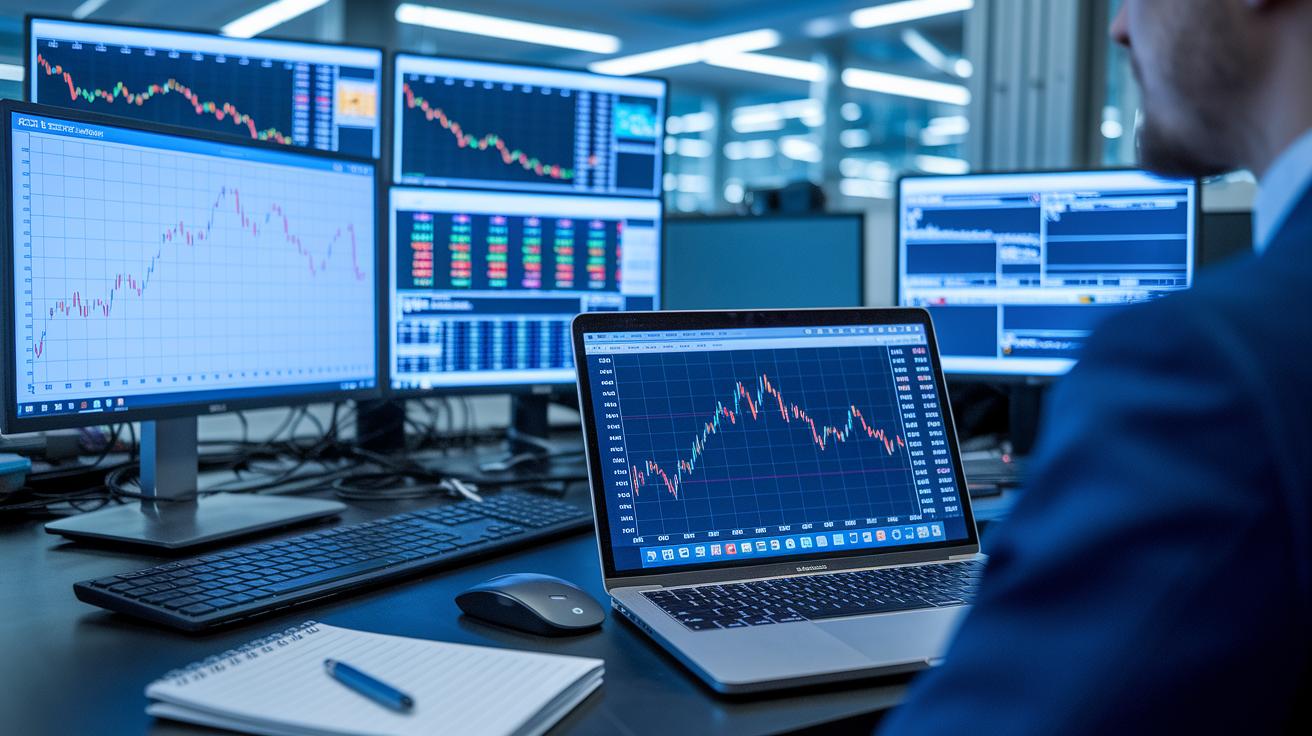
Many platforms are now trying out fee models that change based on how much you trade. Some of them offer discounts for heavy traders, so if you're trading a lot, you might pay less. Others even give back part of your fees when you trade frequently. In short, your fees can go up or down depending on how active you are, which makes trading more fun and fair for everyone. For example, a platform might start by charging new users a higher fee and then lower it as you hit certain trading goals.
Because the market is getting really competitive, new platforms are slashing fees to attract artists and collectors. While older, well-known platforms might charge commissions of over 15%, these fresh players are offering fees that can drop to less than 1%. This bold move makes it easy for users to give these platforms a try, sparking innovation and changing the way fees work in the digital token space.
Final Words
In the action, this article broke down fee structures and cost trends from top NFT platforms. It compared seller and buyer fees, unpacked minting charges, and explained gas fee fluctuations. The discussion highlighted ways to manage risk and boost smart decision-making. By using nft platform fee analysis, you'll spot potential savings and make wiser investment choices. Positive growth awaits as you keep refining your strategy in a world where fee structures shape success. Keep your eyes on these insights and move forward with confidence.
FAQ
What does an NFT platform fee analysis calculator do?
The NFT platform fee analysis calculator helps estimate fees, gas costs, and commission charges across NFT marketplaces, allowing artists and collectors to quickly evaluate transaction costs and potential savings.
What were the key takeaways from NFT platform fee analysis 2021?
The NFT platform fee analysis 2021 highlighted fee structures like OpenSea’s 2.5% seller fee and noted market variations during network congestion, giving users insights into cost differences among leading platforms.
How much does minting an NFT on OpenSea and Ethereum cost?
Minting on OpenSea, which runs on Ethereum, usually costs between $50 and $150 during off-peak periods, though fees may exceed several hundred dollars when the network experiences high congestion.
How much does it cost to mint an NFT on Solana?
Minting on Solana generally comes at a lower cost compared to Ethereum, with minimal gas fees making it an attractive option for creators looking for more affordable NFT minting solutions.
What are NFT gas fees and how are they determined?
NFT gas fees represent blockchain processing costs and are calculated using the gas limit multiplied by the gas price in Gwei, with fluctuations driven by network congestion and miner incentives.
How can I find the cheapest NFT minting options?
The cheapest NFT minting options often come from platforms using sidechains or alternative blockchains like Solana, which lower gas fees significantly compared to traditional Ethereum-based marketplaces.
What is the typical platform fee for NFTs?
The platform fee for NFTs varies by marketplace; for instance, OpenSea charges 2.5% on sales, while platforms such as X2Y2 and LooksRare offer lower seller fees, reflecting each platform’s pricing model.
How much is a $1.00 NFT worth in dollars?
A $1.00 NFT is valued at one dollar, though its market price may fluctuate with demand, fees, and overall interest in digital art and collectible trends.
How much is a $1000 bitcoin transaction fee?
A $1000 bitcoin transaction fee refers to the processing cost tied to transferring bitcoin, with fees varying based on network load but generally representing a small proportion relative to the transaction amount.
How should I price my NFT?
Pricing an NFT involves considering production costs, platform and gas fees, and market demand, which helps ensure that your artwork is competitively priced while still delivering a healthy profit margin.
How do fee structures differ among platforms like OpenSea, Rarible, Binance, Coinbase, and SuperRare?
Fee structures vary widely: OpenSea charges a 2.5% seller fee, Rarible splits fees between buyer and seller, Binance and Coinbase adjust according to service, and SuperRare imposes higher seller commissions with added buyer fees due to its premium curation.