Ever thought about how every NFT trade is connected in our online world? It’s a bit like putting together a puzzle where every piece counts. In this post, we break down the building blocks, from digital ledger layers (that’s the blockchain) to marketplaces, smart deals (smart contracts), and the wallets that keep everything safe. By shining a light on the key players and everyday transaction flows, we help you spot trends and craft smarter strategies for your digital assets.
NFT Ecosystem Network Overview
Network analysis matters because it helps us uncover the hidden web behind NFT transactions. When you follow each connection, you see how digital assets move through smart contracts, marketplaces, and wallet nodes. It’s a bit like mixing ingredients to create a unique art piece, where every part plays its role.
Understanding these connections is key to spotting the big players in the scene. For instance, in 2023, Ethereum handled around 70% of NFT transactions while Polygon, Flow, and BSC trailed behind. And platforms like OpenSea and LooksRare drove 65% of the daily volume, acting like busy intersections where every trade makes an impact.
- Blockchain layers
- Marketplaces
- Smart contracts
- Metadata storage
- Wallet nodes
Mapping these interactions helps reveal how different pieces work together and highlights the strengths and limitations of each segment. Visual maps of the network show clear patterns that affect the overall market, making it easier for both new enthusiasts and seasoned investors to spot emerging trends.
By understanding these core connections, anyone interested in digital assets can gain insights that guide smarter investment strategies. It’s all about breaking down a complex system into simple parts that tell a clear story.
Methodologies for Conducting NFT Network Analysis

When we dive into NFT network analysis, we’re breaking down tough blockchain transactions into bite-sized pieces that are easier to understand. We use smart techniques that help us spot key players and noticeable trends in the network. This clear step-by-step method makes our work more trustworthy and helps us really understand market moves. By mixing tools like simple statistics, forecasting methods, and chain tracking, we create a straight path for building smart digital asset strategies.
Graph-Theoretic Techniques
Graph techniques are like mapping out a neighborhood of digital addresses. We use tools, such as PageRank and centrality measures (which show how important an address is), to spot the most influential parts of the network. And by using community detection and clustering methods, we can group together active users and trace how transactions flow. It’s a bit like connecting dots in a big puzzle, revealing hidden patterns and showing us how people interact with NFTs. This way, tracking NFT movements and ensuring secure contracts becomes much simpler, supporting smarter plans for investing.
Statistical and Predictive Models
Time-series models like ARIMA and LSTM help us forecast trends by looking at past data. They’re pretty accurate, around 85%, in predicting when transaction volumes or prices might jump. These methods sort through historical data to spot recurring trends and offer a sneak peek into future market behavior. Combine these with chain tracking tools that follow token origins, and you get a clearer picture of what might come next. This insight helps investors plan ahead, manage risks more effectively, and potentially grow their digital assets even when the market shifts quickly.
Smart Contract Auditing
Smart contract audits are a must for keeping NFT networks safe. We kick things off with careful reviews of the code and thorough vulnerability checks to find any weak spots. Using trusted tools to audit these smart contracts (like the ones you can check out at NFT Cellar), ensures the contracts work as they should. Regular audits help prevent fraud, manage risks before they escalate, and build trust among investors who depend on solid, secure transactions in the NFT world.
Blockchain Metrics and Topology Comparison
Understanding how different blockchains perform is key when diving into NFT transactions. Every network handles things like transaction volume, fees, security, and how fast transactions settle in its own unique way. For example, Ethereum has a busy network that handles lots of transactions, but you pay more for that service. Meanwhile, networks like Polygon, Flow, and BSC each bring their own mix of benefits and trade-offs, affecting cost, speed, and security. If you're curious for more details, there's an NFT blockchain resource that breaks these differences down further.
| Metric | Ethereum | Polygon | Flow | BSC |
|---|---|---|---|---|
| Daily Transactions | 250K | 50K | 30K | 20K |
| Avg. Fee | $12 | $0.001 | $0.10 | $0.20 |
| Decentralization Score | 0.8 | 0.6 | 0.5 | 0.4 |
| Settlement Time | 15 min | ~2 s | 15 s | ~3 s |
These numbers are more than just stats – they shape how user-friendly each network feels. Ethereum’s high transaction count and solid security mean you can trust it, even though the fees and slower settlement can be a pain for smaller trades. In contrast, Polygon and BSC boast very low fees and almost instant transaction times. This makes them really appealing for frequent, small trades, even if they might not be as secure over the long run. Flow sits in the middle, offering a fair balance between cost and speed.
By looking at these details, anyone can figure out which blockchain fits their needs best. Plus, these comparisons shine a light on where networks could improve in the future, helping you make smarter decisions in digital asset investments.
NFT Ecosystem Network Analysis: Empowering Insights
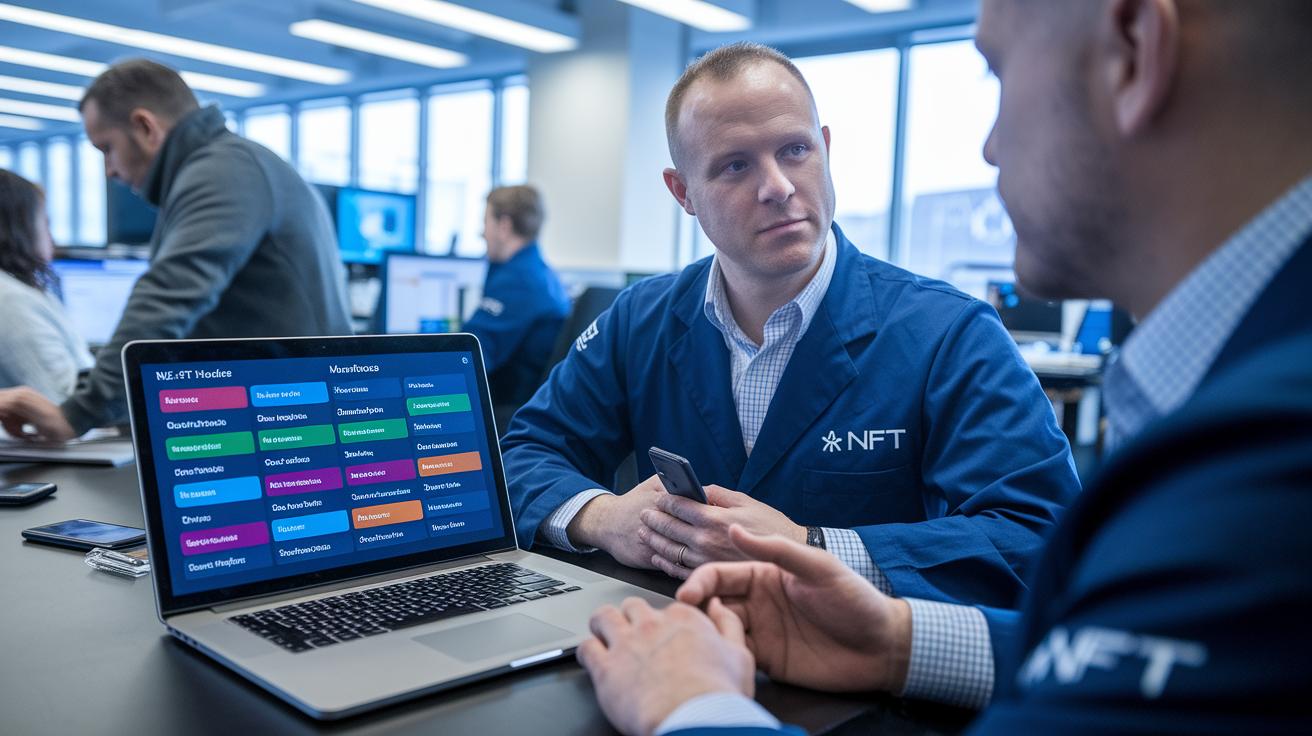
Marketplaces are the heartbeat of the NFT world. They bring creators, collectors, and traders together in one bustling spot. Not only do they make it easy to buy and sell, but they also set the vibe for pricing, fees, and trust in digital assets. Top platforms like OpenSea handle about 45% of the action, while others like LooksRare and Magic Eden on Solana also play key roles. Their design and performance shape market mood and liquidity, so keeping an eye on them is crucial.
Marketplace Evaluation Metrics
When we size up a marketplace, we look at factors like trading volume, active listings, and fee setups. A trader might switch to a platform with lower fees to boost overall profit. These details help us judge how steady and lively a platform is, giving investors a clearer picture of where the action is happening.
Collector Distribution Patterns
Collector behavior can be really eye-opening. Research shows that the top 20% of collectors own 80% of high-rarity NFTs, meaning that a small group holds most of the prized pieces. Plus, around 1.2 million unique Ethereum addresses highlight the wide spread of holders. Imagine a rare digital artwork owned by a dedicated, tight-knit group, this kind of concentration can really affect scarcity and value.
Trading Signals and Sentiment Correlations
Price shifts in NFT marketplaces often follow market sentiment. For example, over 30 days, price volatility tends to mirror how traders feel about the market. It’s kind of like a heartbeat, small mood changes can lead to sudden price jumps that savvy traders watch closely. Keeping an eye on these signals can really help in timing trades.
In short, breaking down marketplace details, collector habits, and sentiment clues offers a handy roadmap for making smart moves in the NFT world. Have you ever noticed how a small shift in market mood can completely change the way you invest?
Case Studies in NFT Ecosystem Network Dynamics
In our first case study, we explore CryptoPhunks. During the first quarter of 2023, 1,200 peer-to-peer flips pushed the floor price up by 40%. Each flip acted like a little heartbeat in the market, sparking a chain reaction that lifted everyone’s spirits. It’s amazing how closely watching every NFT transaction can uncover hidden market shifts. Ever notice how small moves can lead to big changes? This example shows that tracking transactions helps reveal the real story behind digital values. You can read more on the CryptoPunks NFT page.
Our second study looks at Floorprice Finance, a tool that forecasts trends right on the blockchain. In 2022, they reached an accuracy of 70% when predicting market movements. Imagine a system that watches every trade and investor interaction to predict price shifts with impressive precision. This shows us that digging into detailed data and mapping out digital interactions really drives smarter NFT investment strategies. It’s all about seeing the patterns behind each trade, which can help guide your next smart move in the evolving NFT market.
Emerging Trends and Predictive Insights in NFT Network Analysis

NFT trading grew a lot, increasing by about 150% on average each year from 2021 to 2023, and in 2023 the market hit an eye-popping $45 billion. This surge shows that digital collectibles have moved from a niche interest to something many people are excited about.
Looking ahead, experts expect a big jump in how these networks connect. They say connectivity could grow by 40% by the end of 2024 as new layer-2 and cross-chain solutions take off. Back in mid-2022, the market started showing mainstream appeal, as more folks began adding NFTs to their everyday investment mixes. Analysts are using tools like market sentiment indicators to keep a close watch on these shifts.
So, what does this mean for everyone involved? Higher connectivity and broader adoption suggest a sturdier market structure, which could lead to steady revenue growth and more varied investment options. Companies that understand these trends can tweak their strategies to grab new opportunities in the digital asset world.
Final Words
In the action, we examined the NFT ecosystem network analysis by detailing transaction mapping, network topology, and smart contract auditing. The discussion broke down core blockchain metrics, marketplace interactions, and case studies spotlighting digital asset trends.
We also highlighted statistical and predictive models that help illuminate future market moves while addressing risk management and portfolio diversification. This clear breakdown of methods, metrics, and market behavior leaves us with a toolkit for smart digital investments. Keep exploring with confidence and embrace the evolving world of NFTs.
FAQ
What is the NFT Ecosystem Network Overview?
The NFT ecosystem network overview explains how blockchain layers, marketplaces, smart contracts, metadata storage, and wallet nodes interconnect to support NFT transactions and overall market functionality.
Why does network analysis matter in NFT ecosystems?
Network analysis matters in NFT ecosystems because it reveals how smart contracts, marketplaces, and wallet interactions drive market trends, helping investors see transaction patterns and key hubs like OpenSea and LooksRare.
What are the primary components of an NFT network?
The primary components of an NFT network include blockchain layers, marketplaces, smart contracts, metadata storage, and wallet nodes, each playing a vital role in transactional mapping and network connectivity.
What methodologies are used in NFT network analysis?
NFT network analysis uses methodologies such as graph-theoretic techniques, statistical and predictive models, and smart contract auditing to assess transaction flow, forecast trends, and identify potential vulnerabilities.
How are graph-theoretic techniques applied in NFT analysis?
Graph-theoretic techniques in NFT analysis reveal important addresses and communities by analyzing centrality, clustering, and other patterns to uncover influential nodes within the transactional network.
How do statistical and predictive models benefit NFT network analysis?
Statistical and predictive models, like ARIMA and LSTM, benefit NFT network analysis by forecasting transaction volume and price trends, giving insights that help investors make timely decisions.
What role does smart contract auditing play in NFT analysis?
Smart contract auditing plays a key role in NFT analysis by reviewing code, scanning for vulnerabilities, and confirming interaction patterns, ensuring that smart contracts are secure and reliable in their transactions.
How do blockchain metrics compare across Ethereum, Polygon, Flow, and BSC?
Blockchain metrics compare key factors such as transaction volume, fees, decentralization scores, and settlement times across networks like Ethereum, Polygon, Flow, and BSC to highlight differences in user experience and market dynamics.
How do NFT marketplaces impact network interactions?
NFT marketplaces impact network interactions by hosting the majority of trades and transactions; platforms like OpenSea and LooksRare drive volume and create dynamic trading environments for collectors and investors.
What case studies illustrate NFT ecosystem network dynamics?
Case studies such as CryptoPhunks and Floorprice Finance illustrate NFT network dynamics by showing how peer-to-peer transactions and on-chain forecasting can lead to significant shifts in floor prices and market trends.
What are the emerging trends in NFT network analysis?
Emerging trends in NFT network analysis include rapid transaction volume growth, increased cross-chain connectivity, and advanced predictive insights, which together signal growing mainstream interest and digital asset adoption.