
Ever wondered if NFTs [unique digital assets] are too unpredictable to handle? They can rise one day and fall the next, kind of like being on a wild roller coaster.
A small buy might quickly turn into a big win, but figuring out the perfect timing is always a bit of a gamble. Those dramatic shifts show that even though big gains look tempting, there are serious risks behind every trend.
Today, we’re diving into the highs and lows of the NFT market, chatting about the main factors that make it both exciting and risky.
NFT Market Volatility Defined and Core Risk Factors
The NFT market often gives you a wild ride, much like a roller coaster. Even seasoned investors get caught off guard by the sudden changes in value. In 2020, some NFTs jumped over 2,000%, turning a small buy into a huge win almost overnight. At one point, Sotheby’s had to pause a $30 million NFT sale because bids were swinging wildly.
NFTs have grabbed global attention, yet their prices can be very unpredictable. It’s hard to nail down a fair price when feelings about art and market mood clash. This leads to quick ups and downs where every price move can seem like a surprise.
Another big moment was when OpenSea saw its monthly trading volume drop by 90% in the first half of 2022. This proves that liquidity can vanish in just a blink of an eye. Investors face a dual challenge here: while the chance for huge gains is real, nailing the right time to buy or sell remains a tough call.
Risk factors like sudden speculative jumps and tricky timing only add to the uncertainty of NFTs. For example, one NFT once soared by 2,000%, turning a modest purchase into a fortune overnight! Moments like these remind us that although the NFT market is exciting, it also carries serious risks that investors must handle with care.
NFT Liquidity Risks and Market Constraints
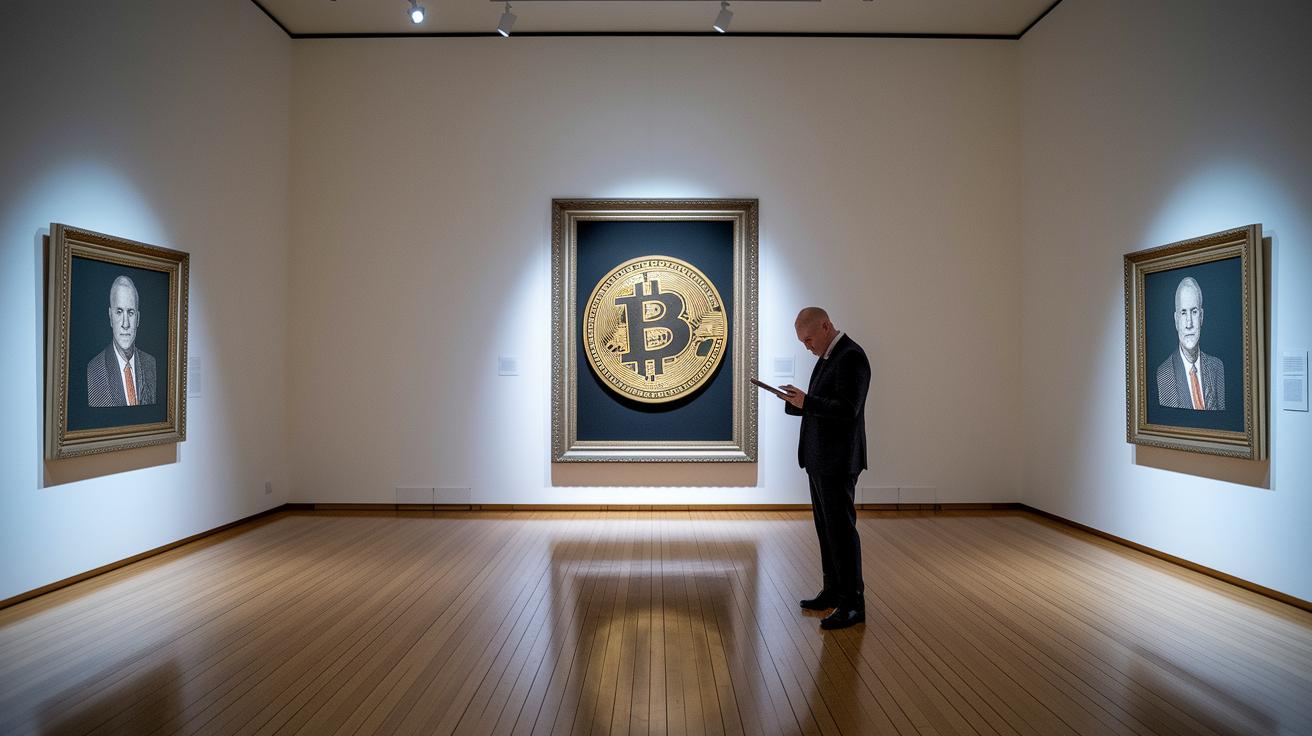
NFT markets don't move as smoothly as stocks or cryptocurrencies. While traditional assets have a constant flow of buyers and sellers, NFT trading is more like collecting baseball cards or art, there are often only a few interested buyers, making it hard to sell at your desired price when things shift.
When there's not much activity, even small changes can send prices on a wild ride. For instance, some NFTs have seen floor prices drop over 50% in a few days during market stress. This low liquidity can trap investors, similar to trying to sell a rare painting when only a few collectors are watching. And when market conditions force a rush to sell, even a slight dip can feel much harsher.
Figuring out NFT liquidity isn’t as simple as in traditional markets. Many people rely on platforms like NFT Marketplace Overview to keep track, though these tools are still growing up.
- NFT market depth can be quite shallow compared to traditional assets.
- Low liquidity often leads to quick and steep price drops.
- With thin trading volumes, planning an exit strategy becomes a lot more uncertain, especially during market stress.
When these liquidity issues mix with volatile trading, the risks can really add up. It's important for investors to be cautious, balancing the excitement of potential gains against the real possibility of steep losses.
NFT Market Volatility and Risk Factors: Bold Outlook
The NFT market often feels like a roller coaster, mostly because the rules around digital assets keep changing. One day, a new law might require detailed reports, extra identity checks, or even adjust tax rules. Imagine buying an NFT only to discover it now comes with a mountain of paperwork, much like the complicated process of purchasing stocks.
Without clear guidelines, buyers are left guessing what to expect. Insurers are wary too, as they don’t have firm rules to lean on when offering coverage. This uncertainty means even a small shift in regulation can send ripples through the market, making it feel like stepping into unknown territory.
- Investors might suddenly face new reporting and compliance duties with little notice.
- Companies could enforce extra identity and verification steps that disrupt normal trading habits.
- Unclear tax rules might blur the financial benefits and risks of holding NFTs.
The lack of a solid regulatory framework makes NFT values prone to wild swings, and investor protections can feel shaky. With ongoing debates about what rules should apply, market players have to balance the hope for growth against the risks of changing legal standards.
Ownership, Security, and Fraud Risks in NFT Trading

NFT trading isn’t just about buying and selling digital art. It takes real care to protect your digital assets. When your NFT is kept on a centralized platform, it’s a bit like storing your treasures in a bank that might suddenly fail. Imagine your favorite art gallery closing its doors unexpectedly, your prized piece could vanish in no time. That’s why it’s so important for investors to be clear about where their NFTs are stored, whether on the blockchain (a secure, digital record) or off it. For more on these risks, check out "NFT Blockchain Security" at https://nftworthit.com?p=211.
Manipulation is another big risk in the NFT world. Sometimes, fake or unauthorized listings can trick you into paying for something that isn’t really what it seems, like buying a counterfeit collectible. And then there’s wash trading, where one party repeatedly buys and sells the same NFT to create an illusion of high demand. This can confuse new investors and make it hard to know the true value of what you’re buying.
There’s also the issue of contract vulnerabilities. A small bug in a smart contract (which is a program that proves ownership and handles sales automatically) can let hackers break in and make unauthorized transactions. It’s like buying a car with a hidden defect, you might only notice the issue when it’s too late. That’s why taking proper security measures, such as safeguarding your private keys, using two-factor authentication, and keeping your wallet software updated, is so important.
All of these risks show that while NFT trading can offer exciting opportunities, it also comes with hidden pitfalls if you don’t take the right security steps.
Analytical Methods for Quantifying NFT Price Fluctuations
In the world of NFTs, investors lean on real data and practical research, often using findings from thousands of financial studies and more than 700 different trading strategies. They use simple statistical tools to track market movements, turning complicated trends into easy-to-understand numbers.
Here's a thought-provoking point: "A small change in daily sale prices can make or break an NFT’s short-term value, much like the daily highs and lows of a stormy sea." This idea shows just how much tiny price shifts can affect an NFT’s value.
Researchers keep an eye on key numbers that help explain NFT activity. For example, they study the daily standard deviation of sale prices to see how wildly values move day by day. A higher deviation means prices are bouncing around a lot.
They also monitor volume volatility, which is like taking the market’s pulse. Sudden jumps or drops in trading activity often hint at changes in how investors feel. Counting the number of unique buyers shows whether the market is growing wider or getting
Risk Mitigation Strategies for NFT Market Investors

Did you know that mixing NFTs with traditional investments can lower your risk, kind of like adding different ingredients to a recipe for a balanced meal? Instead of putting everything into NFTs, consider spreading your money across other areas like stocks, bonds, or even real estate. This mix helps balance the chance for high rewards with the stability of safer investments.
Before you jump into buying an NFT, take some time to really check out the project. Look at the size of its community and the track record of its creator. A strong, active community is a good sign that the project might hold up well when the market gets bumpy. Always ask yourself, can this project stick around even when things get rough?
Security is a big deal too. Make sure you keep your digital assets in safe places. Using platforms that offer multi-sig wallets or cold storage adds extra protection, like keeping some of your savings in a bank and some in a lockbox.
- Do your homework by checking the basics of any NFT project.
- See if the project matches long-term market trends.
- Always protect your assets with strong security measures, like multi-sig wallets and offline storage.
Another smart move is to only invest money you can afford to lose. This strategy keeps you from being rocked by sudden market dips and takes a bit of the stress out of quick changes. In short, following proven risk management tips can really help you navigate through the market ups and downs.
By spreading out your investments, doing solid research, and keeping your assets secure, you can better handle the wild shifts in the NFT world and keep your portfolio safer.
Forecasting NFT Market Volatility and Emerging Risk Trends
Trying to guess how NFTs will change isn’t simple. It takes a mix of solid data checks and a bit of gut feeling about where the market is headed. Some experts worry prices might drop fast, while others are holding out for a rebound. So, keeping an eye on trends is really important. For example, if you notice a rush of buyers getting excited, it might be a sign that the market is getting overheated, much like when an NFT jumps 2,000% before dropping hard.
Market watchers use a few different tricks to predict these shifts. They track daily price changes, check out trading volumes, and see how much interest buyers show. When these numbers start to change, it can point to a downturn, even if things seem good at first glance. It’s a bit like watching a roller coaster, where a steep climb might soon lead into a sudden drop. Often, the wild activity stems more from hype than real, lasting value. And with new rules in the mix, there’s hope that future drops might not be as steep.
In short, sticking with continuous trend analysis is key. Even with a mix of caution and hope, having a solid, measured forecast gives investors a clearer idea of when things might shift. This kind of insight can be a real game-changer, helping you feel more prepared when the market turns.
Final Words
in the action, this post explored the highs and lows of digital collectibles, from quick price spikes to sudden liquidity drops. We covered key topics like regulation, security, and data analysis that help explain why price swings occur. Along the way, we shed light on risk factors and measures to handle nft market volatility with smart tactics and solid safeguards.
Keep a steady hand and an open mind as you apply these insights, patience and well-planned strategies pave the way for success.
FAQ
What does NFT market volatility and risk factors PDF from 2021 and 2022 cover?
The documents highlight how NFT prices swing dramatically, revealing challenges like liquidity shortages and timing issues. They provide real data and headline events that explain the market’s risks.
How do volatility spillovers across NFTs impact news attention and financial markets?
The research shows that spikes in NFT prices often attract news attention and can send ripples into related financial sectors, affecting overall investor sentiment in wider markets.
What is an NFT marketplace?
An NFT marketplace is an online platform where users buy, sell, and trade unique digital assets. It connects creators and investors while validating each asset’s authenticity using blockchain technology.
What does NFT stand for or what is its full form?
NFT stands for Non-Fungible Token, which refers to a one-of-a-kind digital asset stored on a blockchain, proving ownership or rights to a specific collectible or creative work.
What is OpenSea?
OpenSea is an established NFT marketplace where artists, collectors, and investors transact digital collectibles, offering a trusted space for blockchain-based asset exchanges.
What are the risks of NFT trading?
NFT trading risks include dramatic price swings, low market liquidity, uncertain regulations, and security issues. These factors can lead to sudden value drops and potential losses for investors.
How does NFT volatility affect market risk?
NFT markets are highly unpredictable due to fast price changes and speculative behaviors, which means investors may face steep losses if the market turns quickly.
What factors contribute to NFT market volatility?
Key contributors include speculative bidding, limited liquidity, shifts in market sentiment driven by news, and ongoing regulatory uncertainties, all of which create rapid price fluctuations.