
Have you ever considered that planning your NFT exit strategy might be the secret to riding market changes successfully? Think of it like setting your rules before hopping onto a rollercoaster, you know exactly when to get off and lock in your gains. With clear guidelines for selling your NFTs (a unique digital asset), you can make sure you take advantage of high points and avoid deep losses when prices fall. In short, this guide will show you smart ways to handle market ups and downs, turning uncertainty into a confident move.
Exit Strategies for NFT Investors: Winning Market Shifts
NFT exit planning is all about having a clear game plan in place before you jump in. It means you decide ahead of time when to sell your digital assets to either grab your profit or keep your losses small. It’s like setting your strategy before you step into the arena, so you're not caught off guard by sudden market changes.
Having a plan helps you ride the good times and protect your assets when the market dips. When you set your selling rules in advance, you can handle market ups and downs with a cool head. This way, each move you make is tied to what you want to achieve financially, not just a reaction to fear or greed.
- Target-price triggers – Decide on a specific price that prompts you to sell and lock in gains.
- Stop-loss orders – Set up rules to sell automatically if prices drop too much, cutting your losses.
- Phased selling – Sell little by little over time instead of all at once to even out the ups and downs.
- Timed auctions – List your NFTs on auction sites at set times when buyer interest is high.
- Peer-to-peer sales – Sell directly to buyers, which may help you get a better price.
Each of these strategies comes with its own perks. Target-price triggers let you cash in when your asset reaches a sweet spot, while stop-loss orders act as a safety net if the market turns sour. Phased selling can help smooth out the bumps when prices vary. Timed auctions catch buyers at just the right moment, and peer-to-peer sales might let you negotiate for a higher return. All of these methods work together to balance the risk of selling too soon against the danger of holding on for too long, so you can manage market changes wisely and keep your investment on track.
Sale Timing Analysis for NFT Investors
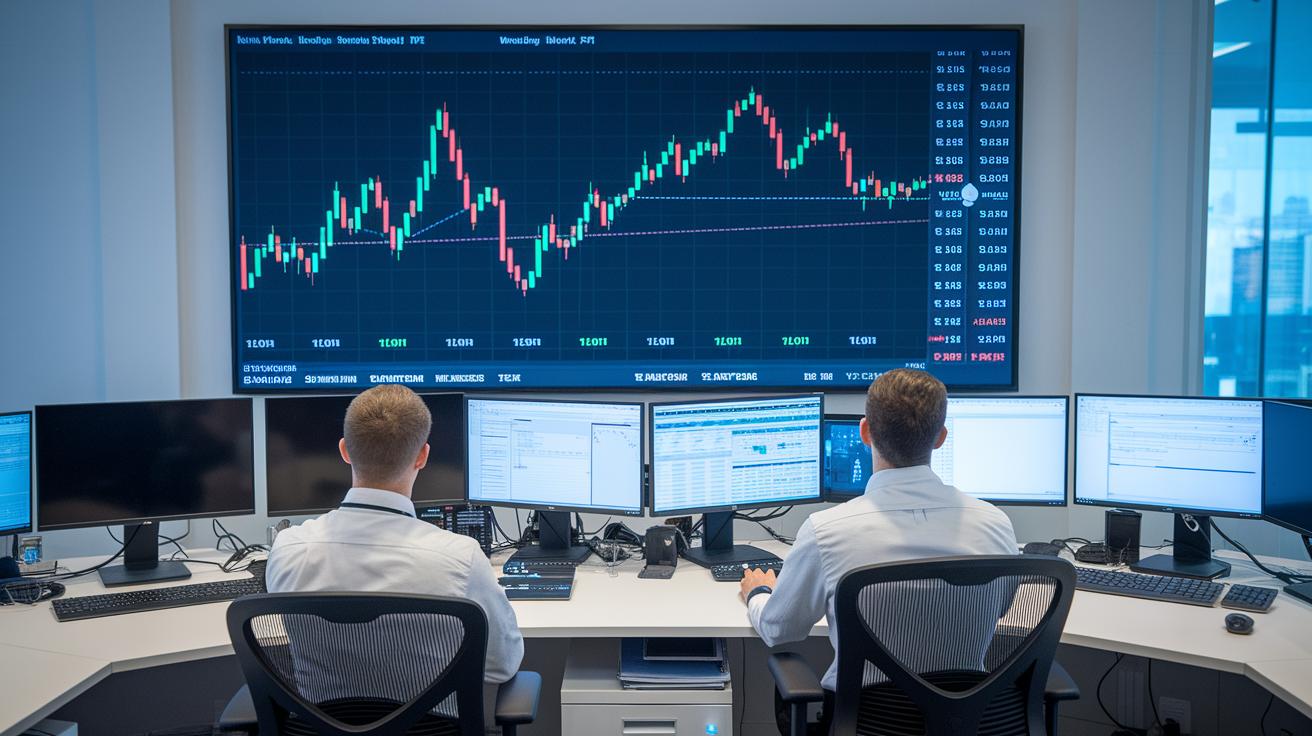
Timing really is key when selling your NFTs. Knowing when to exit can help you squeeze the most value from your digital asset and save you from bigger losses during tough times. It all comes down to watching signals like price changes, shifts in trading volume, and overall market mood.
Price moves are one of the first hints to look out for. When a price starts to fall after hitting a high, that might be your cue to step back. And if you see trading volumes spiking, it can mean that lots of people are selling, especially when the market sentiment isn’t great. For instance, back in 2024, the NFT market dropped 19% after a famous tweet caused panic and a big investor sold off a huge collection. It’s a clear sign that social media buzz and big moves can really shake things up.
Studying market trends and cycles is also important. Looking at past price data and project roadmaps can help you tell the difference between a short-term dip and a longer market shift. When you keep an eye on how the market feels and the volume of trades, you’re better positioned to decide the right moment to sell without getting swept up in fear or excitement.
Putting these signals together gives you a solid roadmap for when to exit. By keeping tabs on price, volume, and sentiment, you can set clear sell points. With these action-driven insights, you can plan your sell orders ahead of time, helping you protect your gains and manage risk as the market changes.
Implementing Risk Management in NFT Exits
When you're ready to step away from an NFT, make sure your plan fits your own risk comfort and long-term money goals. Only use funds you can afford to lose, and set your exit rules before jumping in. This keeps your emotions in check and makes every move part of a clear, thought-out plan.
It’s important to stick to a set budget for each NFT trade. Pairing that budget with automatic stop-loss orders can help cut losses when prices fall to a level you decide ahead of time. Tools like crypto investment calculators can help find the right thresholds. This setup means your sale triggers automatically during wild market swings, so you don’t need to watch every minute change.
Keeping to your plan is key. Try not to make snap decisions based on market hype. Regularly checking your strategy can show you when to adjust your portfolio and handle any drawdowns. Taking a steady, measured approach helps your NFT investments grow over time, and staying true to your risk rules is just as important as picking the right asset each time.
Leveraging Analytics & Platforms for NFT Exit Execution
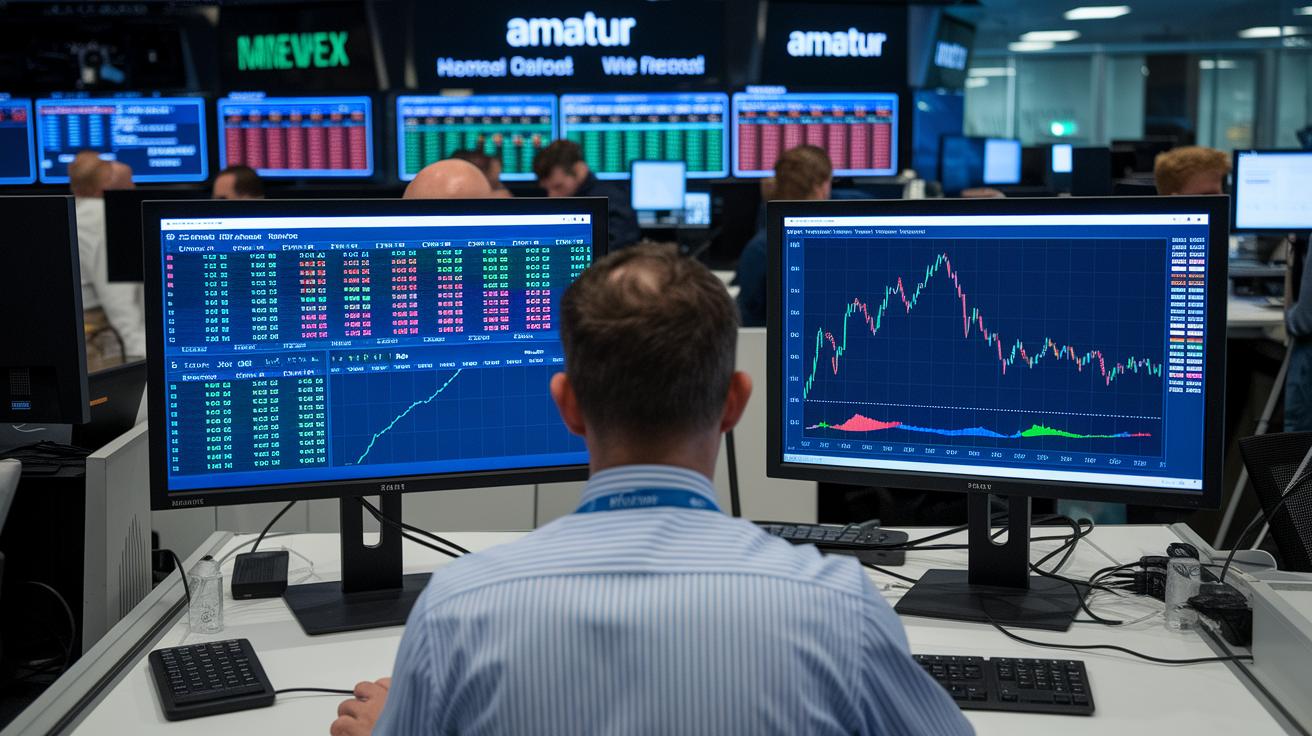
When it's time to exit your NFT, using the right tech can really make a difference. Tools like sentiment dashboards, trading bots, and real-time data apps help you spot market changes right as they happen. You can see shifts in trading volume and price trends that tell you when it might be a good time to sell.
Analytics Platforms
Analytics platforms keep you in tune with the market's mood and activity. For example, a sentiment dashboard shows how collectors feel about a particular NFT when big moves hit the market. Real-time feeds let you watch price changes and see when buyers are stepping in or backing off. And here's a neat fact: a sudden drop in volume might hint at a market shift that signals it’s time to sell.
Decentralized Marketplaces
Decentralized marketplaces have a mix of listing options, from fixed-price sales to auctions. When you compare platforms like OpenSea and Rarible, you'll find each one attracts different types of buyers. Listing your NFT in a timed auction might catch the rush of interested collectors and boost your profits.
Smart Contract Sale Triggers
Smart contract triggers can automatically prompt a sale when your NFT hits a target price within about a 10% range. This means you can set your sale rules ahead of time without constantly watching the market. These triggers execute your orders automatically, reducing the chance of manual mistakes and timing risks.
Remember, keeping your digital wallet secure is crucial throughout this process. Use two-factor authentication and update your passwords regularly to protect your assets while you take advantage of automated sales.
Tax & Compliance Considerations for NFT Exits
When you're planning your NFT exits, you need to think about the taxes that come with converting digital assets into cash or another asset. Every time you sell or trade, it might trigger a tax event on your crypto gains. For example, if you sell an NFT and make a profit, that profit could be taxable. So, it's smart to set clear targets and keep an eye on every transaction.
It helps a lot to maintain detailed records so you know exactly how much tax you owe on your crypto gains. Keeping track of your purchase costs and sale details, like the dates, prices, and any fees you paid, makes it easier to report your gains. This way, you’re ready for tax filing time and any potential audits.
Talking to a tax expert and using reliable crypto-tax tools can also be a big help. This is especially useful when you’re selling near the end of the year or when your NFT holding periods vary. With professional advice and careful record-keeping, you can better manage your tax responsibilities while keeping your long-term financial plans on track.
Final Words
In the action, we explored clear exit paths for NFT investors.
We broke down target-price triggers, stop-loss orders, and timed sales to help manage risk.
The blog also showcased sale timing analysis, smart contract triggers, and tools for tracking market shifts.
We even touched on tax planning and compliance to optimize gains.
Using these exit strategies for nft investors as a guide, you can make smart moves that help balance profit realization with risk management.
Keep these insights in mind as you maneuver through your digital investment decisions.
FAQ
What are some free exit strategies for NFT investors?
The free exit strategies for NFT investors include methods like setting target-price triggers, stop-loss orders, phased selling, timed auctions, and peer-to-peer sales, all designed to lock in gains while limiting losses.
What crypto exit strategy tools can be useful?
The crypto exit strategy tools, such as spreadsheets and calculators, assist investors in planning and monitoring exit targets and risk levels, making it easier to adjust positions based on market movements.
What is the best crypto exit strategy?
The best crypto exit strategy depends on careful planning by setting personal risk tolerance levels, predefined targets, and stop-loss guidelines, allowing investors to secure gains and protect against sudden downturns.
What are the three main exit strategies in crypto and NFT investing?
The three main exit strategies involve predetermined profit targets, stop-loss orders to limit losses, and phased selling to gradually secure profits during market upswings.
What is the 1% rule in crypto?
The 1% rule in crypto suggests that investors should risk no more than one percent of their total portfolio on a single trade, helping to manage overall risk and avoid heavy losses.
What is the best marketing strategy for NFT projects?
The best marketing strategy for NFT projects focuses on building an engaged community, leveraging platforms like OpenSea, and clearly communicating the unique value of each digital asset to potential buyers.
What is OpenSea in the NFT marketplace?
The OpenSea platform serves as a major NFT marketplace that facilitates the buying, selling, and trading of digital assets using both fixed-price and auction formats.
What is Uniswap in the crypto space?
The Uniswap platform functions as a decentralized exchange that allows users to swap cryptocurrencies directly, without relying on traditional intermediaries.
What is the XRP Ledger?
The XRP Ledger is a blockchain system that supports fast and low-cost cryptocurrency transactions, providing a reliable platform for various digital financial applications.
What is Coinbase known for?
The Coinbase platform is widely recognized as a user-friendly cryptocurrency exchange that offers services for trading, buying, and securely storing digital assets.
What is SuperRare?
The SuperRare platform is a curated marketplace for digital art, where artists offer unique and limited-edition NFT artworks verified on the blockchain.
What is Binance in the context of crypto exchanges?
The Binance platform stands as a leading global crypto exchange, offering a wide range of services including trading, staking, and innovative token offerings to cater to diverse investor needs.