
Ever wondered why one NFT can be super valuable while another barely makes a blip? There's no one magic formula for figuring out an NFT’s worth. It's like solving a puzzle where every piece, whether it's licensing fees, rarity, cool extra perks, or the latest market trends, adds up to the big picture.
In this post, we take a look at several ways to price digital collectibles. By mixing these ideas, you can gain insights that might just help you spot profitable opportunities.
Essential NFT Valuation Models Overview

NFTs come with special features that make them hard to price with just one method. Each digital asset might include things like licensing fees, rarity, past trends, and extra rights. Because of this mix, relying on a single model can mean missing important market hints.
And you know, big trends in cryptocurrencies like ETH and BTC often sway NFT prices, in both crypto and regular dollars. Since NFT values can change fast, blending old-school ideas with fresh methods helps keep up with the rapid shifts.
- Discounted Cash Flow (DCF) Model – It estimates value by looking at expected licensing and royalty payments.
- Market Comparable Approach – This method checks recent sales of similar NFTs, though quick price swings sometimes throw it off.
- Rarity Scoring Systems – It measures how scarce an NFT is by counting editions and unique features that collectors love.
- Utility-Based Valuation – This checks in on what extra benefits an NFT offers, like special access rights or membership perks.
- Sentiment and Trend Analysis – It turns social media buzz and market feelings into clues about where prices might go next.
These approaches work together to paint a full picture of an NFT’s worth. Each one highlights different sides of digital asset value, from anticipated cash flows to the feel-good impact of social trends and rarity. By using a mix of methods, investors can see both the hard numbers and the stories behind each NFT, helping them make smarter choices whether they’re into digital art, gaming items, or unique collectibles.
nft valuation models: Profitable Pricing Insights

When you're looking at digital collectibles, scarcity really makes a difference. It’s like when you spot something one-of-a-kind at a garage sale, you feel that extra pull to grab it. If an NFT is made in a small series, collectors see it as special. A limited edition or one with a rare trait often means it's more valuable. So, when an NFT is unique within a big sea of others, its appeal grows, and both buyers and enthusiasts are willing to pay a bit more for that standout piece.
| Rarity Metric | Description | Impact on Value |
|---|---|---|
| Edition Count | Total copies produced | Fewer editions boost its value |
| Trait Scarcity | How unique the special features are | Rare traits can command a premium |
| Collection Size | Total number of items | Smaller collections feel more exclusive |
| Historical/Cultural Significance | Links to important events or figures | Can add extra allure and market value |
There are handy tools and calculators that make it easier to score rarity. They take factors like edition numbers, special traits, overall collection size, and any cultural or historical links, and turn them into clear, easy-to-understand numbers. This helps both investors and collectors quickly figure out an NFT’s potential dollar value, especially in today's fast-moving market.
Utility and Revenue-Based NFT Valuation Models

NFTs can earn money in several ways, including royalties, licensing fees, and extra perks that give you a steady income over time. Imagine owning an NFT that works like a subscription service, paying you a little bonus each month.
The discounted cash flow method turns future earnings into today’s value. It estimates cash flows from royalties and license fees, then adjusts them based on what the market’s doing right now. So, if an NFT is expected to bring in $200 a year, after adjusting for market conditions it might be worth around $190 today.
Extra benefits, like membership perks or annual access to physical items, can add an extra boost to an NFT’s value. Thanks to smart contracts, which are automated digital agreements making sure you get your perks, these benefits are reliable. For example, an NFT that offers entry to an exclusive club might be priced higher because of the ongoing rewards it provides.
Market Approach in NFT Valuation Models

This method estimates the worth of an NFT by comparing its price with recent sales of similar items from the same collection. It works well when there’s plenty of sales data around, but rapid changes in prices or unusual trading practices, like wash trading, can throw off the fairness of the valuation.
To get a trustworthy read on the market, many investors look at the top NFT marketplaces. These platforms update hundreds of sale records quickly, helping you catch current market trends. It’s smart to check that the data is fresh by looking at a short, recent period, especially since NFT values can swing with changes in cryptocurrency prices. Choosing marketplaces known for active trading and careful reporting helps cut down on the risks of using dodgy data.
When picking which sales to compare, it’s important to filter out any outliers. By removing extreme high or low values that could skew the results, you’re left with a more consistent picture of the market. Investors might leave out unusually high bids or questionable trade patterns. In the end, fine-tuning the data this way builds a valuation model that more reliably reflects an NFT’s real market value.
Advanced Quantitative and Sentiment NFT Valuation Models

Models built on real data are now a handy tool alongside the old ways of pricing NFTs. They turn different digital hints, like chatter on Discord and search spikes on Google, into clear numbers that help investors feel the market’s vibe and even guess what comes next.
Sentiment Score Computation
We take everyday social signals, such as posts on social media, bursts of activity on Discord, and sudden jumps in Google Trends, and turn them into numbers based on how often they appear and how important they are. These figures are combined into sentiment scores that show exactly how the market is feeling right now. Analysts use simple math and careful checks so that even a quick social media surge is measured just right. Have you ever wondered how a single post can change what everyone thinks?
Predictive Price Modeling
Predictive price modeling uses tools like regression analysis, time-series forecasts, and even machine learning, basically, computer programs that learn from data, to predict where NFT prices might head next. By looking at past trends and current hints from both on-chain and off-chain data, these models offer ideas on future prices even when things are a bit up and down. It’s like having a friendly guide pointing out patterns behind the market’s twists and turns.
On-chain Data Analytics
On-chain analytics digs into live blockchain info such as the number of active wallet addresses, how many NFTs are being exchanged, and even how concentrated ownership is. Investors use blockchain explorers and real-time data feeds to gather these liquidity clues, which help adjust pricing models on the fly. This steady stream of data makes sure that NFT valuations remain as current as the market itself.
Risk and Volatility in NFT Valuation Models
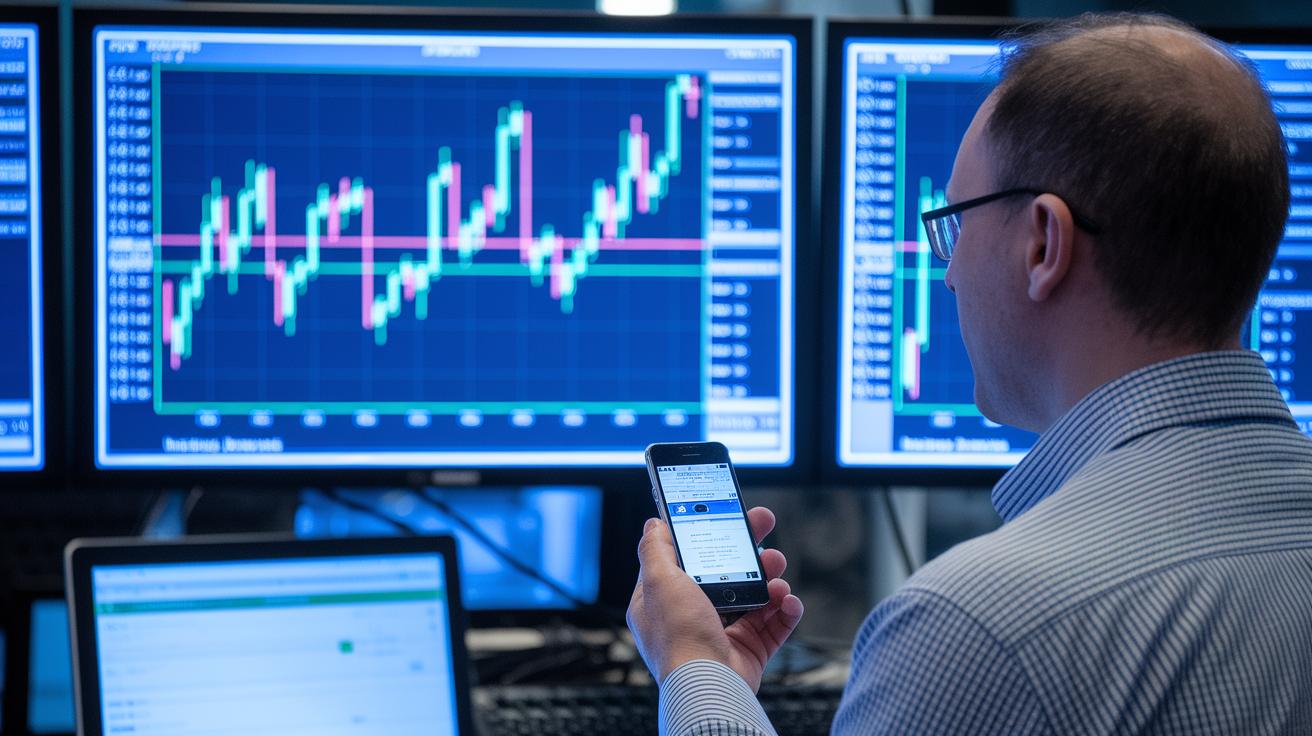
The NFT market can be pretty wild, prices that seemed steady one day might change completely the next. Because of this, it’s hard to use past data to figure out what an NFT is really worth today.
When NFTs don’t trade often, the gap between what buyers are willing to pay and what sellers ask for can be huge. This makes setting a fair price tricky. In these cases, models that check how easy it is to buy or sell an NFT can help a lot. Even a few small deals can skew the average price, so it’s smart to keep an eye on liquidity indicators. Tools that track market depth and how fast trades happen offer a clearer look at what’s really going on. This way, investors and experts can avoid boosting the value of rare NFTs that don’t move quickly and keep their pricing models steady even when prices jump around.
Having solid routines to check data and set risk limits is key here. Regularly reviewing market information helps catch odd trades or signs of price manipulation. This careful approach keeps the appraisal process reliable, even in a market known for its ups and downs.
Validating and Calibrating NFT Valuation Models

When it comes to digital assets like NFTs, it’s super important that our valuation models give us reliable results. Each NFT has its own unique traits and market habits, so investors need models that are both spot-on and ready to change with the market.
Backtesting Against Historical Sales
Backtesting is just a fancy term for testing a model with old data to see if it would have correctly guessed past sales. You take records of previous sales and line them up with what the model predicted. If the model often guesses too high or too low, that tells you where it might need a little tweaking. Running these tests regularly with clear measures helps you catch trends and spot little errors.
Sensitivity Analysis and Ongoing Calibration
Sensitivity analysis means you play around with key factors in your model, like how rare an NFT is or how easy it is to trade, to see how these changes affect the overall value. Sometimes even a small change can lead to big swings in the model’s outcome, which tells you it might be time for an update. By checking and adjusting your inputs every few months, you keep the model in tune with what’s happening in the market. Mixing in other appraisal techniques and listening to expert feedback can help you build a robust, adaptable model that handles market ups and downs with ease.
Final Words
In the action, we explored key frameworks that help make sense of NFT investments. We compared approaches like discounted cash flow, rarity scoring, utility-based pricing, market analysis, and sentiment models. Each method offers insights into risk and volatility while reinforcing how different techniques work together.
These nft valuation models provide a solid base for understanding today’s dynamic market. Embrace these insights as you shape a balanced investment strategy and move forward with confidence in the digital asset space.
FAQ
Q: What are the best NFT valuation models?
A: The best NFT valuation models combine multiple methods like cash flow analysis, market comparables, rarity scoring, utility-based valuation, and sentiment analysis to offer a full picture of an NFT’s market value.
Q: How is NFT portfolio valuation determined?
A: NFT portfolio valuation aggregates the unique metrics of each token, such as rarity, utility, comparable sales, and market sentiment, to provide an overall assessment of the portfolio’s worth.
Q: What is the NFT valuation model?
A: The NFT valuation model looks at factors like projected royalty income, historical sales data, rarity factors, utility benefits, and market sentiment to estimate an NFT’s price.
Q: How do you value an NFT?
A: Valuing an NFT involves analyzing expected cash flows, comparing similar token sales, assessing unique traits and usage rights, and considering market trends to determine its fair market price.
Q: Is NFT worthless now?
A: NFT value is influenced by scarcity, utility, and market trends, so while prices can be volatile, NFTs still hold potential worth even during market downturns.
Q: How much is the 69 million NFT worth now?
A: The worth of a 69 million NFT depends on current market conditions, similar sales data, and factors like liquidity and buyer interest, and its price can change quickly in a volatile market.