
Have you noticed more big companies diving into crypto these days? They used to be scared of the wild ups and downs of digital money, but now they’re mixing it into their regular investment plans. It’s like adding a new twist to an old recipe, a way to balance risk while still chasing rewards.
New rules and smart market moves are putting digital assets in the spotlight. Big firms are now using crypto as part of their overall strategy, showing a fresh, forward-thinking approach to today’s financial world.
Institutional Crypto Investing: Core Strategies and Market Trends

Institutional crypto investing used to be a side note, but now it’s a main part of big money portfolios. Big financial firms worldwide are mixing digital assets with their usual investments. Remember when many firms held back because they were scared of big price swings? Things have clearly changed.
As crypto becomes more accepted, institutions are switching up how they handle investments. Traditional managers now see that adding digital assets can boost a portfolio's balance, much like mixing modern trends with steady, reliable choices. This change shows a rising trust that’s reshaping the best strategies in institutional investing.
New rules and ETF news have added fuel to this trend. In early 2024, the SEC approved spot Bitcoin ETFs, like BlackRock’s iShares Bitcoin Trust, which brought billions of dollars into play. At the same time, the EU rolled out its MiCA regulation on December 30, 2024, giving a clear set of guidelines for digital assets. This more defined environment means investors can now create crypto strategies with clearer insights.
Hedge funds are also in on the action. Their exposure to digital assets jumped from 29% in 2023 to 47% now. Along with fresh innovations in trading platforms boosting liquidity and diversity, institutional investors are mixing solid, old-school methods with the fast pace of digital trends. Crypto investing has become a key part of a balanced and forward-thinking investment plan.
Regulatory Frameworks for Institutional Crypto Investing
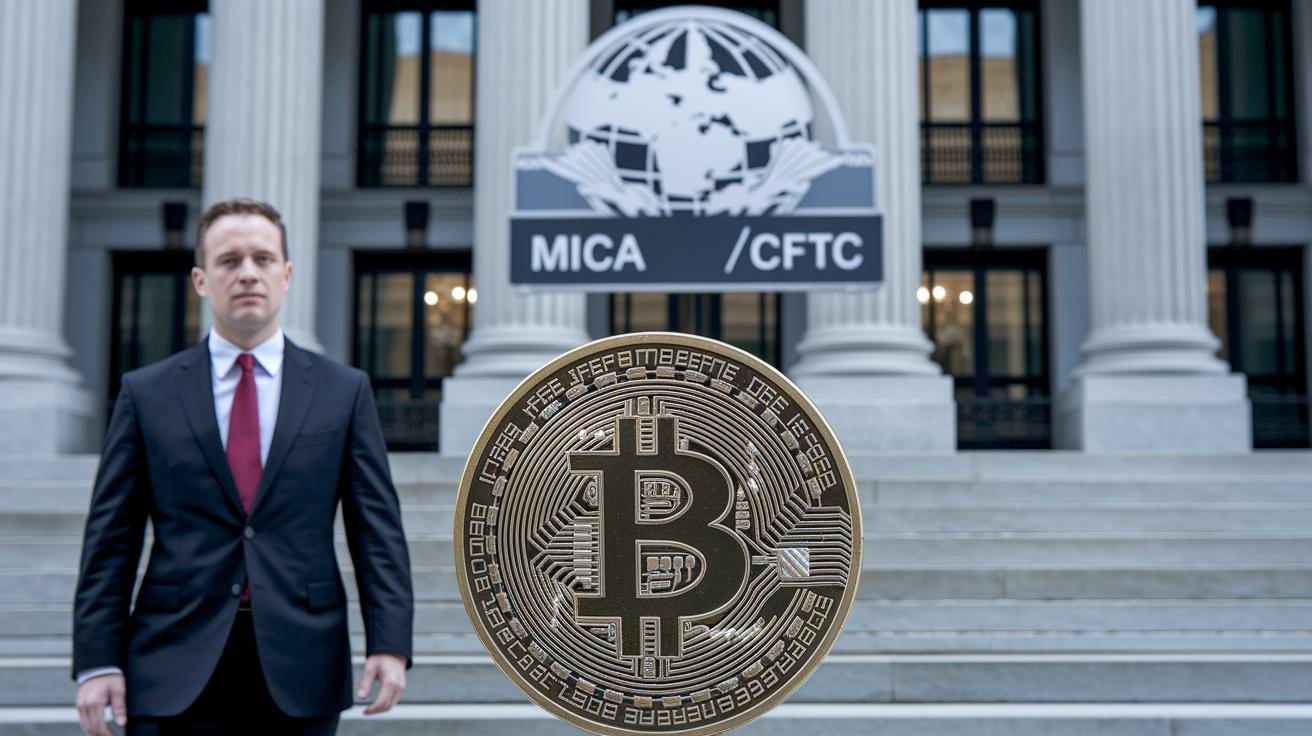
Clear rules are super important when big investors step into the crypto world. In recent years, these well-set guidelines have boosted trust and helped shape smart ways to invest. This kind of clarity isn’t just useful for reading the market, it also guides the choice of safe custody and compliance tools.
| Region | Regulation/Framework | Effective Date |
|---|---|---|
| EU | MiCA | 12/30/2024 |
| U.S. | SEC/CFTC Actions | 2023 |
| Singapore | MAS Licensing | 2019 |
| Hong Kong | Crypto Trading Framework | 2023 |
Take the EU’s MiCA rules as an example: they offer a single licensing system for crypto service providers and even for stablecoins. This unified approach gives institutions extra confidence as they explore digital markets. In the U.S., enforcement actions together with guidance from the OCC in mid-2020 have helped carve out safe ways to hold digital assets. Meanwhile, Singapore’s MAS licensing kicked off in 2019, and Hong Kong set up its own framework in 2023 to steer secure crypto trading for everyday investors.
Overall, these clear guidelines create a trustworthy foundation for institutional crypto investing. Investors can now lean on structured rules when picking platforms, assured that each region’s standards protect assets while still leaving room for innovation. In short, this level of uniformity not only sharpens market insights but also helps firms streamline internal processes, balancing risk management with strategic growth in the digital asset space.
Secure Custody Solutions and Compliance in Institutional Crypto Investing

When managing digital money, having strong security is a must. Big companies need trustworthy systems to keep their investments safe from risks. Believe it or not, before layered security was common, many institutions ran into big problems that forced them to completely rethink how they handle risk. This move toward tougher systems has really helped make the world of digital assets a safer place.
Take platforms like Coinbase Custody, Anchorage Digital, Fireblocks, and Copper. They’ve set up solid defenses using multiple layers of encryption (a way to scramble data so only the right people can read it) and careful checks on customers (AML/KYC, which just means making sure everyone is who they say they are). These measures were put in place after major mishaps in the past, like what happened at Mt. Gox. Their high-tech systems keep a close eye on every transaction, acting like a strong backbone for modern digital asset protection.
On top of all that, audit routines and compliance steps have gotten better, thanks to tools from Chainalysis and TRM Labs. These tools carefully track transaction histories and make sure firms follow all the rules, so handling institutional crypto assets stays both open and secure.
Portfolio Diversification and Risk Management in Institutional Crypto Investing

Institutional crypto investing has grown into a mix of traditional and digital asset strategies. Many top funds now create portfolios that combine regular cash investments with options like staking rewards, DeFi yield methods (which let you earn a bit extra on your digital holdings), and assets that tie back to real-world items. Think about it like making an investment smoothie where every ingredient adds its own unique flavor. By mixing liquid assets you can quickly trade with longer-term holdings, these institutions aim for steady growth while keeping risk in check.
Many investors also use instruments like futures and options to help shield their portfolios. They often trade things like CME-listed Bitcoin and Ethereum futures, which work like a protective cover when sudden price drops occur. Imagine it like using an umbrella during a heavy rainstorm, it helps keep you dry even if the weather turns bad.
Another essential part of the strategy is keeping enough cash on hand and ensuring the blockchain part of the portfolio runs smoothly. Institutions must be ready to change positions fast when the market shifts, so having liquid assets is key. They also need to merge digital and traditional investments easily, a challenge that firms tackle with smart liquidity strategies. With some forecasts predicting tokenized assets might hit $600 billion in assets under management by 2030, getting these systems right is more important than ever.
Innovative Trading Platforms for Institutional Crypto Investing

Custodial OTC and Trading Desks
Institutional investors often rely on dedicated OTC desks that make executing massive trades a breeze. These platforms combine active trading with secure, institutional-level storage, imagine a safe vault right next to your trading desk, ensuring every market move is quick and secure.
Permissioned DeFi Networks
Permissioned DeFi networks are quickly catching on among institutions. With pilots like JPMorgan Onyx and Aave Arc, these systems bring built-in checks such as KYC measures. They offer a controlled version of decentralized finance where only trusted players get in. It’s a smart blend of regulatory confidence with the fast pace of digital asset innovation.
Tokenized Fund Platforms
Tokenized fund platforms are leading the charge in merging traditional fund strategies with blockchain technology. For instance, BlackRock’s USD Digital Liquidity Fund was tokenized on Ethereum back in late 2023. Much like the Visa–Circle settlement done on Solana using USDC, these platforms enable near-instant cross-border payments and stablecoin settlements. It’s an innovative mix of liquidity management and digital asset strategies tailored for modern institutional investors.
Future Outlook and Projections in Institutional Crypto Investing

Recent surveys show that many experts are warming up to digital assets. Paradigm’s “TradFi Tomorrow” survey from March 2025 asked 300 finance professionals about crypto. Over 70% now believe digital assets are essential for a balanced portfolio. This shift comes as investors notice that crypto can work well with traditional investments because blockchain offers clear and honest records.
Looking ahead to 2025-2027, new rules and tech improvements are set to change the game. Regulators are working on stablecoin rules to ensure everyone plays by the same guidelines, and better blockchain technology is making transactions faster and cheaper. Meanwhile, fresh ways to earn yields are catching attention as digital asset tools blend more seamlessly with traditional finance. Just picture it: a financial world where blockchain speeds up cross-border payments, clearing the way like an expressway for smoother trades.
Over the long term, tokenizing assets could really shake things up for big investors. Some experts believe that by 2030, tokenized assets might unlock up to $600 billion in managed assets. This shift could cut down on paperwork, speed up settlements, and even bring new options like tokenized bonds to the table. In short, as blockchain becomes a regular part of investment strategies, it could completely reshape risk management and growth opportunities.
Final Words
In the action, we traced the movement of institutional crypto investing from fringe activity to core portfolio allocation. We reviewed how evolving regulatory guidelines, secure custody solutions, and innovative trading platforms form the backbone of modern digital asset strategies.
We also examined methods for diversifying holdings and managing risk through practical, data-driven techniques. The blend of expert trends and tangible market insights sets a solid path ahead, making digital asset strategies a promising choice for those aiming to grow their investments.
FAQ
What is institutional crypto investing strategy and are PDF guides available?
Institutional crypto investing strategy refers to how big-finance entities add digital assets to their portfolios. Many PDF guides offer clear insights into planning, market trends, and risk management for such strategies.
What does an institutional crypto adoption PDF for 2025 outline?
An institutional crypto adoption PDF for 2025 outlines expected growth in regulated digital asset use, forecasting how clear rules and tech shifts could drive more financial institutions to include crypto in their portfolios.
Who are the major institutional crypto investors and who make up the Big 3?
Major institutional crypto investors include well-known companies like BlackRock, Fidelity, and Grayscale. These firms, often cited as the Big 3, lead the market with significant Bitcoin and broader crypto investments.
What can we expect from institutional Bitcoin investment in 2025?
Institutional Bitcoin investment in 2025 is expected to rise due to clearer regulations and new ETF approvals. This shift may position Bitcoin as a core asset in many institutional portfolios, driving further adoption.
Which cryptos are institutions buying?
Institutions usually buy established digital assets such as Bitcoin and Ethereum because of their market maturity. They also explore promising tokens that show strong fundamentals and offer clear real-world applications.
What are some prominent crypto investment firms and fund of funds?
Prominent crypto investment firms such as Coinbase Custody, Anchorage Digital, and Fireblocks lead the industry. A variety of crypto fund of funds also specialize in managing digital asset portfolios tailored for institutional investors.
Who are considered top Bitcoin traders?
Top Bitcoin traders include both institutional trading desks and specialized proprietary trading firms. They leverage advanced technology and deep market insights to execute high-level strategies in the Bitcoin market.