
Ever wonder if clear numbers can change our view of NFTs? When you track details like total sales and the lowest price for an NFT, you’re not just guessing anymore, you’re making smart moves. It’s like going from a fuzzy picture to a crisp, clear one. Even basic data like trading volume and liquidity give us a quick peek at market trends and help spot risks fast. In this post, we chat about how these numbers guide our decisions, making NFT investing easier to understand. So, buckle up and see how precise figures can lead to smarter, more confident choices in the NFT world.
nft performance metrics Fuel NFT Breakthroughs
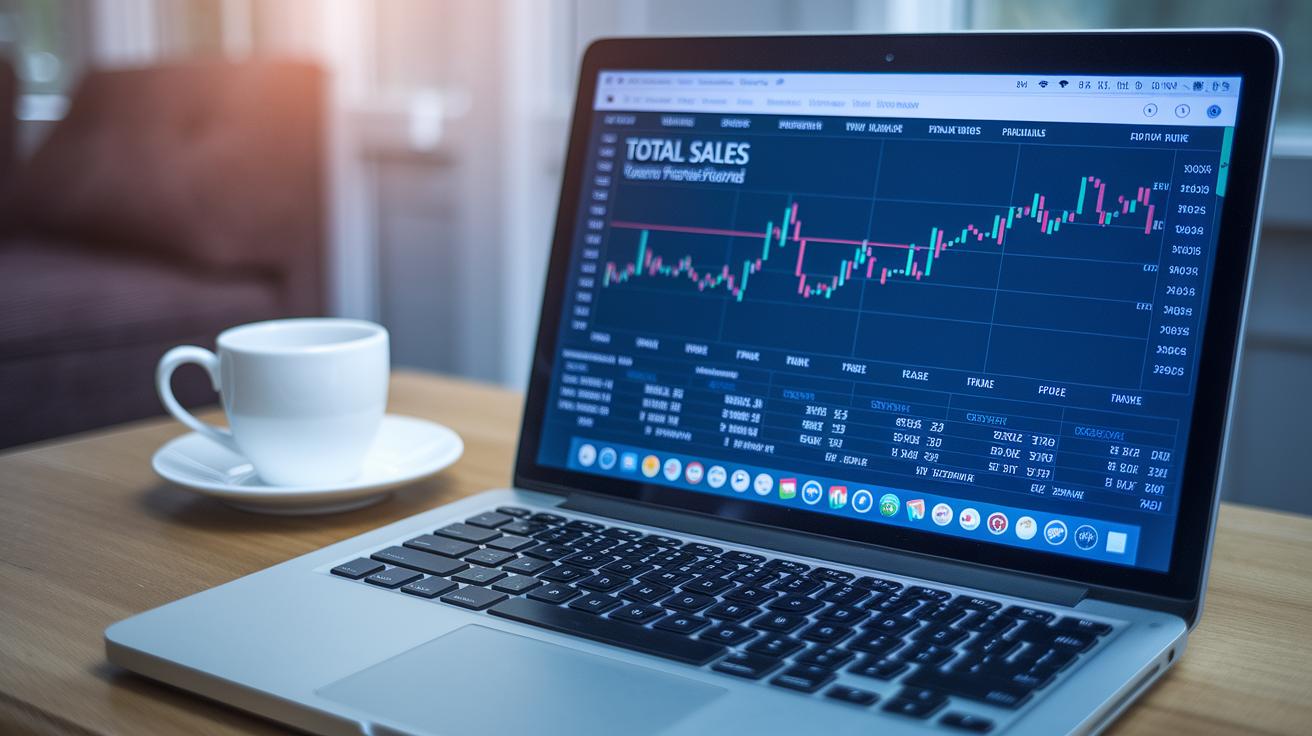
Digital collectibles really come to life when you back them up with clear numbers. By keeping track of things like the total sales count and average sale price, you get a quick peek into market trends and spot potential risks. It’s like having a friendly guide that lets you know when to be excited or cautious.
Relying on these number-crunching methods helps you move beyond gut feelings. When you look at figures such as trading volume and floor price, you’re not only seeing cash flow details but also the basic value everyone believes an NFT holds. Each piece of data acts like a checkpoint, helping you manage risks and decide if an NFT is worth your time.
- Trading Volume: This sums up all sales in a given period, showing you just how lively the market is.
- Floor Price: This is the lowest price you’ll find for an NFT in the collection and sets the basic market tone.
- Liquidity: Look at factors like turnover rates and bid-ask spreads to see how easily you can trade these assets without a big price jump.
- Market Sentiment: By comparing buy and sell actions along with social buzz, you get a feel for the community’s mood.
- Rarity Score: This model scores an asset based on its traits, helping you see how rare, and potentially valuable, it might be.
Using these clear numbers lets investors fine-tune their strategies, adjust risk levels, and catch new trends early. Isn’t it cool how a few simple metrics can make NFT investing so much clearer?
Measuring NFT Trading Volume and Liquidity
Total trade volume shows how many NFT sales happened in a day, week, or month. We get this by simply adding up every sale made during that time. Think of it like counting how many people walked into a store in a day, it gives you a quick feel of the market's buzz.
Liquidity tells us how easily NFTs can be traded. We check this by looking at the turnover rate, the percentage of NFTs sold compared to the total available, and by measuring the gap between the lowest price sellers ask and the highest price buyers offer. For example, in early 2023, CryptoPunks traded about 50 ETH daily, while another project similar to Bored Ape Yacht Club had a 12% turnover rate. This shows how rapidly assets change hands, making it easier to buy or sell them.
When trading volumes are high and turnover rates are swift, it indicates a market where NFTs exchange hands smoothly and prices remain fairly steady. This kind of insight helps investors decide which collections might offer a more relaxed trading experience and better market stability.
Floor Price Tracking and Rarity Score Evaluation

Keeping track of the floor price means checking data from many different marketplaces. The floor price is just the lowest price you’ll see on an active listing at any given time. Many tools combine data from various sources, like listing APIs, user reports, and live feeds, to give you a full picture of the market. This approach helps investors see real-time shifts in NFT values and compare trends across different platforms.
Pairing floor price details with rarity score insights gives you a heads-up on market trends. When rarity scores shift noticeably, it might mean collectors are zeroing in on certain traits, which can push the floor price higher. With these insights, you can adjust your bidding strategy and make smarter moves on upcoming listings.
| Metric | Description | How It’s Calculated |
|---|---|---|
| Floor Price | The cheapest price available right now | Finds the lowest price among all active listings |
| Rarity Score | Shows how unique an item is based on its traits | Uses a custom index based on how often each trait appears |
| Scarcity Index | Gives a measure of how limited an item is | Calculated by taking the inverse of the sum of trait frequencies (rare traits boost the score) |
| Trait Frequency Impact | Reflects the effect of common and rare traits | Based on the overall distribution of traits in the collection |
When you blend rarity insights with floor price tracking, you can spot trends faster. If rarity scores jump, it might signal that collectors are focusing on specific traits, which could drive up prices. With this kind of info, you can fine-tune your strategy and make better decisions about where and when to bid.
Understanding Holder Behavior and Market Sentiment

Ever wonder why counting different wallet owners matters? By tracking how many folks hold an NFT, you get a clear view of the ownership spread. When ownership is shared among many users, it usually keeps the market steadier, since no one wallet has too much sway. But if just a few wallets own most of the NFTs, their choices can move market sentiment, making it riskier.
Another neat trick is watching for first-time buyers. When new wallets pop up, it shows fresh interest and that people are keen to get involved. Plus, looking at special deals done off the usual exchanges can highlight savvy investors making smart, strategic moves. Together, these indicators help you see a fuller picture of buyer behavior beyond just simple sales numbers.
Finally, social media chatter is a huge hint about community mood. Checking places like Twitter and Discord lets you know how often and how passionately people are discussing an NFT project. When the buzz is high, it often means strong investor confidence, which can lead market trends. In short, keeping tabs on digital discussions is a practical way to gauge a collectible’s potential.
Advanced Analytics Tools and Frameworks for NFT Metrics

If you want to check how NFTs are doing, you need smart tools that show all the on-chain data in one clear view. Picking the right software means comparing tools that offer easy API access, steady data streams, and plans that fit your budget. With these tools, you can use SQL queries and visual charts to track real-time trading volumes, floor price changes, and other key numbers. This tailored setup helps you spot shifts in market mood early.
On-Chain Data Analytics Platforms
Top platforms like Dune Analytics, Nansen, and Rarity.Tools make it simple to pull and study blockchain data. They give you easy API access and let you run SQL queries to see wallet movements, transaction trails, and other on-chain events. Each platform has its own pricing, so you can choose one that suits the size of your investments. Some work on a subscription basis, while others charge as you go. This variety means you can easily compare trends across different NFT collections without breaking the bank.
Performance Dashboard Setup
Setting up a live dashboard is easier than you might think. First, link the OpenSea API and bring in on-chain data to display live numbers like trading volumes and floor prices. Then, set up charts that refresh automatically to show daily shifts and swings. You can use SQL queries to gather all the data and add alerts that warn you when things hit important levels. Automated reports keep you posted on sudden changes, and regular reviews backed by solid data help confirm your choices. This step-by-step method makes sure your dashboard stays a trusted guide in managing risk and keeping track of market moves.
Benchmarking and Comparative Evaluation of NFT Projects

When you’re comparing NFT collections, it helps to use basic numbers like the median sale price, total volume, how many items are listed, and the average time it takes to sell an item. Methods like Z-score normalization can put collections of different sizes on the same level, making it easier to see how they really stack up. For example, one blue-chip collection in the first quarter of 2023 had a turnover rate that was 20% higher than another, meaning trades moved faster. This method makes comparing projects fair and clear.
It’s also important to consider extra factors, like fee structures on NFT marketplaces. These fees can change key numbers, so adjusting the figures helps you get a true side-by-side look. Many studies mix in several measurements from both primary and secondary markets. These broader views give you a good idea of each project’s market energy.
Looking at NFTs this way gives you insights that you can actually use for your investment decisions. When you combine normalized data, it shines a light on strengths like liquidity and overall market buzz. These signals can point to which collections might offer more stable growth and better value in the long run.
Final Words
In the action, we explored key aspects of smart NFT investments. We broke down trading volume, liquidity, floor price tracking, rarity score, and investor sentiment. Each point shows how data guides smart decisions in a fast-moving market.
With nft performance metrics at your disposal, you now have a clear path to monitor trends and manage risk. Keep building on these insights to make your digital asset strategy more robust and responsive.
FAQ
NFT chart analysis
NFT chart analysis refers to evaluating visual representations that display trends in sales, prices, and market interest for NFT collections. It aids investors in quickly spotting shifts and understanding performance over time.
NFT trading volume chart
NFT trading volume charts display total sales over specific periods. They help investors see daily or weekly trends, making it easier to gauge market activity and liquidity in NFT collections.
NFT price history graph
NFT price history graphs show past pricing trends of digital assets. They help users recognize patterns and provide a basis for anticipating future price movements in various NFT collections.
NFT volume by blockchain
NFT volume by blockchain measures trading activity across different blockchains. It offers insights into which networks have higher transaction counts, helping investors compare activity levels and market dynamics.
NFT market cap chart
NFT market cap charts illustrate the combined value of NFT collections over time. They allow investors to understand the overall market size and observe fluctuations in the asset values within the sector.
NFT price today
NFT price today highlights the current listing price or average sale price of a digital asset. It gives investors a quick snapshot of valuation to guide immediate trading or investment decisions.
NFT volume by marketplace
NFT volume by marketplace shows trading activity on specific platforms. It helps users identify which marketplaces drive higher sales, offering insights into platform popularity and user engagement levels.
NFT market cap over time
NFT market cap over time tracks the changes in overall market value of NFT collections. It gives investors historical context, showing growth or declines that inform long-term investment research.
Is NFT still profitable in 2025?
NFT profitability in 2025 depends on market trends and individual collection quality. Investors must analyze key performance metrics and market sentiment to determine potential gains before committing funds.
Is NFT worthless now?
NFT value is dynamic and influenced by demand, rarity, and market activity. While certain collections may underperform, many NFTs still hold value when evaluated using performance metrics and marketplace trends.
Why are NFTs no longer popular?
NFT popularity can decline as market interest shifts and newer digital assets emerge. Changes in investor sentiment and evolving trends may lead some to perceive NFTs as less attractive over time.
How to measure blockchain performance?
Measuring blockchain performance involves reviewing transaction speed, throughput, and reliability. Investors use quantitative data and liquidity indicators to assess overall network efficiency and stability.