
Ever thought your crypto could earn rewards all while it just sits there? It’s a lot like putting money in a special savings account. You lock up your tokens, and as they help verify transactions to keep the network safe, you earn a bit of extra cash.
Back in 2013, early projects showed that staking was a smart way to help networks without using up huge amounts of energy. Your tokens work quietly in the background, boosting network safety, and maybe even growing in value.
This might just be the smart move your crypto portfolio needs. Isn’t it cool to see your digital assets doing double duty?
Crypto Staking Definition: What Staking Means in Crypto

Crypto staking is when you lock up your digital tokens in a safe contract on a proof-of-stake blockchain. Think of it like putting your coins in a special savings account that not only keeps them secure but also helps the network verify transactions. In return, you earn rewards as your tokens work to support the system.
It all started back in 2013 with Peercoin by Sunny King and Scott Nadal. They introduced staking as a more energy-friendly way to secure transactions compared to traditional mining, which uses a ton of power. Picture your funds quietly boosting network safety while slowly growing in value.
There are two main roles in staking. Validators run nodes that check new blocks and get rewarded directly, while delegators lend their tokens to these validators and share in the rewards. This teamwork helps keep the network steady and makes sure everyone plays fair because any mistakes can lead to penalties.
In short, staking is a way to support blockchain operations and earn passive rewards. The more you stake, the higher your chance of getting extra tokens, which makes it a great option for anyone interested in crypto.
Mechanics of Staking Crypto: How Delegation and Rewards Work

When you stake crypto, you’re basically locking up your tokens to help run the network, either by being a validator yourself or by letting someone else do the work through a smart contract. Think of it as placing your coins in a secure digital vault that not only protects them but also grows your stash over time.
First, you need to pick a proof-of-stake network that matches what you're looking for. Then, you set up a staking wallet or sign up on a staking platform and move your crypto into a special staking contract. Once your coins are locked, you join a system that chooses validators based on how many tokens each person has staked. Basically, the more tokens you lock, the better your chances are of processing a transaction, which in turn bumps up your potential rewards, usually measured as an annual percentage yield (APY).
Here’s a quick rundown:
| Step | Action |
|---|---|
| 1 | Pick a proof-of-stake network |
| 2 | Set up a staking wallet or use a platform |
| 3 | Transfer your crypto into the staking contract |
| 4 | Lock more tokens to boost your chances of validation |
When a validator adds a new block to the chain, they earn rewards a bit like collecting interest from a savings account. But if a validator misbehaves or is offline, a penalty called slashing occurs, meaning they lose part of their staked funds. It’s like a safety net that keeps everyone honest, if you don’t play by the rules, you pay the price. This mix of rewards and penalties helps keep the network secure and running smoothly.
Staking Crypto Platforms: Top Networks and Exchanges to Stake Coins

Major proof-of-stake networks like Ethereum, Cardano, and Polkadot have earned a solid reputation for their staking services. In 2022, Ethereum switched to a staking model, which cut down energy use and grabbed global attention. Cardano, handling around 1,000 transactions per second, and Polkadot, known for linking different blockchains, each bring unique perks for those who stake their tokens.
If you prefer an easier route, platforms like Coinbase and Binance simplify the process by taking your tokens and handling the tech side for you. With custodial staking on these exchanges, you can expect annual rewards ranging from about 5% to 15%. It’s a bit like planting coins in a garden, give them some care and watch the rewards grow.
For those who love to be in full control, self-custody options via ledger or software wallets let you manage your own assets. This method keeps you in charge, though it might require a little extra technical know-how and meeting minimum stake requirements.
| Option | Benefit |
|---|---|
| Centralized Exchanges | Simpler setup and moderate APYs |
| Self-Custody | Full control and flexibility |
Staking Crypto Benefits: Earning Yields and Securing Networks

Staking your coins is like putting them in a high-yield savings account. When you stake crypto, you earn extra tokens as passive income, slowly growing your holdings over time, just like earning interest at a bank. Imagine your digital coins quietly increasing in value, similar to seeds growing into a thriving garden.
Staking doesn’t just bring rewards; it also helps keep a network safe and stable. When you lock up your tokens, you assist in validating transactions, which means the network works smoothly and securely. Your staked assets actively support the overall health of the system.
Here are some of the main benefits:
| Benefit | Description |
|---|---|
| Passive Income | Earn extra tokens, much like earning interest from a savings account. |
| Enhanced Security | Your active participation helps secure the network. |
| Supply Reduction | Locking tokens can decrease the circulating supply and potentially boost token value over time. |
| Compounding Rewards | Some platforms offer automatic compounding, speeding up your yield growth. |
In short, staking offers a way to earn rewards while bolstering the network’s infrastructure. It’s a mix of growing your income and supporting a secure digital system, a strategy that many investors find really appealing.
Staking Crypto Risks: Lock-Up, Security, and Regulatory Concerns
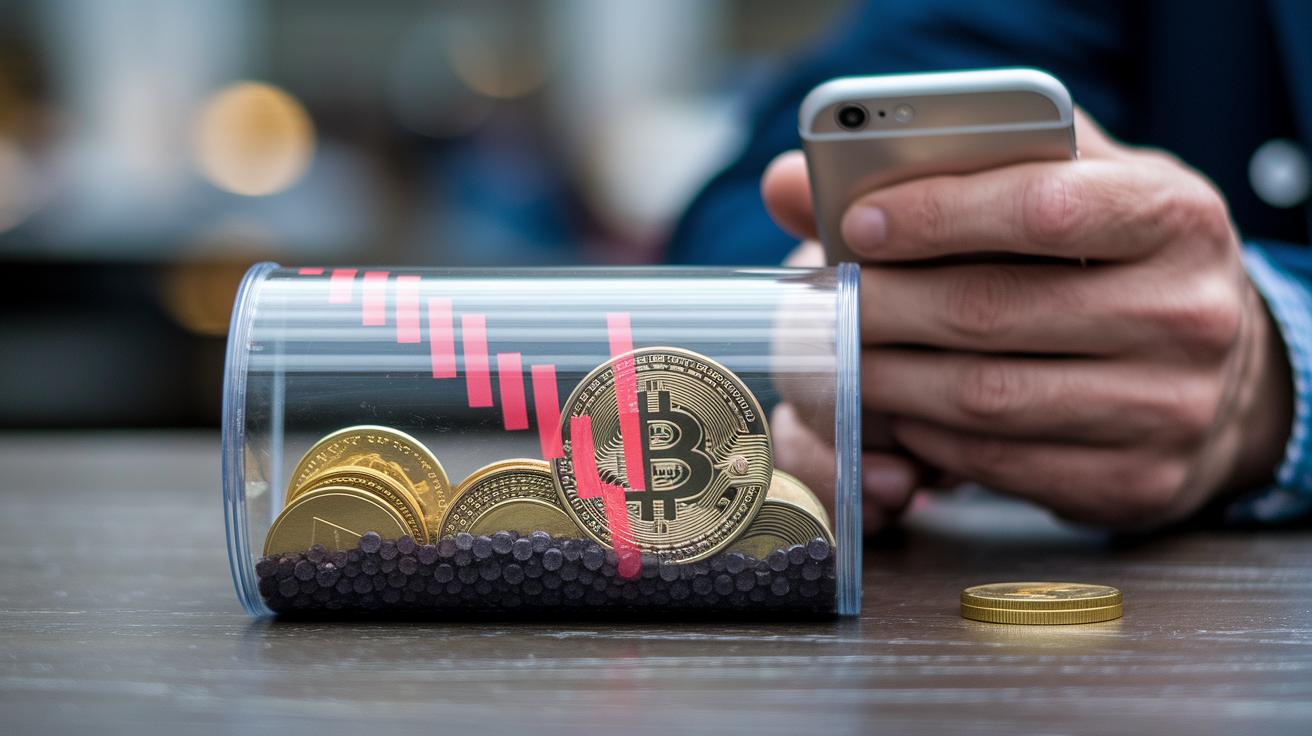
When you stake your crypto, you’re effectively locking it away for a set time, could be days or even months. That means if you suddenly need cash or if the market dips quickly, your funds aren’t easily available. It’s a bit like having your money in a time capsule, you can’t get to it right when you need it most.
And there’s more to consider. Market ups and downs might lower the value of your staked crypto before you even earn your rewards. Plus, if a network validator messes up or goes offline too long, you might face what’s called “slashing.” In simple terms, that’s a penalty that can cut into your returns, reducing the assets you hoped would grow.
On top of that, using centralized platforms, even though they’re usually easy to use, brings its own set of worries. They can get hacked or even go bankrupt, leaving you in a tight spot. There are also new legal rules coming into play, adding another layer of uncertainty. If you’re curious about these shifting regulatory challenges, you might want to check out this resource on crypto regulatory risks: https://cfxmagazine.com?p=36280. It’s a good reminder to think carefully about your staking strategy.
Final Words
In the action, we’ve covered crypto staking from its basic definition to how delegation and rewards operate. We walked through top platforms, illustrated the benefits of earning yields, and flagged the risks of locking funds. This guide paints a clear picture of what does staking mean in crypto, balancing the allure of passive income with real market challenges. Stay curious, manage your risks thoughtfully, and keep reevaluating your strategies as the digital asset market evolves.
FAQ
What does staking mean in crypto?
Staking in crypto means locking up tokens in a wallet to help validate transactions on a Proof-of-Stake blockchain. This process allows token holders to earn rewards while supporting network security.
Is staking crypto worth it?
Staking crypto can be worth it if you seek passive income and want to support network operations. It offers reward potential but comes with risks like market swings and token lock-up periods.
Is staking crypto safe?
Staking crypto is generally safe when using reliable platforms and robust security practices. However, risks include market volatility and potential issues with the staking provider, so verify security before starting.
What is the highest APY available for crypto staking?
The highest APY for crypto staking varies by coin and platform, typically ranging from 5% to 15%. Rates may change with market conditions, so current comparisons are essential for accurate figures.
Can you stake Bitcoin?
Bitcoin itself uses Proof-of-Work, so it cannot be staked natively. Some services offer wrapped Bitcoin staking, but traditional Bitcoin does not support staking on its protocol.
Can you take your money out of staking?
You can take your money out of staking, but your funds remain locked during the unstaking period, which may span days to months. This lock-up limits access during sudden market changes.
Is staking better than holding crypto?
Staking may offer better returns than holding crypto since it generates rewards while supporting the network. Yet, staking ties up your funds, so consider liquidity needs against potential yields.
What are the risks of staking crypto?
Staking crypto comes with risks such as fund lock-up periods, market volatility, and penalties from validator mistakes. It’s important to review these factors carefully before deciding to stake your assets.
What platforms are popular for crypto staking?
Popular crypto staking platforms include Coinbase, Binance, Crypto.com, Blockchain.com, Ledger, and Bybit. These services offer a range of rewards and control options, catering to both custodial and self-custody staking.