
Have you ever wondered if lower digital asset sales spell impending trouble? Recent numbers show NFT sales are down by about 20%. But strong weekly Ethereum trades suggest the market is simply shifting gears rather than collapsing.
Investors are now zeroing in on NFTs that provide real perks. Think of these as digital assets that offer tangible benefits, like gaming rewards or tools for keeping your online identity safe. It’s a bit like choosing a tool that not only looks cool but really works for you.
Even in a rough patch, solid value finds a way to shine. This blend of caution and smart innovation is sparking fresh optimism about where the market is headed. Isn’t it interesting how sometimes the best ideas emerge during tough times?
nft market digital asset trends Spark Optimism
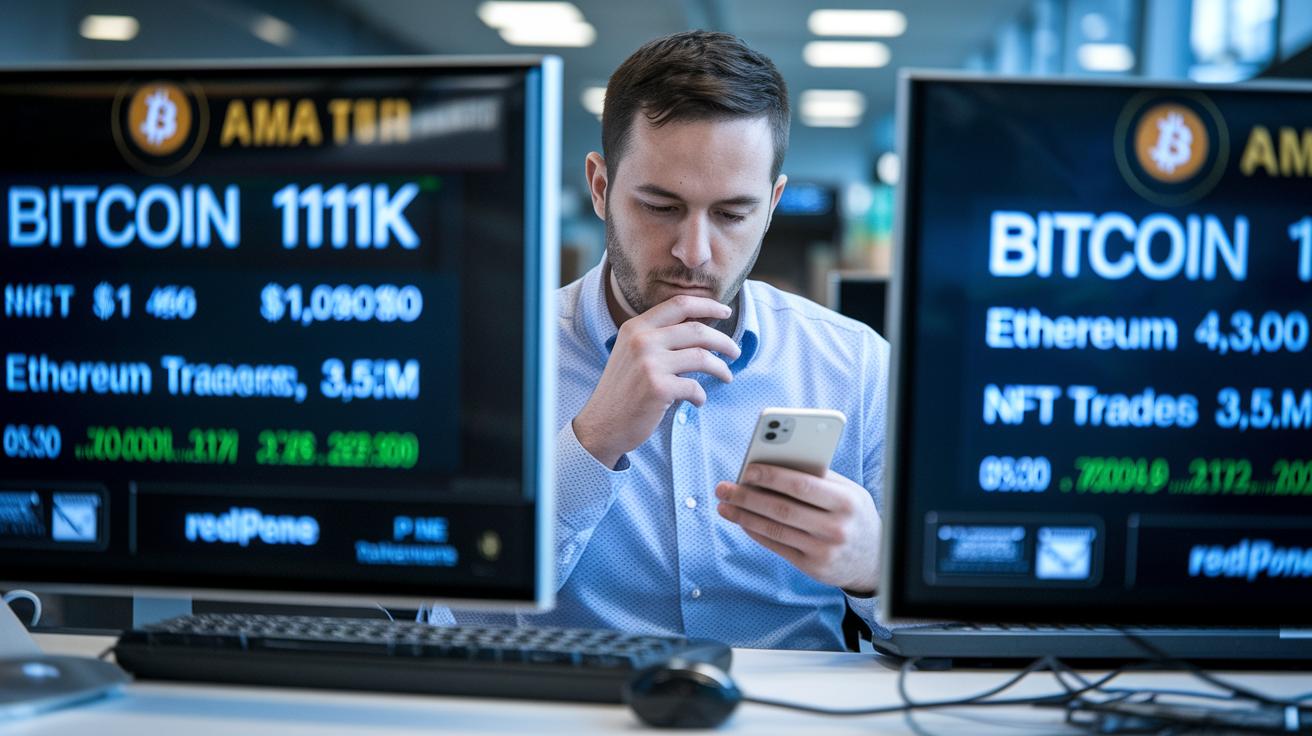
Recent figures show that NFT sales dropped by about 20% in September 2025, landing near $102 million compared to the previous week. This decline comes along with a fall in the crypto world, where Bitcoin slipped from $124,000 to $111,000 and Ethereum tumbled from $4,900 to $4,300. It’s interesting to remember that before this dip, some investors were chasing high-risk digital assets for quick gains. Now, many people familiar with volatile markets are taking a closer look at the data to understand these shifts better.
Ethereum remains strong, clocking in around $35 million in weekly NFT trades, even with some struggles. Meanwhile, newer platforms like Polygon and BNB Chain are carving out their place in the market by making transactions smoother and faster. This mix of well-known and new players is building a sturdier market overall and shows how digital asset technology is evolving.
Experts are beginning to see a shift toward NFTs that serve a practical purpose, like gaming, confirming digital identities, or turning assets into tokens. Big investors are slowly getting interested in these more useful types of NFTs, as they seem to offer more stability for the long haul. With a growing focus on following new digital asset rules, these changes could lead to a more balanced market where high-risk bets are viewed more carefully.
Evolution of NFT Art Digitization and Token Dynamics

The world of digital art is shifting fast because of new token ideas. Blue-chip collections like CryptoPunks, Bored Ape Yacht Club, and Pudgy Penguins still sell for high prices in ETH. Investors now care less about quick buys and more about perks like voting rights and special access. In short, art is becoming both beautiful and useful.
Gaming and virtual worlds are teaming up with art to create cool new experiences. Projects with platforms like Axie Infinity and Decentraland show just how creative digital art can be. Big names such as Nike, Gucci, Adidas, and Louis Vuitton are now using NFTs to verify product authenticity and create digital copies of their designs. These trends are supported by better minting methods and stronger ways to prove ownership.
- Strong market values for top digital art names
- Luxury brands using NFTs to prove authenticity
- New features that offer voting rights and special access
- Partnerships bridging art and gaming
- Improved tools for minting NFTs and tracking ownership history
These developments point to a future where digital art isn’t just collectible but also delivers clear, practical benefits, sparking fresh interest among both collectors and investors.
NFT Digital Token Investment Patterns and Diversification Strategies

Lately, big players like banks, hedge funds, and company treasuries are diving into the NFT world. This move is bringing in fresh money and making the market a lot more stable. And get this, the Ethereum Dencun upgrade dropped gas fees by over 50% compared to the last quarter. That has led to way more transactions and attracted many new participants. Many investors now see NFTs not just as digital art, but as a smart way to spread out their investments. Experts even predict that the NFT market could be worth more than $300 billion by 2030.
- Spread your investments among art, utility, and gaming NFTs.
- Think about owning a small part (fractional ownership) of NFTs instead of the whole thing.
- Keep an eye on well-known (blue-chip) collections versus emerging ones.
- Look for opportunities on several chains like Ethereum, Polygon, and BNB.
- Mix high-risk mints with NFTs you plan to keep for a long time.
- Explore NFT index funds or pooled portfolios for extra diversity.
These strategies help manage risk and tap into different parts of the digital asset market. Many investors are fine-tuning their virtual portfolios to keep up with the steady growth in crypto collectibles. They are aligning their assets with new blockchain innovations and smart contract practices that automate many processes. By mixing different types of investments and using opportunities across multiple chains, investors can better handle market ups and downs and capture long-term growth. Isn’t it interesting how a diversified approach makes NFTs look like a solid part of today’s digital investment game? For more insights on how to spread your risk, check out nft investing.
Future NFT Market Forecasts and Digital Asset Growth Projections
Experts see a very promising future for NFTs. They expect the market to grow by more than 10% each year and potentially hit over $300 billion by 2030. Simple drivers like gaming tie-ins, using NFTs for identity checks, and turning real-world items into digital tokens are lighting the fuse for this surge. In other words, the trend is shifting from quick speculative trades to real, useful applications driven by blockchain innovations (that’s just a tech way to keep digital records).
| Year | Projected Market Size | Key Drivers |
|---|---|---|
| 2026 | $50 B | Layer-2 adoption, brand NFT launches |
| 2028 | $120 B | Real-world asset tokenization, metaverse gaming |
| 2030 | $300 B+ | Institutional pools, cross-chain liquidity |
Many investors are keeping a close eye on these numbers to tweak their strategies and improve how they create new digital assets. By understanding these milestones and the forces behind them, both collectors and investors can better prepare for the exciting shifts in the digital asset world. Isn't it interesting to see how fast the market can evolve?
Blockchain Innovation and Infrastructure Impact on NFT Market Trends
Ethereum's Dencun upgrade, introduced with EIP-4844 (a plan to improve transactions), has really shaken things up. Gas fees dropped over 50% in just one quarter and have fallen 90% overall. Now, minting costs are under $1. This means more creators and collectors feel comfortable stepping into the digital assets world. It's a clear sign that tweaking the rules can completely change how minting works and shape the market.
Layer-2 rollups are also making a big difference. They boost the network's ability to handle transactions and cut fees even more. Platforms like Polygon and BNB Chain are witnessing higher daily volumes because of these improvements. It shows how better technology makes blockchain more accessible and sets up a smoother way for investors to handle their assets across different chains.
Across the decentralized marketplace, competition is heating up. On one side, you have OpenSea sticking to a traditional way, while Blur pulls off a unique zero-fee model with special trading tools. Both approaches bring something different to the table and can steer digital asset trends in new directions. Just look at the innovation on the nft marketplace to see how competition can lead to better features over time.
And then there's security, a big deal here. Even with the rise of smart contract automation, issues like wallet hacks, phishing scams, rug pulls, and fake sales keep popping up. That's why it's so important to stick to solid security practices. Using trusted frameworks and following smart contract security best practices is key to protecting investments and keeping trust in this ever-evolving space.
Regulatory Developments Shaping NFT Market and Digital Asset Compliance

Lately, new rules for verifying who people are (KYC) and stopping money laundering (AML) have pushed NFT platforms to rethink how they check users and secure transactions. Now, platforms are boosting their systems to make sure every move is legal and clear. This change is making the NFT world more organized and boosting trust among both users and regulators as the digital asset scene evolves.
Big investors are looking for rock-solid ways to trace digital ownership and safe-keep assets so they aren’t at risk legally. As a result, NFT platforms are stepping up their game by following the best practices and tightening how they handle data. They’re giving extra attention to managing assets properly and keeping digital belongings safe. If you’re curious about the risks in crypto regulations, diving into some detailed analysis can really help shape a smart, forward-thinking compliance plan.
Final Words
In the action, we covered NFT sales shifts, crypto price changes, and blockchain enhancements that shape investment strategies. We discussed new market entrants, shifting platform shares, and the rising focus on risk management. By breaking down diversification tactics and evolving compliance measures, the article shows how insights on nft market digital asset trends can guide smart decision-making. Stay curious, follow these trends, and let sound strategies lead you to a brighter digital asset future.