
Ever thought about how owning digital land might boost your returns? Virtual real estate lets you own a piece of the online world, kind of like having a slice of your favorite pie.
In this post, we'll explore how smart moves in NFT real estate can help grow your portfolio. You’ll see how creative ideas mix with solid financial steps to create opportunities that might brighten your investment future.
Virtual Real Estate NFT Investing Fundamentals

Digital real estate comes in two main flavors. On one side, you have virtual assets like metaverse land. These exist only online in worlds such as Decentraland or The Sandbox. Then there’s tokenized property, where you can buy pieces of real buildings using NFTs. Think of it like grabbing a slice of your favorite pie, each piece gives you a little share of a property.
Web domains are super important too. Traditional website addresses and blockchain options like ENS act as digital home bases. They link these assets to the online world, much like a mailing address ties a house to its owner. This creates a secure and trustworthy way to manage your digital investments.
Still, there are challenges to keep in mind. While NFT real estate and metaverse trading are full of excitement, their long-term success depends on strong communities and ongoing market trust. It’s an interesting, smart risk that asks you to balance enthusiasm with cautious planning.
Virtual Real Estate NFT Investing Platforms and Acquisition Steps
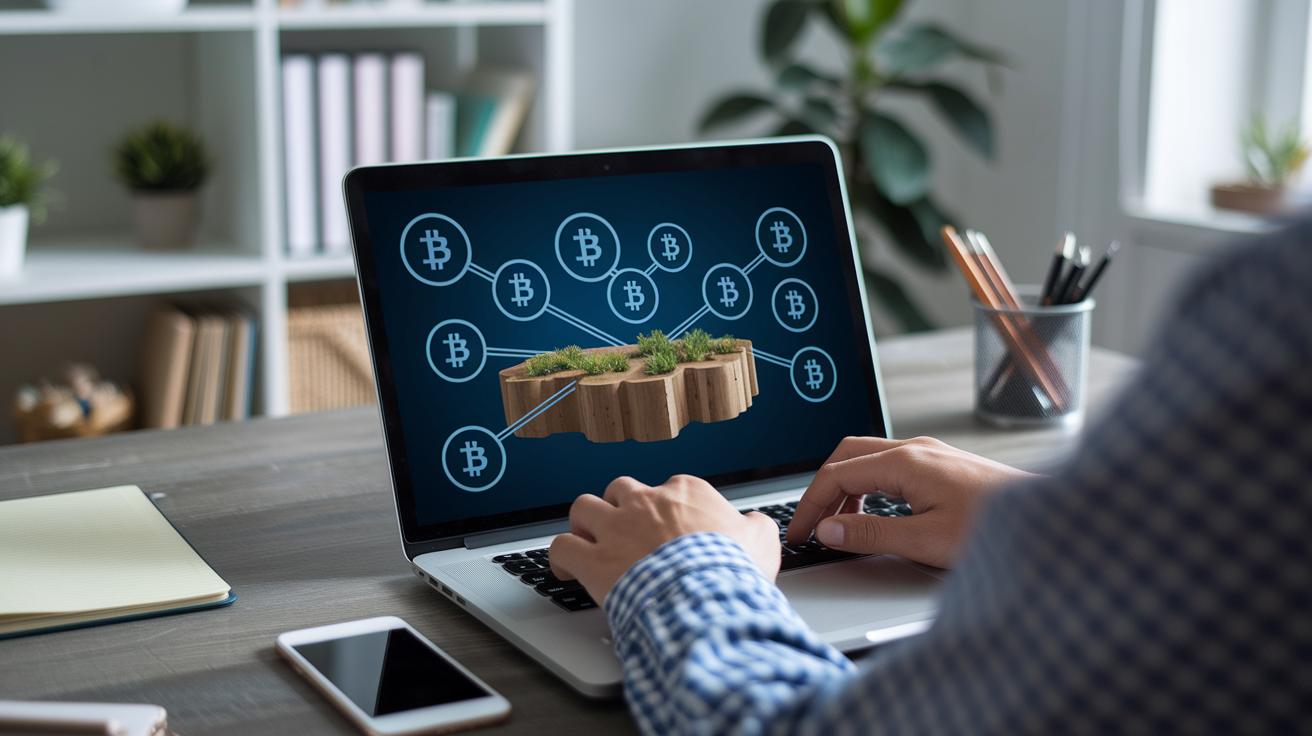
When you're picking a place to buy digital land, choose one that can grow with you, has rock-solid security, and a buzzing community of users. For example, platforms like Decentraland and The Sandbox have a lot of action these days, making them great spots for buying virtual property and getting into digital estate deals. Key features to look for include easy wallet integration (think tools like MetaMask or WalletConnect that let you connect your digital wallet), support for decentralized storage (like IPFS, a way to store data across many computers), and smart contracts that follow popular standards such as ERC-721 and ERC-1155.
- Research tokenized land projects and communities
- Set up a crypto wallet that works with your platform, and use test funds first
- Pick your platform (for instance, Decentraland or The Sandbox)
- Buy your digital property through the platform's own marketplace or via direct trades with others
- Keep your NFT safe by storing it in a hardware wallet or a trusted custodial service
After you’ve got your NFT, the journey isn’t over, managing your new asset is just as important. Many platforms let you do extra things like staking (locking up your NFT to earn rewards) or leasing it out. Some peer-to-peer marketplaces even offer fractional tokens that can earn you up to 24% APR. Keep a close eye on market trends and updates so you can decide the best time to stake, lease, or even sell your tokenized property. In short, carefully choosing your platform and following these steps can help lay a strong foundation for smart returns in the world of virtual real estate.
Virtual Real Estate NFT Investing Transactions and Metrics
Transaction data gives us a real look at how the virtual real estate market is moving. By checking out years of deal volumes and price changes, investors can easily spot trends that help make smarter choices. This info is super handy when you're looking at platforms where metaverse land trades and fractional token deals happen, especially when those tokens come with different liquidity risks.
| Platform | Year | Highlight |
|---|---|---|
| The Sandbox | 2022 | VARA establishes virtual HQ |
| Decentraland | 2021 | 400% average land price surge |
| Fractional Tokens | 2022 | Up to 24% APR offers |
Looking at these metrics can really help balance risk with reward. For instance, Decentraland’s big price jump shows strong market interest, while the high APR offered by fractional tokens points to potential income, though it comes with its own risks. In short, checking these numbers can guide you on where to invest, whether you’re leaning towards high-growth metaverse parcels or diversifying with different token strategies to boost your digital asset portfolio.
Virtual Real Estate NFT Investing Legal and Regulatory Considerations

Legal rules for digital land and NFT properties are still taking shape in many places. Different countries have set up their own rules, and sometimes these rules don’t match up well. This means that buying digital land or owning NFT property can be tricky depending on where you live. It’s super important to check the local rules before you dive in.
Taxes can make things even more complicated. In some spots, profits from selling NFT properties might be seen as capital gains, which you need to report carefully. Your tax bill could change a lot based on where you live, so keeping up with these differences is key.
Here are some tips to help you out:
- Chat with a lawyer who knows about digital assets.
- Do proper checks (KYC/AML) on anyone you trade with.
- Get smart contracts audited before making big trades.
Looking ahead, the rules around virtual real estate are likely to get clearer as more governments set up proper guidelines. Keep an eye on any updates and talk with experts to fine-tune your approach. Staying on top of these changes and doing regular audits can really help you manage risks and make smarter decisions in the digital asset world.
Virtual Real Estate NFT Investing Risk Factors and Return Profiles

Metaverse land and similar digital assets can be really unpredictable. They can jump in value quickly, and their performance often depends on how lively and supportive the user base is. When there aren’t many people involved, even a small drop or surge in interest can change prices dramatically. Remember, the long-term success of these ventures depends on a steadily growing and engaged community.
Liquidity also varies a lot in the digital asset world. On top-tier platforms, you might see enough daily trading to make buying and selling pretty smooth. But with smaller parcels or fractional tokens, you might have to wait weeks for a sale, which means delays or potential losses if you need to exit fast.
• Spread your investments across different virtual worlds and tokens linked to physical assets
• Limit your overall portfolio exposure to digital real estate (aim for less than 5%)
• Stick with audited smart contracts and trusted marketplaces
• Check the secondary-market bid-ask spreads before making a purchase
And when you look at returns from digital real estate versus traditional properties, think of NFT investments as a bonus rather than a complete replacement. By comparing expected gains with regular rental incomes or property value increases, you can see if a digital asset fits into a well-balanced portfolio that offers both growth and stability.
Virtual Real Estate NFT Investing Future Trends and Strategies
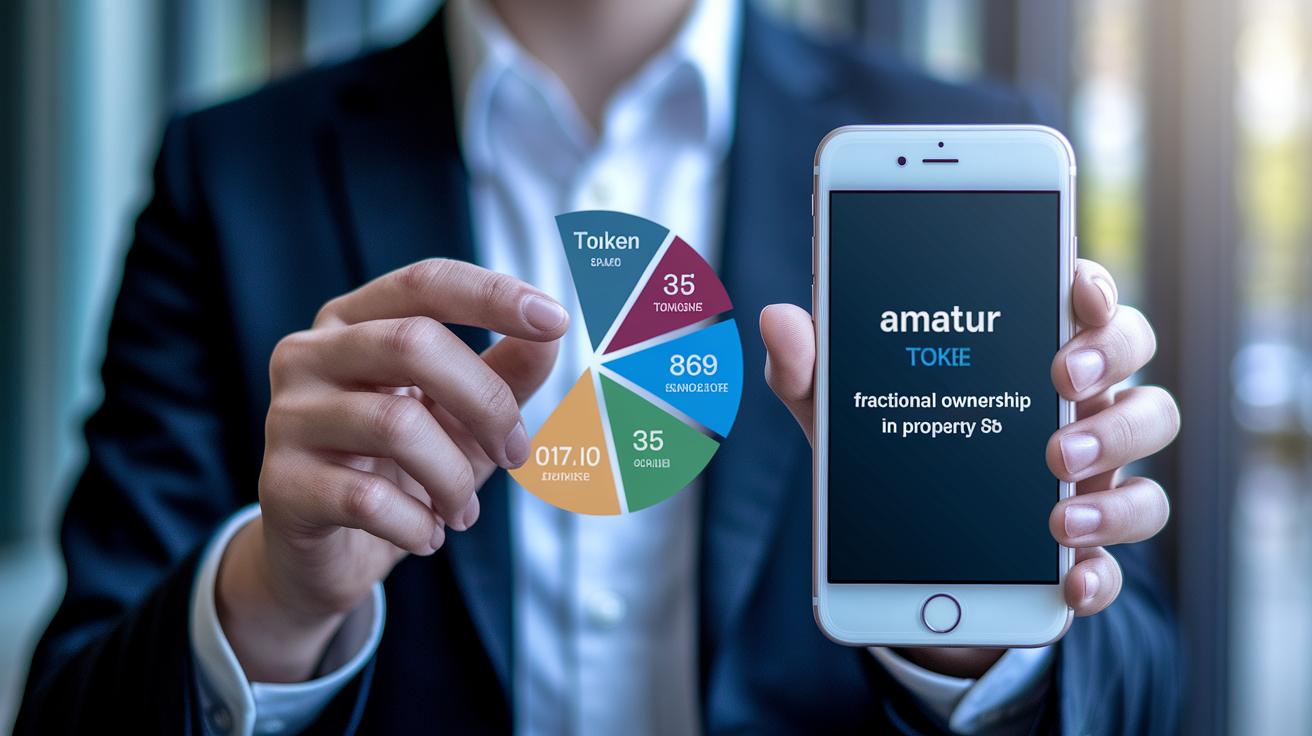
New tokenization models are changing the way people buy and sell digital assets. Imagine getting a piece of a building that's still under construction, this is off-plan tokenization in action. Fractional models break big ownership into smaller parts, so even if you don't have a lot of cash, you can still get in on the action. It’s like having a whole property pie where each slice might offer a unique benefit.
Then there’s DeFi, which stands for decentralized finance. This cool tech links your virtual real estate with options like staking and lending. In simple terms, it helps your digital property work for you by generating a regular income, almost like having your own little money-making machine.
Building an Asset Diversification Blueprint
Start by taking a good look at your overall digital asset mix. Set aside some funds for speculative virtual land, then balance that risk with tokens or assets that have reliable DeFi activity. Think of it like putting together a balanced meal, a little spicy kick from some high-risk choices paired with more stable, filling ingredients.
On-chain analytics and forecasting tools are set to become super important soon. These easy-to-understand metrics and AI-powered systems help you spot trends and shifts in value. With these tools, you can adjust your asset mix and keep your digital real estate portfolio strong and competitive as the market changes.
Final Words
In the action, we reviewed the core strategies for virtual real estate NFT investing. We covered fundamentals, platform selection, key transaction metrics, legal checks, and risk balancing. Each section offered clear steps and insights into asset diversification, purchase steps, and post-purchase management. We see digital real estate as a growing field with exciting trends and practical strategies to help boost portfolio performance and manage risks. Stay curious and bold as you explore these opportunities in virtual real estate NFT investing.