
Have you ever wondered if your crypto plan could help you earn more? Crypto investing is a lot like riding ocean waves. Slow, steady moves build a solid base, while fast shifts can score you quick gains.
Think about setting aside a fixed amount of money each month. This way, market ups and downs become less scary because you’re buying regularly, no matter what. And when the market dips, you could even add a few more coins to your mix.
This article shows you smart ways to balance timing with safety in your investments. It’s all about creating a plan that lets you ride the waves with confidence.
Crypto Investing Strategies Ignite Smart Profits

Crypto investing can be split into long-term, medium-term, and short-term methods. The long-term approach, often called HODLing, means buying assets and holding them for years to ride out the market's ups and downs. Think of it like getting into Bitcoin early and sitting tight through all its wild price swings.
One neat long-term strategy is dollar cost averaging. This is where you invest the same amount at regular intervals, say, putting in $100 every month regardless of the price. Imagine watching your portfolio grow gradually while you don’t have to stress about daily price changes. It’s a simple way to smooth out the market’s highs and lows.
Diversification is another smart move. By spreading your investments across various coins and different sectors, you lower your risk. A balanced mix might include well-known coins, promising altcoins, and even stablecoins that add extra stability. In this way, if one asset takes a hit, others might pick up the slack and help boost your overall gains.
Medium-term tactics, like buying the dip when the market drops, can offer a chance to increase your holdings at lower prices, even if pinpointing the absolute bottom is tough. And if you enjoy being more active, short-term methods such as day trading or scalping let you capitalize on quick price moves, though they require close attention and swift decisions.
Before taking the plunge, it’s important to do your research. Check out white papers, learn about the team behind a coin, and examine factors like liquidity and trading volume. And don’t forget security, using options like cold wallets, hot wallets, or custodial services can help keep your investments safe. In short, a smart crypto strategy combines solid research with a mix of timing techniques and strong security practices.
Long-Term Crypto Portfolio Building Strategies

Back in 2011, Erick Finman made a smart call by buying Bitcoin for just $12 each with a $1,000 investment. This move shows that holding onto your digital assets over time can really pay off. One friendly tip is to use dollar cost averaging. That means you invest the same amount, say $100 every month, regardless of whether prices are high or low. This steady approach helps smooth out the ups and downs of the market.
Another key idea is to spread your investments across different types of crypto. Imagine it like making a tasty smoothie: you mix a bit of Bitcoin, Ethereum, and some other coins to create a well-balanced blend. Here’s an example of how you might break it down:
| Asset Class | Target Allocation |
|---|---|
| Bitcoin & Ethereum | 50% |
| Tier-1 Altcoins | 20% |
| Emerging Altcoins | 15% |
| Stablecoins | 15% |
It’s also good to check on your portfolio every few months and adjust things as needed. This is called rebalancing, and it helps keep your investment mix on track even when the market moves a lot. Some folks even mix in short-term trading to boost long-term gains. In tough markets, buying more during dips can set you up for strong future gains. Plus, you can earn bonus rewards by staking your coins or doing yield farming, where you might see returns between 10% and 20% a year.
Short-Term and Active Crypto Trading Tactics
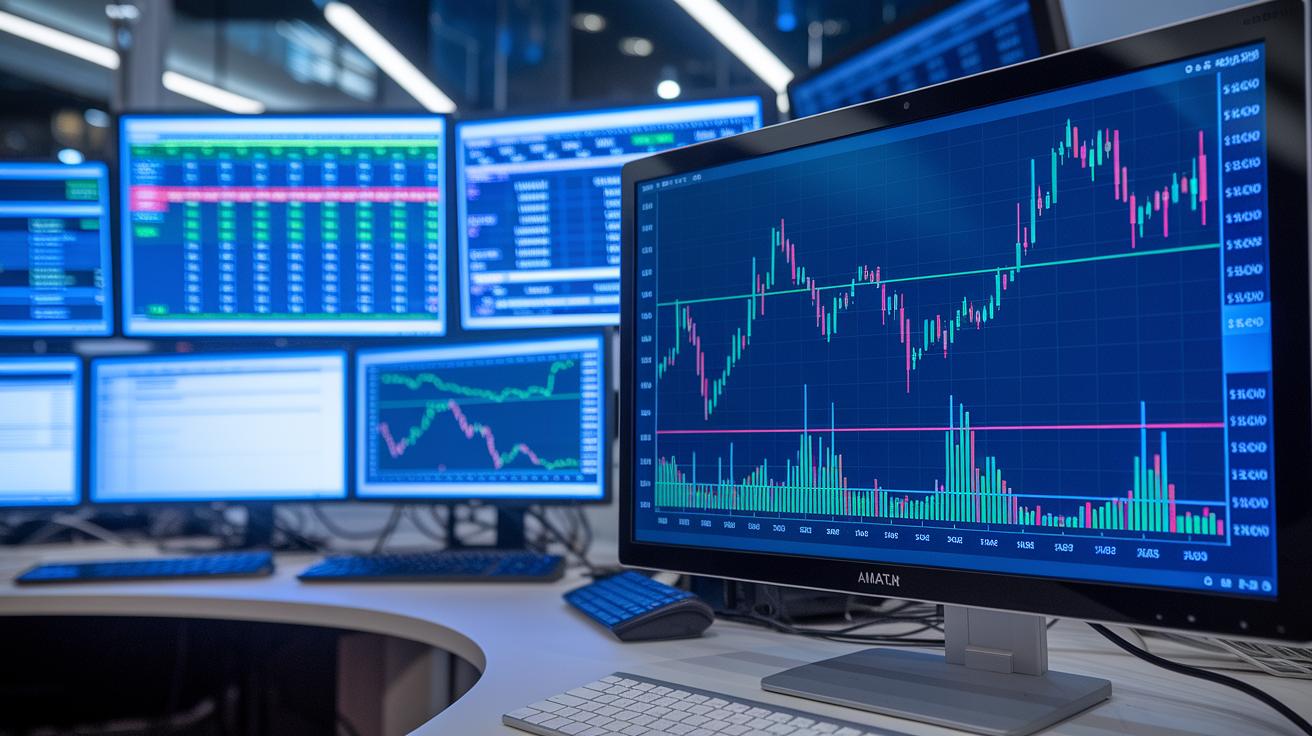
Short-term trading is all about having a clear plan and using technical tools to make quick decisions. One cool tactic is the moving average crossover strategy. This method compares short and long-term price averages to spot changes in market trends. For example, when the short-term average rises above the long-term one, it could be a signal to buy. One trader even shared how this simple technique turned a few minutes into a profitable burst by catching rapid price shifts.
Moving Average Crossover Strategy
This approach relies on historical price averages to create entry and exit signals. By watching these trends, you get a feel for when the market is building up or winding down, letting you act fast when things get volatile.
Relative Strength Index in Crypto Trading
The Relative Strength Index, or RSI, is another handy tool that checks momentum and flags when a coin might be too high or too low. Generally, an RSI below 30 suggests a coin is oversold and could bounce back, while a reading above 70 might mean it's reaching a peak. Sometimes, if the price and RSI don’t quite match up, it’s a hint that a reversal might be on the way.
Event-Driven and News-Based Tactics
Sometimes, big news can shift the market in a flash. Traders often set alerts for major events like new exchange listings or protocol upgrades. These moments can spark quick price moves and create chances for fast trades, even before the usual technical signs kick in.
Scalping vs. Swing Trading
Scalping is about capturing tiny price moves in seconds or minutes and requires strict risk controls like stop-loss orders. In contrast, swing trading means holding positions for days or even weeks to benefit from broader trends. Each method has its own risk and reward balance, so it’s important to keep an eye on trading fees and adjust your strategy based on how the market feels.
Risk Management and Portfolio Protection in Crypto

You can protect your crypto by taking a few simple steps to handle wild price swings and keep your funds safe. For example, setting up stop-loss orders lets your system sell your coins automatically if prices drop too much, which helps limit your losses. It also pays off to spread out your investments over different digital assets that don’t always move together, lowering your overall risk. Make sure you check your portfolio every few months, whether quarterly or semi-annually, to keep it aligned with your goals. And don’t forget, fees on deposits, withdrawals, and trades can add up and eat into your gains, so keep an eye on them.
Only invest money you’d be okay with losing and back every move with solid research. Tools like the Fear and Greed Index can show you when market emotions are high, giving you a hint to be extra cautious. If you plan to hold your coins for a long time, think about storing them in cold wallets or using services with multi-signature and insurance for larger amounts, adding extra protection.
Sticking to a clear strategy is key. Here are some steps to help you stay disciplined:
- Set a risk-reward goal before each trade.
- Decide on the maximum loss you can handle per position.
- Set up automated alerts when prices hit crucial levels.
- Keep each trade small, like 1–2% of your overall portfolio.
- Use hedging tools such as futures or options when available.
- Check your DeFi pools regularly for any risky smart-contract ties.
- Document every trade and review them to fine-tune your approach.
Fundamental and Technical Research for Crypto Asset Selection

Start your research by diving into white papers to get a clear picture of a project's goals, technical timeline, and how it’s run. For example, a white paper might mention that "the system is designed to boost transaction speeds by 50% in a year," hinting at exciting developments ahead. This deep reading is a key step when exploring cryptocurrency opportunities.
Take a closer look at the people behind the project. Check out their GitHub activity and see how the community views them. A team with proven past successes is often a strong sign of reliability. Look for details like earlier project wins and public code work that show they know their stuff.
Review how the project is being used by looking at active addresses, how many transactions are happening, and real-world applications. If you notice a steady stream of daily activity, it might suggest that more people are starting to trust and use the project.
Next, check the liquidity of the asset. Look at where it’s listed on exchanges, the depth of its order books, and on-chain swap volumes. This helps you see how easily you could trade it without causing a big price change. Also, keep an eye on trading volumes to gauge whether market interest is growing or waning.
Then, dig into the tokenomics by reviewing details like supply caps, how new tokens are introduced, and any vesting schedules that might affect future supply. Lastly, compare the fully diluted market cap with the circulating supply. This helps ensure the asset fits well with your risk level and long-term goals.
Advanced Crypto Portfolio Automation and Emerging Trends

New automation is changing the way we invest in crypto. Bots using custom strategies and special signals catch tiny market shifts that might otherwise go unnoticed. For example, you might see a bot message saying, “Price spike detected – executing trade,” and it grabs that quick opportunity before it slips away.
Automated rebalancers take the stress out of keeping your portfolio on track. They use APIs to watch market changes and adjust your investments automatically. This means you don't have to check your portfolio every day, and you avoid making rash decisions when the market gets wild.
Decentralized finance, or DeFi, brings cool new options like staking and yield farming into play. Platforms such as Ethereum 2.0 or Solana may offer returns between 5% and 15% each year. Sometimes, yield farming even pushes annual returns above 20%, despite the risks with smart contracts. Think of it like planting seeds and watching your crypto garden grow slowly over time.
On-chain event alerts show just how powerful modern automation can be. You can set alerts for important happenings like DAO votes, protocol updates, or big moves by major investors. These real-time signals, along with risk models backed by past data, give you an extra edge by spotting trends early. If you’re curious to explore these features, consider trying a free portfolio analysis tool to see which automation platform fits your needs best.
Final Words
In the action, we saw how holding, regular investing, and active trading can all work together to shape a solid digital asset portfolio. We broke down long-term methods, smart buy strategies during dips, and the technical tools needed for short-term moves. We also touched on risk controls and careful analysis before any move. Taking these insights to heart can help boost your confidence and guide your next step in crypto investing strategies with optimism and clarity.