
Ever wonder if your NFT trades are hitting their mark? Think of your NFT portfolio like a heartbeat, sometimes it’s steady and strong, other times it might skip a beat. NFT trading checks key numbers such as sales and user engagement to show how your digital assets are doing on the blockchain, which is just a fancy way of saying a digital record book. By keeping an eye on these figures, you can notice market changes and fine-tune your trading game. In short, understanding these indicators can boost your strategy and help you make smarter moves in the ever-changing world of NFTs.
Understanding Core Aspects of NFT Trading Efficiency Analysis
NFT trading efficiency analysis is all about keeping an eye on key numbers that show how your digital assets are doing on the blockchain. It checks out metrics like sales, engagement, conversion rates, and return on investment. Think of it like watching your portfolio’s heartbeat, when the beat is smooth, it means your investments are healthy.
Market trends have been pretty wild. For example, the NFT market cap jumped from $100 million in 2020 to $25 billion in 2021, before settling down to around $4.8 billion by 2024. Even though things cooled off after a big surge, keeping track of these numbers is still important. In Q1 2023, there was a moment when trading volume hit a peak of 74,550 ETH on February 22, a clear sign that the market was buzzing. But just a couple of months later, on April 19, there were only 11,187 active traders.
In Q1 2023, a sudden surge in trading volume highlighted how quickly NFT market dynamics can shift, keeping investors on their toes. This kind of analysis not only helps you see the big picture of blockchain asset performance but also sets the benchmarks needed to make smarter trading moves.
Identifying Key Metrics for Decentralized NFT Trade Evaluation

When we look at NFT trading, we focus on a few key numbers that tell us how well decentralized markets are doing. In Q1 2023, things got interesting with trading hitting 74,550 ETH at its peak, even while active traders dipped to 11,187. These figures, along with counts of transactions, speed of trades, and checks on price gaps, give us a full picture of the market vibe.
Let’s break down the important metrics:
-
Trading volume: This shows us the overall buzz of the market. A big jump in volume often means more buyers are jumping in.
-
Transaction counts: This tells us how many trades are happening in real time, offering a quick peek into market activity.
-
Execution speed: Here, we measure how fast trades go through, which speaks to the platform’s smooth operation and network strength.
-
Price checks: This keeps an eye on any gaps between what prices should be and what they actually are, hinting at new chances for profit.
-
Engagement ratios and conversion rates: These numbers reveal how often people looking at listings end up making a purchase, directly impacting returns.
Bringing all these figures together gives us a clear, well-rounded view of NFT trading in decentralized spaces.
Leveraging Analytical Frameworks and Automated Tools for NFT Efficiency
Using the right analytical tools can show you how your digital assets are really doing. Valuation models for NFTs not only reveal the art’s visual appeal but also its potential as an investment. Imagine it like checking your favorite player’s season stats – simple numbers that help guide your decisions.
Automated systems make trading a breeze. They work just like a perfectly timed vending machine, processing your trade instantly once conditions are met. This means you get clear pricing and steady trading around the clock. Real-time dashboards let you see how quickly trades are happening, so you can catch any little hiccups as soon as they arise. Plus, smart audit tools check every trade to keep things running smoothly.
Comparing different platforms helps you find the best fit by matching your strategy to the right tools and trade speeds. Want to boost your insight even more? Give tools like crypto analysis tools a try – they combine these frameworks seamlessly to help you get the most out of your investments.
Case Studies Highlighting Market Liquidity and Cost Structures
Real-life examples show us how liquidity limits and fee setups can change the way NFTs are traded. For example, some NFT projects experience slow buy and sell steps because the floor-price isn’t very liquid. Many collectors have noticed that even if a digital asset looks valuable on paper, actually buying or selling it can be a challenge, especially when the market gets bumpy.
One study looked at different projects and found that asset values aren’t spread out evenly. Even though the average asset value hit around $3,893, the median value was only about $1,459. This tells us that a few high-priced NFTs push the average up, while most assets struggle with low liquidity and higher fees.
In the first quarter of 2023, Blur’s incentive program and a royalty dispute with OpenSea brought clear changes to fee structures and trade speeds. Some platforms saw faster block confirmations and lower costs for popular tokens, while others faced delays and higher fees. It’s a reminder that when you’re planning your trading moves, you’ve got to keep both market liquidity and transaction fees in mind.
| Metric | Value |
|---|---|
| Average Asset per Project | $3,893 |
| Median Asset Value | $1,459 |
These cases show that what’s happening in the market and how fees are set up really matter when we look at how well trades perform.
nft trading efficiency analysis Elevates Your Strategy
When you trade NFTs, you need smart strategies that can keep up with rapid changes in technology and market trends. Many successful traders fit into categories like value holders, quick flippers, or high-frequency buyers. Each group uses its own methods to cut costs and boost profits.
One key factor is getting your asset allocation right. Many traders set aside about 2 to 8 percent of their total portfolio for NFTs. This careful approach helps manage risk without putting too much strain on your investments, keeping you ready for unexpected market shifts.
Another helpful tactic is using algorithmic bids for dynamic pricing. In simple terms, this means relying on computer models to adjust your bids automatically as market conditions change. Traders also batch their orders to lower fees, much like scheduling a vending machine to dispense products at the right time. It cuts through the noise and makes sure each trade plays its part in your overall strategy.
If you're serious about improving your trading outcomes, these steps offer a clear roadmap:
- Smart allocation rules that protect your broader portfolio.
- Pricing algorithms that keep up with real-time market changes.
- Order-timing techniques to cut down on trading fees.
- Risk controls designed to handle sudden shifts in technology and market trends.
Projecting Future Developments in NFT Trading Efficiency Analysis
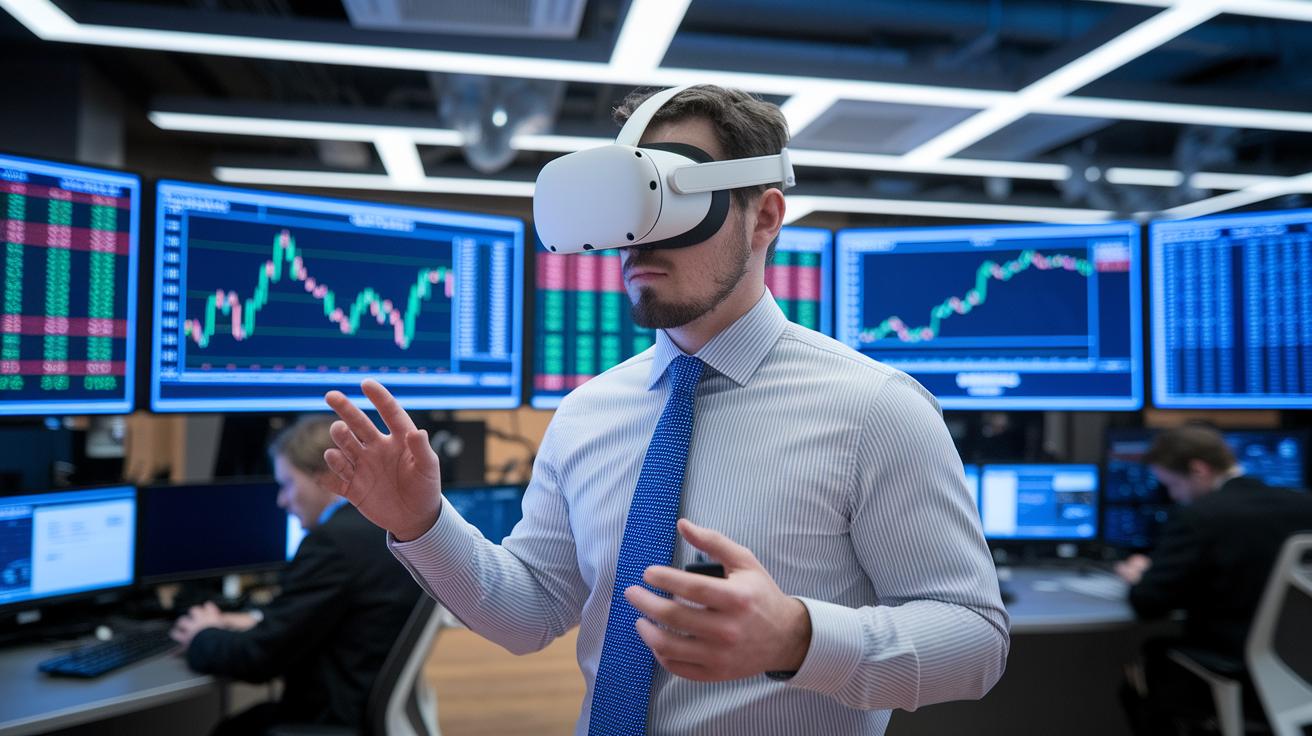
Imagine a future where NFT trading becomes smoother and faster. New tech, like AI that helps pick your best investments and VR displays that let you dive into digital markets, is starting to change the game. These tools let traders see their digital assets in a whole new way.
New checks on trading rules and finding fixes for network slowdowns are making trade moves quicker. At the same time, trading platforms are getting ready to handle more orders without breaking a sweat. Layer 2 solutions will cut down on fees and energy use, so trading stays affordable and eco-friendly.
Changes in laws about securities and taxes are also shaking things up. Traders will need to keep an eye on these shifts, using smart forecasts to adjust their strategies.
Looking ahead, ongoing improvements will bring even better ways to check how well trades are doing. As exchanges use smarter computer programs and better rules, everyone can count on a more solid and efficient NFT market.
Final Words
In the action, we examined how tracking sales, transaction speed, and depth metrics fuels savvy digital investment strategies. We looked at how case studies, automated tools, and market benchmarks come together for a clearer view of performance. Both liquidity issues and emerging tech trends were spotlighted. This hands-on nft trading efficiency analysis offers solid pointers for improving decision-making, balancing risk, and identifying new opportunities. Stay motivated and ready to adjust your approach as the market evolves.
FAQ
What do NFT trading efficiency analysis reports from 2021, 2022, and PDF documents cover?
NFT trading efficiency analysis reports detail yearly market trends, key performance metrics, trading volumes, and liquidity challenges. They help traders gauge the performance and response of NFT marketplaces over time.
What does the 7% rule in crypto indicate?
The 7% rule in crypto indicates a target return where traders aim for a minimum of 7% profit before executing a trade, serving as a basic risk-check guideline in volatile markets.
Is NFT trading still profitable?
NFT trading can be profitable when traders use sound strategies, track market trends, and control fees. Success depends on skill, market shifts, and choosing high-demand digital assets.
Are NFTs still big in 2025?
NFTs continue to hold relevance as digital assets with potential growth opportunities. They attract interest from collectors and traders, even with market value fluctuations and evolving use cases.
What is the failure rate of NFTs?
The NFT failure rate refers to the high number of projects that underperform due to low liquidity, weak market demand, or limited community support, making project success unpredictable.