
Ever noticed an NFT sale that seems too wild to be real? In a market where most trades follow a clear pattern, these offbeat deals tend to grab your attention and spark curiosity.
Using simple math and easy-to-use data tools, you can spot these unusual transactions. They might signal a smart move or hint at a hidden risk.
This post explains how keeping an eye on odd NFT trades can help you read the market better and steer your investment choices with confidence.
NFT Outlier Transaction Analysis: Smart Market Moves

Outlier detection is all about spotting deals that look very different from normal market action. In the NFT world, this is super important because it helps investors notice sales that seem unusual. We use tools like basic statistics, simple computer programs, and data scanning to quickly sift through blockchain records. This smart process gives a heads-up on trades that might be rare opportunities or hint at bigger problems.
There are three types of NFT outliers. First, point outliers are single trades that just don’t fit the usual pattern, like one NFT sale that sells for way more than others normally do. Then, there are contextual outliers, which occur when a sale stands out because of when or where it happens, like a sudden burst of sales during a quiet time. Finally, collective outliers are a group of trades that together seem odd, perhaps suggesting they were part of a coordinated trading tactic.
Adaptive thresholding is a cool technique that changes what we call “normal” as market conditions shift. By adjusting the limits on the fly, it helps us tell apart random fluctuations from truly unusual transactions. In short, this approach keeps blockchain data clear and accurate, so investors are always in the know and ready to act when something out of the ordinary occurs.
NFT Transaction Pattern Investigation: Tools and Methods

In today’s fast-changing NFT world, getting a clear look at digital assets is a real game changer. Many investors use crypto analysis tools that mix data mining with AI to scan blockchain ledgers on the fly. This means you can catch unusual buying or selling patterns quickly and make smarter decisions.
Ledger forensics helps track token movements, and wallet activity monitoring spots strange behavior. For example, pulling data from an NFT blockchain reveals not just token shifts but also odd patterns that might otherwise go unnoticed. Plus, using crypto volatility metrics can show you sudden, high changes in sales that might point to shifts or risks. These methods are key to spotting the parts of the market that are acting out of line, whether to stop fraud or grab a rare opportunity.
- Ledger forensics to follow token movements
- Wallet activity monitoring to catch odd behavior
- Crypto volatility metrics to spot sudden, high changes
- Adaptive thresholding for automatic anomaly alerts
- Visualization dashboards to map out transaction trends
Machine learning makes this process even better by checking the ledgers in real time and sending alerts when something looks off. These AI-powered systems work nonstop, cutting down on manual checks and helping you react quickly when the market shifts. So when there’s a big jump in wallet activity or a rapid change in the market, you get a heads-up right away. This smart approach builds trust by ensuring that anyone involved has fast, clear insights into NFT transactions.
NFT Outlier Transaction Case Reviews: Art Sale Spikes
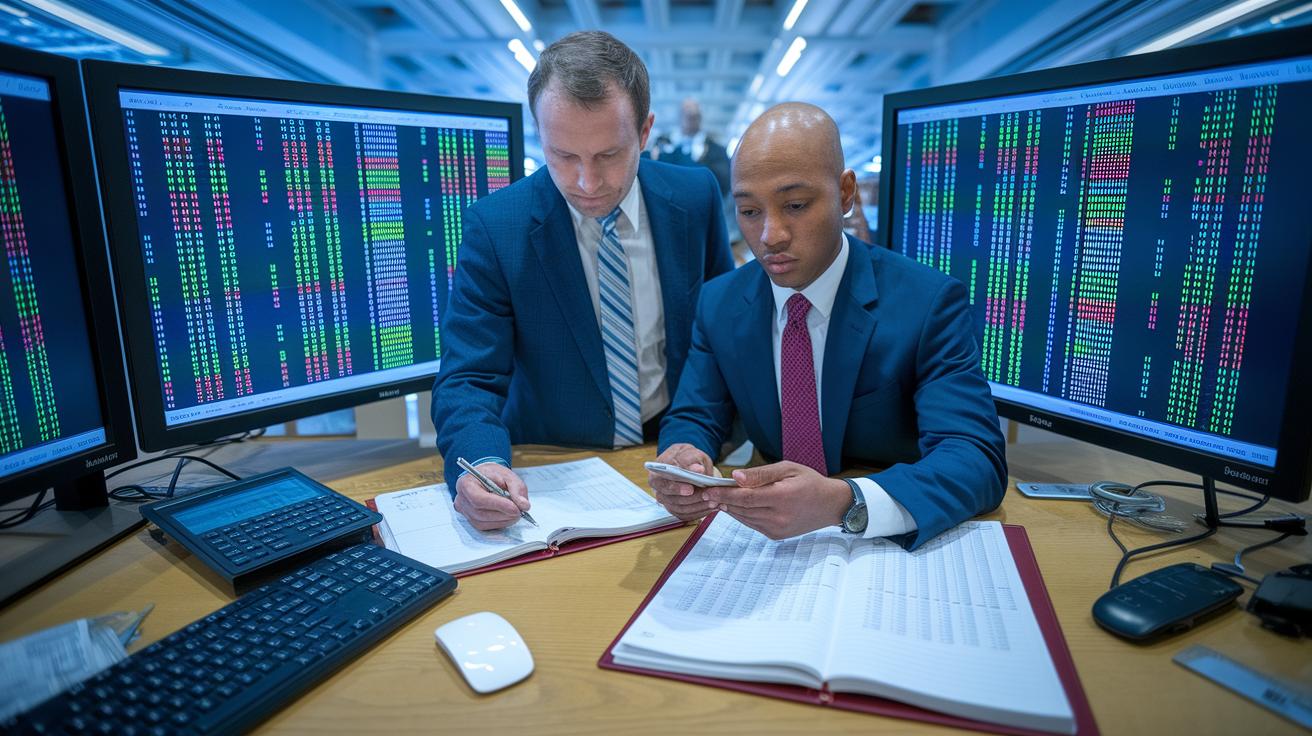
We look at public sale records from big NFT collections to catch unusual happenings in art sales. We check ledger details for extra data, use timestamp comparisons to see if any sale strays from the usual averages, and weigh up market trends to understand what’s going on. These methods, borrowed from finance and even healthcare analytics, help us spot odd transactions that could mean rare opportunities or hidden risks.
Case Study 1: Price Spike Detection in a Blue-Chip NFT Drop
Our market team dug into data from a top blue-chip NFT drop over a one-week period. They compared each sale to the weekly average to catch any unexpected price bumps. One sale, in particular, shot up much higher than daily trends, making it hard to miss. By checking extra transaction details and the overall market mood at the time, they found out that the jump wasn’t just a mistake, it was a clear reaction to a high level of demand.
Case Study 2: Volume Anomaly in a Trending Collection
Next, we turned our attention to a hot, trending collection. The focus here was on how many sales happened at once. The team noticed bursts of transactions coming in very quickly, suggesting that either coordinated trading was at play or a new trend was emerging. They backed this up by looking at grouped timestamps and checking market sentiment. These clusters stood out as anything but ordinary and signaled a need for a closer look.
Together, these cases show why mixing different analytical techniques is so valuable. The price spike story reminds us of the power of using historical averages, while the volume anomaly highlights the insight gained from grouping sales by time and listening to the market’s mood. This blend of methods helps keep an eye on market integrity and spot trends before they become the next big thing.
Applying Outlier Detection Algorithms to NFT Sales
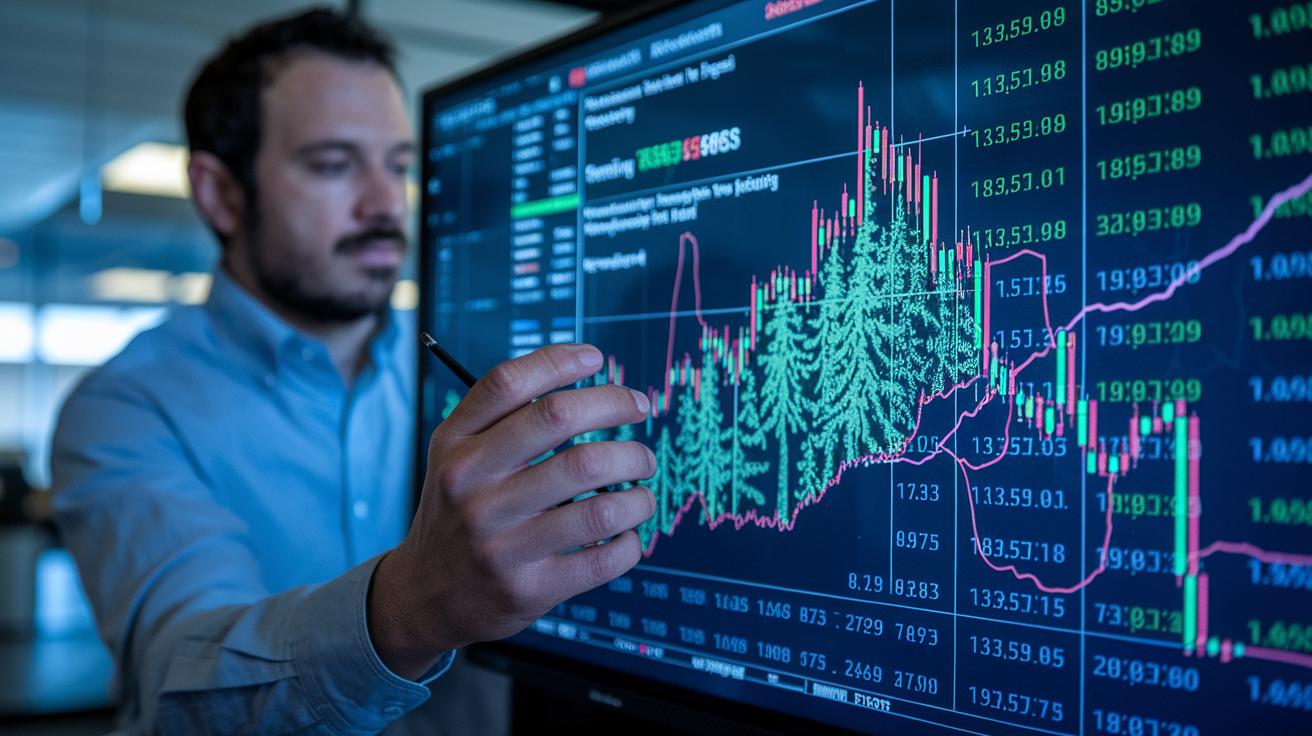
Outlier detection in NFT sales has come a long way. At first, folks just used tools like the Z-score, a simple way to see how far a sale is from the average, or checked the interquartile range to spot odd transactions. But now, we mix those basic statistical views with smart machine learning techniques. For example, algorithms like Isolation Forest help isolate unusual sales, while clustering methods group similar transactions and spot anything that doesn't quite fit. And with adaptive thresholding, the system adjusts what’s normal as fresh data rolls in, catching subtle changes that older methods might miss. Basically, instead of just flagging a few odd numbers, today's approaches handle huge, complex data sets to show investors when a sale really stands out.
These days, five main methods lead the way in detecting unusual NFT transactions. First, simple statistical tests spot sales that stray far from average values. Next, clustering techniques group together similar deals to flag any odd clusters. Then there’s ensemble machine learning, which combines insights from several models to give a balanced picture. Deep-learning detectors dive deeper, using multi-layered models to uncover patterns that simpler techniques might overlook. And finally, predictive analytics uses AI to forecast potential anomalies before they fully develop. Each approach brings its own mix of speed, sensitivity, and precision, giving investors a reliable toolkit to understand market shifts better.
Risk Management and Reporting for NFT Outlier Transactions

Anomaly alerts are like early warning bells in the NFT market. When a transaction behaves oddly, these alerts help us spot potential risks and flag warning signs of fraud. For example, when liquidity suddenly spikes or sales trends stray from what we expect, it’s a sign that something could be off. Teams can quickly review these moments thanks to automated checks and clear timestamps that keep everything transparent. This process not only meets compliance standards but also boosts investor confidence by addressing issues before they become bigger problems.
Good reporting practices mean keeping everything open and honest. By maintaining detailed records of every trade, everyone involved gets a clear picture of each step in the process. Regular dashboards and visual summaries spotlight these outliers, making the information easy to understand. And with independent data verifications, we can avoid any mistakes or irregularities from decentralized finance. In short, these methods help protect the market while ensuring that risk management is top-notch.
Overall, a mix of clear alerts, honest reporting, and swift action can keep the digital asset space both secure and trustworthy. It’s a bit like keeping an eye on a busy market, you notice the odd one out quickly and take action before it turns into a bigger issue.
Final Words
In the action, we reviewed core aspects of NFT outlier transactions by discussing definitions, classifications, and adaptive thresholding techniques. We touched on case reviews and examined digital asset analytics tools that track unusual sales, including point, contextual, and collective anomalies.
We wrapped up by exploring algorithmic approaches and risk management practices that empower investors to make smart decisions. This guide delivers nft outlier transaction analysis insights to help shape informed strategies in a dynamic market. Stay curious and keep refining your approach.
FAQ
Are NFTs still big in 2025?
The answer is that NFTs continue to capture market attention in 2025 as they blend with digital finance tools and offer new ways to own and collect unique assets.
Is NFT worthless now?
The answer is that NFT value depends on market trends and community interest, with many tokens still proving valuable despite occasional market fluctuations.
How to track NFT transactions?
The answer is that NFT transactions can be tracked using blockchain analytics platforms, which monitor ledger data and wallet activity to provide real-time, trustworthy insights.
Is there still a future for NFTs?
The answer is that NFTs hold promise for the future by evolving with new technology trends and continuing to offer unique opportunities in digital asset investment.