
Ever thought about NFT trading could be as thrilling as a roller coaster ride? Our study looks at NFT secondary sales and shows the different ways drops perform. We start with the basic revenue, subtract fees, and include creator splits to reveal how strong early trading moments can be.
This post breaks down important numbers for each token and shows that the first month after a drop is when the market really kicks into gear. It gives both traders and collectors a clear look at how each NFT behaves in a fast-paced market.
NFT Secondary Sales Analysis: Soaring Market Trends

We dug into the OpenSea API data to see how NFT secondary sales are doing. Basically, we took the total money made from these sales, removed the 2.5% fee that OpenSea charges, and also deducted what goes back to the creators. Then we broke it down per token so you can easily see the differences between various drops. It turns out that most of the trading happens in the first month after a drop, which really sets a fast and dynamic pace for the market.
We looked closely at key numbers like total revenue and earnings per token. Think about it this way: the surge in NFT secondary sales in the first month can even exceed the money from the initial sale. That’s a pretty clear sign that the market is buzzing with activity right out of the gate.
We relied on steady metadata from the OpenSea API to track sales trends over time, even if there were a few gaps here and there. Since our study covers sales up to May 1, 2022, it gives you a nice snapshot of how secondary sales take off soon after the first release. These per-token numbers help both traders and collectors get a better grasp of how each NFT is performing and understand overall market shifts.
- We subtracted OpenSea’s fees and creator splits.
- The revenue is normalized per token across different drops.
- The first month after a drop is identified as the most critical period for secondary sales.
| Metric | Description |
|---|---|
| Total Revenue (Net) | Amount after taking away platform fees and creator splits |
| Per-Token Revenue | Standardized figure for comparing different drops |
Data Collection and Analytical Framework for NFT Secondary Sales Analysis

We pull transaction data straight from the OpenSea API, which gives us a steady, reliable view of NFT collections with clear details. This approach is really handy, especially when some drops, like King of Leon’s YellowHeart, are missing parts of their historical records. We start with a close look at each blockchain transaction, tracking every bit we get from the API to ensure everything lines up. Then we bring it all together with data aggregation, much like piecing together clues in a mystery. By parsing smart contract events, we catch every peer-to-peer trade as it happens, keeping our data true to the ongoing market buzz.
Next, we run our top-notch analytics tools to make sure every data point truly reflects how the market is moving. We set clear selection criteria based on transaction volume and overall impact, which helps us focus on the NFT collections that really shape secondary market trends. In short, our process mixes smart contract insights with thorough blockchain transaction checks to capture every trade.
- We use the OpenSea API to keep metadata consistent.
- We address gaps in historical records.
- We parse smart contract events to track peer-to-peer trades.
Collector Activity and Speculation Metrics in NFT Secondary Markets
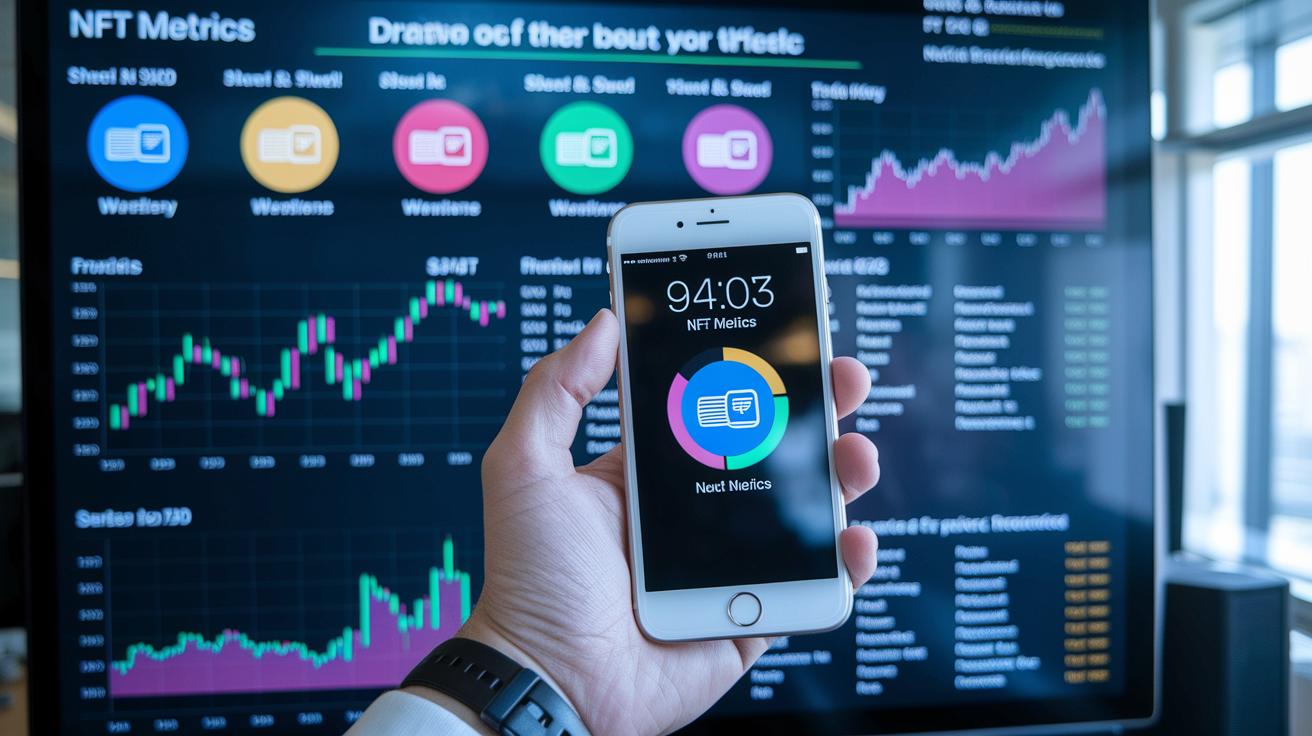
Collector activity metrics help us see just how involved individual investors are in the NFT space. We count unique wallets used during the first minting of tokens to get a feel for how many people are joining in. And when we track tokens that are resold in the first week or month, we get a hint of speculative moves. For instance, if someone flips a token just days after buying it, it’s a bit like a quick trade you might see on a busy stock market.
We also check how fast tokens are trading by looking at the turnover rate. This simple number tells us whether collectors are hanging on to their tokens or trading them frequently. It gives us a good sense of the market’s overall mood and liquidity.
- Unique wallets at primary mints show us how investors are engaging.
- Early token resales highlight the level of speculation.
- The turnover rate gives clear insights into how quickly trades are happening.
All these figures come together to paint a clear picture of how collector activity and short-term trading shape the NFT secondary market.
Pricing Trends and Auction Data Insights in NFT Secondary Sales
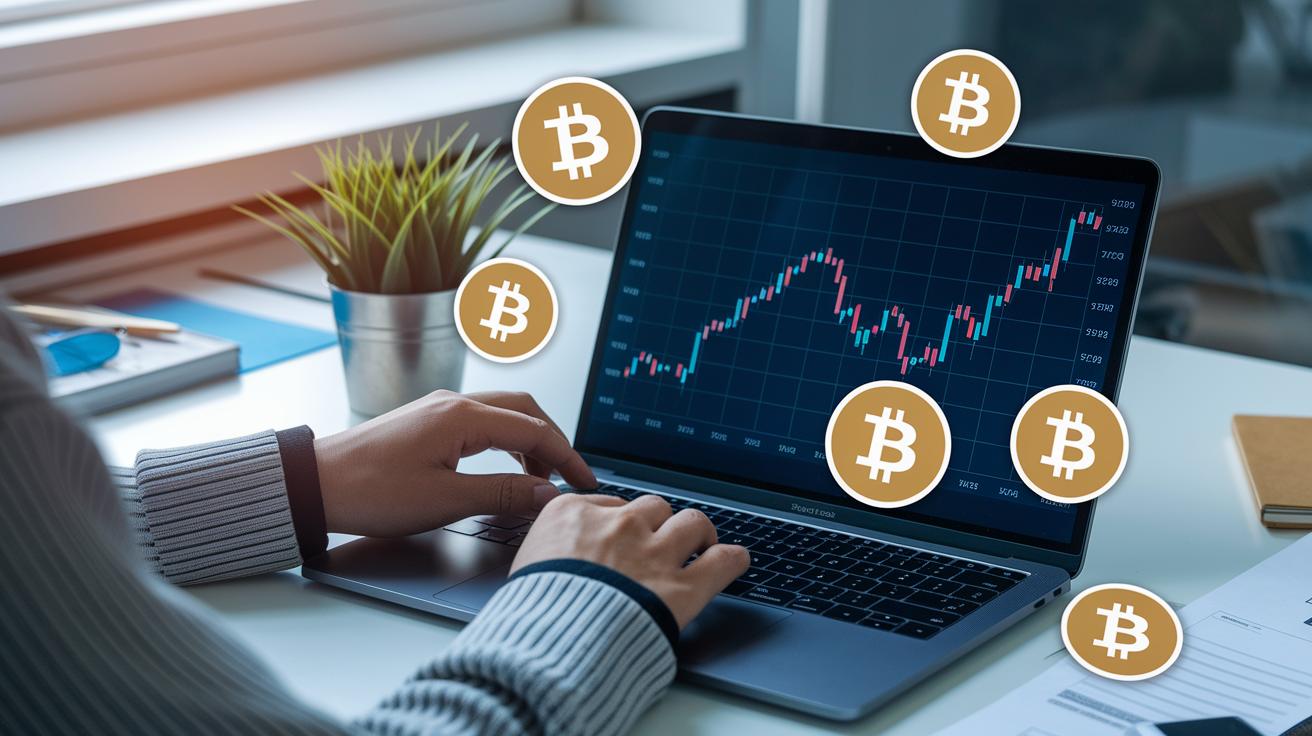
We take a close look at auction-based sales, including one-of-one releases, to see how actual sale prices measure up against the set starting floor prices. By scaling prices per token, we make sure every NFT drop is compared using the same yardstick. This method helps us see shifts in both the median and average sale prices over time. For instance, imagine a one-of-a-kind drop that jumped nearly 25% above its floor price within days of the auction. It really shows just how unpredictable auction formats can be!
The style of an auction can really shape how investors behave. Auction setups tend to cause bigger swings in the final sale prices. This means that a piece of art might sell for less during a quiet period or climb sharply when there’s a lot of interest. The price discovery process is often fast and full of surprises, much like a traditional art auction where bids can change in an instant.
- Auction data gives us clues about how the initial floor prices compare to later resale values.
- Price fluctuation studies highlight the gap between market expectations and actual sale prices.
- Digital art sales tracking shows us how quickly market sentiment can shift.
| Metric | Description |
|---|---|
| Normalized Price | Standardized per-token sale value |
| Median vs. Average Sale Price | Indicators of market pricing trends |
Artist and Platform Performance Evaluation in NFT Secondary Sales

We start by comparing revenue and trading numbers from different collections by the same creator. Essentially, we check how much net income is left once platform fees are taken out. For example, one artist might earn steadily from each drop, while another could see big bursts of income followed by slower periods.
We also pay close attention to various marketplaces. OpenSea is a big name, sure, but other platforms may have different fee setups and trading volumes. It’s a bit like comparing two sports teams, each has its own game plan and might shine under the right conditions.
Here’s what we look at:
- Investment performance: We check revenue trends and trade volumes over time.
- Marketplace performance: We compare how different platforms impact net income.
- Platform metrics: We look at which fee structures and trading conditions yield better returns.
- Comparative market review: We review multiple drops to spot artists who consistently perform well.
A key takeaway is that artists with repeated drops and strong audience engagement usually see higher net returns. Imagine an artist who keeps outperforming peers on an alternative marketplace, this shows that picking the right platform is crucial for success in NFT secondary sales. In short, both an artist’s strategy and the choice of platform are essential in turning these sales into solid investments.
Market Trend Evaluation and Forecasting Techniques for NFT Secondary Sales

Advanced modeling techniques help us understand the fast changes in the NFT resales market. By adding an analysis of drops driven by extra utility, like special event tokens that offer a bonus perk (think of it like unlocking a special level in your favorite video game), we get a fresh perspective on the trends.
To predict how trading volumes grow and prices cycle over time, many experts use models like time-series forecasting and regression analysis. It’s a bit like watching the tides, seeing when the market might be at its highest or lowest. These models give investors a handy peek into future market moves.
Looking at how collector groups connect through network analysis adds another layer of insight. Imagine each collector as a dot in a big web, and each connection shows hidden patterns in buying and selling. This method helps uncover trends that might otherwise go unnoticed.
And don’t overlook studies that compare different platforms. Checking multiple marketplaces can reveal where trading happens at lightning speed and where it’s more steady. This all builds toward a more precise way to track market trends in the dynamic world of NFTs.
Final Words
In the action, we've covered data collection, collector activity, pricing trends, artist performance, and market forecasting basics. We explored key market metrics using OpenSea data and peer-to-peer insights, then looked at collector sentiment through trade frequency insights.
Each section helps you make informed choices in the digital asset space. Our nft secondary sales analysis provides tools for grasping market dynamics, empowering you to tackle risk and explore portfolio diversification confidently. Keep your passion for smart investing strong.
FAQ
Q: What are the key resources for NFT secondary sales analysis in 2022, including PDF reports and free analysis options?
A: The NFT secondary sales analysis for 2022 uses market data to track trends and metrics, with PDF reports and free resources available to help users understand performance details.
Q: What are some popular NFT marketplaces for beginners, and how do they rank?
A: A combined list of NFT marketplaces covers rankings for general users and beginners alike, highlighting top platforms such as Rarible, SuperRare, OpenSea, Nifty Gateway Studio, Mintable, and NBA Top Shot.
Q: What is the secondary market for NFT?
A: The secondary market for NFT is where tokens are resold after their initial release, enabling collectors to trade assets and explore new price trends on platforms like OpenSea.
Q: Is NFT worthless now, and will it remain relevant in 2025?
A: Market trends show that NFTs continue to hold value and attract investment. While market shifts occur, they remain relevant as digital collectibles and assets with ongoing appeal.
Q: What type of NFT sells the most?
A: Market data indicates that collectible art and unique limited-edition tokens sell the most, driven by high collector interest and robust secondary market activity.