
Ever thought about your bank not just as a place for cash, but also as a safe spot for your digital coins? Crypto banks mix classic money management with modern digital tools, giving traditional banking a cool new twist. In this read, you'll find out what makes these banks stand out and how they're changing our everyday money habits. By combining old-school methods with innovative ideas, crypto banks offer flexible ways to manage your money that might change your whole perspective on banking.
Crypto Bank Explained: Definition, Key Features & Benefits

Crypto banks are like your usual banks but with a twist, they handle digital money too. They work as Virtual Asset Service Providers, meaning they look after crypto keys and connect traditional banking with new crypto services. Remember back in July 2020 when the Office of the Comptroller of the Currency set guidelines? That move helped banks keep your crypto safe. And hey, in 2021 the digital asset market hit over US$3 trillion in market cap, showing that more people are looking for modern banking that mixes old-school methods with crypto features.
These banks do more than just hold your cash. They let you buy, sell, swap, send, and even mint your digital assets. Imagine a bank that acts as both a regular institution and a crypto deposit spot. To make things even simpler, they offer services like staking, where you can earn rewards, and even Visa debit cards that let you spend your crypto like cash. It really changes how you think about making transactions in the digital world.
Using a crypto bank comes with plenty of perks. For instance, you can have your paycheck directly deposited into either crypto or USD accounts without paying extra fees. Plus, if you convert your funds into stablecoins like DAI or USDC, you get rewards that are tied to the dollar, which helps keep some of that crypto volatility in check. In short, crypto banks give you a bunch of flexible tools to manage your money in a way that feels both modern and safe.
Crypto Bank vs Traditional Banks: A Side-by-Side Comparison

Crypto banks bring a whole new set of services that make them stand out from regular banks. They let you move money quickly by connecting traditional money with digital crypto, so your bank-to-crypto transfers can happen fast. Plus, they offer special business accounts and even have desks dedicated to over-the-counter services, which means you can easily swap crypto for regular money. Their fee structures often charge you a small fee every month or with each transaction, fitting the quick nature of digital finance, unlike older, more fixed fee models in traditional banking. Users really appreciate how fast and flexible these transfers are.
When it comes to security, crypto banks use strong methods like storing funds offline (cold storage), using multi-signature wallets, and even offering insured custody for digital assets. Traditional banks, on the other hand, usually rely on FDIC insurance to protect your cash. Nowadays, strict SEC rules mean that institutions have to show their crypto assets on record, which bumps up the capital they must hold. This tighter oversight not only keeps transfers secure but also makes the process of swapping crypto for regular money smoother. Overall, these advanced security features and dynamic operations set crypto banks apart from the more traditional banking system.
Crypto Bank Account Setup: Linking Fiats & Wallets

Getting started with a crypto bank account is really simple. You just fill out an online form and verify who you are. This smart, secure platform checks your identity with trusted KYC and AML steps, so you can feel safe using it.
Once your identity is set, you can deposit any amount without extra fees. You even have the option to set up direct paycheck deposits in crypto or USD. It’s pretty neat, right?
Here's how it works:
- Online registration and identity check
- Linking your regular bank account
- Connecting your crypto wallet
- Setting up direct deposit
- Turning on two-factor login
After you finish these steps, you’ll enjoy a smooth experience that combines traditional and crypto banking. Platforms like Mercury use API integrations to link bank accounts and wallets with virtual IBANs and sub-accounts. And the login steps use multi-factor authentication to keep your account extra secure.
In short, this straightforward setup makes it easy for both newcomers and experienced investors to manage digital assets right alongside their traditional funds.
Crypto Bank Security & Compliance Measures
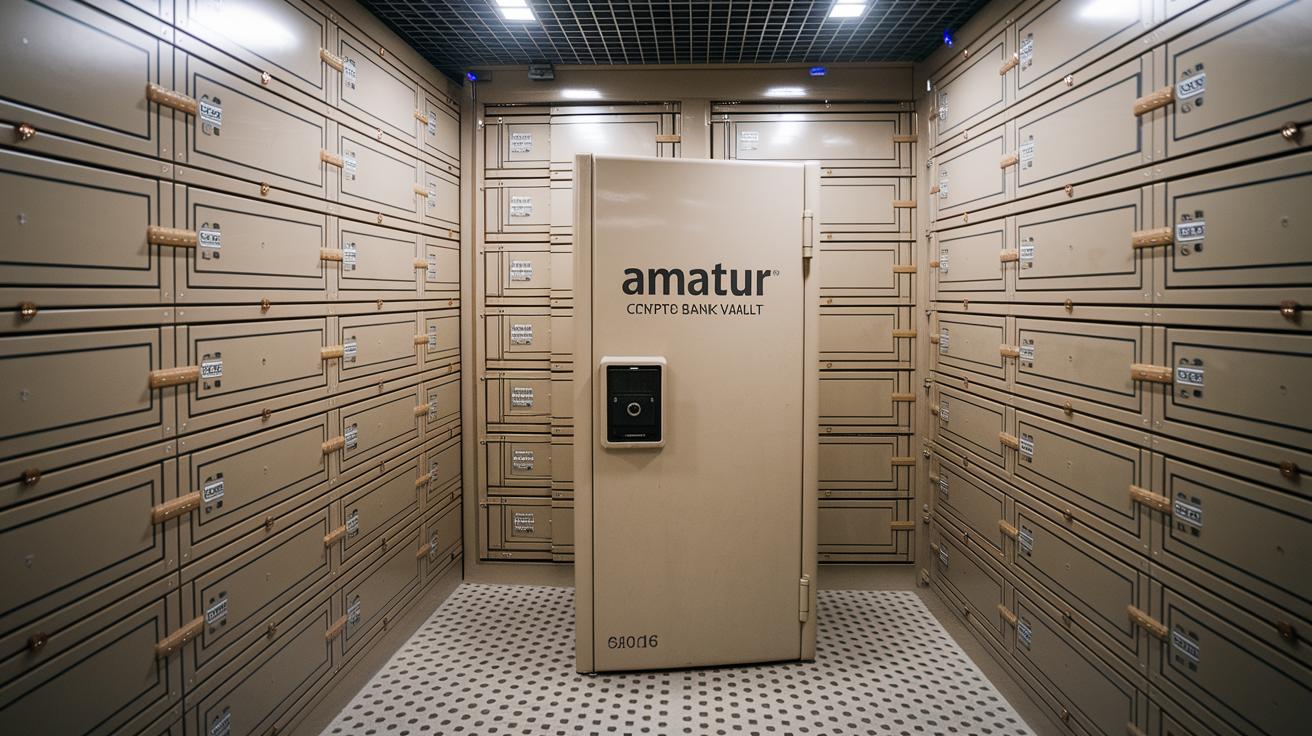
Banks that handle digital money have to stick to very strict rules. The SEC wants to see crypto listed on bank balance sheets. So, banks keep extra cash reserves to meet these requirements. This careful approach helps them avoid risks and follow all digital asset rules.
Crypto banks use strong security tools to keep your funds safe. They put digital keys in cold storage, which means they keep them offline to avoid hackers. They also use multi-signature checks, so more than one person is needed to approve a transaction. On top of that, insured custody services back up your assets in case anything goes wrong.
Risk management is a key focus in the world of digital finance. Banks follow special plans that work with both regular banking rules and crypto standards. These plans help spot any weak points in the system. They also make sure that security practices are always updated as new rules come into play.
Crypto Bank Technology: Blockchain Infrastructure & Smart Contracts

Crypto banks are using today's tech to make handling digital money smoother and more secure. They partner with blockchain experts, who work with a digital ledger system, and use smart contracts, which are self-executing digital agreements, to process transactions both safely and fast.
Blockchain & Settlement Platforms
Back in early 2021, a big global bank teamed up with blockchain pros to set up digital asset services that blend old-school banking with new digital money. Think of it like mixing your classic bank account with modern digital tools. For instance, platforms like JPMorgan’s Onyx and JPM Coin settle huge trades quickly and neatly. Banks also use modular API integrations, a way to plug in different tech tools, much like how Evolve Bank & Trust smoothly connects with a variety of digital services. Plus, platforms like SolarisBank build their systems in a flexible way so fintech companies can create different financial products without being locked into just one type of blockchain. Imagine trying to update your phone software with a simple download to keep your apps running well, it's that user-friendly.
Onchain Payment Functionalities
Crypto banks let you do many actions directly on the blockchain. You can buy, sell, swap, send, stake, and even mint digital assets using smart contracts, which automatically do the work once the conditions are set. This makes it a bit like having a handy digital wallet in your pocket where things happen without long waits or mistakes.
Putting these smart systems together forms a solid bridge between traditional finance and the world of digital assets, making your money management feel modern and efficient.
Crypto Bank Services & Use Cases: Payments, Lending & Custody

Crypto banks offer fresh ways to manage your money online. They let you use Visa-linked debit cards to spend your digital cash and even grab rewards when you change crypto into regular money. Plus, you can use DeFi-inspired savings accounts that might grow your funds faster than a typical bank. Some platforms even let you borrow money with Bitcoin as collateral, up to $1 million without a credit check, so folks in the U.S. can get money quickly. And, when it's time to change your crypto back to cash, the process is made to be quick and smooth. Have you ever noticed how fast these transactions have gotten? For more details on your options, check out this crypto exchange comparison.
| Service | Description | Example Institution |
|---|---|---|
| Payments | Spend crypto using Visa-linked debit cards while earning rewards and switching quickly between crypto and cash. | Revolut |
| Savings & Lending | Enjoy DeFi-style savings accounts that offer higher yields along with flexible lending options. | Evolve Bank & Trust |
| Loans | Access Bitcoin-backed loans up to $1 million without lengthy credit checks. | US-based Crypto Lender |
| Custody | Keep your digital assets safe using cold storage and multi-signature methods. | Bank Frick |
| Cross-border Remittances | Send money internationally with platforms that handle millions of dollars in daily transfers. | El Salvador Initiative |
These services help you manage and grow your digital finance portfolio with ease, mixing the speed of crypto transactions with the safety of traditional banking.
Crypto Bank Regulations & Future Trends

Crypto banks have to follow strict rules set by U.S. and EU regulators. In the U.S., for example, the SEC wants banks to list crypto assets on their books and keep extra capital on hand. Over in Europe, the rules are shifting with ideas like the digital euro and central bank digital currencies that blend old standards with fresh digital innovations.
Banks are now testing out new ways by using decentralized finance tools along with their regular services. With growing interest in digital currencies and modern payment systems, they're trying to make it easier to use both traditional and digital money. Many banks are even experimenting with smart contracts and blockchain tech side-by-side with their established systems.
Looking ahead, expect digital asset banking to lean more on mobile finance apps that mix fiat and crypto seamlessly. As central bank digital currencies become more common, banks will likely build platforms where you can manage all your money, both digital and traditional, in one place. This shift is paving the way for a friendlier, more connected financial future.
Final Words
In the action, we explored crypto bank basics, comparing its smart features with traditional banks.
We broke down account setup, key services like payments and lending, and how tech fuels secure, compliant digital asset management.
Each section outlined practical benefits and real market shifts, making it easier to see how this crypto bank revolutionizes everyday investing.
It’s exciting to see how strategic, informed moves in the digital asset space can boost your confidence in a dynamic market. Enjoy the momentum and stay ready for more insights.
FAQ
What is a crypto bank?
A crypto bank is an institution that manages digital assets by offering services like deposits, withdrawals, and onchain transactions. It integrates fiat-to-crypto transfers and various advanced features for secure digital banking.
What is the best crypto bank?
The best crypto bank provides strong security, competitive fee structures, integrated debit card solutions, and smooth digital asset conversions, making it attractive for both novice and experienced users.
How to set up a crypto bank?
Setting up a crypto bank involves online registration, completing identity checks, linking a traditional bank account and crypto wallet, activating direct deposits, and enabling two-factor authentication for a secure experience.
Can I withdraw crypto directly to my bank?
With many crypto banks, you can withdraw crypto to your bank account through a conversion process that turns digital assets into fiat or stablecoins, streamlining the transfer of funds.
What does a crypto wallet refer to?
A crypto wallet refers to a digital tool used to store and manage cryptocurrencies securely. It plays a key role in transactions and is often integrated into crypto banking platforms.
What is a crypto bank app?
A crypto bank app is a mobile platform that allows users to manage their digital assets, conduct transactions, and access banking features like deposits and withdrawals securely via a user-friendly interface.
What is a crypto bank account with a debit card?
A crypto bank account with a debit card allows users to spend their digital assets directly for everyday purchases while earning rewards and enjoying the convenience of crypto-to-fiat conversions.
Where can I find a crypto bank in the USA?
Crypto banks in the USA are available through regulatory-compliant institutions offering digital asset services, which include account management, integrated debit cards, and secure crypto-to-fiat transfers.
Is there a crypto bank list available?
A crypto bank list compiles verified institutions offering crypto banking services, helping users compare features such as fee structures, security measures, and digital asset management options.
What defines a crypto bank’s login process?
A crypto bank’s login process is defined by implementing high-level security measures like two-factor authentication and multi-step verifications, ensuring that user accounts remain well-protected from unauthorized access.