Ever noticed how some NFT projects suddenly become a hit while others quickly vanish? In this article, we break down every step of an NFT project's life, from the first idea and pre-launch checks to setting up the tech and reviewing the market.
We start with brainstorming and planning, then move on to the technical setup, and finally, we look at how the market reacts. It’s like putting together a recipe for success where every ingredient counts.
We believe that a clear plan and solid market research can make all the difference. So, have you ever wondered what really sets the winning projects apart? Read on to find out!
NFT Project Lifecycle Analysis: A Promising Path
The NFT project journey has six key steps: ideation, pre-launch validation, technical implementation, mint and launch, growth, and post-market review. Fun fact: a digital collectible can catch fire almost overnight, just like a viral trend on social media.
During the ideation stage, teams brainstorm ideas while making sure everything fits with their brand’s main values. Next, in pre-launch validation, they do in-depth market research and test out their ideas. They also create clear roadmaps and secure funding to get the project off the ground.
Then comes technical implementation. This stage involves picking the right digital ledger system (blockchain), checking smart contracts for errors (smart contract audits), and following legal advice to handle any upcoming compliance issues. When it’s time for mint and launch, important numbers like sell-through rates and transaction fees become the focus for a smooth market entry.
Growth happens when the community gets involved and secondary trading starts picking up. Teams keep tweaking their strategies to stay in the game. After that, the post-market review starts. Here, they track income, manage risks, and adjust plans as rules change. With new ideas and fast market shifts, projects need to keep on top of risk and legal issues. Knowing the full lifecycle and planning ahead with legal strategies really sets the stage for lasting success.
NFT Project Pre-Launch Stage: Concept Validation & Roadmap Planning

At this early stage, teams nail down exactly what their project is all about so that it truly reflects their brand. They start with a clear idea of what makes their digital collectible special, whether it's the eye-catching art or fun interactive features. They also dive into market research to make sure the idea clicks with future collectors.
After confirming the idea works, teams draw up a detailed roadmap that lays out key steps and deadlines. This roadmap acts like a guide, highlighting when things like smart contract creation, marketing pushes, and community-building events will happen. Having this plan in place helps both developers and investors feel more confident as the project moves forward.
Plans for the pre-sale are crucial, too. Teams often set up things like whitelists or early-bird perks to reward supporters and build excitement. These early moves help show that the team is committed and trustworthy.
Finally, it's important to figure out how to fund the project. By weighing options like crowdfunding and token presales, projects can secure the money they need to cover development costs and legal needs. This careful planning means there’s enough cash to bring the project vision to life.
By testing the concept thoroughly and planning every detail, teams set clear expectations for everyone involved, from investors to future community members. This smart preparation not only makes the technical work go more smoothly but also opens up chances to learn from early feedback, tighten up their strategy, and cement their brand vision.
Plans drive success.
NFT Project Development and Integration: Smart Contracts & Tokenomics
Building a strong technical base starts with picking the right digital ledger and consensus method. Teams look at important factors like security, cost, and scalability, often favoring systems that offer quick transactions and low fees. This early decision lays the groundwork for everything that follows.
Next up is the creation and review of smart contracts. Crafting a trustworthy contract is key to keeping the project safe from vulnerabilities. Developers follow best practices for integrating blockchain, then put their work through detailed audits. They might even check out resources like those found at https://nftcellar.net?p=1377 for spotting any loopholes, or rely on guidelines at https://nftcellar.net?p=1421 to ensure the code performs as it should.
Tokenomics comes into play right alongside smart contract development. A balanced token design means fair distribution, clear uses, and true scarcity. Developers figure out how tokens will be used, whether for governance, rewards, or access, and set up rules to avoid market tricks. This fair and clear approach builds trust with both investors and the community.
Security measures are woven into every part of the project. Teams track asset ownership and protect personal data to lessen risks. They also run tests to see how the system handles busy moments, like when gas fees change or transaction numbers surge. By fine-tuning performance under pressure, they ensure smooth operations even during peak times.
In short, managing these technical steps carefully creates a secure and scalable platform. This solid foundation is essential for the long-term success of any digital collectible project, and that's something every investor can appreciate.
NFT Project Minting and Launch: Performance Metrics & Market Strategies
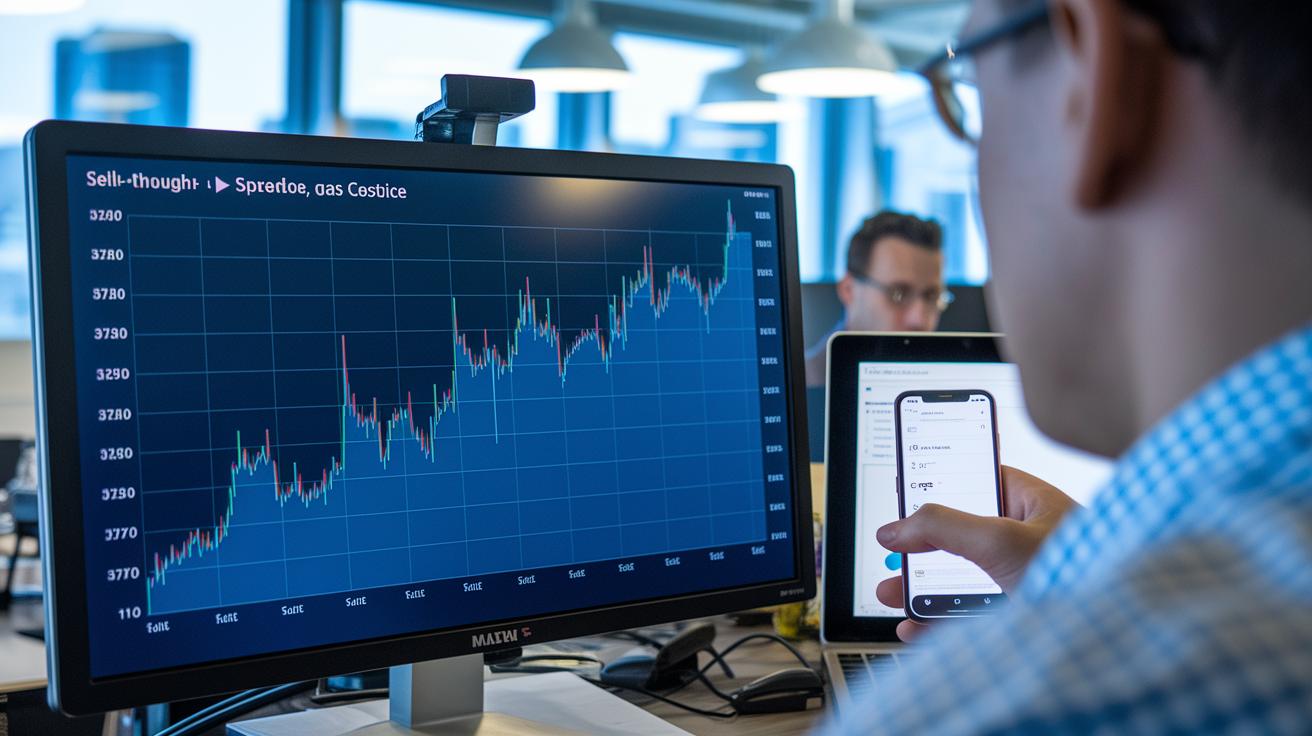
During the minting phase, you really see how things are performing. Key numbers like sell-through rate, mint velocity, and gas costs give us a clear picture. A strong sell-through rate indicates a lot of demand, and a fast minting speed shows that collectors are eager to grab tokens. Keeping gas costs low is important too, it helps keep both investors happy and the market running smoothly. By tracking these numbers, teams can quickly adjust their plans.
A solid launch strategy is just as crucial. Before the project goes live, pre-launch efforts such as social media outreach, influencer partnerships, and viral campaign tactics help stir up excitement. These activities create the buzz needed to draw in a variety of collectors. Plus, a clear and memorable brand, think a unique logo and simple messaging, ensures the project makes a standout debut.
Choosing the right launch platform matters as well. Looking at factors like marketplace integration and fee structures can really affect a project’s reach. For example, projects that list their tokens on top-rated nft marketplaces often enjoy better exposure and lower fees. When you combine strong minting results with a focused market strategy and clever branding, you set the stage for a rollout that can keep gaining momentum in the competitive world of digital collectibles.
By keeping a close eye on these metrics and adjusting to shifting buyer trends, teams can ensure the project not only starts strong but also continues to attract interest as the market evolves.
NFT Project Growth & Sustainability: Community Engagement & Secondary Market Dynamics
Once a project lands on the market, its growth depends a lot on keeping an eye on secondary trading and staying connected with the community. You can tell a lot about how collectors value these digital collectibles by watching changes in the floor price and trade volume. For instance, a sudden drop in the floor price might show that interest is fading, while steady trade volume means people are still engaged. Off-market deals, or OTC activity, also help reveal deeper market liquidity.
Community numbers, like how many people join on Discord and Twitter, share a story that goes beyond raw data. When you see more active chat members and a positive vibe online, it boosts the project’s credibility, much like a sports team that thrives thanks to its passionate fans. Teams often use methods such as airdrops or governance voting to keep collectors in the loop and reward those who stick around. Imagine a recent airdrop where over 1,000 digital asset tokens were given away, sparking lively debates about where the project should head next.
Looking at metrics like Total Unique Holders and growth in First Time Buyers adds even more detail to the picture. If a few wallets hold most tokens, any sudden change in their activity can quickly affect the floor price. On the other hand, a steady rise in first-time buyers points to wider market acceptance. Analyzing wallet groups and how transactions flow is a bit like watching which neighborhoods light up during a big city event.
Gas fees also play an important role. When trading slows down during high fee periods, it shows that people are sensitive to transaction costs. This might prompt teams to explore strategies that keep the market open and welcoming.
| Indicator | What It Tells |
|---|---|
| Floor Price | Market valuation trends |
| First Time Buyers | New market entry levels |
NFT Project Post-Market Analysis & Long-Term Sustainability

Looking back at how the project performed in the past helps us understand its returns and break down where the money comes from. Teams often set up a system to track earnings from initial sales, secondary market trades, and other revenue streams. They might check these numbers every month or quarter to spot areas that need a little change. This regular review keeps the project competitive as it grows through different stages.
Risk management naturally goes hand in hand with performance reviews. As market rules shift, it's smart for projects to regularly update their risk protocols. For instance, refreshing know-your-customer checks and strengthening intellectual property safeguards can boost confidence. Regular steps like internal audits and legal reviews help catch issues early, strengthening trust with investors while making sure everything stays on track with new rules.
Long-term sustainability also calls for strong governance and careful record-keeping. Keeping a clear record of big decisions and performance data makes it easier to plan for the future, especially when it’s time to wrap things up or switch strategies. A transparent way to document these details not only guides future decisions but also helps adjust plans as the market changes. By revisiting these processes often, teams can keep the project flexible and ready for new challenges, ensuring lasting value for everyone involved.
Final Words
In the action, the blog post took us through stages from idea validation and technical setup to mint metrics and post-market review. Each phase builds on the last, offering clear insights into project planning, smart contract development, market launches, and community dynamics. This breakdown helps you see how every step contributes to a smart strategy. The guide encourages confident moves in your nft project lifecycle analysis while reminding you that thoughtful preparation can lead to rewarding outcomes. Stay optimistic and informed.
FAQ
Are NFTs still a thing in 2025?
The idea that NFTs remain in play holds true in 2025. Digital assets continue in the market, though with a shift in focus as regulatory challenges and evolving trends shape investor interest.
Why are NFTs no longer popular?
The view that NFTs have lost popularity stems from market saturation paired with shifting investor sentiment and regulatory hurdles. Such factors have reduced the early hype, leading to more reserved market participation.
What is NFT analysis?
NFT analysis refers to examining market trends and project performance. It includes reviewing development stages, mint performance, secondary market activity, and community engagement to assess an NFT project’s health and prospects.
How much is $1.00 NFT worth in dollars?
The statement that a $1.00 NFT is worth exactly one dollar holds true as a base price. However, the market value could change depending on demand, rarity, and overall market conditions.