
Have you ever thought digital art might have its own mood? Think of the NFT market sentiment index like a mood ring for art collectors. It turns everyday conversations into simple scores that show how people are feeling.
When the score spikes, it can mean excitement is in the air. If it dips, traders might be feeling a bit cautious. These sudden changes have surprised a lot of people, making everyone wonder what the market is really up to.
In this post, we look at these live trends and talk about how quick drops or fast climbs can change the way NFTs are bought and sold.
nft market sentiment index analysis shows lively trends
The NFT market sentiment index is like a digital mood ring for collectors. It gives a score from 0 to 100 that shows whether investors are feeling cautious or really excited. Think of it as a quick snapshot of the overall vibe, using numbers to highlight moments of panic or enthusiasm. For instance, imagine a day when floor prices suddenly slide down and everyone on social media is buzzing with worry – the index might dip as low as 10.
This score works on a simple 0 to 100 scale. Low numbers signal a market full of hesitation, while high numbers point to high energy and even possible overpricing. It pulls in clear data like the number of NFT sales and how much the floor prices change, along with friendly signals from social chatter and on-chain activity. So, when a popular hashtag for exclusive art starts trending and pushes prices higher, the index could jump up to around 85, offering traders a straightforward way to tell if the market might be undervalued or overvalued.
Smart tools like machine learning and natural language processing help build this index. They sift through tons of text from places like Telegram, Reddit, and news feeds, breaking down raw data into easy-to-read sentiment scores. By crunching thousands of data points in real time and comparing with past trends, the index turns a mix of signals into one clear number that shows how the NFT world is really feeling.
Methodologies Behind NFT Sentiment Index Analysis

The process kicks off by gathering messages and chatter from beloved spots like Telegram, Reddit, and Discord, places where NFT fans and traders share their thoughts. We scoop up posts, comments, and messages, then dive into cleaning the text. This step means removing messy bits such as URLs, extra symbols, and emojis. We also break sentences into single words to keep the sentiment signals crystal clear. Imagine a Discord message saying, "Wow! Check out this drop 😎👉 www.example.com", we strip it down to just capture what the investor really feels. These careful steps help us turn heaps of raw text into a polished piece ready for deep analysis.
Next, we shift gears with machine learning models that act like emotion detectors to turn the cleaned text into sentiment scores. Trained on past data, these models learn to read market moods from online conversations. They also blend this with on-chain data from blockchain transactions and mix in off-chain chatter from social media. By doing this, our system offers a broad view of the digital asset world. For example, if a jump in NFT sales happens at the same time as an upswing in positive comments, our model bumps up the sentiment score to show a stronger market pulse.
Key Data Sources for NFT Market Sentiment Metrics
The NFT sentiment index pulls insights from several key data feeds that help us see the overall mood of the market. For example, one of the main signals comes from on-chain volume metrics. Since the Dencun upgrade, Ethereum now handles 62% of NFT transactions. And when you check social chatter on places like Discord and Twitter, you often see trends that hint at price changes two to four weeks ahead. It’s like having a friend give you an early heads-up about what’s coming next.
Sales trends matter a lot too. In July 2025, the NFT market saw a $574 million boost, thanks mainly to gaming and digital identity projects. Putting these numbers together gives traders a solid view of where the market might be headed. Tools like the Market Sentiment Indicators bring all these different pieces, on-chain volume, social signals, sales numbers, and floor prices, into one picture so you can get a real feel for market dynamics.
| Data Source | Metric | Frequency |
|---|---|---|
| On-chain Volume | 62% NFT transactions on Ethereum | Real-time |
| Social Sentiment | Discord and Twitter chatter with 2–4 week lag | Weekly |
| Sales Volume | $574M surge in July 2025 driven by gaming/digital ID | Monthly |
| Average Floor Price | Daily price fluctuations of NFT collections | Hourly monitoring |
Impact of NFT Sentiment Scores on Pricing and Market Behavior

NFT sentiment scores clearly drive price changes. For example, a celebrity-backed Bored Ape NFT sold for $1.2 million in May 2025, sparking a 19% jump in its token price. Social platforms like Discord and Twitter send out hints, usually two to four weeks ahead of major price moves. Many market watchers treat these sentiment clues as trusted crypto signals, showing that the buzz online can soon turn into real price action. When sentiment rises, buyers rush in, and when it falls, investors quickly rethink their plans.
- Celebrity-linked NFT sale pushing token prices up by 19%
- Social chatter on Discord and Twitter hinting at price changes a few weeks ahead
- Early September 2025 saw a nearly 20% weekly drop in NFT sales amid overall market swings
Investors tend to react to these sentiment signals. When the market feels upbeat, traders dive into buying, expecting the trend to keep climbing. But if the mood shifts downward, they prefer to tread carefully and adjust their portfolios. They mix on-chain data with community mood insights to plan their moves. This blend of hard data and online buzz creates a loop where sentiment directly shapes NFT prices, helping investors assess risks and rewards in real time.
Institutional Adoption and Recent NFT Sentiment Trends
Institutional investors are shaking up the NFT market. In 2025, these big players now account for about 15% of the annual NFT revenue. They’re pouring money into promising NFT collections and new trends, which has led to major market moments. For instance, back in July 2025, a $574 million surge was driven by gaming and digital identity projects sparking heavy trading. It’s pretty wild how these shifts in investor mood are starting to influence how we read sentiment indices.
Recent protocol upgrades are making NFT sentiment signals clearer than ever. Take the Dencun upgrade, it trimmed gas fees by more than half, which boosted transaction speeds and the reliability of on-chain data. This means sentiment models are now better at mixing real-time blockchain activity with buzz on social media. Investors often look to resources like NFT Investing to see how these technical tweaks change market sentiment and reveal more about asset flows.
The broader marketplace is evolving along with these changes. As blockchain platforms mature, both investors and collectors enjoy faster transactions and increased transparency. This growing ecosystem of efficient processes and detailed sentiment analysis is paving the way for a more responsive and adaptive NFT market.
Challenges and Limitations of NFT Market Sentiment Index Analysis
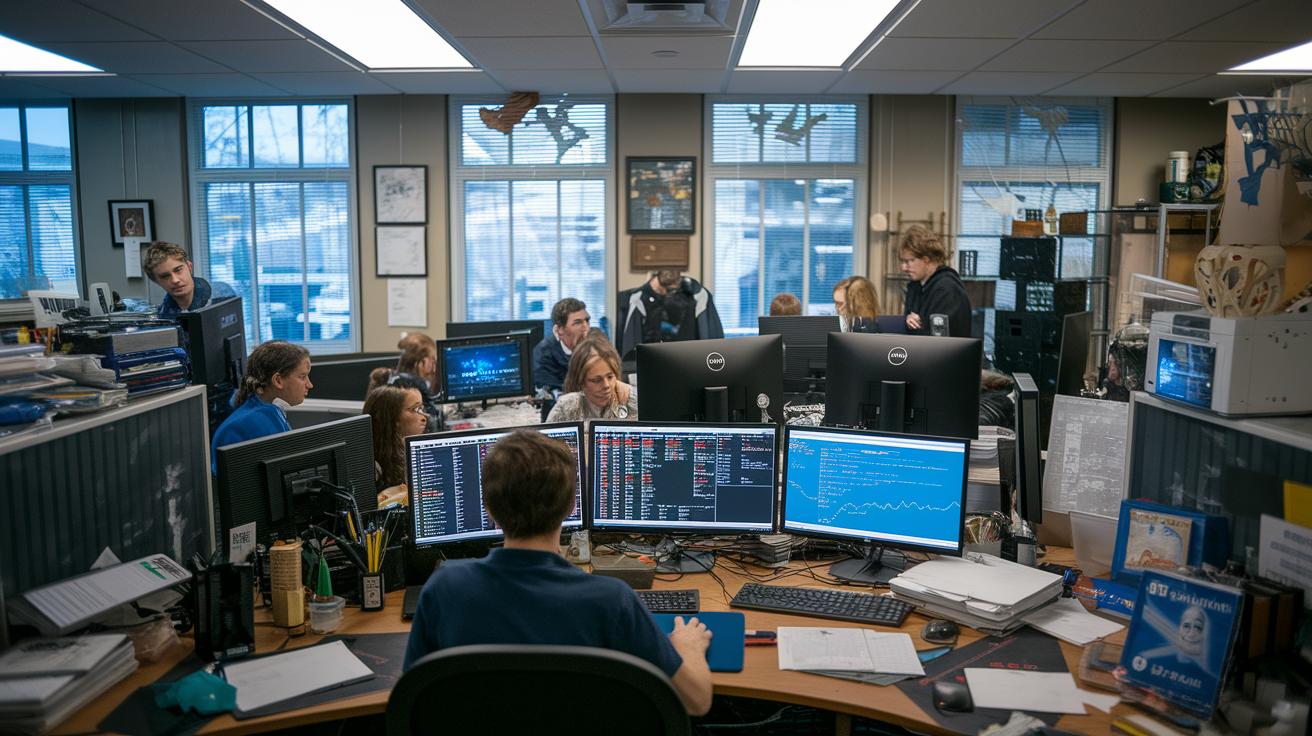
Even with today's advanced language tools, many mainstream models struggle with crypto lingo. These models are designed for everyday language, so they can miss the subtle hints that come with NFT chatter. You might notice that a casual comment gets brushed off or that collectors’ slang doesn’t get the right meaning. It’s a good idea to check out "How to Interpret Market Sentiment" to see the full picture.
High-frequency social feeds create a lot of background noise. Bulk messages, nonstop posts, and sudden spikes in on-chain activity add outliers that must be filtered. This constant flow of info sometimes confuses algorithms, making it tough to capture the real market vibe. Extra steps are needed to pull out the key details from all the clutter.
NFT communities often use cultural and artistic language that falls outside the usual range of these models. Their unique references, art terms, and local trends can shout out strong emotions, ones the system might miss. Even smart, well-tuned models can overlook these important factors that really drive NFT market behavior.
Final Words
In the action, we’ve explored how the index captures market mood using sales volume, floor price moves, and social chatter, all processed by machine learning techniques. The post broke down data sourcing and prediction methods, showed key inputs like on-chain metrics and social trends, and examined how sentiment scores affect pricing trends.
The insights help investors build smarter strategies and manage risks in a dynamic market through nft market sentiment index analysis. Keep exploring and stay positive as you refine your approach.
FAQ
Are NFTs still relevant in 2025?
The question about NFTs remaining relevant in 2025 means they continue impacting digital investments, driven by innovation in blockchain technology and ongoing use in art, gaming, and digital identity.
Is market sentiment bullish or bearish?
The question on market sentiment being bullish or bearish means analysts measure mood using social media chatter, sales trends, and on-chain data to capture shifts in investor emotions.
What is the NFT market like right now?
The question about the current state of the NFT market means it remains active and dynamic, with sales data and digital asset trends reflecting a responsive and continuously shifting market behavior.
How to analyze crypto market sentiment?
The question on analyzing crypto market sentiment means using machine learning and natural language techniques to process social feeds and technical metrics, resulting in a clear gauge of investor emotions.