
Ever wonder if you could predict NFT market shifts before they happen? Predictive analytics does just that by mixing solid blockchain data, like past sales and wallet moves, with social media buzz. It’s like watching a live game where one set of numbers shows what’s going on now and the talk hints at the next big move. This approach helps you spot early signals so you can stay ahead in the fast-moving world of NFTs.
Essential Predictive Analytics Techniques for NFT Market Trends
Predictive analytics for NFTs mixes on-chain info with off-chain clues to help forecast price changes and market shifts. On-chain details like past sales and wallet actions provide hard facts, while off-chain chatter from social media and insights about the creator add extra color. Think of it like checking a live game score, on-chain data shows each play, and off-chain buzz explains the game’s vibe.
On-chain data gives you clear insights by tracking every transaction and wallet move. This helps analysts see trends and catch early signals of potential price jumps or drops. Meanwhile, off-chain factors, like tweets and Discord posts, give more background by showing what people really think about a project. When you bring these data points together, it creates a strong base that can either point out a promising opportunity or warn you about a possible downturn.
Key methods drive this predictive work. Models that look at trends over time, like ARIMA or recurrent neural networks, help track short-term and longer trends in the market. Other methods, like linear regression or gradient boosting, weigh different factors such as trading volume and social vibes to set up predictions. Neural networks, for example, are great at picking up tiny changes in sentiment that might otherwise fly under the radar. Tools that combine these techniques into clear, automated dashboards make it easier for investors to keep up with the fast-changing NFT market.
NFT Data Collection Methods for Predictive Analytics
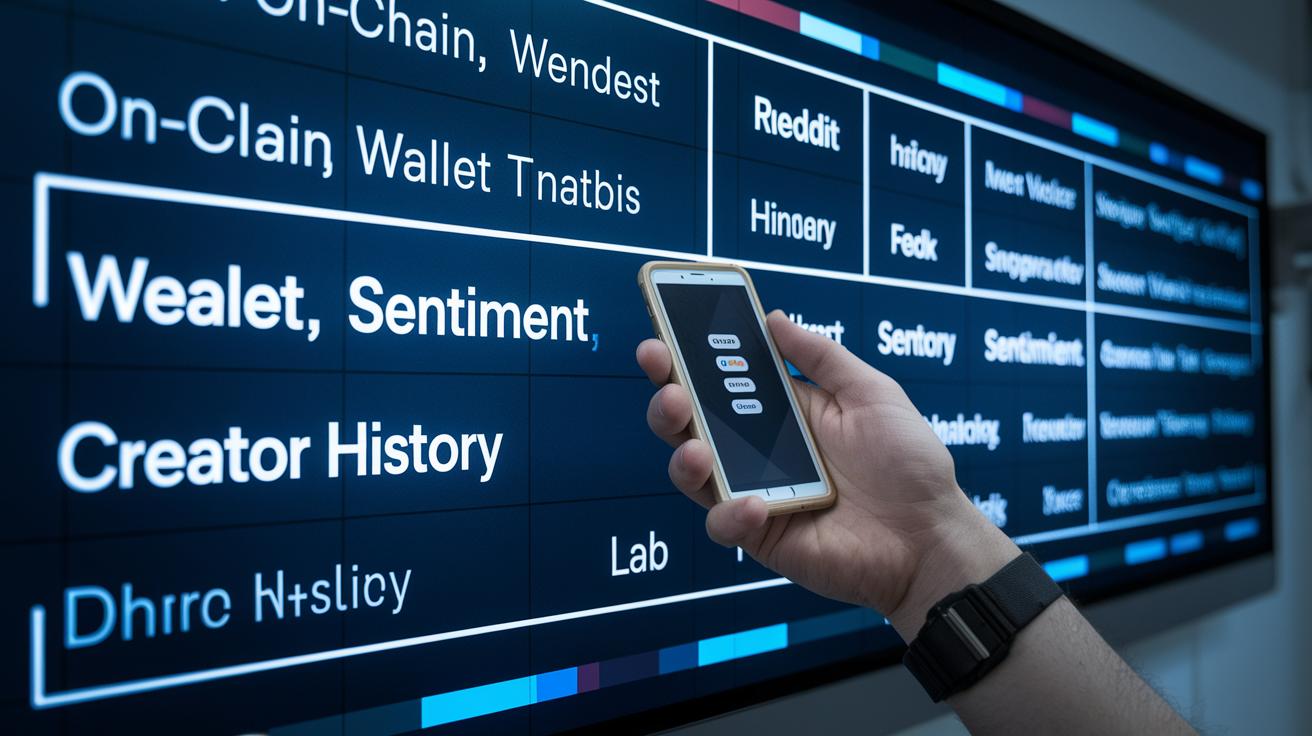
Robust data pipelines are the foundation for making smart predictions in the world of NFTs. They blend past records with fresh data so you can rely on a steady base when forecasting market trends. Accuracy and consistency really matter here because even a tiny mistake can throw off the whole prediction.
- On-chain marketplace transactions
- Wallet interaction metrics
- Social media sentiment feeds
- Creator drop history
Collecting good data isn’t just about gathering numbers. It’s about cleaning up old records, formatting everything neatly, and checking every source along the way. Trusted oracles and regular audits ensure that your data stays reliable. For example, by double-checking the timestamps in transaction logs, you can avoid misleading forecasts that might otherwise happen.
Mixing on-chain details, like wallet addresses and timestamps, with off-chain signals like social media feeds gives you a fuller picture of market trends. This diverse blend of sources helps prediction tools nail down more precise forecasts. Plus, sticking to practices like checking for duplicates and handling errors properly really boosts your confidence in the analysis.
NFT Price Prediction Modeling Techniques
Time-Series Analysis
Time-series analysis looks at past NFT price data to spot trends and seasonal patterns. ARIMA models help by tracking regular patterns over longer periods, making it useful for forecasting over several days. And RNNs, or recurrent neural networks, use past sequences to predict what comes next, quickly adjusting when market trends shift. For example, an RNN might catch a sudden burst of trading activity better than ARIMA.
Machine Learning Regression Models
Machine learning regression models like linear regression and gradient boosting use data such as trading volume and social media buzz. Linear regression links these inputs directly to NFT prices using clear statistical methods. On the other hand, gradient boosting refines its predictions by learning from previous mistakes. Both models rely on picking the best data points, which turns complex market info into clear price predictions.
Neural Networks for Pattern Recognition
Deep neural networks are built to notice subtle signals within large amounts of data. They process everything from hard numbers to social media feeds, allowing them to pick up on changes in sentiment. By detecting non-linear relationships, these networks adjust rapidly when market vibes shift, offering a deeper look at price movements.
| Technique | Description | Use Case |
|---|---|---|
| ARIMA | Models trends and seasonal patterns using historical price data | Long-term trend forecasting |
| Linear Regression/Gradient Boosting | Analyzes volume and social signals for predictions | Feature-based price forecasting |
| Deep Neural Networks | Recognizes subtle sentiment shifts in large data sets | Short-term market dynamics |
NFT Analytics Platforms and Tools
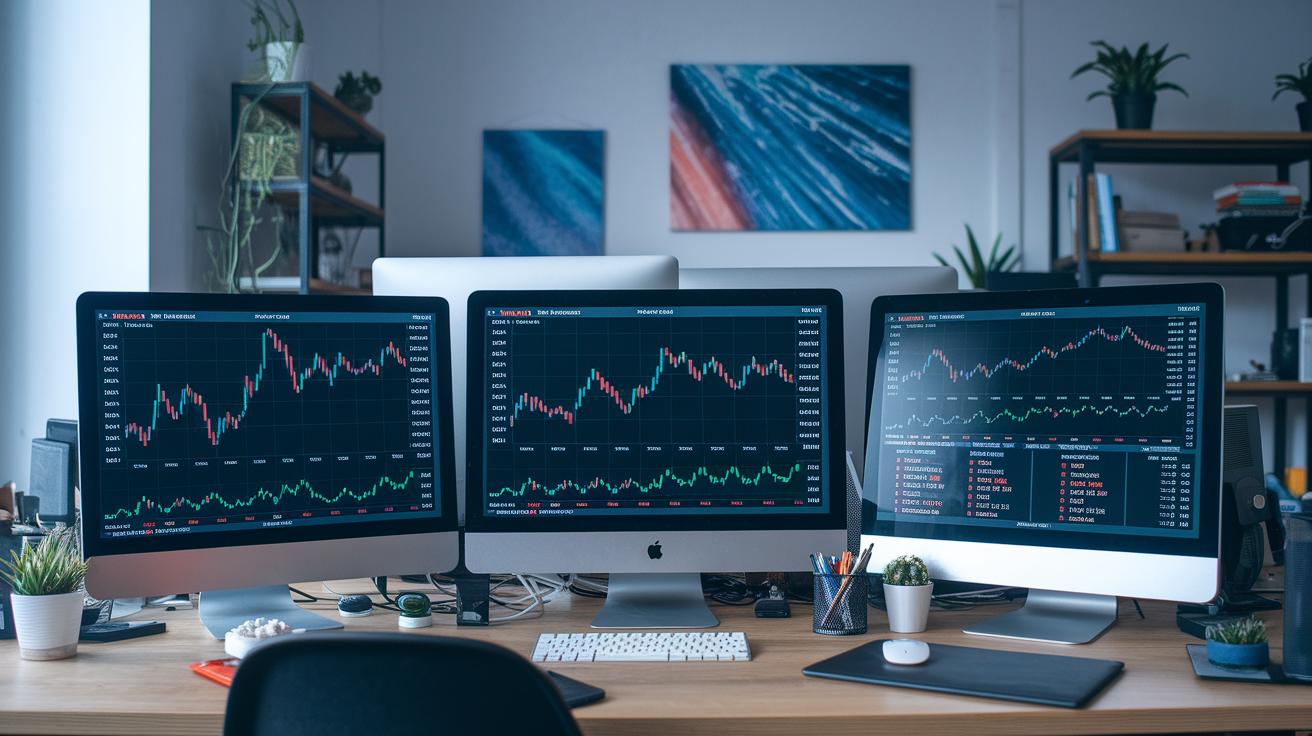
Automated dashboards give you a clear window into the NFT market, showing live updates of trading and wallet movements. They pull in different types of data, like on-chain transaction details (which record how NFTs change hands) and off-chain signals reflecting public sentiment. This real-time mix helps you spot trends and make fast decisions.
Take Nansen, for example. It tracks wallets and shows on-chain metrics live, overlaying data with a feel for market mood. This lets you see several data points at once without jumping between screens. Similarly, DappRadar pulls in wallet interactions, timestamps for transactions, and user engagement details. Their dashboards present a complete picture that can alert you to shifts in the market, helping you adjust your strategy on the fly.
Both tools update their data very frequently and come with robust API access, which makes it easy to mix and match data streams. This constant refresh means you’re rarely working with outdated info. With continuous updates and clear visuals, these platforms help you keep pace with the fast-moving NFT market.
Case Studies in Algorithmic NFT Performance Prediction
In the CryptoPunks market, analysts have noticed that a burst of new wallet holders can signal an upcoming price rise. When blockchain data shows a jump in wallet activity, it serves as a quick pulse check on market moods. One expert even compared this surge to a growing crowd before a big concert, hinting at the momentum building for CryptoPunks.
Moving over to the Bored Ape Yacht Club, analysts are turning to social media platforms like Twitter and Discord. They use simple machine learning models to track everyday chatter. When the overall tone grows positive, it often means the community’s excitement is peaking, which could lead to price spikes. It’s like catching that early buzz when you notice everyone’s talking ahead of a hot trend.
Another study looks into how an artist’s reputation can affect the performance of NFT drops on the secondary market. By checking past results and how well digital artists have done before, experts are better at predicting which drops will be a hit. One research note highlighted that artists with a track record of successful drops often see strong immediate resales, showing that buyer trust plays a key role. This blend of history and current market signals creates a clearer picture of what to expect in NFT valuations.
Addressing Challenges in NFT Predictive Analytics

When it comes to predicting NFT trends, one big issue we face is keeping data consistent across different marketplaces. Data from one site might look totally different from what you see on another. This mix-up can leave gaps in the analysis and throw off the signals we rely on. Even a small timing error, like a timestamp that’s off, can suggest a trend that simply isn’t there.
Models also hit snags during sudden viral events and when people try to manipulate numbers. You know how things can suddenly catch fire on social media? That kind of hype can overwhelm the usual methods. And tactics like wash trading, where sales numbers get boosted artificially, can further confuse the picture. So, models that depend only on historical data might not work well when the market gets hit with unexpected bursts of excitement or coordinated trading efforts.
Also, it’s not just about the numbers. The vibe and cultural influence of a community play a huge role too. While the stats give you clear signals, the little things like community engagement can make a big difference in the long run. No single model can catch every detail that affects NFT success.
Best Practices and Future Outlook for NFT Predictive Analytics
Setting clear goals is the first step to building a solid predictive model. You start by figuring out what you want from your digital asset forecasts, maybe you’re trying to predict future prices or gauge overall market vibes. It’s also super important to look after your data. Keeping historical records and live data neat and error-free sets you up for success.
Following rules and protecting privacy aren’t just checkboxes, they build trust with investors. By weaving these safety measures into your analytics plan, you create a strong foundation that boosts investor confidence. And as markets change, don’t forget to update and fine-tune your methods; regular tweaks help your forecasts stay on point.
Looking ahead, advanced AI techniques promise to make digital asset analytics even sharper. Imagine models using deep learning to pick up on small market shifts and turn raw data into clear, actionable insights. Plus, smart contract-triggered automation could soon adjust strategies in real-time, cutting down on manual effort.
In short, the focus is shifting from signals based largely on speculation to more practical, utility-driven analytics. By plugging these insights directly into your decision-making process, investors can better assess long-term value and spot trends with more confidence.
Final Words
In the action, the post explored key techniques for predicting market trends in NFTs using on-chain data and off-chain signals like social sentiment. We covered forecasting models, including time-series analysis and neural networks, and compared trusted dashboards that track digital asset performance.
By embracing nft predictive analytics methods, investors can gain valuable insights to boost their decision-making. The analysis offered here encourages a smarter, more confident approach to digital investing, paving the way for future opportunities.
FAQ
What are the three types of predictive analysis?
The three types of predictive analysis include descriptive analytics, which reviews past data; predictive analytics, which forecasts future trends; and prescriptive analytics, which recommends actions based on predictions.
What is the prediction for NFT?
The prediction for NFTs involves forecasting market trends by analyzing both on-chain data like sales history and off-chain factors such as social sentiment and creator reputation to estimate future value.
What are the three most used predictive modeling techniques?
The three most used techniques include time-series forecasting (like ARIMA and recurrent neural networks), regression analysis (such as linear regression and gradient boosting), and neural networks for identifying complex data patterns.
What is a neural network in predictive analytics?
A neural network in predictive analytics is a system of connected computing nodes that learns patterns from data, helping to detect trends and shifts in market sentiment for more accurate predictions.