
Ever notice that setting a price for an NFT feels like aiming at a moving target? NFT values can jump around so fast, making it tricky to know if you're getting a fair deal. Some people check previous sales while others try to guess where the market is headed. In short, this post breaks down the expert methods for pricing NFTs, giving you a clearer look at what these digital treasures are really worth.
nft market valuation challenges: Bright market insights
NFTs are digital tokens on the Ethereum blockchain that act like a digital certificate of ownership. They’re unique, meaning no two tokens are exactly alike. This distinct quality makes it tricky to pin down their value.
There’s no set market or steady price tag for NFTs. Prices can jump around a lot from one platform to another. So, what you pay for an NFT in one place might be very different somewhere else. This makes valuing them a real challenge and often forces investors to rethink how they assess these assets.
To tackle this, some experts use recent sale prices of similar NFTs to get a rough idea of value. Others rely on professional appraisals, which add a bit of expert judgment when there isn’t much data. Then there are income-based methods, which try to estimate future cash flow. These approaches aim to provide a clearer picture of long-term value.
Another factor comes from the way token standards have evolved. The early ERC-20 standard was meant for tokens that are all the same, while the ERC-721 standard, created in 2018, covers unique tokens like NFTs. This shift means traditional financial methods sometimes need a tweak to fit these digital assets.
Impact of Volatility and Liquidity on NFT Valuation
NFT prices often behave like a wild roller coaster ride because of all the speculative trading going on. When not many people are trading and there are only a few orders, the prices can jump up one moment and drop the next. For instance, a piece of NFT art might skyrocket one day and then quickly fall as there isn’t enough trading to keep its value steady. Take this surprising bit: an NFT that sold for $20,000 on one platform lost almost 30% of its value in just a few hours because low liquidity left investors scrambling to reposition their investments.
Limited active marketplaces and the heavy reliance on person-to-person transfers add to the challenge. With fewer buyers and sellers around, the gap between what people are willing to pay and what sellers want keeps getting bigger, making it tough to settle on a fair price. This kind of instability shows up clearly in nft market capitalization trends, where the flow of money can be very uneven across different platforms.
| Volatility Cause | Impact |
|---|---|
| Speculative Trading | Sharp and unpredictable price changes |
| Low Transaction Volumes | Wider gaps in pricing and liquidity problems |
| Shallow Order Books | Toughies in finding stable market values |
The uneven access to reliable transaction data only adds to the confusion, making it harder to predict future price moves and causing more worry for investors. Have you ever noticed how uncertainty in the market just makes you second-guess your next move?
Limitations of Digital Asset Pricing Models in NFT Valuation

Many digital asset pricing methods still lean on old-fashioned accounting tricks. They compare recent sales, listen to expert opinions, or predict future earnings using income-based approaches. These techniques work fine for regular stuff, but they just can’t capture the special, one-of-a-kind vibe of NFTs. Think of it like trying to price a unique piece of art with the same rules you’d use for a common stock.
Data is another big headache. A lot of the info comes in different shapes and sizes, and there’s no standard way to grab it all. Most of the data is scattered across various websites or focused on one platform. Without a complete picture, these pricing models end up like a puzzle missing a few key pieces.
Even though machine learning and statistical tools seem promising, they aren’t a magic fix. They struggle with sporadic transaction records and uneven data quality. It’s a bit like trying to predict tomorrow’s weather without enough clues, without steady data, it all falls apart. This is similar to challenges in algorithmic trading, where reliable data is crucial for making sound market forecasts.
Role of Scarcity, Utility, and Sentiment in NFT Valuation
NFTs aren’t your usual financial asset. They mix rarity, real-world use, and a lot of market buzz to set their prices. Whether it’s digital art, collectible items, or game tokens, the way these tokens work in practice really affects their value. A token that plays a role in a popular game, for example, often ends up being more valuable than one that doesn’t have a clear purpose.
Scarcity adds its own special twist. Limited editions, a small number of tokens on the blockchain, and token burn mechanisms all help show how rare a digital asset is. Picture a collection with just 100 tokens available. That tight supply makes collectors pay extra attention because they know they’re chasing something truly scarce. And isn’t it wild how a digital collectible dropped in small numbers can generate so much excitement and shoot up in value, much like a rare trading card that everyone wants?
Then there’s market sentiment, which brings an extra layer of complexity. Trends on social media, active community conversations, and shoutouts from influencers all can change an NFT's appeal. The energy and emotion online have a big impact, often causing quick shifts in how people buy and sell these assets. It’s that mix of feelings and hype that makes getting the right price a real challenge.
Put all these factors together, scarcity, utility, and sentiment, and you have a puzzle that traditional financial models just can’t easily solve. This ever-changing mix is what makes the world of digital tokens so dynamic and fascinating.
Data Transparency and Regulatory Challenges in NFT Valuation

Many NFT platforms rely on web-based transaction data, which means investors often struggle to see the full picture. Without a standard set of tools or APIs, gathering all the details needed to evaluate digital tokens becomes a real challenge. For example, one marketplace revealed that without automated data feeds, analysts had to check prices manually several times a day, opening the door to mistakes and delays.
This situation is a clear case of the challenges faced with uneven ledger transparency. Without complete and consistent data from every transaction, blockchain records end up looking like a jumbled patchwork of pieces. As a result, traditional accounting methods need some fixing, and experts are pushing for simple guidelines that fit today’s crypto rules. On top of that, different regions have their own regulations, which adds extra risks when pricing these digital assets.
The issues don’t stop there. When platforms have to follow various rules from different regions, their credibility can take a hit. Analysts often turn to trusted resources, like detailed guides on the regulatory landscape, for a better understanding of these standards.
Blockchain transactions have a lot of potential, but without solid and unified data sources, that promise isn’t fully realized. Better regulations and improved access to data are essential for setting a trustworthy value on these digital assets.
Illustrative Case Studies of NFT Valuation Discrepancies
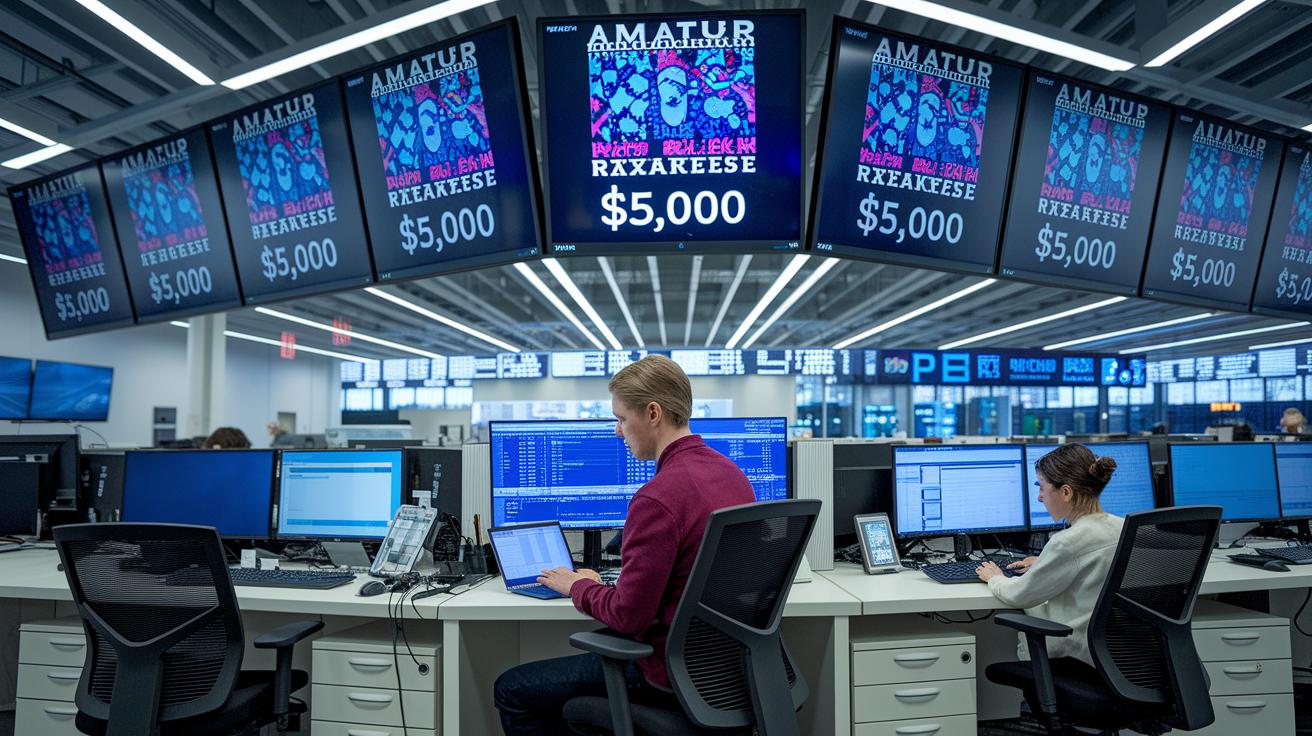
Experts who track digital assets using blockchain crawlers and web scraping tools have discovered big differences in how the same NFT artwork is priced. They found one piece listed for $5,000 on one market and $25,000 on another. It's surprising, right? Just think, a single NFT, identical in every detail, can have a price tag that’s five times higher on a different platform.
Sometimes, high-profile NFT releases fuel a buying frenzy. In one well-known case, a limited edition digital collectible shot up in price within hours, only to drop down once the excitement cooled off. This quick price jump far outpaced any real measured value, leaving many investors scrambling for a fast profit.
| Marketplace | Listing Price |
|---|---|
| Platform A | $5,000 |
| Platform B | $25,000 |
| Platform C | $7,500 |
These examples serve as a reminder of the risks that come with relying on scattered data and subjective pricing methods. When the same digital asset shows up with wildly different prices, it creates extra uncertainty in the market. Investors find it hard to assess true value because current methods don’t easily bridge these gaps. In short, even though digital assets are getting more popular, they’re still prone to surprising price swings and speculative ups and downs.
Final Words
In the action, we broke down how pricing of NFTs is complicated. We covered factors like volatile liquidity, limits in pricing models, and the effects of scarcity and market sentiment. We also touched on data issues and regulations that add layers to nft market valuation challenges. Real-world examples showed how these factors mix together to create pricing differences. Stay curious and confident as you build your investment strategy in this dynamic space.
FAQ
Q: Nft market valuation challenges pdf
A: The NFT market valuation challenges pdf outlines obstacles in pricing digital tokens, highlighting issues such as inconsistent sales data and subjective appraisal methods that complicate clear market analysis.
Q: Nft market valuation challenges 2022
A: The NFT market valuation challenges in 2022 focused on volatile pricing, limited data, and fragmented marketplaces. Analysts used recent sale comparisons and expert judgments to assess these assets.
Q: Are NFTs still valuable in 2025?
A: The question of NFTs still being valuable in 2025 means that digital tokens can retain worth through unique ownership rights and cultural significance, though trends and market demand will shape their prices.
Q: Are NFT values going down?
A: The query about NFT values going down indicates that price trends may show declines due to reduced trading and liquidity challenges, while some tokens continue to hold worth based on their use and appeal.
Q: Is NFT worthless now?
A: The notion that an NFT is worthless now reflects market hesitation in downturns; however, many tokens still maintain importance as proof of ownership and remain collectible assets with potential future value.
Q: Why did the NFT market collapse?
A: The inquiry into why the NFT market collapsed points to factors like over-speculation, low trading volumes, and unclear pricing approaches, which together led to diminished investor confidence and market corrections.