Ever wonder if NFTs might be more than a passing fad? The NFT world has come a long way from its early days, when digital experiments were the norm, to now being a thriving industry driving new growth trends. It used to be that NFTs were just quirky digital collectibles. Today, they help run cool platforms for art, sports, gaming, and much more.
Imagine it like this: digital trading has evolved, and new tools are now making buying and selling not only faster but also safer. This change shows how smart technology is reshaping what it means to own something online. In short, it’s opening up big opportunities for creators and collectors alike.
nft market development Ignites Growth Trends

NFT marketplaces got their start in 2014 with small experiments. Back then, digital assets were just starting to catch the eye of tech enthusiasts. Early platforms tested out simple ideas about digital ownership and decentralized trading. Funny enough, those first digital collectibles weren’t built for huge numbers, yet they set the stage for the robust systems we see today.
By late 2017, CryptoKitties really shook things up and brought NFT technology into the limelight. When digital cats flooded the Ethereum network, it was a living demo of blockchain capacity and market demand. It wasn’t perfect, but it sure showed the potential, and the hurdles, of scaling digital asset markets.
After that, the world of NFTs expanded well beyond just art. Marketplaces began branching out into gaming, sports, and even virtual real estate. Take NBA Top Shot, for example: it turned verified basketball highlights into collectible tokens, sparking millions in transactions. This move opened up new avenues, showing there’s more to NFTs than meets the eye.
Overall, the shift from early experiments to today’s diverse marketplaces gives us a clear picture of how the NFT scene has evolved. Today’s dynamic market, bustling with innovation and a growing user base, proves that smart tech and user-driven experiences continue to drive the growth of digital asset platforms.
Core Technologies Fueling NFT Market Development
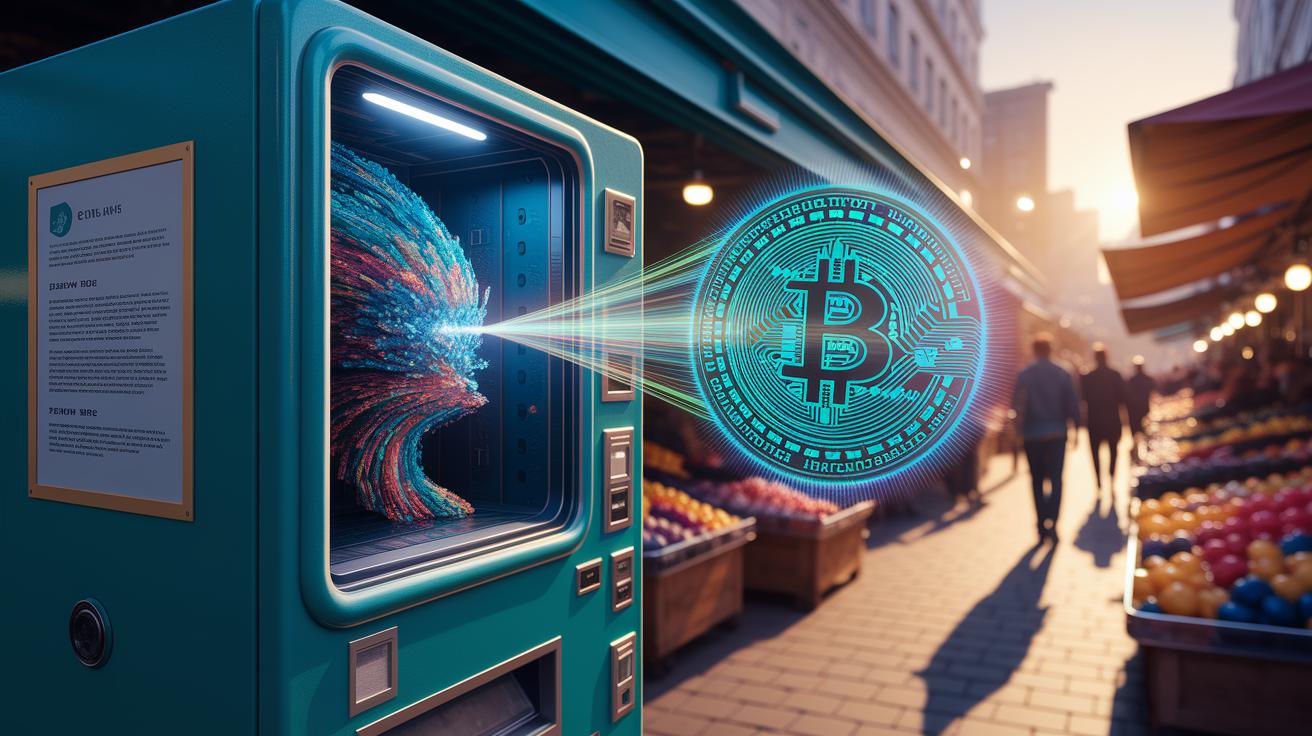
NFT marketplaces use smart contracts to handle transactions without needing a middleman. These contracts work automatically, which makes trading more reliable and efficient. Think of it like a vending machine, you put in the right amount and it instantly dispenses your digital artwork.
Blockchain is the backbone of decentralized NFT trading. It uses a digital ledger to keep all transactions secure and running smoothly in many different systems. It’s a bit like walking into a local market where everything is out in the open; you can easily see what’s available thanks to clear asset previews. Plus, tools like advanced search and filtering help you easily find that one unique token that catches your eye.
Wallet integration is key, too. Apps such as MetaMask, Coinbase Wallet, and WalletConnect let you store and manage your digital assets safely, think of it as having a trusted wallet for your money. All these technologies together create a platform that’s secure, scalable, and friendly for users, making NFT marketplaces ready to grow as market demands change.
Leading NFT Marketplace Platforms and Their Roles
OpenSea is the biggest marketplace for digital assets. It lets users buy and trade art, collectibles, and domain names with ease. Millions of people use OpenSea to compare and swap items quickly.
Rarible takes a different approach. It uses a special token called RARI that lets the community guide the platform. This makes users feel like they are adding a crucial puzzle piece to its future.
SuperRare works like an upscale online gallery. It focuses on premium digital art and handpicks every piece, building trust among collectors.
Decentraland Marketplace is all about virtual land and gaming items. Think of it as owning a small piece of a digital world where you can explore new areas and even host events.
NBA Top Shot brings the world of sports into the digital space. It takes real basketball highlights and turns them into collectible moments, so fans can hold on to a piece of game-time energy.
Each of these platforms plays a special role, matching different interests with the right kind of digital asset. For example, while OpenSea offers a wide range, Rarible centers on community input.
Below is a comparison table:
| Marketplace | Primary Focus | Key Feature | Launch Year |
|---|---|---|---|
| OpenSea | Art, Collectibles, Domain Names | Large multi-asset market | 2017 |
| Rarible | Digital Art & Collectibles | Community governance via RARI token | 2019 |
| SuperRare | Premium Digital Art | Curated art selection | 2018 |
| Decentraland Marketplace | Virtual Land, In-Game Assets | Metaverse real estate | 2017 |
| NBA Top Shot | Sports Highlights | Verified collectible moments | 2020 |
In short, each marketplace brings something unique. They offer different types of NFTs for various tastes, making the world of digital assets more exciting and accessible.
Strategies and Processes Shaping NFT Market Growth

Successful NFT marketplaces blend careful planning with fresh business ideas. They follow a five-step process that starts with project discovery. Think of it like planning a long road trip, if you don’t map out your route, the journey can quickly become a mess.
Next, during the design and architecture stages, designers and developers work together like builders constructing a sturdy bridge. They create user-friendly interfaces and secure systems for handling digital assets. One team even said making a smooth user experience is a bit like setting up a friendly neighborhood store, inviting, reliable, and built around what people really need.
Then comes testing and quality checks, where every function is reviewed to make sure things run smoothly before the platform opens its doors. After launch, ongoing promotion and active community channels keep the momentum going. Regular updates, fueled by what users say, help keep the platform fresh and engaging.
Lastly, monetization methods like listing fees, transaction royalties, and subscription models are put in place. They often start simple and grow more robust as creators and collectors shape the market. Post-launch support acts as a safety net by offering quick fixes and timely enhancements, keeping user trust strong.
Forecasting NFT Market Development: Future Trends and Models

Fractional ownership is set to change the game. Instead of having to buy an entire high-value NFT, you can now own a piece of it along with other investors. This model not only makes trading easier by boosting liquidity but also opens the door for more people to get involved. Think of it like a shopping mall with different stores that cater to various tastes, gaming, sports, tokenized property, all finding their own space.
Layer 2 scaling solutions are another trend to watch. These innovations help bring down transaction fees and speed up the whole trading process, making NFT exchanges smoother and more affordable. Plus, there’s a growing focus on eco-friendly methods to address environmental concerns. Tools like blockchain explorers are already helping analysts track market moves and foresee what might come next.
All these new models and tech upgrades point to an exciting future for the NFT market. They offer fresh opportunities for both seasoned collectors and those just starting out. Isn’t it fascinating how quickly the digital asset world keeps evolving?
Final Words
in the action, we explored key milestones from early experiments to today’s thriving NFT platforms. The post walked through the dynamic climb of marketplaces, core tech like smart contracts, and the step-by-step strategies driving growth.
We also examined future trends like fractional ownership and layer 2 innovations, offering solid insights for risk management and portfolio diversification. With these clear takeaways, the nft market development remains a promising space, inviting smart, forward-looking investments.
FAQ
What is NFT market development strategy?
The NFT market development strategy involves planning from initial discovery to post-launch support. It includes refining user experience, integrating smart contracts for secure transactions, and fostering community engagement.
What is NFT market development software?
The NFT market development software is a range of tools that streamline design, list creation, and smart contract management. It helps create and sustain secure, user-friendly digital asset platforms.
What is an NFT market development app?
The NFT market development app offers mobile-friendly features for managing listings, tracking smart contracts, and exploring NFT assets. It simplifies digital asset trading and enhances user accessibility.
What is considered best NFT market development?
The best NFT market development combines user-friendly design, robust blockchain integration, and smooth smart contract execution while focusing on timely updates and community building strategies.
How do you create an NFT marketplace like OpenSea?
Creating an NFT marketplace like OpenSea involves designing a clear, engaging interface, integrating secure smart contracts, and pairing robust wallet support with continuous testing and improvements.
What is NFT Treasure?
The term NFT Treasure refers to unique digital collectibles or platforms that offer exclusive rewards and rare digital assets. They add special value within the digital asset ecosystem.
What does Future NFT mean?
The term Future NFT refers to emerging trends in digital collectibles. It highlights new blockchain solutions, fractional ownership models, and eco-friendly protocols that expand how digital assets are valued.
What is an NFT marketplace list?
The NFT marketplace list is a curated directory of platforms where digital assets are bought, sold, and traded. It helps users compare features and discover the best fitting marketplaces.
Is the NFT market growing?
The NFT market is growing as more sectors like art, gaming, and sports adopt digital asset trading. Increases in user engagement and transaction volumes reflect its ongoing development.
What is NFT marketplace development?
NFT marketplace development covers building platforms to buy and sell digital assets with secure smart contracts, clear interfaces, and continuous technology updates to accommodate a dynamic market.
Is NFT worthless now?
The idea that NFTs might be worthless arises from market fluctuations, but digital assets still offer unique digital ownership and utility, with potential value as broader adoption and innovation continue.
Are NFTs still big in 2025?
NFTs still show strong potential going into 2025 as ongoing innovations, expanding use cases, and active communities suggest that digital asset markets will maintain a significant role.