
Ever noticed NFT prices shooting up in no time and thought, "Something isn’t right here?" That’s when NFT market anomaly detection comes into play. It watches for sudden jumps and odd trading moves to uncover hidden risks.
By keeping an eye on unusual activity, it offers clear insights that help protect your investments and keep your trust intact. It uses past trend data along with real-time checks to spot anything out of the ordinary early, giving you a chance to act quickly.
In short, these techniques are changing the way we think about digital asset safety, making it easier for you to see potential issues before they become big problems.
Key Approaches to NFT Market Anomaly Detection

NFT market anomaly detection is all about noticing odd price jumps, strange trading moves, and sudden bursts in transaction activity. In 2023, the market grew so fast that unexpected shifts and unusual trading habits became very clear. When prices swing wildly or transaction numbers spike without warning, it might mean there’s some bad activity or a weak spot in the system. Catching these early is crucial to keeping the market safe and trusted.
This kind of detection is key because it protects investors and makes sure digital asset exchanges work fairly. Thanks to blockchain record checks, along with smoother KYC/AML processes, the time it takes to verify transactions has dropped from weeks to days. AI tools now keep an eye on every transaction and its details, flagging anything that seems off in real time. Noticing these changes early helps traders adjust quickly, which can really lower risks in a sometimes wild market.
Some trusted methods involve using data analysis to spot unusual numbers, employing machine learning to catch odd patterns, running detailed blockchain audits, and even using image checks for extra verification. By looking at historical trends and using forecasts, experts can study shifts in base prices, weird trading volumes, and repeated trading behaviors. Advanced statistical tools pull together data from many sources to provide clear, actionable insights. This multi-pronged approach lets market watchers detect and fix irregularities fast, helping to keep the market strong and dependable.
NFT Market Anomaly Detection Drives Bold Insights
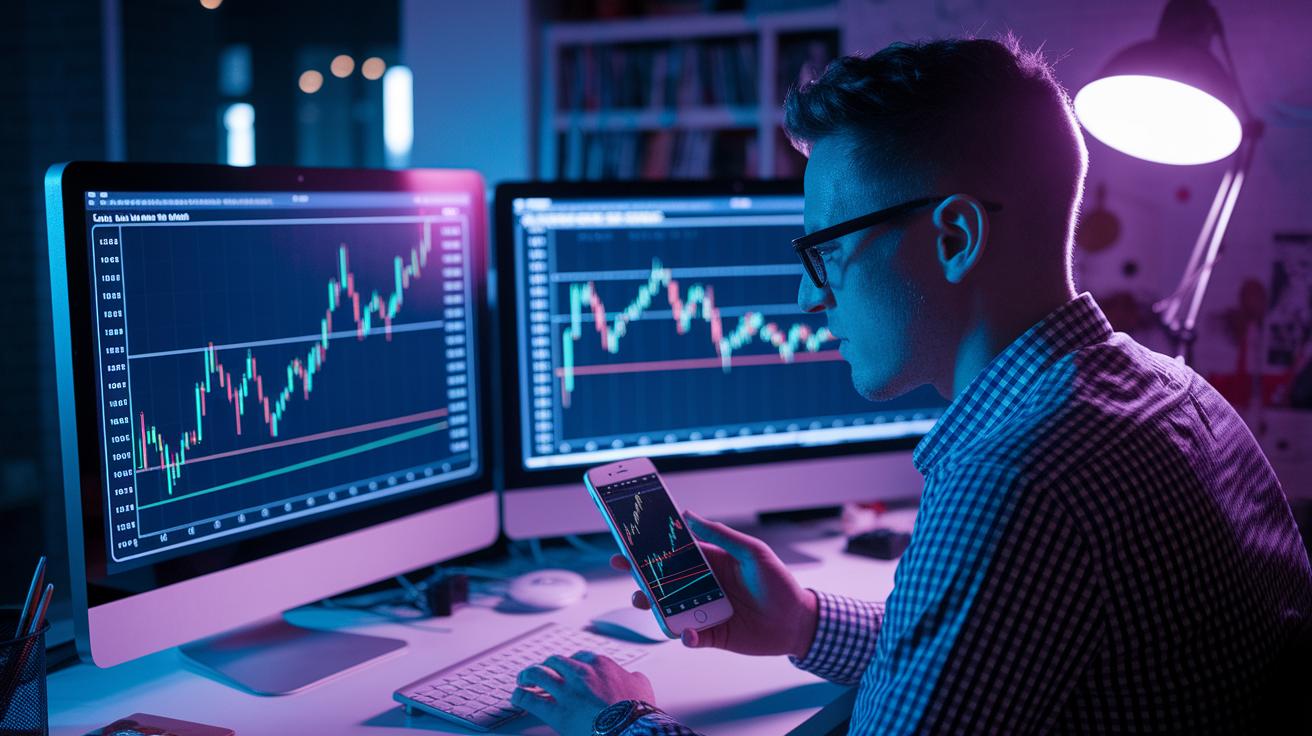
We use transaction and price info to spot unusual activity in the NFT market. By watching these numbers, we can notice quick changes in the lowest prices or sudden bursts in trading. Experts study past trends and make simple predictions to guess where prices might go, helping them catch problems early.
Using social chatter adds another layer of insight. When public opinion shifts, it often points to schemes like pump-and-dump scams. Looking at on-chain data also shows patterns, like the same wallet repeating trades, which can hint at wash trading. Have you ever been surprised by how small changes can signal a bigger scheme?
Here are some key methods used by experts:
| Key Method | Description |
|---|---|
| Time-series trend deviation | Checks price movements over time to spot odd shifts |
| Volume spike alerts | Monitors sudden jumps in trading volume that may signal manipulation |
| Price floor divergence monitoring | Watches if the lowest sale prices stray from their usual levels |
| Address clustering for wash-trading detection | Identifies groups of accounts trading frequently among themselves |
| Sentiment correlation analysis | Links market chatter with price changes to spot trends in mood |
Together, these tools help flag irregularities fast. They break down complex data into easy-to-understand signals that let traders act quickly when something seems off. This data-driven approach keeps the market fair and transparent, turning rows of numbers into clear signs of market health.
Machine Learning Models for NFT Market Anomaly Detection

Machine learning is a handy tool that helps us notice when things are off in the NFT market. It learns from huge piles of data by checking out price swings, shifts in trading volume, and even details in images to catch any odd behavior. For example, an AI system might spot a weird timestamp or hint at counterfeit art, making the market a safer place for everyone.
Different techniques are at play here. Some models, like convolutional neural networks (which are systems designed to check images), work well with tools such as Optic.XYZ. Meanwhile, other models keep an eye on extra details like metadata and trading habits to find any unusual moves.
| Model | Use Case | Key Strengths |
|---|---|---|
| Isolation Forest | Finding odd details in metadata | Great for handling lots of data points |
| Autoencoder | Spotting shifts across various metrics | Works without needing labeled data |
| Random Forest | Sorting out fake versus real transactions | Stays strong even when the data is noisy |
When choosing the right model, experts match each one to actual market conditions. They check numbers like precision and recall to see if the model can detect issues without too many false alerts. For example, while the Isolation Forest handles many types of data well, Autoencoders can pick up on even the faintest changes in price and volume trends. The main goal is to balance speed with accuracy when spotting unusual patterns.
By mixing different models and testing them out, analysts build systems that help keep the NFT market safe and clear of risky trades.
Case Studies in NFT Market Anomaly Detection

Ordinals Network Fee Spike
When Ordinals joined the Bitcoin network, fees surged by 300%. Quick scripts spotted this jump by comparing live fee data with what’s typical. Automated tools checked fee percentiles and historical averages, flagging the spike as unusual and needing further review. This rise in fees could hurt collectors, since higher costs might discourage smaller transactions. One alert even read, "Fee surge detected – Bitcoin network fees jumped by 300%, an anomaly compared to recent data averages." Thanks to this prompt alert, market watchers and exchanges could quickly reassess and adjust fee structures to protect users.
Wash Trading in Ethereum Collections
Another oddity showed up in Ethereum collections, where wash trading pushed floor prices up by more than 50%. Analysts noticed a clear pattern: the same wallet addresses trading repeatedly within short timeframes. This behavior hinted that trades were planned to boost apparent value rather than coming from genuine demand. Automated dashboards picked up on the high trading volumes and sudden price spikes, raising a red flag for potential manipulation. One monitoring tool noted, "Repeated trading patterns detected – cluster activity indicates potential wash trading with a 50% jump in collection floor prices." Such alerts prompt teams to take a closer look, helping to keep NFT markets fair and transparent.
Tools and Platforms for NFT Market Anomaly Monitoring
When it comes to keeping an eye on NFT markets, people use a mix of on-chain scanners, AI tools that look at data, and special checks on smart contracts. These systems watch blockchain data in real time, look for odd transactions, and double-check smart contract actions. They help spot things like wash trading, fake activities, or sudden price jumps on networks like Ethereum, Solana, Polkadot, and Avalanche. Plus, many of these tools also add checks to follow rules and build trust with investors.
Here are some popular platforms:
- Optic.XYZ: It alerts you in real time and uses visual checks to catch differences in transaction times and image info.
- Chainalysis Reactor: This one digs deep into the blockchain to follow suspicious money flows and group similar addresses.
- Nansen.ai: It checks smart contracts and uses behavioral tips to spot odd wallet moves.
- Etherscan Analytics: It scans across many chains to give a clear picture of market trends and hint at possible manipulations.
When deciding on a platform, think about things like API access, how you can change alert levels, and how easy it is to use. Users like systems that let them set custom limits, show data on a live dashboard, and work well with their current checks. A good mix of real-time scanning, smart data analysis, and focused contract checks helps quickly highlight issues without causing too many false alarms. This creates a safer and more open space for NFT trading and investing.
Monitoring NFT Market Trends and Price Deviations

Keeping an eye on key NFT figures like the lowest listing price, trading volume, and bid-ask spreads helps you spot unusual market shifts. These numbers can reveal when prices stray from their normal path, often because something unexpected is happening. For instance, a 10% jump in trading volume once hinted at a market change before most investors even noticed it. And sometimes, busy network traffic can slow trades down, causing prices to behave oddly.
To catch these shifts early, many experts set up alert systems that mix real-time blockchain data with clues from online chatter. These smart tools combine live transaction info with hints from social media to flag unexpected events. When slow network speeds meet a rise in negative buzz, the system sends out an alert, prompting traders to review the market without delay. For example, if delays in the network line up with a spike in unfavorable chatter, traders might see a change in overall market mood.
Managing NFT Market Anomalies: Best Practices

Keeping NFT markets safe means strong rules and regular checks are a must. The SEC and anti-money laundering rules push us to check for any odd behavior regularly. By using smart tools like face scans or photo methods for KYC (which is a way to check who you are), verification speeds up and mistakes drop. Some platforms even cut verification time from weeks to days with a mix of smart automated checks and hands-on reviews. This clear, step-by-step approach helps everyone know the rules and stick to them.
When something looks off, quick action is key. Automated systems can trigger alerts, but then real people step in to dig deeper and review what’s happening. This means that if an alert pops up, a designated team member jumps into action, checks the details, and informs the right people. This blend of technology and personal review can reduce false alerts by about 25%, making sure issues get sorted out before they turn into bigger problems.
It’s also important to keep fine-tuning the systems. Regular tweaks to the detection algorithms help sharpen risk signals, while keeping detailed records means everything stays transparent and accountable. With frequent checks on both the automated systems and the manual reviews, it becomes easier to spot new tricks by bad actors and stop them fast.
Final Words
In the action, this post broke down various methods to spot offbeat patterns in the NFT scene. We touched on data methods, machine learning, blockchain checks, and real case studies showing fee spikes and wash trading.
This guide gives a clear look at approaches that help you keep a balanced view in the market while using nft market anomaly detection as a tool for smart decision-making. The insights provided empower you to manage risk and build a portfolio with confidence.
FAQ
How was NFT market anomaly detection applied in 2021 and 2022?
NFT market anomaly detection in 2021 and 2022 used data analytics and AI to catch unusual trading patterns. It flagged unexpected price swings by analyzing transaction data and metadata in real time.
How can I access NFT market anomaly detection free?
NFT market anomaly detection free options include open-source tools and demo platforms that identify irregular trading behaviors. They offer swift insights without the need for a full paid subscription.