
Have you ever thought that NFTs might do more than just support digital art? These unique digital assets are starting to change things, like how we verify who someone is, make property deals, and even run supply chains. One out of every four crypto users is trying NFT transactions, and the number of weekly trades is growing fast.
It’s pretty cool to see how strong blockchain methods, a safe digital ledger system, combined with people learning more every day are driving these changes. In short, NFTs are leaving the art world and sparking growth in everyday business.
NFT Innovation Adoption Analysis: Comprehensive Industry Overview

NFTs got their start in digital art and entertainment, and now they've found their way into everyday uses like identity checks, buying and selling property, and tracking supply chains. Think of it like having a digital certificate for your house that skips the messy paperwork by keeping everything safely on a digital record.
About one in four crypto-owning adults in the US has tried an NFT transaction. Plus, around 40% of millennial crypto users and nearly 38% of Gen Z users are jumping in on the NFT market. Long before they became a hot trend, NFTs shook up digital art by letting artists sell their original works directly to fans. That early impact still echoes today.
When it comes to trading, about 15% of NFT owners make deals every week, and nearly 60% get involved at least once a month. Interestingly, over 80% of active traders are male, which shows a distinct trend. Market adoption is especially high in tech-forward regions, where big names like the NBA and NFL boost secondary trades by millions, adding extra momentum.
Key growth drivers include better user education, stable blockchain technology (which means a secure, digital way to track transactions), and the buzz created on social media. These factors mix together to create an environment where NFTs can flourish, not just for tech experts but across traditional industries too.
| Key Factor | Impact |
|---|---|
| User Education | Better understanding and more participation |
| Blockchain Technology | Stronger security and clear records |
Key Drivers and Market Trends in NFT Innovation Adoption
One big trend in NFTs is turning real-world items into digital pieces. Real estate platforms, for example, now let you own a fraction of a property with a digital token. Imagine owning a piece of your favorite building just by holding a token! This makes property investing simpler and more transparent.
Big platforms are also jumping on the NFT bandwagon. Reddit, for instance, released a Polygon-based avatar drop that led to over 2.5 million new wallet creations since July. It’s amazing how fast digital assets can catch on, turning regular users into active collectors.
Gaming plays a huge role too. NFTs in games, like unique avatars and skins, are predicted to bring in $15 billion by 2027. These special items give players a sense of ownership and a fresh way to enjoy their favorite games.
Then there’s the boost in trust from certification. Romania’s National Institute even launched an NFT marketplace for digital government documents, making things safer and more traceable.
Lastly, clearer rules are opening the door for more institutional experiments. With new regulatory guidance, investors and companies are more confident exploring the vast potential that NFT innovation offers.
Measuring NFT Adoption: Metrics and Data Insights

Earlier we noted that about 15% of NFT holders trade every week and around 60% trade each month. These numbers are more than just stats, they signal a change in how investors are handling their portfolios. Trading is shifting from one-off bets to active, day-to-day management. A trader might say, "When trading picks up, it means investors are getting smarter, turning basic transactions into strategic moves."
We also saw that millennials and Gen Z are pretty much on the same page when it comes to NFTs. But here’s an interesting twist: over 80% of active collectors are male. This suggests that NFT platforms might start changing things up, maybe building features that invite everyone to join in on the fun.
Another piece of the puzzle comes from blockchain data. For instance, one launch on Polygon spurred the creation of 2.5 million wallets. Rather than standing on its own, this figure meshes with trading habits to paint a picture of future liquidity and investor trust. Imagine one big event that launches a burst of wallet activity, setting off a positive cycle of high liquidity and sharper market insights.
| Metric | Advanced Interpretation |
|---|---|
| Weekly Trading Frequency | Shows lively market action and quick, smart investment moves. |
| Monthly Trading Rate | Reflects a steady rhythm in trading, suggesting ease with digital ups and downs. |
| Wallet Growth | Highlights how blockchains can scale and attract more investors. |
| Demographic Distribution | Points out current gaps and hints at future chances to include more groups. |
These metrics help us dig deeper into market trends. As strategies shift from simply holding onto NFTs to actively managing them, advanced models may soon let us better read investor mood and shape products to fit their needs.
Industry Case Studies of NFT Innovation Adoption
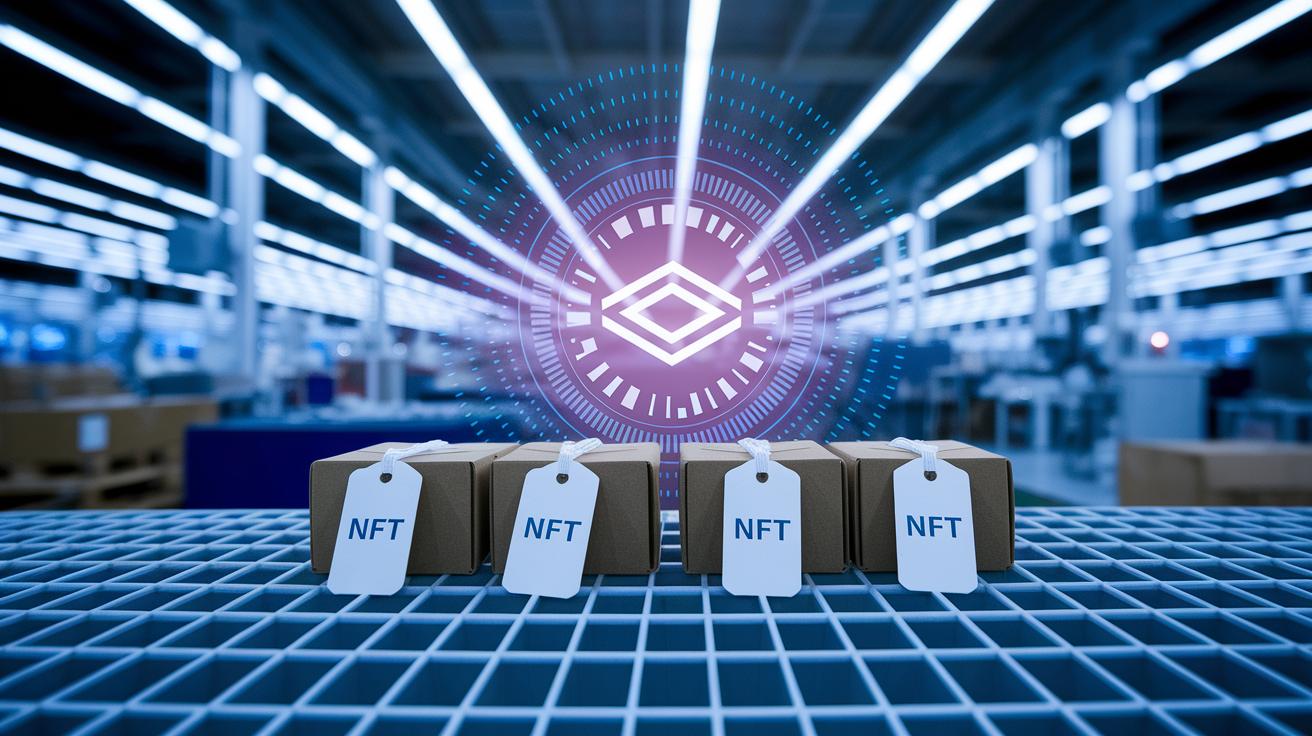
Supply chain management is showing us a cool new way to use NFTs. Companies now stick unique digital tokens on products, which means you can track them from start to finish. Manufacturers have seen counterfeit claims drop by about 30% because of these tokens. Imagine this: one luxury brand used to lose nearly 15% of its revenue to fake products, but now a simple scan confirms every item's authenticity.
A recent study found that making products easier to trace not only builds trust among buyers but also cuts quality control costs by 20%. Retailers are now using tokens to mark every step of a product's journey, from the factory floor to the store shelf, which lets them catch any issues before items hit the market.
| Sector | NFT Application | Key Benefit |
|---|---|---|
| Supply Chain | Product Traceability | Reduces counterfeits and improves quality control |
| Supply Chain | Lifecycle Management | Streamlines process tracking from production to sale |
These insights show that digital tokens make tracking products more reliable than old methods. This model could easily be applied to other industries, offering a fresh take on quality and security.
Technological Enablers and Blockchain Impact on NFT Innovation Adoption

Layer-2 scaling tech has really boosted NFT performance by cutting down transaction time and fees. For example, Polygon’s sidechain powers huge NFT drops, making it super smooth to buy and sell digital collectibles, kind of like switching from dial-up to broadband. Want to know more? Check out more on blockchain scalability.
The move to proof-of-stake consensus is a game-changer for sustainability. It slashes energy use while keeping transactions secure. Imagine trading in a gas-guzzler for an efficient electric car; it’s better for both you and the planet.
Intelligent NFTs are now making waves too. Thanks to AI and machine learning, basically, smart systems that learn from how you use them, these tokens can change over time and adapt to your style. Picture a digital collectible that grows with you, offering more perks and value each time it updates. This shift opens up exciting new ways for creators and investors to interact with their assets.
User experience has taken center stage as well. Fixed-price models now do away with auction chaos, making the whole market easier to navigate and more welcoming to everyone. All these tech upgrades not only make NFTs more reliable and efficient but also invite more people to dive into the NFT space, paving the way for future growth and deeper market ties.
Emerging Trends and Future Outlook for NFT Innovation Adoption

AI-based NFTs are shaking things up by offering interactive experiences that go far beyond a simple digital image. They adjust themselves based on how users interact and even pick up changes from the market. For example, one collector saw an NFT alter its artwork and unlock extra features just because of user input. Isn’t that amazing? It shows how these smart tokens can turn a static asset into something lively and engaging.
Sustainability is also taking center stage. The industry is moving towards energy-friendly proof-of-stake systems for creating NFTs, which use far less power while keeping records secure. This greener approach is winning over investors, especially those who care about the planet. As more companies and creators jump on board with eco-friendly blockchain practices, the NFT world is becoming appealing to a wider group of people.
NFT technology isn’t just staying in the art or gaming realm either. It’s branching out into areas like identity checks, alternative finance, and even digital duplicates of real things. By turning physical assets such as real estate into tokens, it becomes easier to invest in small pieces and keep clear, tamper-proof records. Imagine owning a digital slice of a famous building, all managed seamlessly on a blockchain.
Looking ahead, expect more connections between NFTs and other digital spaces. In the next three to five years, NFTs are set to mix even deeper with virtual worlds, augmented reality, and social media. This blend will create immersive experiences and new ways for users to interact with their assets. Many experts foresee steady growth, spurred by early business trials and better understanding by the public. The future of NFT innovation is packed with potential to transform numerous industries.
In short, the mix of advanced tech, sustainable practices, and creative new uses promises a future where NFTs are not just digital value markers but become a key part of everyday transactions and cross-industry partnerships.
Final Words
In the action, we saw how NFT innovation adoption analysis ties together trends from art and gaming with real estate and supply chain projects. Small yet impactful insights on trading habits, blockchain upgrades, and smart contracts created a clear picture of today's digital asset environment.
We wrapped up with practical examples and data points showing that even in a volatile market, informed tactics can lead to promising outcomes. Stay curious and optimistic about the future of digital investments!
FAQ
Nft innovation adoption analysis pdf
The NFT innovation adoption analysis PDF offers an overview of market trends and drivers. It explains how digital asset performance is measured using key metrics and highlights technological enablers in current industry practices.
Nft innovation adoption analysis 2022
The NFT innovation adoption analysis 2022 report examines user demographics, trading cadence, and blockchain improvements. It highlights trends such as increasing wallet growth and the shift toward more practical blockchain integrations in digital asset markets.
Nft innovation adoption analysis 2021
The NFT innovation adoption analysis 2021 study focuses on early market behaviors. It details foundational blockchain developments, initial user uptake, and key sector applications that set the stage for later widespread adoption of NFTs.
OpenSea
OpenSea stands as one of the leading NFT marketplaces, where users buy, sell, and trade digital assets. It makes the listing process user-friendly and supports a broad range of creative and digital investment opportunities.
How to make an NFT
How to make an NFT involves creating a digital asset, minting it on a blockchain, and listing it on a marketplace like OpenSea. The process generally includes setting up a digital wallet and engaging with smart contracts to secure the asset.
NFT marketplace
An NFT marketplace is a digital platform that connects creators with collectors. It allows users to trade unique digital tokens using blockchain technology for secure, transparent transactions while boosting broader market engagement.
Nft report medical
The NFT report medical examines how blockchain-based tokens may secure and verify medical records. It explores potential improvements in data management and record authenticity within healthcare settings, offering insights into innovative applications of NFTs.