Have you ever thought that digital art might be just as impressive as classic paintings? NFT art mixes creativity with smart tech in a cool way. Each piece comes with its own special code that’s stored safely on a shared digital ledger, kind of like having an artist’s signature on a painting.
This method gives digital art a unique status and makes art collecting both exciting and secure. In this post, we’ll break down the basics of NFT art and explain how the digital ledger works to keep track of every piece. It’s pretty fascinating how this new approach is winning over both art lovers and collectors.
NFT Art Fundamentals: Defining Crypto Art and Blockchain Verification
NFT art is digital art that comes with a special token proving its authenticity, much like a signed painting you’d hang on your wall. Each piece gets a unique code stored on a secure, unchangeable ledger, kind of like a secret baseball card signature that shows who made it.
Blockchain works like a giant, shared notebook that records every art sale without being controlled by one single person. This means no one can tamper with the history of the art, ensuring that only the original file gets that special status. Fun fact: one famous digital artwork even sold for millions, which really grabbed the attention of collectors everywhere.
Ethereum plays a big role in this space. It is the main platform used to create and trade NFT art, and it uses its own digital money called Ether. This setup makes buying, selling, or trading NFT art smooth and simple. In fact, some market data suggested that the world of NFT art could have been worth over $1.3 billion by the end of 2021, showing just how popular this trend has become.
By combining unique digital tokens with solid blockchain verification, NFT art has become a safe and exciting way for artists and collectors to share and enjoy creative work.
Crafting and Minting NFT Art: Tools, Techniques, and Steps
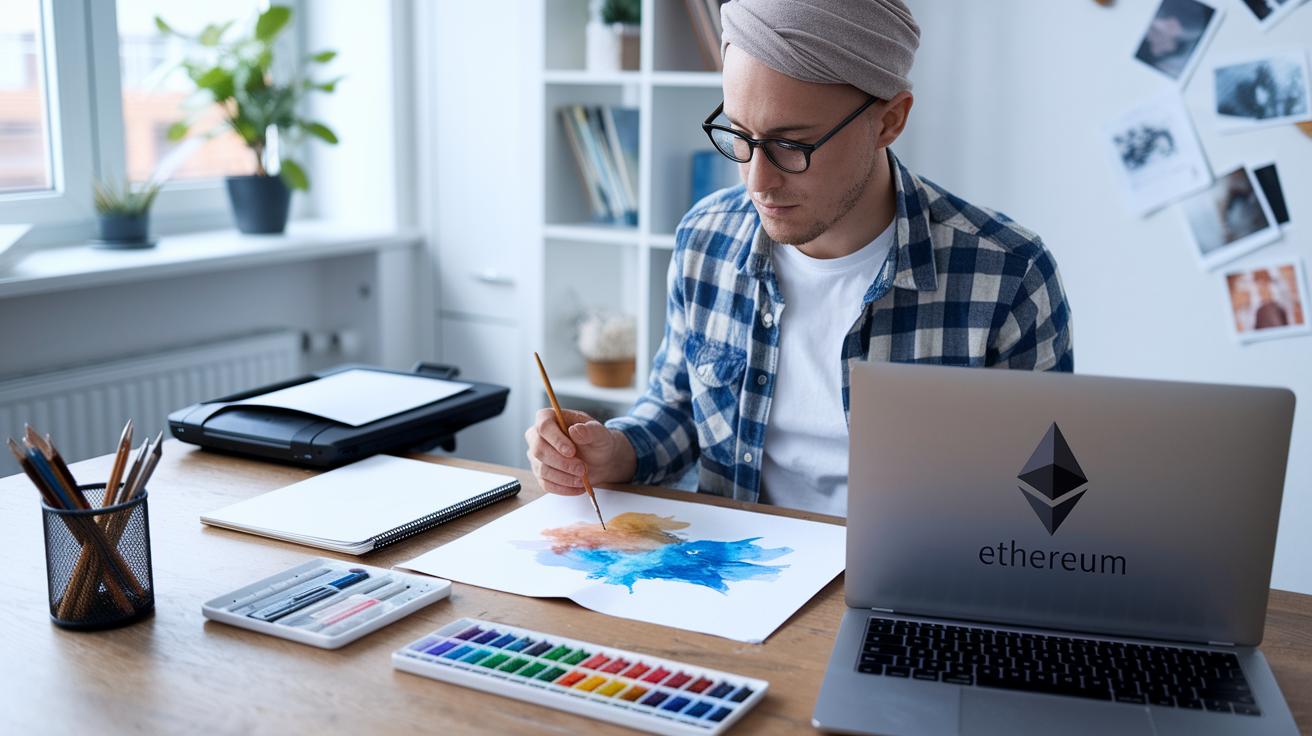
Begin by picking a niche that matches your art style. If you work with watercolors, choose five to ten pieces that share a theme and check out what collectors are looking for right now. You might think to yourself, "I picked a series of calm, lovely landscapes that really resonate with an online art community looking for serene digital art." This helps keep your work genuine and ready for the market.
Next, digitize your artwork by creating high-resolution scans, aim for about 300 dpi. You could use a professional service or a good quality home scanner. Think of it like taking a sharp photo that captures every brushstroke, keeping the spirit of your original art. With clean, detailed images, your work is more likely to pop on digital platforms.
Then, choose a blockchain to mint your NFTs. Most artists go with Ethereum since it’s well-known for handling digital asset transactions securely. Set up a private crypto wallet and get some Ether (that’s the digital money used on Ethereum) to cover the small fees. This step is like getting your digital bank account ready for art sales. You can even look into platforms like OpenSea that offer low-cost or free minting options along with smart contract templates for setting up things like metadata and royalties.
Now, use the token creation tools provided on your chosen platform. Usually, you’ll see simple menus with options, maybe something like drag and drop your file, set a 5% royalty, and click "mint." Once your NFT is minted, promote your new art drop through your newsletter or social media channels. Sharing your work with people who already follow you can spark some great conversations and draw in potential collectors.
In short, by turning your traditional art into sharp digital scans, setting up your crypto wallet, and using easy minting tools, you can launch a digital collectible project that truly stands out.
Exploring NFT Art Marketplaces: Platforms for Buying and Selling Digital Masterpieces
OpenSea is the biggest digital art marketplace around. It works with both Ethereum and Polygon, so you get a lot of options. You can sign up for free and decide if you’d like to sell your art through an auction or at a set price. Plus, with its cool filtering tools, you can easily sift through thousands of digital pieces by factors like artist reputation and price – it’s as simple as clicking a button.
Rarible takes a community-first approach. On this platform, users help set the rules, and there’s a neat feature that automatically pays artists a royalty every time their work is resold. This makes both buyers and artists feel like they’re part of a well-run digital art fair.
Each marketplace has its own twist. They differ in terms of which blockchains they support, the fees they charge, and extra features like lazy minting (which means creating digital art only when a sale happens) and gasless transactions that save you money. For example, OpenSea’s use of Polygon helps cut gas fees and speeds up trades, which is a big plus for many collectors.
| Marketplace Feature | Description |
|---|---|
| Account Setup | Free sign-ups versus paid listings |
| Selling Options | Bidding in auctions or fixed-price sales |
| Search Tools | Advanced filtering by reputation, price, etc. |
| Fee and Compatibility | Differences in fee structures and blockchain support |
When choosing a marketplace, looking at these details can help both buyers and sellers pick the platform that best fits their needs for trading digital masterpieces.
Investing in NFT Art: Buying Guides, Price Dynamics, and Risk Insights
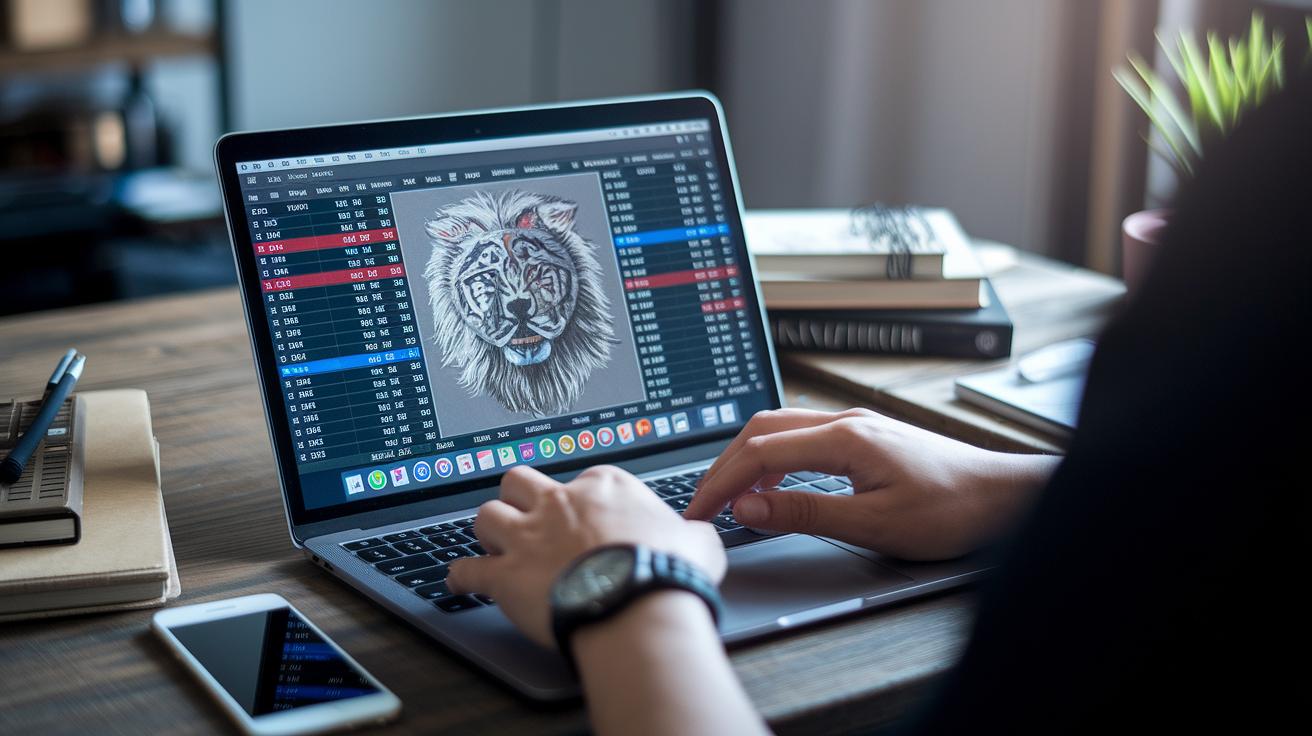
NFT art is exciting because you can snag it at a fixed price or join a timed auction where bids go up and down. Before you dive in, take a good look at the lowest prices and past sales. If you notice a digital collectible that keeps selling at the same steady price, that’s a strong sign people really want it.
Big-name drops, like when Grimes sold her artwork in minutes for millions, show just how fast demand can shoot up. Wow. That sort of buzz means it’s smart to keep an eye on price trends. Just think about it: a simple art listing can suddenly jump to a seven-figure sale overnight, turning opportunity into risk in a heartbeat.
Prices in NFT art can range from under $50 to pieces worth millions, opening the door for both first-timers and seasoned buyers. When you’re looking at buying art tokens, it helps to spread your interest across different styles, check the creator’s reputation, and look at how rare the piece is. It’s like whipping up a tasty smoothie with a few different fruits; the mix creates something really special.
Of course, you also have to watch out for risks. NFT prices can swing wildly, and things like sudden gas fee hikes or low market liquidity might affect your experience. Taking a closer look at past sales trends can give you a bit more confidence about your decision.
So, when you’re picking which digital collectibles to buy, do your homework. Keep your research thorough, look clearly at market trends, and take your time with bids. This way, you balance the chance for good profits with smart, careful risk management.
Authenticity, Security, and Legal Considerations for NFT Art
NFT art earns its uniqueness through a digital signature stored on a secure blockchain ledger, which is basically a record book for digital items. Each NFT comes with its own special code, acting like a digital fingerprint that proves its originality. Imagine a piece of digital art that has a secret code to show that it’s truly one-of-a-kind.
When an NFT is created, smart contracts, self-executing agreements, are set up to manage royalties. With every resale, a set percentage is automatically sent back to the artist, like a little tip every time their work changes hands. Picture your favorite art piece giving its creator a small reward each time it’s sold again.
Security is a big deal too. It’s best to store your private keys and recovery phrases in offline hardware wallets, rather than keeping them online. Think of it like tucking away your treasures in a super secure vault with regular updates to strengthen the lock.
Legal rules around digital art are always evolving. Artists need to clearly state their usage rights in the token’s information so their work is properly licensed. This smart approach helps keep digital ownership clear and protects creators as the art market keeps growing and changing.
NFT Art: Bold Digital Wonders
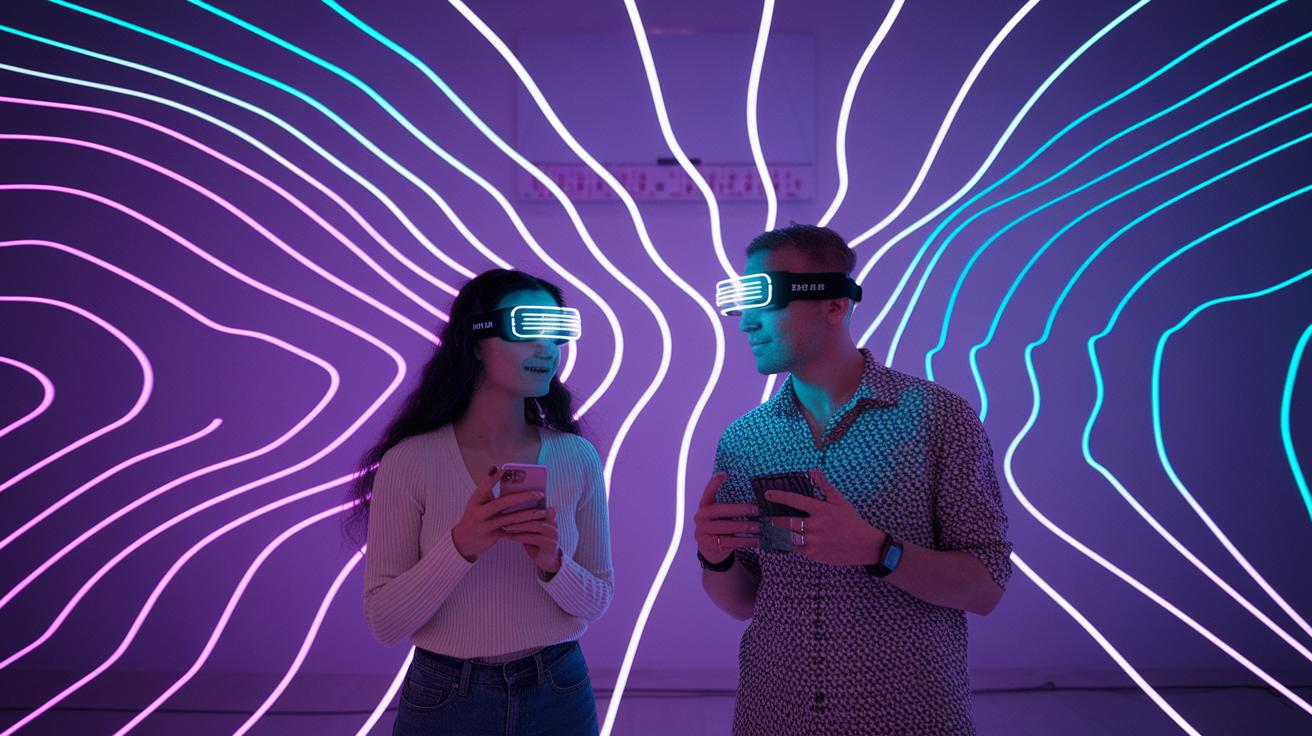
The digital art scene is buzzing with fresh trends that push creativity past the usual limits. New NFT galleries, like one recently launched in Saint-Tropez, combine exclusive digital shows with celebrity events such as Adrien Brody’s “Made in America.” It makes digital art feel as real as a live performance.
Imagine walking into a virtual gallery where bright images and cool animations swirl all around you. Creators are trying out futuristic ways to show their art. Virtual reality displays let you feel like the artwork is leaping off the screen, giving you an experience that’s more than just watching a picture.
NFTs are also getting into other cool areas like gaming assets, metaverse wearables, and even music collectibles. One exciting case is Grimes’ multi-million-dollar drop, which proves that digital art can grab both art lovers’ attention and investors’ interest.
Experts believe that artificial intelligence will soon help shape how art is made, and decentralized creative platforms are opening new doorways for artists to connect with small, dedicated communities. Collector groups and themed digital series are sparking steady growth in the secondary market.
Innovative creators and enthusiastic collectors are driving a lively shift in the digital world. Every new NFT drop could mark an important step where art and technology come together. Isn’t it cool how digital art is reshaping the game?
Final Words
In the action, this article walked you through the basics of nft art, explained how blockchain and smart contracts help keep digital collectibles secure, and showed you creative minting steps.
We also explored top marketplaces and smart buying strategies while discussing legal and security matters. The insights provide a clear look at trends and emerging opportunities. Keep learning and investing smart, nft art is transforming how we see digital assets.
FAQ
NFT art price?
NFT art price represents the market value of a digital collectible. It is set by factors such as rarity, creator reputation, and current market demand, ranging from modest to high-ticket pieces.
How to create NFT art / How do I turn my art into NFT?
Creating NFT art involves scanning your artwork at high resolution, setting up a crypto wallet with Ether, picking a blockchain, and minting your digital asset on a trusted marketplace.
NFT art marketplace?
An NFT art marketplace is a digital platform where artists list and collectors buy NFT artworks. It offers features like auctions, fixed-price listings, and blockchain verification for secure transactions.
NFT art examples?
NFT art examples showcase digital creations like unique paintings, AI-generated visuals, and animations. These pieces are verified on the blockchain to ensure authenticity and ownership.
Most expensive NFT art?
The most expensive NFT art pieces have sold for millions of dollars. Celebrity endorsements and limited editions drive high demand, reflecting the premium placed on digital rarity.
NFT art for sale?
NFT art for sale is available on various online platforms. Buyers can find verified, blockchain-backed artworks listed either under fixed prices or through auction formats.
NFT art monkey?
NFT art monkey usually refers to popular collections featuring monkey-themed digital art. These pieces combine creative design with collectible market appeal in the NFT space.
Digital NFT art?
Digital NFT art is online artwork authenticated via the blockchain. This verification ensures the art’s originality and unique ownership, making it a secure digital asset.
What is an NFT art?
NFT art is digital artwork connected to a non-fungible token, which provides a secure certificate of authenticity and unique ownership recorded on a blockchain.
Are NFTs worth anything anymore?
NFTs still hold value driven by market trends, creator proof, and scarcity. Despite shifts in the market, many collectors and artists view them as valuable digital assets.
Are art NFTs still a thing?
Art NFTs remain in demand as artists and collectors continue to use blockchain verification to secure digital art assets, ensuring their relevance in today’s market.