Have you ever wondered why some buyers snag great NFT deals while others just watch from the sidelines? In this guide, we’ll show you how to set up a crypto wallet and pick a trusted marketplace so your first NFT purchase can be as easy as shopping online.
Imagine buying digital art without any complicated steps or hidden fees, it’s just like ordering your favorite snack online. We’ll explain how to safely buy ETH (a type of digital money) and guide you through finding reliable listings to complete your transaction smoothly.
Have you ever noticed how a simple, clear process can change the whole investing experience? Read on to see how you too can start buying NFTs with confidence and make your digital art dreams come true.
Quick Guide to Buying an NFT
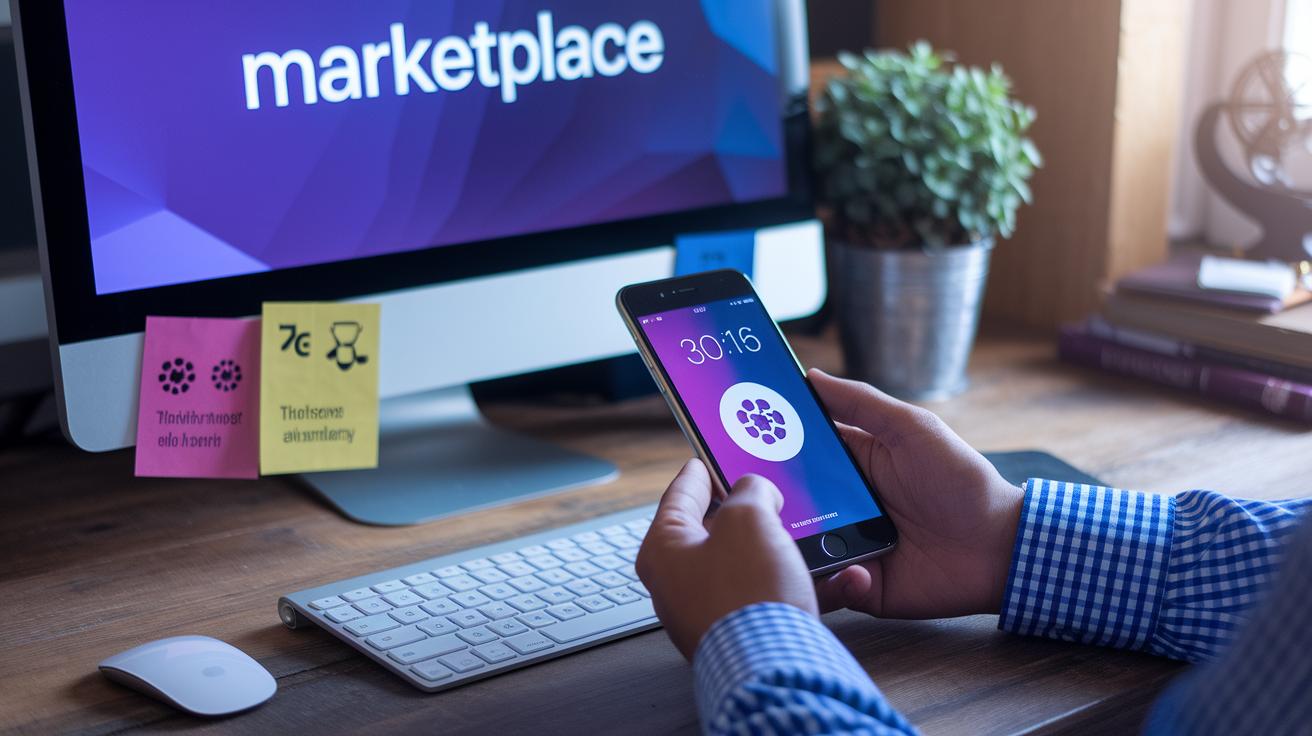
If you’re buying your first NFT, start by picking a well-known marketplace like OpenSea, Rarible, or Foundation. Using a trusted site makes it easier to compare listings, check prices in ETH or USD, and view different token types.
Next, set up a crypto wallet such as MetaMask or Coinbase Wallet. This wallet safely stores your ETH and NFT while helping you track every transaction.
Once your marketplace and wallet are ready, get some ETH from a reliable exchange. Transfer your ETH into your wallet instead of buying on the platform to skip extra fees and limits. Then, explore the listings to find NFT pieces that catch your eye. When you’re ready, decide whether to click “Buy Now” for fixed-price deals or place an offer for auction-based listings.
Before confirming the transaction, check the details carefully. Gas fees, which are extra processing charges, can vary a lot depending on network activity.
For more guidance on the process, see our later sections. There, you’ll find a simple checklist and step-by-step instructions that take you from setting up your wallet and funding it to connecting with a marketplace and closing the deal. This clear guide makes the whole process accessible and easy to follow, even if you’re just starting out.
Preparing Your Crypto Wallet for NFT Purchases
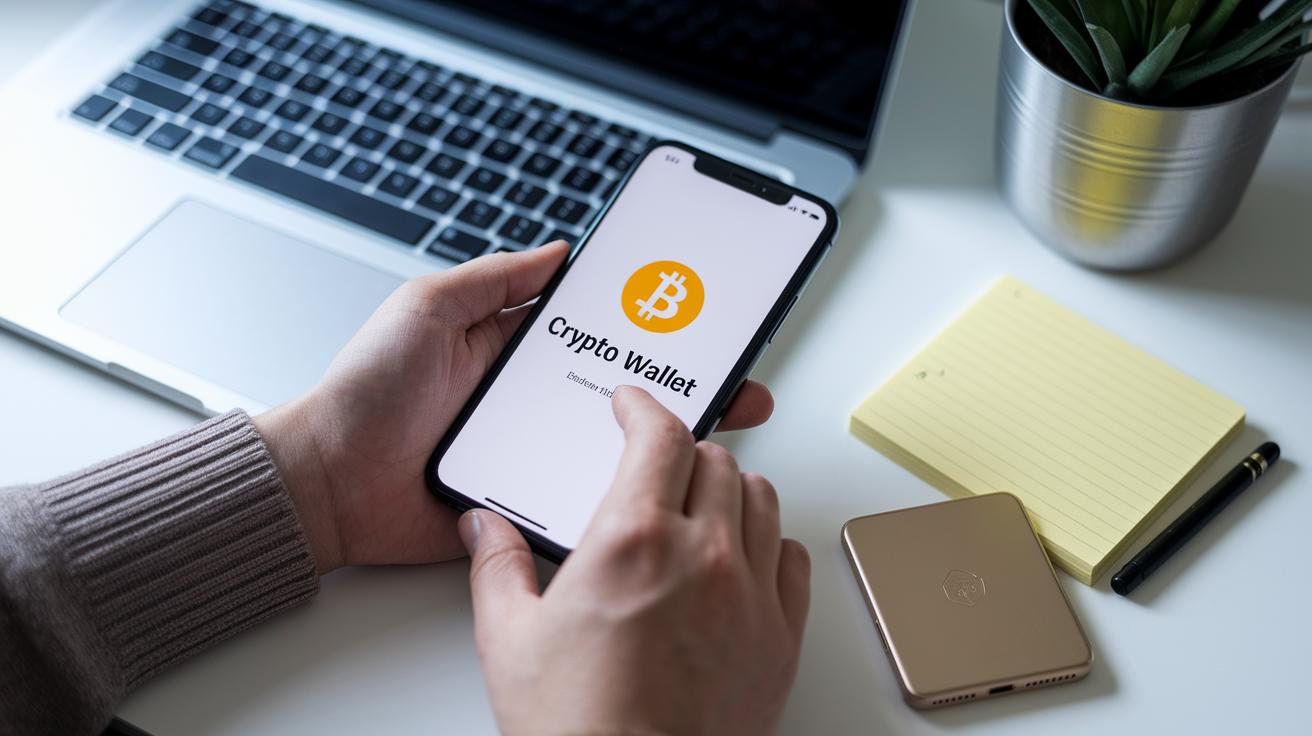
Getting started with NFTs means first having a good crypto wallet, your secure digital bag for holding cryptocurrency and digital assets safely. Picking the right wallet helps you easily connect with Ethereum platforms and NFT marketplaces without any extra hassle. Plus, it gives you full control over your transactions and offers backup options if you ever need to recover your funds.
Types of Crypto Wallets:
- Browser extension: This is a handy add-on for your web browser. It lets you jump right into NFT sites fast, though it can be a bit more open to online risks.
- Mobile app: Perfect for managing your digital stuff on the go. It’s really convenient, even though it might not pack all the features of a desktop option.
- Hardware device: Think of this as a physical safe for your keys. It keeps your private info offline, which is super secure, but everyday transactions can feel a bit clunky.
- Exchange-based: These wallets are simple to set up and can handle multiple cryptocurrencies. Just remember, using one means you give up a little bit of personal control over your funds.
Don’t skip backing up your seed phrase, it’s like your secret key to regain access to your wallet if your device ever goes missing or gets damaged. Saving your seed phrase in a safe, offline spot and setting a strong password are smart moves. And yeah, taking a few extra minutes to add extra security, like fingerprint locks or passcodes, really helps in keeping your digital investments safe.
Funding Your Wallet for NFT Acquisition
First, start by choosing a trustworthy exchange like Coinbase. You can buy Ethereum using bank transfers or debit/credit cards. Keep in mind that card purchases may come with fees of around $30 and often have low transaction limits. This step ensures you get the ETH you need to explore NFT marketplaces, and picking the right method helps you manage costs right away.
Next, send your ETH to your personal wallet. A browser wallet or mobile wallet like MetaMask works well. Just get your wallet's receive address, input it on the exchange, and push the ETH over. Always double-check the address to avoid any mistakes. This way, you keep full control of your funds while getting ready to make your first NFT purchase.
Gas fees are the payments you make to get transactions processed on the blockchain. They can be as low as $20 during quiet times and skyrocket to $3,000 or more when it's busy. Keep an eye on these fees and try making transactions when fewer people are using the network. That little bit of extra attention could really help you save money.
Choosing the Right NFT Marketplace
When you're looking for a place to buy NFTs, it's smart to consider things like the blockchain types they support, fee structures, and how user-friendly the site looks. For instance, OpenSea has a huge range of digital assets while Rarible is known for giving extra credit to creators with royalties. And if you're after a carefully picked selection of art, Foundation might be right up your alley. Each marketplace deals with different token types and charges different fees, usually between 2.5% and 5%. It really helps to check out the site's reputation and transaction rules so you can find one that fits your style.
Key Criteria for Marketplace Selection:
- platform reputation: a measure of how trustworthy the site is based on community feedback
- token standards: whether the marketplace supports various types of NFTs
- fee levels: knowing how much each transaction will cost
- transaction volume: an idea of how busy the site is, which affects buying and selling
- security audits: evidence that the marketplace prioritizes your safety
Trying a couple of these platforms is a wise idea. Start by exploring free or low-cost listings to see how each site works, and get a feel for the design and search tools on offer. This hands-on approach lets you experience the purchasing process and see how easy it is to find and compare NFTs. In short, taking a little time to test a couple of sites will help you spot differences in speed, clarity, and overall user experience, ensuring you pick the marketplace that really clicks with your needs before diving in with bigger investments.
Step-by-Step NFT Purchase Process
Once you’ve loaded up your wallet with funds, the next step is to connect it to your chosen marketplace. This link lets you interact with NFT listings and kick off your buying journey. Depending on what you see, you might have a fixed-price “Buy Now” option or need to jump into an auction, which sometimes means wrapping ETH into WETH, a simple conversion step. And don’t forget to check the gas fee estimates, as they can change with how busy the network is.
Here’s a friendly checklist to guide you through the process:
- connect wallet – Hook your wallet up to the marketplace interface.
- select NFT – Browse through the listings and pick the digital asset you really like.
- choose buy vs bid – Decide if you want to buy at a fixed price or place an auction bid.
- wrap ETH if needed – If the auction calls for WETH, convert the necessary ETH.
- review fees – Take a moment to look over the gas fee and any extra marketplace or royalty fees.
- confirm in wallet – Approve and confirm the transaction directly from your wallet.
- track on-chain status – Keep an eye on how the transaction is going using your favorite block explorer.
After you finish these steps, be sure to review your wallet’s transaction history. This helps you confirm that your NFT has come through safely and that all fees have been properly applied. It’s a smart way to catch any hiccups and keep your digital asset journey running smoothly.
Verifying Authenticity and Managing NFT Ownership
Before you jump into an NFT purchase, take a moment to do some research. Check out the creator’s social media and past drops to get a feel for their reputation. You can also look at the token’s contract details by finding the token contract address and token ID on the marketplace or with a blockchain explorer, a tool that shows on-chain data. This simple homework helps you make sure the NFT really comes from a trusted source.
Tools to Help You Confirm Authenticity:
- Block explorers: They show on-chain data, including past transactions.
- Verification badges on marketplaces: These marks tell you the NFT has passed extra checks.
- Smart contract audits: These are reviews by third parties that make sure the NFT’s contract is safe.
After you confirm the NFT is authentic, open your wallet (think MetaMask or Coinbase Wallet) and check the "Collectibles" section. Here, you’ll see your NFT and its proof of ownership recorded on the blockchain. This setup not only proves you own the NFT but also lets you keep an eye on any royalty settings for future sales. Taking these steps builds trust and keeps your digital collection organized.
Assessing Fees and Risks When Buying NFTs
Gas fees, or the cost to process transactions on the blockchain, can be all over the map. When the network is calm, you might pay around $20, but when it’s busy, fees could hit $3,000 or more. Plus, most NFT platforms tack on an extra fee of about 2.5% to 5% of the purchase price. Knowing these costs before you buy helps you avoid any nasty surprises.
NFT prices can bounce around faster than you might expect. One day you could see a drop of 10%, and the next day a gain of up to 50%, or the other way round. That means a great buy today might lose value quickly. It’s a smart move to keep an eye on the trends and take your time before deciding.
There’s also room for fraud in this space. Scammers can set up phishing sites that look like trusted marketplaces, use fake contracts, or even try tricks like wash trading to deceive you. Always check the website’s URL closely, confirm the seller’s background, and stick with well-known resources to make sure everything’s legit.
Some simple steps to cut down risk include double-checking website addresses before you hit send and sticking with sellers who have verified reputations. Also, setting a firm limit on your investment can be a lifesaver in this fast-changing market.
Security Best Practices for NFT Transactions
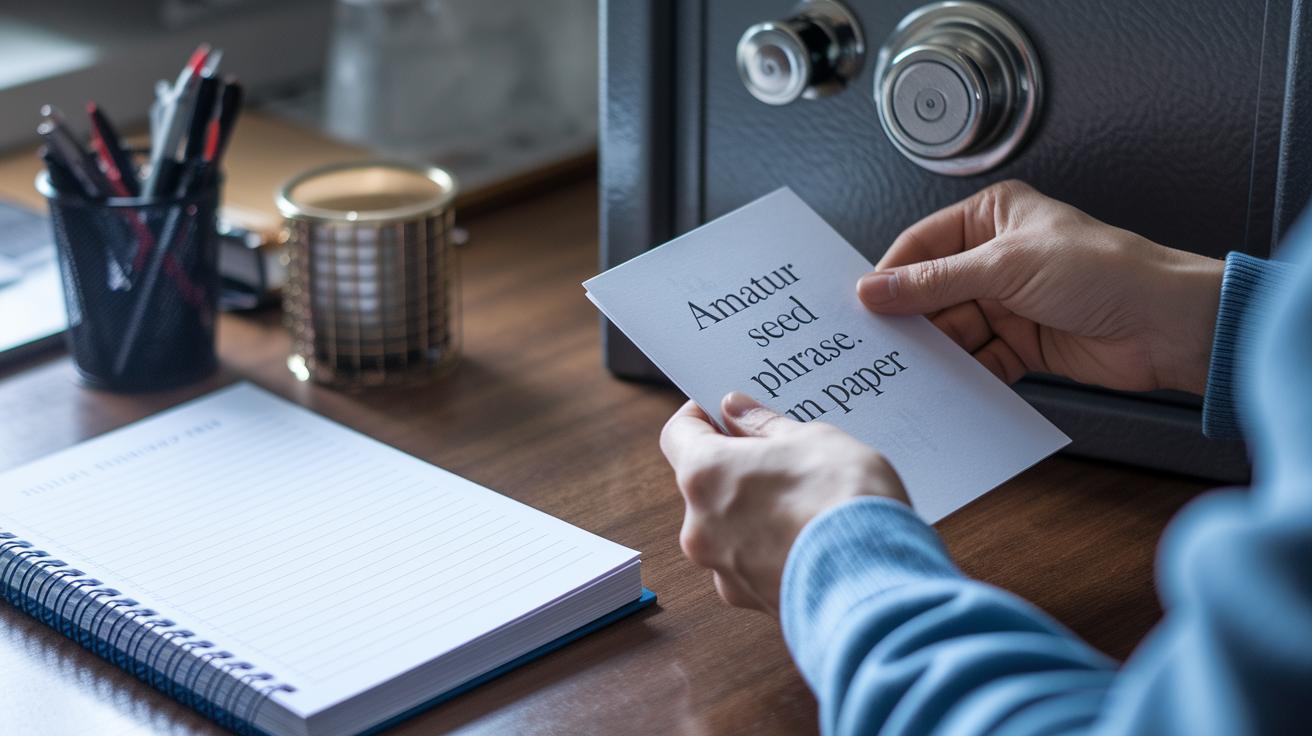
When you’re managing your digital assets, keeping your seed phrases safe is key. I always recommend storing your seed phrase offline, think of it like writing it on paper and locking it in a safe or using a dedicated hardware wallet like Ledger or Trezor. This way, your private keys stay far away from online risks and unwanted access.
Turning on two-factor authentication for your exchange accounts is a simple, effective step, too. Always double-check that your connection uses HTTPS before you make any move, and keep your wallet software updated to fend off vulnerabilities. A quick glance at the browser’s security badge can make all the difference, ensuring your digital space stays protected.
Before you hit “Approve” on any transaction, take a moment to check all your wallet permissions and active connections. This little audit helps stop unnecessary access and minimizes the chance of exposing your private data. Simple extra care like this can add another layer of safety to your NFT transactions.
Post-Purchase Actions and NFT Market Outlook
After you buy an NFT, you'll see it in both your marketplace profile and your wallet’s collectibles tab. This makes it super easy to decide if you want to hold onto it, resell it, or even rent it out using the simple tools available in the platform. Reselling your NFT can bring in a steady flow of potential buyers while renting out gives you another way to earn money. It’s a neat process that not only boosts liquidity but also helps you get a feel for market demand as you watch how other traders react.
Price-tracking tools and analytics dashboards offer a clear view of digital art market trends. These handy tools show you real-time price changes, let you compare current numbers with historical data, and help you see how your investment is performing. A closer look at these details can provide useful hints about when to resell or tweak your strategy. Have you ever noticed how numbers can really guide you on the best timing for a move?
Mixing your investment across art, collectibles, and gaming tokens is a smart way to build a balanced portfolio. By spreading out your money, you lower your risk while opening up new opportunities for growth. Plus, upcoming cross-chain marketplaces and improved user interfaces promise a smoother trading experience. Keeping an eye on these fresh platform upgrades will help you stay ahead in the constantly changing world of digital asset investments.
Final Words
In the action, we covered a clear process from wallet setup and funding to choosing a top marketplace. The post broke down each step, from connecting your wallet to reviewing listing fees and ensuring solid security measures. It also highlighted how to check authenticity and manage risks when entering digital art and collectibles. We hope these insights empower you to make each NFT purchase a smart move on how to buy nft.
FAQ
What is an NFT marketplace?
The NFT marketplace means an online platform where users list, buy, and sell unique digital assets like art or collectibles using blockchain technology. It facilitates transactions, ensures authenticity, and shows details about each token.
How do I buy an NFT on popular platforms like OpenSea, Binance, Coinbase, or through Reddit tips?
The process means setting up a crypto wallet, funding it with ETH, and linking the wallet to a marketplace. Whether using OpenSea or another platform, you typically select an NFT and follow the purchase prompts.
How do I create an NFT?
Creating an NFT means minting your digital asset on a blockchain. You choose a platform, upload your file, set a price, and let the network confirm the token, turning your digital work into a unique, verifiable collectible.
How much is $100 worth when buying NFTs and how much do they usually cost?
The value means $100 can buy different NFTs depending on market pricing and fees. Costs vary widely, from digital collectibles priced under $100 to high-demand art tokens that run into the thousands.
Are NFTs still worth buying and how do beginners invest in them?
The market means NFTs still offer entry points for collectors and investors. Beginners should research platforms, start with affordable tokens, and carefully monitor trends while watching for fees, volatility, and authenticity.