
Have you ever wondered how the very risks that scare newcomers can also excite experienced collectors? Price swings and low trading activity might sound like warning signs, but they can actually open the door to big opportunities. It’s a bit like trading a rare baseball card in a quiet market, sure, it’s risky, but the payoff can be huge. In this blog post, we’ll chat about how issues like changing prices, hard-to-sell assets, and even cyber threats might push investors to trust the digital collectible world even more.
Key Risks Impacting the NFT Market Today

NFT investments come with plenty of ups and downs. Investors have seen wild price swings before, like when NFT prices rocketed by almost 2,000% in 2020. Imagine a digital collectible that doubles in value overnight only to drop by half the very next day. That kind of unpredictability makes it hard to pin down true value.
Another big worry is liquidity. Take OpenSea, for example. Its monthly sales volume dropped by 90% in the first half of 2022. This means selling an NFT can feel as rare as offloading a vintage baseball card, making quick exits tricky.
There’s also the risk from centralized hosting. If a service goes offline, you might lose access to your digital asset. And then there’s fraud. Unauthorized mints and fake collections can hide the true worth of an NFT, leaving collectors in a bind.
Smart contract problems add to the mix too. Sometimes, technical loopholes let hackers steal millions in decentralized finance, which only makes investors more cautious. Meanwhile, a cloudy regulatory environment, with debates over securities classification and little insurance for theft or lost keys, leaves many questions unanswered.
Cyber threats, such as phishing scams and irreversible transfers from compromised keys, make things even more challenging. All these risks prove why investors need to stay alert, even as they hope for clearer rules and market improvements soon.
Pricing Volatility and Crypto Market Instability in the NFT Market
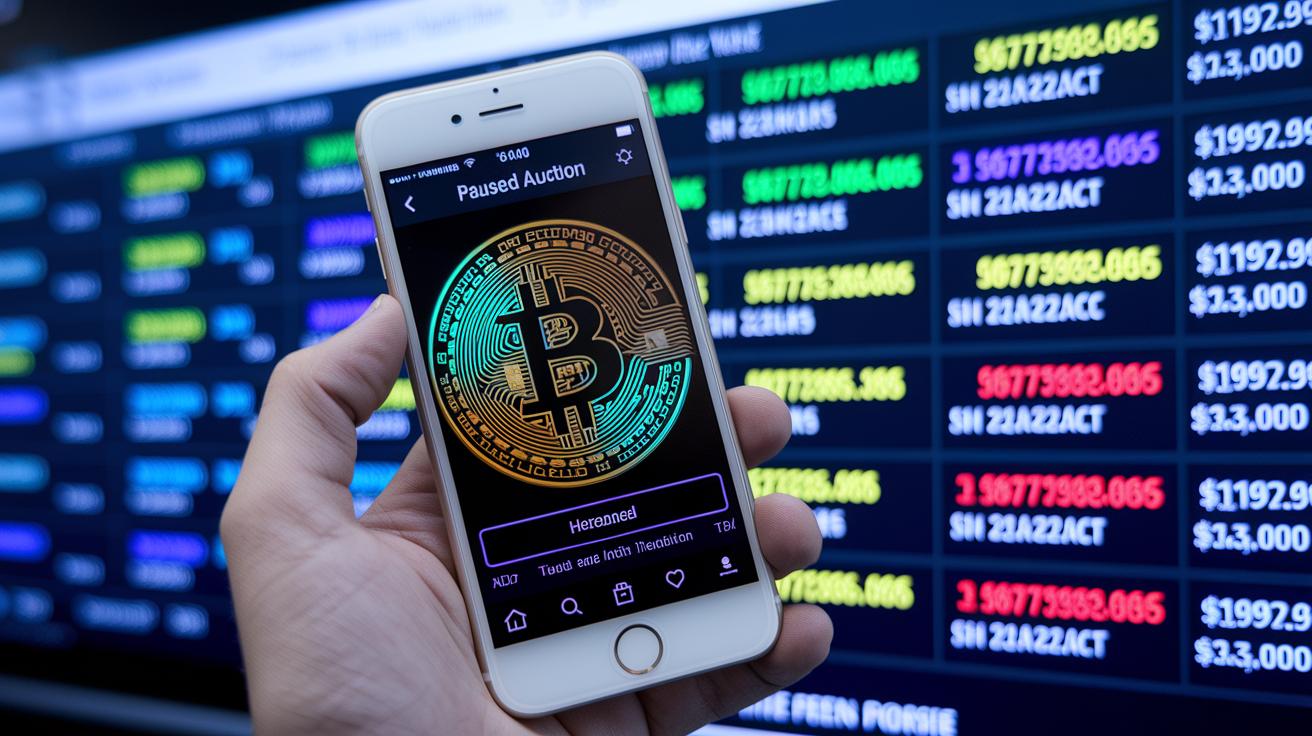
When an NFT soared nearly 2,000% in 2020, even experts had difficulty keeping up with its swift changes. Digital collectibles often see wild price swings, and that big jump shows just how unpredictable they can be. This rollercoaster behavior underlines the risks of pricing digital tokens and shakes up the whole crypto market.
Take the case of Sotheby’s – they had to pause a $30 million auction because rapid price shifts made it nearly impossible to set a fair value. With factors like scarcity, uniqueness, and different ways of selling these items, investors now have to quickly judge what their assets are worth. It’s like trying to catch a moving train!
Some experts worry that the market might crash, while others believe it has the potential for steady, long-term growth. It’s a real mixed bag out there, and staying alert is key.
| Risk Factor | Impact |
|---|---|
| Scarcity | Pushes prices up and down quickly |
| Uniqueness | Leads to surprising price jumps |
| Distribution Channels | Adds different layers of market effects |
- Volatile digital collectibles mean you need to check values fast
- Ongoing crypto market ups and downs call for careful pricing
In short, as market forces continue to shift, investors need to keep re-thinking the value of their assets.
Liquidity and Market Depth Challenges in the NFT Market
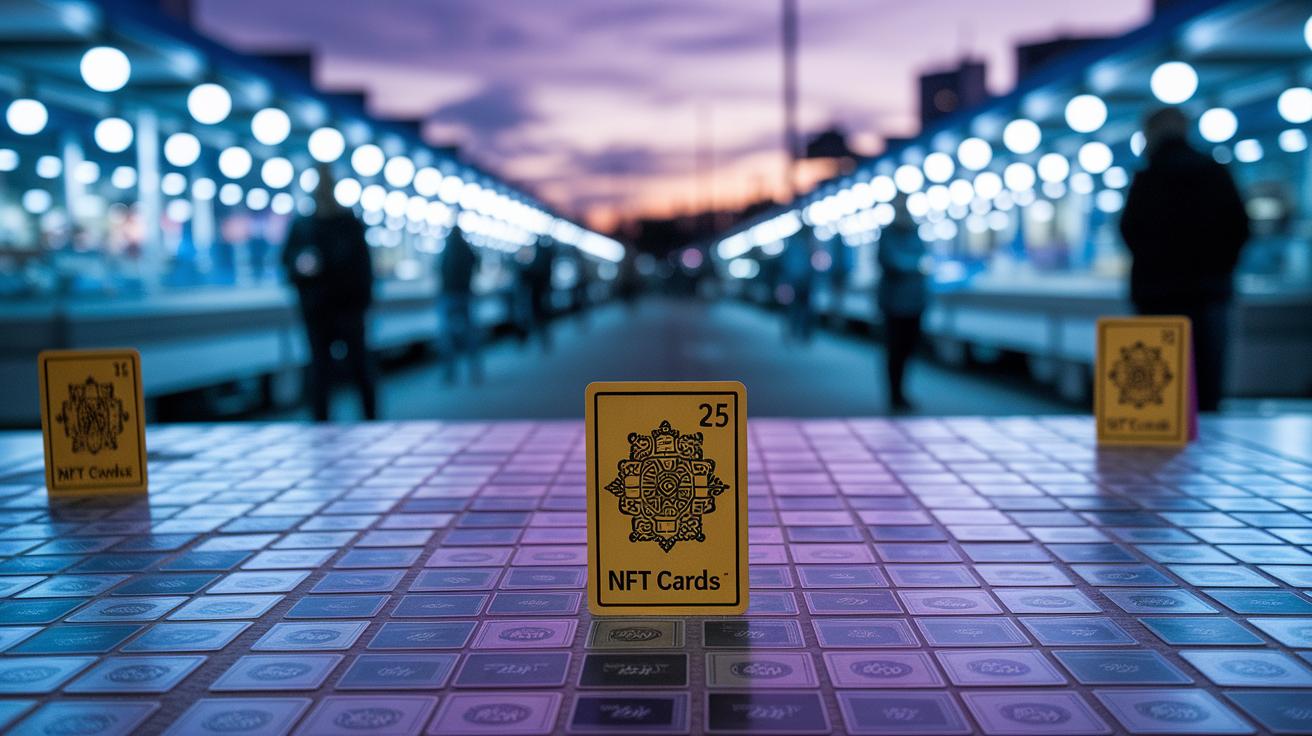
Thin markets can really make selling your digital collectibles a hassle. Think of many NFTs like rare baseball cards, you might hold onto them for a long time since buyers don't show up often. For instance, OpenSea experienced a 90% drop in monthly transactions, which shows just how few buyers there are. In short, you could be left with an NFT that’s hard to convert into cash when you need it most.
And then there’s the issue of multiple marketplaces. When trading splits across different platforms, it weakens the market as a whole. Buyers are scattered, which means there aren’t enough trading matches to help speed up sales. Imagine trying to coordinate a quick group decision when everyone’s in different spots, it just doesn’t work out smoothly.
Consider a local art show where only a handful of people turn up, even though there are dozens of online listings for similar work. In one case, a popular NFT platform saw its transaction volume shrink so fast that NFT values dropped before investors could react.
- Fewer buyers mean longer wait times for sales.
- Fragmentation across platforms creates shortages in liquidity pools.
If you're interested in learning more, check out the insights on the nft marketplace to see how bringing liquidity together might help ease these challenges.
Ownership, Custody, and Digital Wallet Vulnerabilities in the NFT Market
Owning an NFT isn’t just about having a digital token, it’s also about keeping it safe. Centralized storage platforms might be super convenient, but they can vanish overnight, leaving your prized collectible out of reach. Think about it: what if the service you trusted suddenly stops working? You could lose access in an instant.
It’s a bit like your local bank suddenly shutting its doors without warning. Many folks choose hot wallets for the ease they offer, but these come with their own set of risks. A small security slip-up can expose your private key, which is like sharing the master key to your treasure chest. Once that key is out, you might see your NFT vanish with no chance to recover it.
Then there’s the issue with third-party services. When you rely on outside APIs and storage providers, you might be creating little openings into your digital assets. It’s kind of like trusting a key-maker who might not really have your back.
- Improper key management can lead to costly mistakes.
- Using several providers can increase your cybersecurity risks.
Even a small security oversight in a digital wallet can cost collectors thousands in lost value. By taking custody risks seriously and using strong wallet practices, savvy investors can feel a bit more optimistic despite these vulnerabilities.
Fraud, Manipulation, and Marketplace Integrity Issues in the NFT Market

Fraudsters often find loopholes in the marketplace to play with prices and trick people. One trick they use is wash trading, where sellers trade NFTs with themselves or team up in secret. This bumps up the floor prices, making a digital collectible seem worth more than it is. It’s surprising to learn that some NFTs show sky-high sales volumes without any real demand.
Another worry is unauthorized minting. Imagine buying an NFT made from content the seller doesn’t actually own. This not only devalues the piece but also puts buyers at risk. Then there are fake collections that mirror well-known brands. It’s like spotting a knock-off designer bag, it might look great at first, but once you dig deeper, you find its true value is way off.
The whole scene gets murkier with transparency gaps and missing records. Without clear logs and honest verification, catching fraud becomes more of a guessing game.
- Sellers might use wash trading to fool buyers.
- Unauthorized minting puts investors at risk.
- Counterfeit collections can mimic trusted brands.
These tricks stir up unease among collectors. For anyone into NFTs, keeping an eye on fake market moves and scams is key.
Smart Contract Flaws and Cybersecurity Exposures in the NFT Market

NFT projects sometimes run into big technical and online security problems. Bugs like reentrancy and overflow have led to losses worth millions, leaving many investors stunned. These issues in smart contract code remind us that even small coding mistakes can cost a lot of money. Hackers often use fake messages to trick people into sharing their private keys. Errors in backend APIs and fake data feeds can also mess up NFT transactions. And when scammers target marketplace admins with social tricks, they can sneak into important systems.
These risks show just how important strong cyber defenses are. Many teams now focus on detailed code checks and improved contract standards to fight these dangers. Even though these problems seem tough, they also bring hope that new security fixes can make things better. Every attack is a chance to build stronger defenses and boost trust among digital asset owners.
Both developers and investors know that smart contract issues need fast attention. That’s why there are ongoing efforts to improve code reviews, testing, and security updates. Staying alert and routinely updating defenses will help the NFT market become safer and more reliable. Investors keep an eye on these changes as industry safeguards grow and adapt to new challenges.
| Vulnerability | Description | Example Incident |
|---|---|---|
| Reentrancy Bug | Messes with contract withdrawal processes by making repeated calls. | A DeFi protocol lost funds through many small withdrawals. |
| Overflow Bug | Miscalculates balances due to arithmetic errors. | Tokens were wrongly computed, leading to unauthorized gains. |
| Phishing Attacks | Scams that trick users into giving away private keys. | Hundreds of NFT wallets were compromised with fake messages. |
| Oracle & API Flaws | Bad data feeds that create transaction problems. | Market values got distorted by manipulated oracle data. |
Regulatory Uncertainty and Legal Compliance Complexities in the NFT Market

NFTs don't share the same global rules. Instead, each country treats them differently. Some call them collectibles, while others view them like securities, similar to stocks. This mix of opinions can lead to surprise legal challenges when trading digital assets. For example, in certain areas, a change in classification could force investors to follow strict rules, adding more steps and costs.
Regulators around the world are still chatting about how NFTs should be handled. This uncertainty can make investors uneasy as they try to figure out which rules fit their situation. Without clear guidance, the chance of running into compliance trouble goes up. Added to that, anti-money laundering rules become tricky because the privacy of digital assets might sometimes open the door to illegal activities.
On top of that, when NFT trades cross country borders, legal issues can pop up unexpectedly. The constant changes in legal guidelines mean that staying informed is a must. If you're curious, check out emerging crypto regulatory policies for more insight on how these changing rules are shaping the market.
nft market risk factors ignite investor optimism
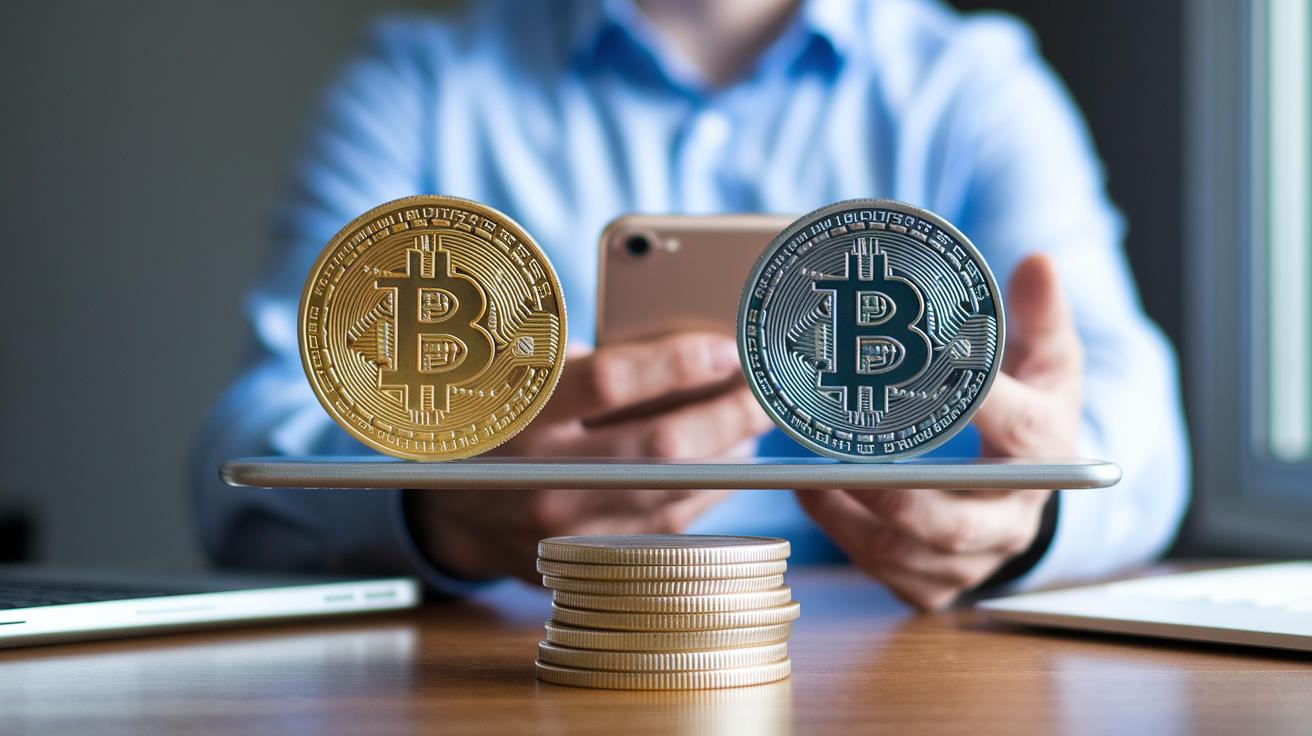
Investors looking to feel more secure can use different strategies to lower risks. One smart method is to balance your NFT investments with more traditional ones like stocks, bonds, and real estate. Think of it like creating a well-mixed investment smoothie, each part adds a stabilizing flavor.
It’s also key to do your homework. Before jumping in, check the artist’s background, their community engagement, and past sales. Ever read reviews before trying a new restaurant? That’s the same idea, this extra step helps set realistic expectations for the market.
Strengthening security should be at the top of your list. Use hardware wallets instead of keeping everything online, enable two-factor authentication, and update your software regularly. These practices create a sturdy shield against cyber theft.
Keeping an eye on market data with smart, risk-adjusted models can guide you when it’s time to reallocate funds. With rapid shifts in investor sentiment, regular monitoring ensures your portfolio stays aligned with current trends and changes in regulations.
Here are some tactics to remember:
- Spread your investments to reduce risk
- Do thorough checks on every NFT asset
- Upgrade your security measures and watch market movements
And don’t forget, talking with an NFT-savvy financial advisor can add an extra layer of protection. Their insights can help you adapt as market conditions evolve and boost your overall confidence in a mutable market.
Final Words
In the action, we explored how nft market risk factors affect digital assets. We touched on wild price swings, liquidity issues, and the dangers of wallet vulnerabilities alongside fraud incidents and smart contract pitfalls. Our chat also covered shifting regulations and offered smart strategies like diversification and improved security measures. The market can be unpredictable, but a well-thought-out approach opens solid opportunities. Stay informed, be cautious, and keep moving forward with a positive outlook.
FAQ
What are NFT market risk factors for 2021 and 2022?
The NFT market in those years faced extreme price swings, scarce liquidity, challenges with digital custody, cases of unauthorized minting, smart contract vulnerabilities, and unclear regulatory rules that all complicated investor decisions.
What is a Treasure NFT?
Treasure NFT typically refers to a high-value digital collectible that offers unique benefits, yet it also carries risks like rapid price changes, low liquidity, and potential fraud that can affect its perceived value.
What are the risks of NFT trading?
NFT trading risks include dramatic price swings, liquidity issues making it hard to exit positions, fraud such as counterfeit collections, smart contract exploit vulnerabilities, and challenges in digital wallet security.
What is the biggest problem with NFTs?
The biggest problem with NFTs is their extreme volatility and liquidity gaps, which make accurate valuation tough and can hinder investors’ ability to buy or sell quickly during market shifts.
Why did the NFT market crash?
The NFT market crash was linked to a steep drop in trading volumes, overvaluations leading to rapid corrections, decreased buyer activity, and mounting fears about asset security and regulatory risks.
Why are NFTs no longer popular?
NFTs have lost popularity due to market saturation, reduced liquidity, mounting regulatory and security concerns, and the unpredictable nature of digital asset valuations that have dampened investor enthusiasm.