Have you ever wondered if NFT art is just a passing bubble or if it hints at exciting changes ahead? One record sale got everyone buzzing, only to be quickly followed by a sharp drop in value. These wild ups and downs mix big wins with some tough challenges for collectors. In this article, we break down fresh stats and bold trends to give you a clear picture of today's digital art scene. Who knows? These numbers might just signal a growth spurt that could switch things up for both art lovers and investors.
NFT Art Market Snapshot and Key Metrics
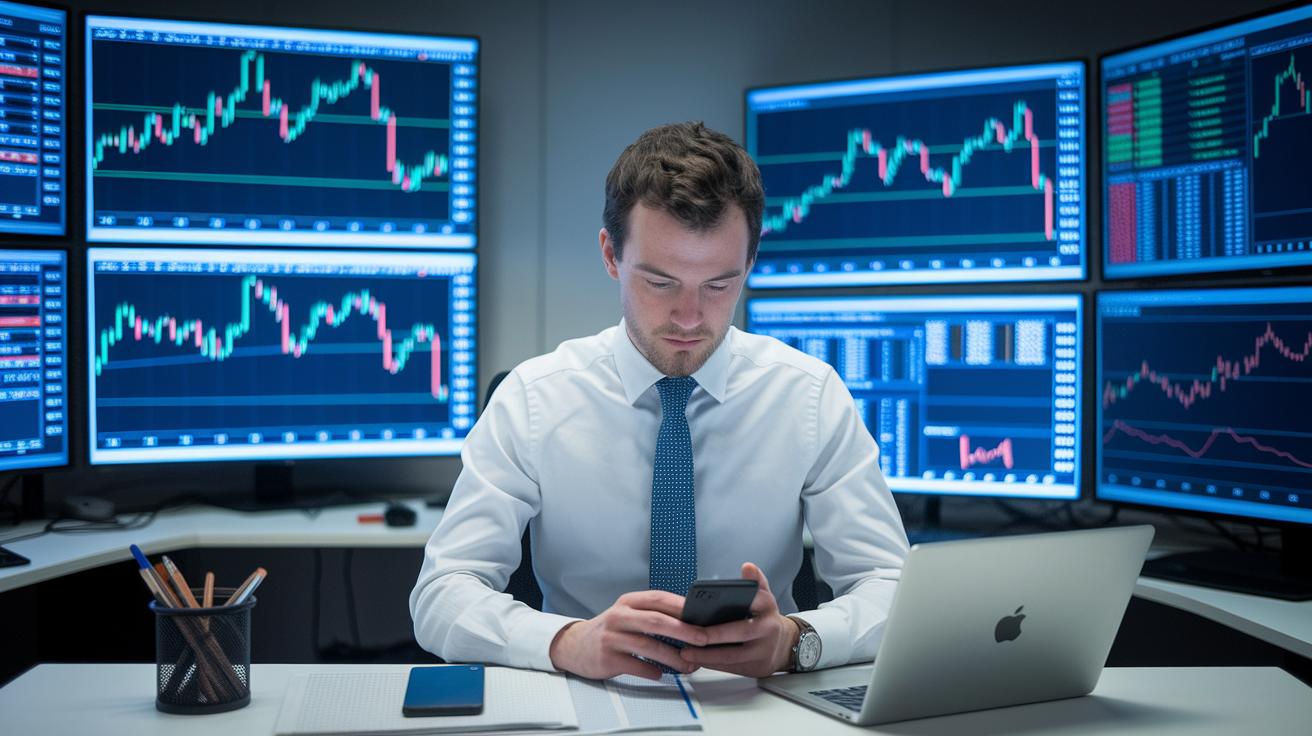
The NFT art world has been on a wild rollercoaster. In 2021, digital art hit amazing new peaks, collectors marveled when Beeple’s record-breaking $69.3 million sale at Christie’s made headlines. But that excitement didn’t last long, and soon many pieces lost a lot of value. Today, important stats like digital art’s share of spending by wealthy collectors and changes in trading volumes help us make sense of this unpredictable market.
This market blends big wins with tough setbacks. Platforms that once buzzed with high trading activity in early 2021 now see much lower numbers by the end of 2023. For example, an NFT once valued at $5,000 has dropped to just $15. Clear trends in floor prices show how dramatic these shifts have been. Also, digital art made up only 3% of the spending by high-net-worth individuals in the first half of 2023, which tells us that investors are proceeding with extra caution.
| Key Metric | Description |
|---|---|
| Beeple’s $69.3M Sale | Record-breaking sale at Christie’s in March 2021 |
| Trading Volumes | A sharp decline from Q1 2021 to Q4 2023 |
| $5,000 NFT Drop | An NFT that was once worth $5,000 is now valued at just $15 |
| 3% Collector Spend | Digital art accounted for only 3% of high-net-worth art spend in H1 2023 |
| Floor Price Decline | A noticeable year-over-year drop in floor prices |
These numbers show that even though digital art still sparks interest, factors like overhyped trends and changing buyer behavior are now key players. Buyers, sellers, and collectors all need to watch these shifts closely and adjust their strategies to keep up with this ever-changing market.
NFT Art Market Trends and Volatility
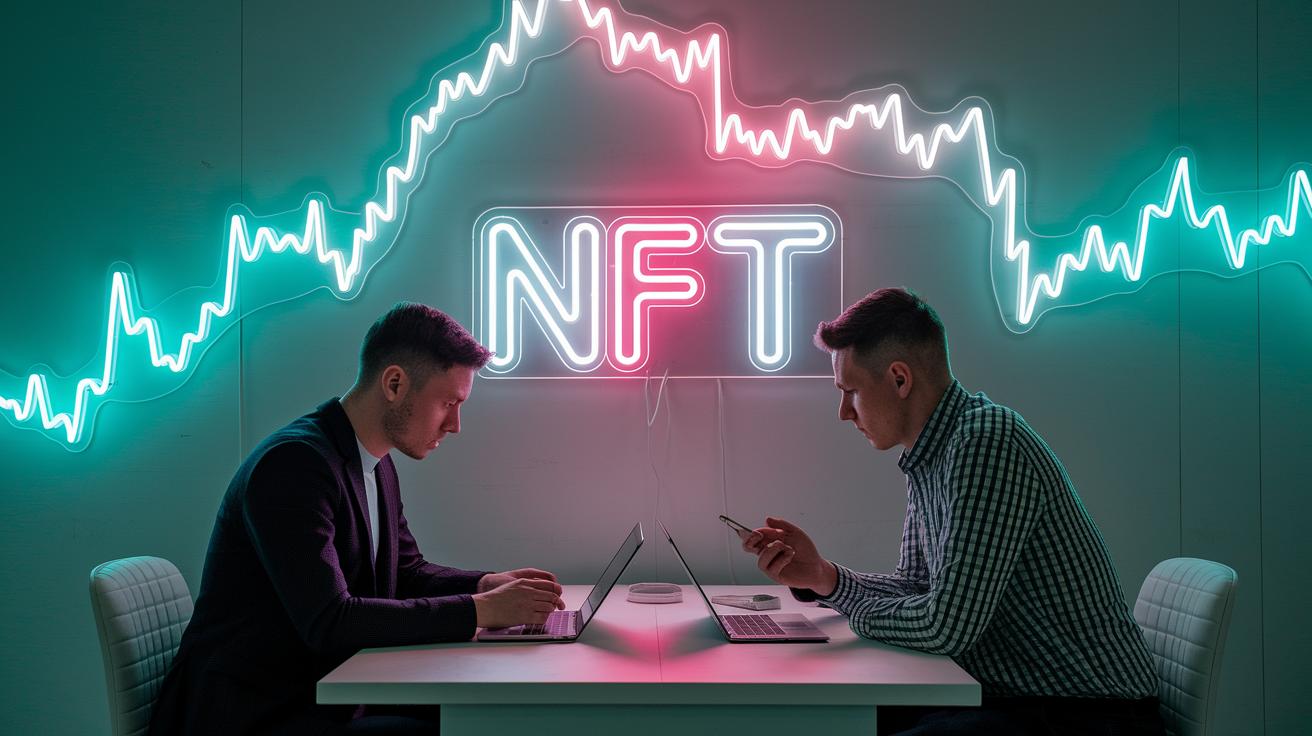
Recent studies show that NFT art prices can change in a flash. Because anyone can easily join the market, buying and selling happen fast. These rapid shifts often mirror how investors feel, and new ways of calculating worth only add to the excitement.
Price Surge and Peak
At first, a burst of buying pushed digital art values sky-high. People found it very easy to jump in and make trades, which led to sudden bumps in sales. In just a few short weeks, some artworks nearly tripled in value, capturing the attention of both new collectors and seasoned investors.
Market Correction Dynamics
But then, prices took a dip as buyers started to question how art was being valued. This drop shows how important it is to use updated methods when judging NFT prices. For example, one artwork’s value suddenly changed, urging investors to reconsider their strategies based on fresh market insights.
Top NFT Art Marketplaces and Performance Metrics

The NFT art world has a bunch of platforms that cater to different creative styles and collector needs. Some sites see huge trading volumes, while others focus on showcasing handpicked, exclusive artworks.
| Marketplace | Niche Focus | Notable Feature |
|---|---|---|
| OpenSea | General digital art | Big trading volume |
| SuperRare | Curated single-edition works | Exclusive drops |
| Foundation | Vetted artist drops | Curated art |
| Rarible | Community-led art | Decentralized market |
| Nifty Gateway | Celebrity-backed releases | High-profile art |
Artists and collectors often pick their favorite platform based on what they need. If an artist wants lots of exposure and high trading volumes, they might choose OpenSea because it tends to lead in volume. On the other hand, collectors looking for rare or exclusive pieces might go for SuperRare or Foundation, where every piece is a special drop. Rarible works well for those who love a community vibe, and Nifty Gateway is a go-to for buyers who enjoy art backed by big names. Each platform has its own charm and benefits, so you can find the one that best fits your creative or investment goals.
NFT Art Market Investment Prospects and Forecasts
Blockchain’s built-in scarcity is reshaping how we own art. Even though digital art made up only 3% of spending by high-net-worth collectors in the first half of 2023, that small share shows how much untapped potential there is. Because each piece is unique, digital artworks are building trust much like famous paintings, and investors are seeing them as a way to get in early and possibly benefit as rarity and authenticity drive long-term value.
Experts are now trying new ways to figure out how much these tokenized creations should be worth. They’re mixing ideas from market history, trading volumes, and an artist’s influence to come up with fresh valuation methods. One analyst even said, “See how past trade data helps shape our predictions?” This simple approach offers clear insights, even when the market feels a bit unpredictable.
Generative AI is sparking creative breakthroughs, and cool new venues, like a three-story space in Paris, are drawing in big, institutional investors. These hybrid venues mix traditional experiences with digital art, creating exciting opportunities that could lead to a more stable and diverse market. In short, as AI fuels creativity and these new spaces continue to bridge physical and digital art, both creators and collectors may soon see some rewarding benefits.
Regulatory and Authentication Factors in the NFT Art Market
Blockchain tech is a cool tool that helps track who really owns digital art. Each NFT comes with a permanent record that works like a digital certificate, so you can easily check if a piece is authentic. Most platforms use smart contracts, automated agreements, to confirm ownership and manage fees and royalties. Every trade is logged on a shared ledger, and these built-in audit trails help cut the risk of fraud. For example, a smart contract might automatically include royalty details so the artist gets their share every time the art is sold.
Worldwide rules for digital art are still taking shape, and regulators are drafting clear guidelines. They’re asking platforms to follow standard smart-contract practices and run regular audits on their ledgers. These policies ensure platforms keep strong measures in place, like verifying fee structures and confirming the authenticity of artworks. In short, as the rules tighten, both artists and collectors can enjoy a safer market with a focus on transparency and trust.
NFT Art Market Case Studies: Successes and Setbacks
Some record-breaking NFT sales have really caught people’s eyes. They’ve shown just how exciting and full of potential digital art can be. One famous sale even changed how we think about art value in just one night, drawing in collectors with bold pricing and sparking new interest without going into every detail.
But, you know, the market isn’t all smooth sailing. There have been moments where prices dropped quickly, reminding us that hype can sometimes lead to sudden value shifts. These instances show that a careful strategy is needed to manage the ups and downs of digital assets.
On the flip side, galleries are getting creative. They’re blending their traditional art-curating skills with modern digital tools. Many are experimenting with digital showcases and Web3 streaming events to feature unique collections. This mix of old and new could help steady the market and offer exciting, fresh ways to experience digital art.
Emerging Artists and Technologies in the NFT Art Market
Beeple has had a huge impact on digital art. His big mainstream success showed everyone how far creators can push NFTs. Thanks to his breakthrough, the world started paying attention, and now a new group of artists is emerging. They’re using plain old AI tools to craft amazing digital pieces. One artist even made a digital landscape that changes every time you see it, perfectly showing off what AI can do in art.
New digital platforms are changing how we share and enjoy art. Places like Artverse and live Web3 streaming events let people explore NFT collections in real time. These interactive shows give artists a direct way to connect with collectors, turning old-school galleries into tech-savvy experiences. This shift is blending creativity with the latest tech to spark truly fresh ideas in art.
Final Words
In the action, we walked through the nft art market, from record-breaking sales and steep price drops to key metrics and current trends. The article pointed out how rapid shifts in trading volumes, floor price declines, and emerging platform strategies shape today’s market. We also touched on evolving investment approaches and regulatory insights that help investors manage risk while exploring new digital opportunities. Use these insights as you adjust your portfolios and make smart moves in this dynamic market.
FAQ
Frequently Asked Questions
What is the NFT art market?
The NFT art market is a digital space where unique art assets are bought, sold, and traded using blockchain verification. It connects artists with collectors while using smart contracts for secure transactions.
Are art NFTs still a thing and is the NFT market still profitable?
The art NFT scene remains active and engages a diverse community, though profitability can vary. Price swings and market interest mean that careful research is key to spotting opportunities while managing risks.
How do I explore NFT art markets for sale, including best and free options from recent years?
Exploring NFT art markets means comparing various platforms to find sale opportunities, quality selections, and even free entry points. Reviewing market trends and current floor prices helps buyers make informed decisions.
What makes OpenSea notable in the NFT marketplace?
OpenSea is renowned for its extensive range of digital art and high trading volumes. Its user-friendly interface and large community of artists and collectors make it a key destination in the digital asset market.
How is NFT market share determined and does it impact value?
NFT market share is measured by each platform’s trading volume relative to the overall digital art market. A larger share can signal popularity, but value also depends on buyer demand and individual art quality.
What NFT platforms exist aside from OpenSea, such as Rarible, Nifty Gateway Studio, SuperRare, Binance, and Coinbase?
Many platforms serve the digital art market. Rarible promotes community-led projects, Nifty Gateway Studio and SuperRare focus on curated artworks, while Binance and Coinbase offer broader digital asset trading options.