
Have you ever noticed how some digital collectibles skyrocket while others barely make a blip? That’s what NFT market capitalization is all about, it sums up the total value of these one-of-a-kind tokens much like rare baseball cards that collectors hold dear. By tracking things like the starting prices and the overall number of tokens, we can see how the market shifts and grows. In this discussion, we break down the numbers behind rising NFT values so you, as an investor, can get a clear view of what fuels this exciting digital space.
nft market capitalization: Rising Value Trends
NFT market capitalization shows the overall value of all non-fungible tokens, which are unique digital items that aren’t like regular cryptocurrencies. Each NFT is special, kind of like a one-of-a-kind baseball card, so you can’t just swap one for another.
One key concept here is the floor market cap. This is found by taking the cheapest token in a collection (known as the floor price) and multiplying it by the total number of tokens available. Imagine this: if the lowest price is $100 and there are 10,000 tokens, then the floor market cap would be $1,000,000. It’s a straightforward way for investors and collectors to see the baseline value of an entire collection.
Today, platforms are keeping track of over 1,700 collections. They monitor floor prices, trading volumes, sales, and even who owns what. Just recently, the global NFT market reached about $5,258,643,644 USD, although it dipped slightly by 2.18% in one day. Isn’t it wild how quickly things can change in this space?
Investors use these numbers to weigh risks and potential gains. They watch the floor price and total supply closely because a rising market cap usually means growing interest and confidence in these digital assets. It’s all about staying informed and ready for whatever turns the market may take.
Historical Evolution of NFT Market Capitalization

Back in 2018 and 2019, NFT earnings were less than $10 million. Digital art and collectible sales were small, with just a few people exploring digital tokens like they’d visit a local art fair. That early stage set the scene for what was coming next.
Then in 2021, the entire market shifted. Investors and collectors quickly took notice, and by 2022, annual revenue shot up to $1.58 billion. This wasn’t only about bigger numbers, it meant that tracking prices and values through art records and token metrics became really important. In early 2020, the market cap was in the single-digit billions, but by 2022 it jumped to over $340 billion. It was like watching a sky filled with fireworks, each burst representing a striking rise in value.
After this explosive period, things started to settle down. By 2024 and 2025, revenue had smoothed out to around $600–700 million, and current market cap estimates fall between $10 billion and $15 billion. This steadiness shows a move from wild, rapid growth to more predictable trends. While NFTs once soared on speculative interest, the market is maturing into a more stable and trackable asset class, offering both excitement and a chance to reflect on future steps.
Current Trends Shaping NFT Market Capitalization
Recent studies show the NFT market is changing fast and growing steadily. CoinGecko reports that the global NFT market cap has jumped almost 17% to reach $6.04 billion, a sign that people are once again excited about digital collectibles. Imagine a big whale snapping up 45 CryptoPunks for over 2,000 ETH! Big moves like these boost collectors' energy and give investors a reason to feel confident.
Today’s trading scene is split into clear categories. For example, tokens used for profile pictures (PFP tokens) make up 37% of the trading volume because many collectors love them. Gaming tokens follow at 25%, proving that digital game art still grabs attention. Other areas like Music/Media and real-world assets take a smaller slice of the trade pie. In 2020, fewer than 1 million users were active on NFT platforms, but that number is expected to soar past 11 million by 2025 – a dramatic jump that shows growing interest.
All these trends add up to a vibrant market. Big purchases, busy marketplaces, and shifting trading groups work together to shape overall sentiment. More users mean higher demand, and targeted trading in key segments helps steer the market's direction. Investors and enthusiasts keep a close eye on these changes, ready to spot new opportunities as the market evolves. Truly, the surge in digital collectible values comes from record deals and a steadily growing community, making this an exciting time for NFTs.
Comparative Analysis: NFT Market Cap vs. Other Asset Classes
When you check the figures, you see that NFTs really stand apart from other types of investments. At their peak, NFTs hit a value of about $340 billion. In comparison, the whole cryptocurrency market or even gold is worth roughly $11 trillion. So, while NFTs have grown quickly, traditional assets still hold the top spot in overall value.
Think about how major art sales add to this story. Record-breaking sales like “The Merge” at $91.8 million, Beeple’s “Everydays: The First 5000 Days” for $69.3 million, and “Clock” for $52.7 million show that digital art can sell for prices that match high-end physical art.
Today, experts estimate the NFT market cap to be between $10 billion and $15 billion. This is a lot smaller than more established areas like blue-chip art and big stock indexes. In many ways, NFT growth goes through a familiar pattern: fast climbs that lead to high peaks, then slow corrections, and finally settling into a more stable value.
- Rapid expansion: Like tech bubbles, NFTs shot up quickly before reaching their peak.
- Corrections and stabilizations: Just like some stocks or art markets, NFTs are now settling into more regular trading patterns.
Imagine a big art sale that suddenly slows down, almost like the change of seasons. That’s what these cycles look like, active phases that need a close look and comparison with other asset classes.
Key Drivers Influencing NFT Market Capitalization
Basic metrics like floor price and rarity set the stage for how we value NFTs. But, you know, active trading platforms and the ups and downs of the market often shake up that baseline. Major marketplaces such as Opensea, Rarible, and Binance keep the trading flowing, which really shapes how everyone feels about digital assets.
When trading picks up, say during a crypto bull run, it boosts investor confidence like nothing else. And when broader economic trends take a dip, it can make folks more cautious. Have you ever noticed how a surge in market action can change your whole outlook?
By combining on-chain signals with the overall mood of the market, we get a fuller picture of digital asset growth. It’s like putting together both the hard numbers and the buzz from the trading floor to really understand what’s happening.
Tools and Methodologies for Tracking NFT Market Capitalization
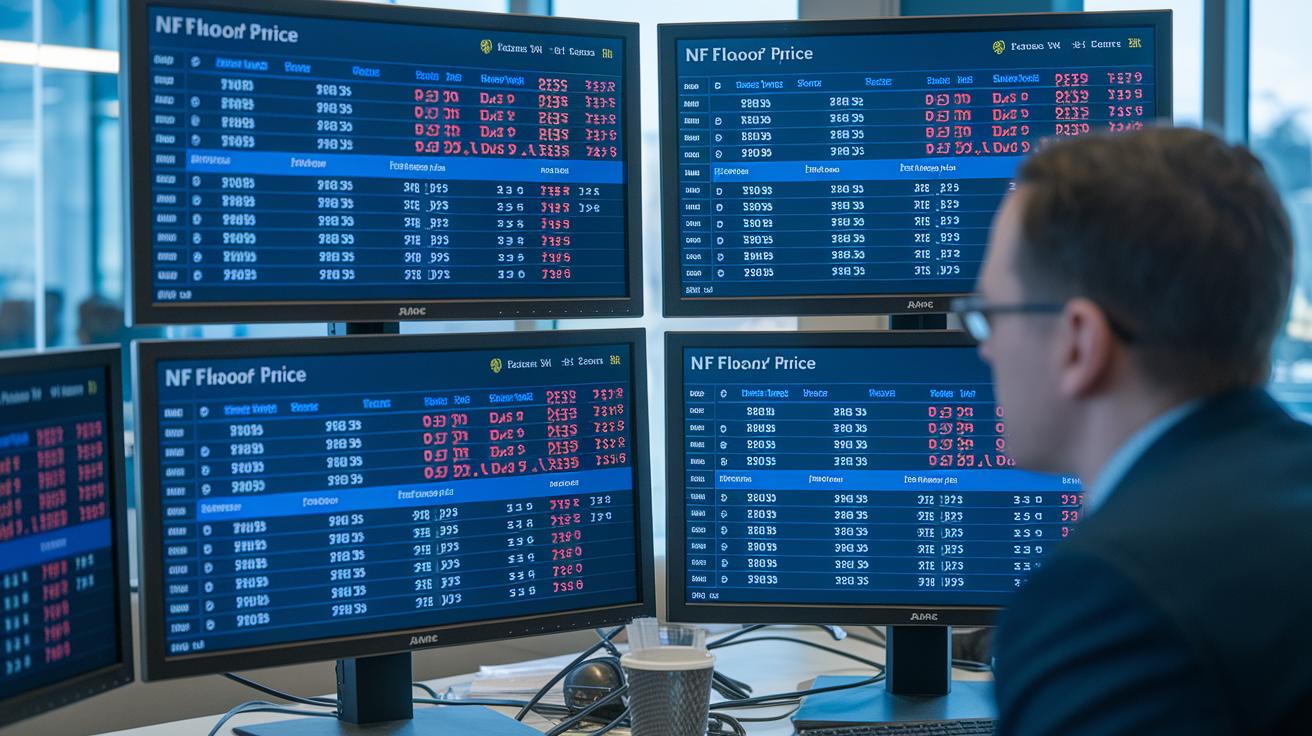
Aggregated data platforms pull in both live and past NFT stats from many different marketplaces. They give investors and collectors simple, core numbers like floor price, 24-hour trading volume, total sales count, and owner distribution. For instance, if an NFT collection has a floor price of $50 with 1,000 items available, you simply multiply these two numbers to get a market cap of $50,000. This calculation is done all the time as the market moves.
Special tools such as NFT indexers, price-checking websites, and interactive floor price trend charts are key for keeping track of these figures. Imagine checking an indexer that updates every few seconds, showing you the latest floor prices, sales, and volume data. It really feels like having a live dashboard that helps you navigate this fast-moving market.
Pro traders rely on these platforms to spot quick changes in market mood. A good system compares data from many marketplaces, so you get a full picture of both the moment and the past trends. This makes it easier to weigh the risks and see the potential upsides. A typical approach might be: "Check the current floor price, multiply it by the available tokens, and get a clear evaluation of the collection." Such a method keeps things straightforward.
The constant recalculation of the floor market cap gives you a live view of an NFT collection’s value. Investors like this because it offers a closer look at liquid assets and buyer behavior.
Key components of these tools include:
| Component | Description |
|---|---|
| Floor Price | The lowest price of NFTs in the collection |
| 24-Hour Trading Volume | The total trading done in the last day |
| Total Sales Tracking | The number of NFTs sold over a period |
| Owner Distribution | How the NFTs are spread among different owners |
This setup ties together raw numbers and smart data analysis, making it easier to see how digital assets are really performing. It helps bridge the gap between simply knowing a number and making a well-informed decision in this dynamic market.
Future Outlook: Forecasting NFT Market Capitalization Growth
Analysts believe the NFT market is set to grow far beyond its current size, with some forecasts suggesting it could hit hundreds of billions by 2030. The market is predicted to grow by more than 30% each year, a sign that this upward trend might last for a long time. It’s pretty remarkable when you think that a niche market is on track to stand shoulder-to-shoulder with traditional investments.
User interest is also expected to surge. Estimates show that active users might jump from 11 million in 2025 to over 16 million by 2028. This boost in numbers hints that more people are discovering the creative and investment potential of NFTs, which in turn builds confidence and pushes market values even higher.
Another key point is that the market is maturing. Early on, NFTs were marked by wild price swings fueled by speculation. Now, the focus is broadening to include a mix of assets, think real-world items and digital art in music and media. As both collectors and investors become more cautious, the market may settle into a steadier, more sustainable rhythm.
Both blockchain-based evaluations and forecasts for digital art suggest that this evolving market won’t just be bigger; it will also be tougher. In short, we’re seeing a blend of creative energy and solid investment fundamentals that could shape a promising future for NFTs.
Final Words
In the action, we walked through how nft market capitalization is calculated using floor price and supply. We explored its rising history, current trends, and comparisons with established asset classes. We even looked at the tools that help track real-time changes. All these insights help build a smarter, well-informed investment strategy. Keeping it real and practical, the outlook for digital asset growth remains bright, fueling opportunities for investors ready to seize new possibilities.
FAQ
What was NFT market capitalization like in 2022?
NFT market capitalization in 2022 climbed sharply, reaching a high of over $340 billion at its peak. This surge reflected rapid growth and intense market activity during that period.
What do NFT market capitalization charts show?
NFT market cap charts display the growth and fluctuations of the total market value over time, marking peaks, corrections, and gradual stabilization to help investors track overall market trends.
What is The Merge NFT?
The Merge NFT is a landmark digital artwork sale that fetched $91.8 million, illustrating how high-profile transactions can capture the market’s attention and drive significant value in the digital asset space.
How has NFT market cap changed over time?
NFT market cap over time shows an evolution from modest early values to explosive growth, a peak during 2022, and later corrections, all of which reflect shifts in investor sentiment and market maturity.
What does NFT market cap all time high refer to?
NFT market cap all time high refers to the record peak valuation, which exceeded $340 billion in 2022, marking it as one of the most intense periods of market activity seen in digital assets.
How is NFT market cap tracked on TradingView?
NFT market cap TradingView tools offer real-time tracking using interactive charts that display price trends, trading volumes, and overall valuation shifts, providing clear insights for market analysis.
What does NFT price history reveal?
NFT price history reveals the journey of digital asset values from early modest sales to rapid expansion and corrections, offering perspective on how market demand and collector interest have evolved over time.
What is NFT market capitalization?
NFT market capitalization is the total value of an NFT collection, calculated by multiplying the floor price by the total supply, and acts as a key metric for evaluating market size and investor interest.
Are NFTs worthless now?
The view on NFTs being worthless isn’t supported by market data; trading activity and evolving collector interest indicate that NFTs continue to hold value, though prices can fluctuate with market conditions.
How big is the NFT market?
The NFT market is vast, with a global market cap in the billions and over 11 million users, highlighting significant adoption and the growing role of digital assets in investment portfolios.
How much is the $69 million NFT worth now?
The $69 million NFT, similar to high-profile sales like Beeple’s works, can see its value shift with market trends and collector demand, meaning its current worth may differ from the original sale price.