
Ever wonder if digital code could boost your returns? NFT smart contracts are like automated deals that lock in key details and track every transaction without you lifting a finger. They give you a clear picture of an asset’s past, so you can easily spot market trends. In this post, we’re digging into how these digital agreements can lower risks and offer unmatched transparency. Let’s break down how they work and why they might just be the secret twist your investment strategy needs.
Core Concepts of NFT Smart Contracts for Investor Decisions
NFT smart contracts are like digital deals written in code and stored on a blockchain. They kick in automatically when certain conditions are met. This gives you clear proof of ownership, a complete log of transactions, and a real-time peek at how popular a project is. It all happens without you needing to lift a finger, keeping things secure and preventing any funny business.
Imagine a digital art piece whose smart contract holds key details like the creator’s name, the date it was made, and a unique identifier. Now, think about how cool it is to know that this digital canvas carries its artist’s signature and an unchangeable record of every sale. This setup not only proves the artwork is authentic, it also helps investors quickly gauge its performance in the market.
These handy features in smart contracts really boost various NFT investment strategies. The built-in trade history lets investors spot market trends and decide when to buy or sell. Many even blend these insights with broader tactics, linking smart contract data to overall NFT investment approaches (https://nftworthit.com?p=775). Plus, real-time data capture makes long-term asset tracking a breeze (https://nftworthit.com?p=941).
By embedding all the essential details right into the NFT, these contracts cut down on risks like counterfeiting or unauthorized tweaks. This level of transparency gives investors a trusted picture of the asset’s complete history. It also makes it easier to keep an eye on an asset’s value as market trends shift, so you can adjust your portfolio with confidence.
Technical Components of NFT Smart Contracts for Investor Due Diligence
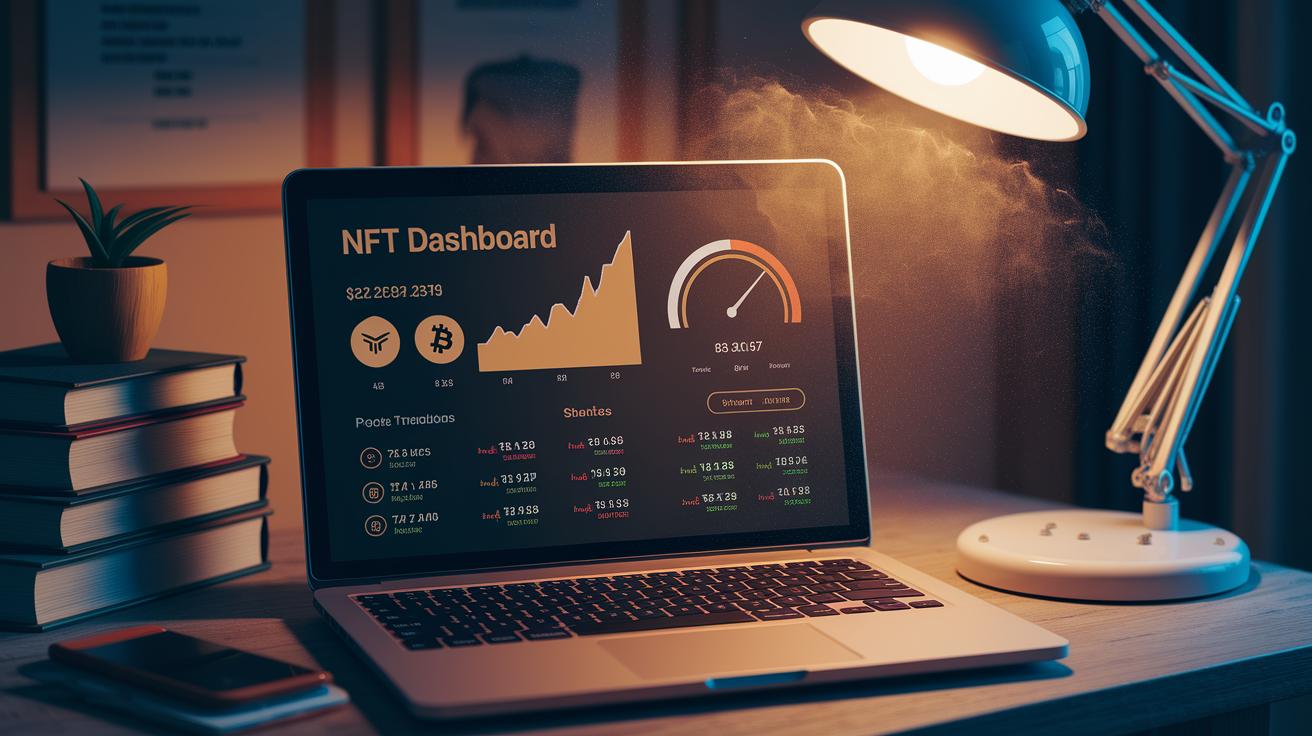
When you're digging into NFTs, you can use tools like Etherscan to take a close look at the smart contract code. In the Tracker section, you'll see key details like the lowest price, the total number of tokens available, and the total number of transactions. Think of it as your dashboard showing how fast the asset is moving. For example, you might see a $1 minimum price, a cap of 10,000 tokens, and 500 transactions – much like a speedometer keeping track of activity.
Next, head over to the Transactions tab. Here, you’ll find actions like minting, approvals, and transfers that give you a sense of the trading frequency and overall market interest. The Internal Txns section shows value transfers made automatically by the contract, so you can see how funds are moved behind the scenes. Then, in the Contract tab, you can look at the source code and even interact with functions such as burning tokens, approving transactions, or transferring assets. This step helps you check the code’s authenticity and understand how secure and flexible it is.
By using the power of distributed ledger technology, you can feel confident assessing a smart contract’s strength before you invest. All these on-chain details combine to give you a clearer picture of the NFT’s potential and how well it might perform.
NFT Smart Contracts and Investor Risk Assessment
Smart contracts speed up NFT transactions and keep many things running smoothly, but they’re not completely free of risks. Even though these self-executing agreements can cut down on fraud by handling terms on their own, simple programming mistakes can cause assets to get stuck or even lost for good. In some cases, these errors have led to huge losses in NFT and DeFi projects, which is why taking a close look at the risks is so important before investing.
When a smart contract stores unchangeable data like serial numbers or barcodes, it helps create a trustworthy record for verifying assets. But if that data is entered wrong, what seemed like a benefit can quickly turn into a big problem. That’s why checking the code is just as crucial as ensuring legal details are in place for tokenized investments.
Investors should really dig into smart contracts with a careful eye. For instance, reviewing the source code and having experts audit the automated processes can help spot potential issues early on. Here are a few tips to keep in mind:
- Check for errors in key functions.
- Validate that the input data is correct.
- Make sure the developers have a solid reputation.
It’s also smart to use automated scanners and third-party audit reports to catch any hidden vulnerabilities. Treat these checks as a vital part of your investment research. By assessing and managing these risks, you can better protect your digital assets and steer clear of unexpected setbacks.
nft smart contracts for investors: Boost Returns

Smart contracts are getting smarter. They don’t just handle basic tasks anymore, they now reinvest your NFT royalties and shift your assets when the market changes. For example, some contracts automatically take a slice of your secondary sale earnings and use it to buy new NFTs once you hit a set profit target. This means you can watch your gains compound without having to lift a finger.
Studies show that investors are really benefiting by spreading their earnings across different digital assets. One clever investor set up a contract to automatically send 20% of their royalties into a mix of high-demand NFTs. This smart move helps cut down waiting time between trades and has led to better overall returns.
- Automatic reinvestment can boost your gains even more.
- Performance-based shifts move your money to where profits are strongest.
- Smart contracts also adjust risk on the fly, reducing errors you might make by hand.
Here’s a quick tip: One investor’s automated strategy earned over 30% in just the first month, all thanks to smart code that reinvested earnings as soon as market conditions got better.
Real-World Use Cases of NFT Smart Contracts for Investor Portfolios
In art, NFT smart contracts let you tag each piece with details like the artist's name, creation date, and title. Imagine a painting whose contract automatically splits the sale royalties between the artist and previous owners, almost like getting a digital dividend. This clever setup boosts trust in the artwork’s value and makes it easy for investors to follow its history.
Gaming is another area where these digital contracts really stand out. They manage who owns in-game items and even power decentralized marketplaces. Picture a hit game where every rare item has a contract that confirms its limited supply and handles transfers without a hitch. This clear system helps investors spot fresh opportunities as virtual worlds expand.
The same smart contract tech is a big win for music and sports collectibles. A limited-edition album or a signed sports card can have its production run automatically enforced by its contract. Did you know that some music NFTs are made so there will only ever be a fixed number? This adds a collectible charm that attracts both fans and investors.
Analytics tools also play a vital role for investors by mapping out transaction volumes and fee trends. These tools help pinpoint growing sectors, especially as the blockchain market is set to reach $67.4 billion by 2026. With these data insights, investors can spread their portfolios across different digital areas and catch emerging trends in asset digitization.
| Art | In-Game Items | Music & Sports Collectibles |
|---|---|---|
| Records and splits of royalties automatically | Manages ownership and drives decentralized marketplaces | Enforces limited supply to enhance collectibility |
Best Practices for Auditing NFT Smart Contracts in Investor Strategy

Before investing in NFT smart contracts, it’s smart to do a thorough check to avoid any nasty surprises. Start by making sure the contract's source code is published and matches the code running on the blockchain. This way, you can trust that what you see is exactly what will run on the network.
Next, use automated scanning tools like MythX or Slither. These tools work like a quick health check for the contract. They can spot common issues and even tiny mistakes that might lead to bigger problems if left unchecked.
It also helps to read third-party audit reports and review changelogs. These extra checks show that experts have already looked over the code and fixed any past bugs. Testing the contract on a test network before using it on the main one is a simple step to protect your funds.
Lastly, keep track of contract events and gas usage. By regularly monitoring these details, you can quickly catch and fix any odd behavior. This ongoing vigilance helps keep your investment safe and reliable over time.
Final Words
In the action, we explored how smart contracts work, how investors can audit them, and the clear role they play in art, gaming, and more. We broke down technical details, risk points, and real-life examples that bring key insights to digital asset management.
This discussion helps show why nft smart contracts for investors are so crucial for secure, informed decisions. It’s exciting to see innovation drive strategies and security in digital investments. Enjoy building your smart portfolio!
FAQ
Q: NFT smart contracts for investors 2022
A: NFT smart contracts in 2022 offered digital, coded agreements that automatically execute transactions, helping investors verify asset ownership and review trading history for better confidence in digital investments.
Q: NFT smart contract example
A: An NFT smart contract example is blockchain code that records asset details like ownership, transaction history, and royalties. It automatically enforces agreements, making it easier for investors to trust the asset’s authenticity.
Q: NFT smart contract generator
A: A NFT smart contract generator creates code templates for digital assets, allowing users to quickly deploy contracts that follow standard protocols. This tool helps both new and seasoned investors by simplifying the setup process.
Q: NFT smart contract ERC721
A: An NFT smart contract ERC721 uses a standard protocol to define unique digital assets. It ensures each token is distinct, verifying ownership and securely handling transfers on the blockchain.
Q: What is an NFT art
A: NFT art refers to digital art represented by a unique token on the blockchain. The embedded smart contract confirms authenticity, tracks ownership, and manages royalty payments automatically.
Q: How to invest in smart contracts
A: Investing in smart contracts involves funding blockchain projects and reviewing their coded agreements. Investors look at asset details and trading history on platforms like Etherscan to help confirm project credibility.
Q: NFT examples
A: NFT examples include digital art, gaming collectibles, and music tokens. Each project uses smart contracts to record detailed ownership data, verify authenticity, and even handle automatic royalty payouts.
Q: Why NFTs are a bad investment
A: NFTs can be a bad investment if they suffer from market volatility, low liquidity, or coding errors. Investors must check smart contract details and project fundamentals to manage these risks effectively.
Q: What is an NFT smart contract?
A: An NFT smart contract is a self-executing digital agreement on the blockchain that defines asset ownership, verifies authenticity, and manages royalty payments, offering clarity and security in transactions.
Q: Is NFT worthless now?
A: NFT value varies with market trends and project credibility. While some digital assets may lose appeal, others can hold or even grow in value if backed by solid smart contract mechanisms and active trading.
Q: Can I convert NFT to real money?
A: Converting an NFT to real money is possible through digital marketplaces. By listing your NFT on a secure platform and completing a sale, you can transform your digital asset into cash.
Q: Why are NFTs no longer popular?
A: NFTs may seem less popular due to market saturation, investor caution, and projects with unclear benefits. Shifts in public interest and evolving industry standards can also affect overall enthusiasm.