Have you ever wondered if mixing up valuable digital art could boost your investments? NFT derivatives, basically, reworked versions of famous digital art, is turning old favorites into bold new pieces. Think of it like a remixed song where you still recognize the tune, but it has a fresh beat.
Instead of letting artists or collectors stick to the same old art, these new designs open up cool chances to invest. They do it all with easy-to-check records kept on blockchain smart contracts (a digital ledger that securely records transactions).
In short, these creative tweaks are paving the way for exciting investment wins while giving both buyers and creators fresh opportunities.
NFT Derivatives Overview and Operational Mechanics
NFT derivatives are like remixed versions of your favorite digital art collections. They take an original NFT and add cool tweaks so that both collectors and artists get something new and exciting. Artists make these changes to grab attention, and collectors can enjoy a similar style for a friendlier price.
Big projects such as Bored Ape Yacht Club, CryptoPunks, Goblintown, Bored Ape Solana Club, Squiggles, and CryptoPhunks serve as the starting point. Think of it like your favorite song getting a fresh remix with an extra beatline. That extra twist in design or utility makes these NFTs stand out even more.
At the heart of NFT derivatives is the blockchain, which uses smart contracts. These contracts are like digital rulebooks that record every change made to the original art, keeping everything open and clear for all. This lets both artists and collectors see exactly what is different between the original and its derivative, much like how traditional financial tools show you what you're working with.
Picture an old painting given a burst of modern, vibrant colors. That’s exactly what these NFT remixes do, they transform classic art into a fresh new investment opportunity.
| Original Collection | Modified Derivative |
|---|---|
| Bored Ape Yacht Club | Bored Ape Solana Club |
Comparing NFT Derivatives to Traditional Financial Derivatives

NFT derivatives work a lot like traditional futures or options, but they come with their own special twist. They get their value from collectibles, which allows investors to use strategies similar to those with flexible crypto pricing models that change as market trends shift.
In the world of collectibles, futures trading has long given investors a way to guess what might happen next. NFT derivatives do something similar by setting their prices based on future expectations. This open market pricing lets collectors and investors size up NFT derivatives much like any other asset. Imagine a scenario where a regular collectible auction and an NFT derivative both shift with the market mood, small signals can spark big changes in both.
They’re also a lot like options, where investing can be a mix of betting on market moves and protecting against risks. With dynamic pricing that adjusts just like crypto models do, NFT derivatives offer a practical choice when traditional markets are heating up.
Before the concept of digital assets took off, futures trading on collectibles was already seen as a clever way to hedge against art market volatility.
Popular NFT Derivative Projects and Market Applications
NFT derivatives have come a long way. They’re not just simple remixes anymore, instead, they now include interactive features that evolve as time goes on. Creators are now designing digital avatars that grow and change with community input. Just imagine a digital character that slowly reveals fresh accessories and new expressions every time its owner joins in on community events.
Fans are also getting a huge say in the process. Some projects let the community vote on updates or propose new traits, following in the footsteps of trusted blue-chip models. For instance, collectors might choose seasonal color updates or unlock special animations during live events. Picture a digital art piece that bursts into vibrant hues when the community comes together to celebrate.
• Artists add interactive elements to keep digital collectibles lively.
• Communities share ideas that shape unique new traits.
• Investors benefit from assets that refresh over time as community engagement continues.
Trading Platforms and Protocols for NFT Derivatives
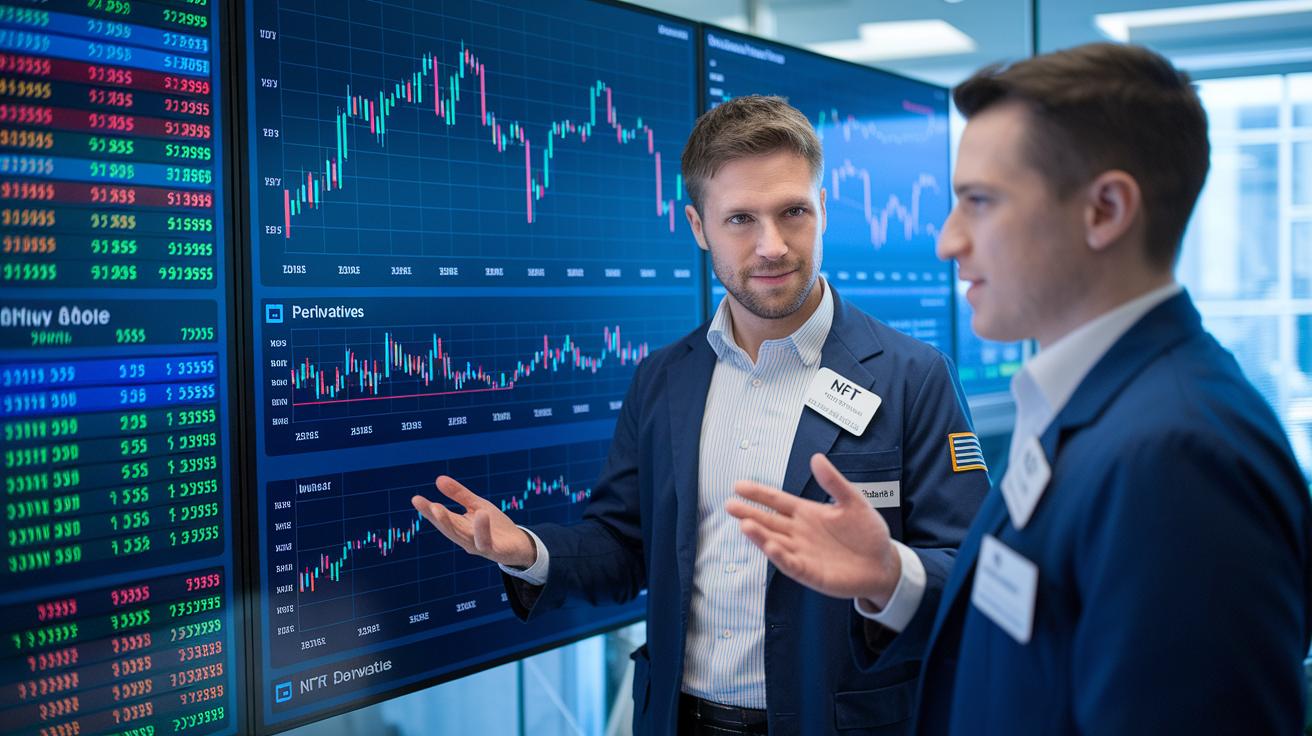
Big players like Paraspace, NFEX, and Aura have built strong spots for trading NFT derivatives. They let you buy and sell digital assets using tools like perpetual contracts, swaps, and options. Think of them as digital hubs where collectors and investors work a lot like traders in a regular stock market.
Some platforms mix liquidity from different places to keep prices steady and order books deep. This means if you’re making a big trade, you’re less likely to see wild price changes. Imagine a smooth marketplace where fees stay clear and predictable, that’s the charm of pooled liquidity networks.
Key numbers to watch on these sites include how many trades happen every day, the fee details, and any price shifts on the collectibles. Traders check these stats to see how healthy the market is. For instance, a busy platform with high trade volumes and small price differences often means it’s built for quick, active trading.
| Platform | Key Feature |
|---|---|
| Paraspace | Perpetual contracts & swaps |
| NFEX | Options markets & liquidity pooling |
| Aura | Enhanced order book and fee evaluation |
NFT Derivatives: Fuel Bold Investment Success
Investors in NFT derivatives face a host of legal and regulatory challenges that can really impact their success. For example, if someone replicates an NFT collection without the proper permission, they can run into serious intellectual property issues. When a project copies a well-known digital asset without consent, it might spark legal action or even force the project to shut down. This risk is why managing token contract issues is so important for both artists and investors.
New rules are also changing the way NFT derivatives work. These digital tools might soon be seen as securities, which means projects could need to follow extra steps like checking customer identities, applying anti-money laundering rules, getting licenses, or filing detailed documents. Have you ever noticed how a crowded market can shift suddenly when new rules come into play? That’s exactly what’s happening now. Small changes in legal rules might decide if a project runs smoothly or ends up in costly legal trouble.
• Market manipulation and smart contract risks add extra challenges.
• Early markets often have limited liquidity, which can cause sudden price changes and add unpredictability.
• New regulatory demands for synthetic models mean creators must be extra careful and prepared.
To tackle these challenges, experts recommend doing thorough smart contract audits, clearly explaining all risks, and keeping a close eye on both market trends and legal changes. Investors should keep themselves updated on the NFT regulatory landscape and follow strong risk management strategies. In short, taking the right legal and compliance steps is key to making NFT derivatives work well, even when the market and rules keep changing.
NFT Derivatives: Fuel Bold Investment Success

NFT derivatives are changing the game for collectors and investors. New rules are pushing the market toward projects that follow official guidelines, which means fewer fake copies around. This shift not only protects original creators but also gives investors more secure chances to profit. Cool innovations like programmable tokenomics let projects set smart rules that automatically adjust fees or rewards based on market moves. And with cross-chain interoperability, these derivatives can work across different blockchain networks, letting assets move without hassle. Plus, AI-driven pricing models are coming soon, promising evaluations that match real-time market trends.
Looking ahead, experts expect a big boost in perpetual contract systems – agreements that never expire, giving investors ongoing exposure to price changes. There’s also more integration with decentralized finance platforms, adding handy tools for lending, insurance, and liquidity mining. This mix is opening doors for everyday investors and growing the world of tokenized contracts. Imagine digital assets working together like parts of a finely tuned machine, leading to smoother trades and steadier performance. It’s an exciting time that’s fueling bold investment moves and redefining what tomorrow’s tokens can be.
Final Words
in the action, we explored how nft derivatives work, comparing their structure to traditional markets and highlighting leading projects. We unpacked key trading platforms, looked at risk management, and examined legal considerations in a dynamic space. Each section built a clear picture of product mechanics and market trends that influence investment strategies. The discussion underscores how nft derivatives continue to shape innovative investment tactics. Here's to smart, well-informed moves and a brighter outlook in digital asset investing!
FAQ
Nft derivatives price
The NFT derivatives price is determined by factors like the value of the original NFT, market demand, fees on trading platforms, and current trends in digital assets.
Nft derivatives list
The NFT derivatives list refers to popular projects that modify well-known NFT collections, offering unique features and alternative designs that mirror the aesthetics of blue-chip originals.
What are the three types of NFTs?
The three types of NFTs typically include digital art and collectibles, utility tokens that grant access or benefits, and gaming items with special traits used within virtual environments.
What are the 4 types of derivatives?
The four types of derivatives usually include futures, options, swaps, and structured products, each deriving value from an underlying asset and used in various market strategies.
Are NFTs worth anything anymore?
The value of NFTs depends on rarity, demand, and community interest. They continue to hold market worth, though prices can fluctuate according to trends and overall collector enthusiasm.
How much is $1.00 NFT worth in dollars?
The $1.00 NFT is worth one dollar, but its real market value may change with shifts in interest, demand, and trading activity within the NFT market.