
Ever thought that changing just a few numbers could make a unique digital asset (NFT) worth a lot more or less? Sensitivity analysis helps us figure out which details really count. It looks at things like the lowest price accepted and trading activity so we can see how fast market swings can affect value. Q1 2023 data even showed some big ups and downs, which makes this method a smart tool for checking risk. In this post, we’ll chat about how small tweaks in key numbers can change an NFT’s value. Ready to look at NFTs from a fresh angle?
nft valuation sensitivity analysis: Priced with precision

Sensitivity analysis is a simple way to see how tweaking key numbers affects the value of an NFT. It checks what happens when you adjust details like rarity or on-chain liquidity. Imagine changing a vital number, like the floor price, and watching the NFT’s value jump or drop. This method helps point out which factors make the biggest impact.
Looking at Q1 2023 NFT data, the ups and downs of the market really stand out. On February 22, trading volume hit a high of 74,550 ETH, but by April 19, active traders fell to 11,187. And here’s something interesting: while the average user’s holdings were around $3,893, the median was only $1,459. These swings remind us how hard it is to predict a market that changes quickly. Sensitivity testing shows how even small shifts in trading habits and liquidity can change the whole valuation picture.
By trying out different market conditions, sensitivity testing helps us deal with uncertainty. It lets analysts spot potential risk scenarios so they can adjust their expectations. This approach not only sharpens NFT price predictions but also gives investors a clearer sense of both the risks and rewards in this dynamic market.
Key Variables Impacting NFT Valuation Sensitivity
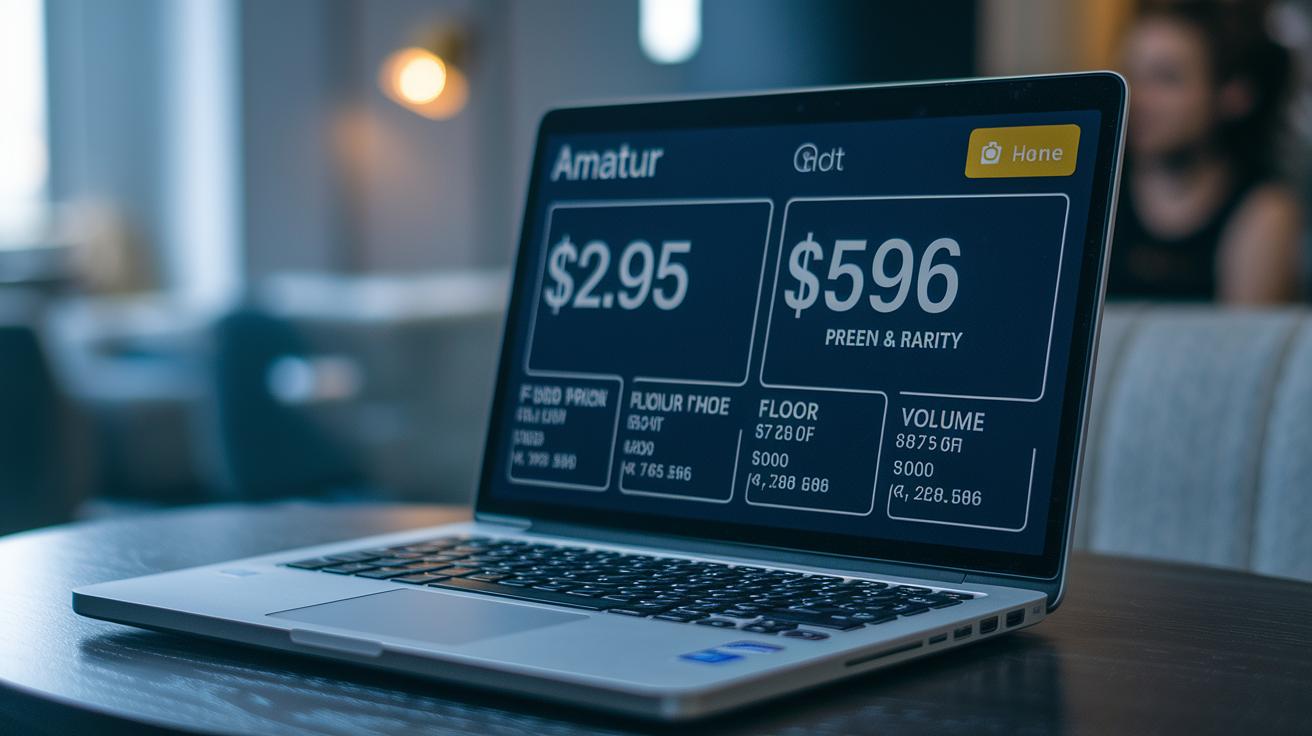
When we look at how NFTs are priced, it really comes down to several key factors that can change their value. By keeping an eye on these, you can get a better sense of how shifts in the market might affect digital asset prices.
Here are the eight main variables:
- Floor price: This is the basic price based on recent sales. Think of it as a starting point for most evaluations.
- Trading volume: This shows how much buying and selling is happening. It’s a good sign of how liquid and active the market is.
- Rarity score: This tells you how unique an NFT is compared to others. The rarer it is, the higher the demand.
- Liquidity depth: This measures how easy it is to buy or sell NFTs in the marketplace. It reflects the underlying on-chain liquidity (nft marketplace).
- Market sentiment: This is the overall mood among investors. It can send prices swinging up or down in unexpected ways.
- Gas fees: These are the transaction costs on the blockchain. They can affect how much you really earn from each trade.
- Token utility: This term refers to the benefits or perks an NFT offers within its ecosystem, like special access or rewards.
- Macroeconomic headwinds: These are bigger economic forces that influence how investors feel and act.
Even small changes in these factors can lead to big shifts in how NFTs are valued. For instance, a tiny drop in liquidity might make a small change in the floor price feel much larger, while shifts in market sentiment or increasing gas fees can quickly change trading trends. Keeping tabs on these variables can help you build a more accurate picture of both the risks and rewards in the NFT market.
Methodology for Sensitivity Testing in NFT Valuation
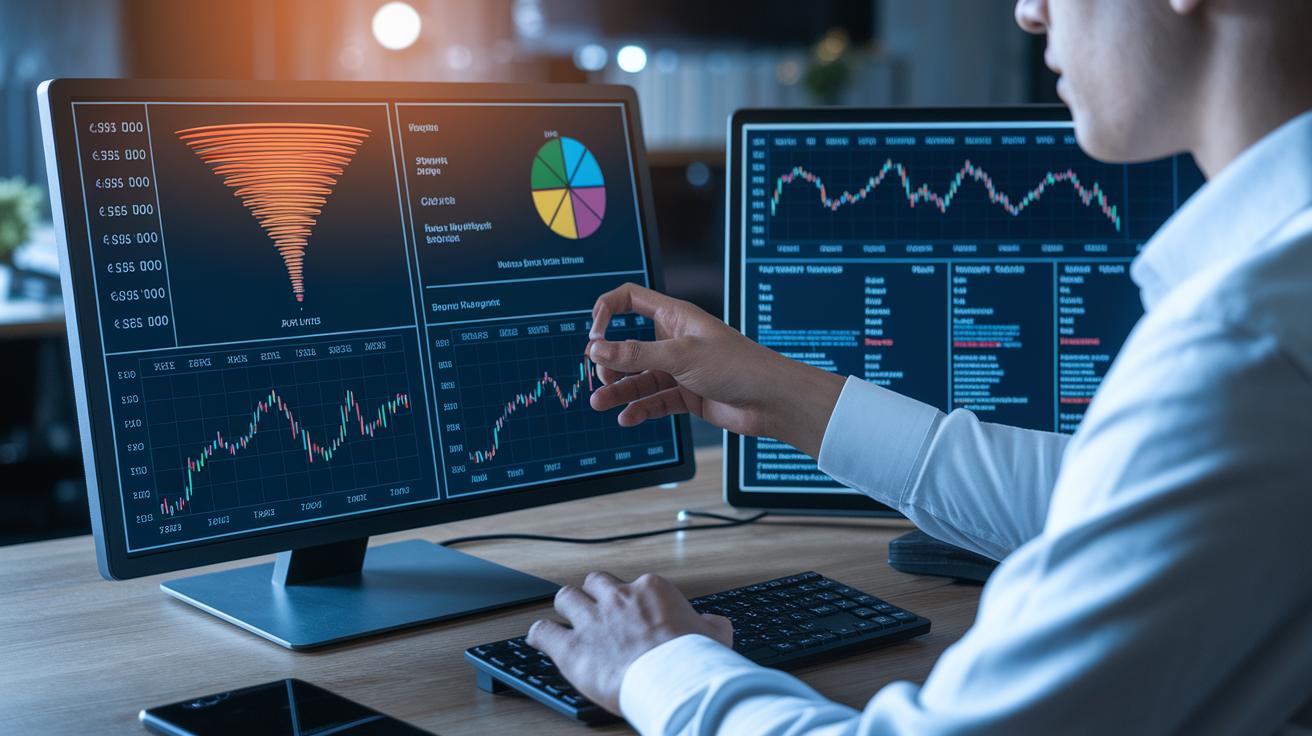
We’re breaking down a simple process to test how changes affect NFT price models. Think of it like adjusting the knobs on your favorite gadget to see how each setting changes the outcome. With techniques such as testing one variable at a time, using tornado charts for a clear ranking, and running Monte Carlo simulations (a method that runs many random tests), you can fine-tune pricing based on real-time market facts. NFTGo’s smart system shows that these methods can really help improve how we predict prices using detailed data from the blockchain.
Step 1: Define Base Valuation Model
First, set up your basic model to show the NFT’s current market value. This includes picking some starting ideas, like the market price, how quickly it can be bought or sold, and key numbers from recent sales. This model is your main reference point when you start making tweaks.
Step 2: Select Variables and Ranges (e.g., ±10–50%)
Next, choose the parts of the model that can change the NFT’s price. Look at things like the lowest price in the market, how much trading activity there is, overall market feel, and extra costs like gas fees. Give each factor a range to test, such as changing it by 10% up to 50%, to see how small shifts affect the overall value.
Step 3: Execute Simulations (OAT vs. Monte Carlo)
Now, run some tests. Start by changing one factor at a time (this is known as one-at-a-time or OAT) to see its individual impact. Then, use Monte Carlo simulations to test how different factors change together. These tests help paint a picture of how each change might affect the NFT’s price, and they show you where prediction errors might pop up.
Step 4: Interpret Output (tornado/spider charts)
After the tests, look at the results through charts like tornado or spider charts. A tornado chart sorts the factors by how much impact they have, while a spider chart shows how several factors interact. These visual tools make it easy to see which parts of the model are the most sensitive and where market risks might lie.
Step 5: Compile Risk Profiles
Finally, gather all the risk scenarios from your tests into a simple summary. This helps you understand the potential ups and downs for the NFT, which is essential when planning your trading moves or managing risks overall. Regularly updating and refining your tests ensures that your forecasts stay on track even when the market changes.
Case Study: Q1 2023 NFT Valuation Sensitivity in Practice
The Q1 2023 figures show us that even small shifts in key numbers can change how smoothly the market runs and how much risk investors might face. We looked at factors like trading volume, the number of traders, and how assets are split among holders to see what happens when these numbers change.
Here, we share some key observations. For instance, if fewer people are trading while the trading volume stays high, it can make prices swing more wildly. Also, when you see a big gap between the average and the typical (median) value of assets, it suggests that a few big players might be dominating the market.
| Metric | Q1 2023 Value | Sensitivity Observation |
|---|---|---|
| Trading Volume | 74,550 ETH | Even minor shifts in volume can unsettle the market, causing quick price changes. |
| Trader Count | 11,187 | When fewer traders are active, the market becomes more sensitive to risk and price swings. |
| Asset Distribution | Avg: $3,893, Median: $1,459 | A big difference here shows that a few traders hold most of the assets, which can lead to unpredictable market moves. |
Looking at these numbers, we see that even small changes can really shake up NFT values. For example, if trading volume climbs while the number of traders falls, prices might look high for a while but could drop just as fast. And with a few big holders controlling most assets, the market can turn on a dime based on their actions. Isn’t it interesting how a tiny shift in numbers can create such a big ripple effect in the market?
Visual Tools for NFT Valuation Sensitivity Analysis

Visual tools turn raw NFT data into charts you can actually interact with, showing how changes in key factors affect pricing. They take abstract sensitivity tests and make them real by highlighting how different variables matter and work together.
-
Tornado diagrams: These charts list variables in order of their impact. Their long bar format makes it easy to see which factors cause the biggest price moves. For example, if one factor has the longest bar, that’s a sign it might deserve a closer look, just like a key ingredient can change a recipe completely.
-
Spider charts: These charts plot several factors on radial axes to show their combined effects. They help you spot how different variables interact during stressful market conditions. For instance, when data points clump together on a spider chart, it can signal a potential pressure point in the market, similar to how a surprising star pattern lights up the night sky.
Adding these visuals to NFT valuation reports makes analysis much simpler. With clear charts and sensitivity tests, traders can quickly see how market forces might shift NFT values in real time.
Integrating Market Trends and Risk Assessment in NFT Sensitivity Analysis
When it comes to testing NFTs, keeping an eye on investor feelings and market trends is key. Surveys that capture what investors think give us a quick peek at buyer confidence. We also watch for shifts in tech cycles and short-term economic changes that help set the backdrop for where the economy might be headed. These early signals let analysts tweak their models before major price moves hit.
Next, it's important to track changes in rules and regulations. As guidelines for digital assets change, watching these shifts closely is a must. When the rules move, they can stir up the market and affect trust and buying habits. At the same time, figuring out the extra risks or costs helps us understand where NFT prices might wobble. This two-layer check is all about managing risk and keeping things steady.
Finally, experts blend these external shocks into clear scenario maps. They mix sudden economic news with quick changes in investor mood to show how different factors might interact. This process paints a real picture of potential risks and price swings, helping investors fine-tune their strategies as the market shifts.
Final Words
In the action of our discussion, we explored how sensitivity analysis aids digital asset appraisal and how market data from Q1 2023 shapes valuation outcomes. We broke down key variables and walked through testing methods like tornado charts and simulation techniques. Visual tools and trend integration round out a robust risk assessment framework. Remember, nft valuation sensitivity analysis can guide you to make smarter digital investment decisions. Embrace these insights and look forward to building a stronger portfolio.
FAQ
Q: Nft valuation sensitivity analysis pdf
A: The nft valuation sensitivity analysis pdf explains how digital asset appraisal methods adjust key variables to gauge NFT price responses under different market conditions.
Q: Best nft valuation sensitivity analysis
A: The best nft valuation sensitivity analysis pinpoints critical model assumptions to reveal how market factors shift NFT prices, helping investors measure risk and identify value trends.
Q: How to do sensitivity analysis for valuation?
A: The process to do sensitivity analysis for valuation involves varying one key input at a time to assess its impact on NFT pricing, making risk exposure more clear amid market shifts.
Q: Is NFT worthless now?
A: The question of NFT worthiness depends on current market conditions, scarcity, and utility. Using sensitivity tests highlights the underlying value rather than suggesting a blanket worthlessness.
Q: How to know if NFT will be valuable?
A: The method to know if an NFT will be valuable involves evaluating market indicators—such as trading volume, rarity, and liquidity—using sensitivity analysis to guide value predictions.
Q: What is the NFT valuation model?
A: The NFT valuation model combines metrics like floor price, trading volume, and rarity score into a framework that uses sensitivity analysis to assess risk and forecast price fluctuations.