
Ever notice how the same NFT can sell for very different prices on various sites? This difference in cost grabs the attention of smart buyers.
In our review, we look at these daily price changes and show how keeping track of them might reveal hidden chances in the market. Try thinking of each NFT not just as a number, but as a story about market shifts and potential profit waiting to be uncovered.
Understanding nft price dispersion analysis
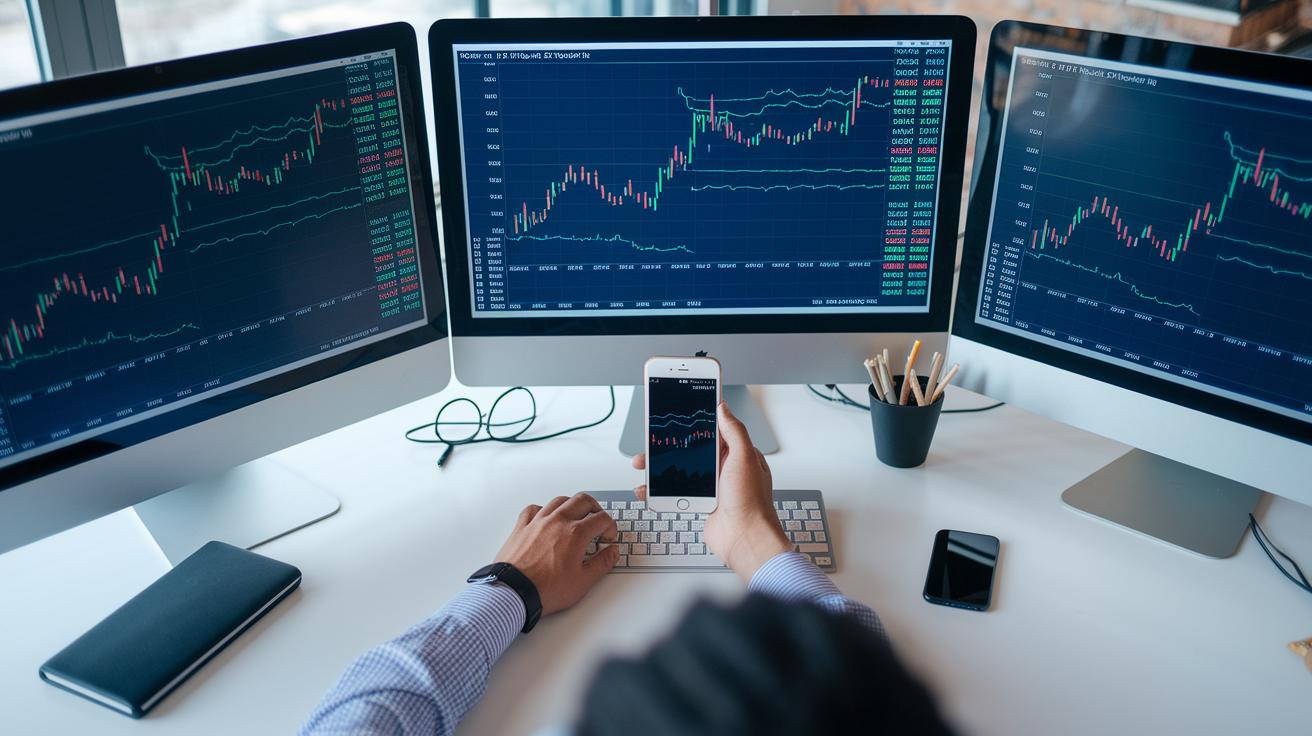
NFT price dispersion analysis looks at how prices for digital collectibles change over time and between different marketplaces. Imagine checking the value of a unique digital asset and seeing it drop by 20% on one website during a busy day, while on another, it only moves 5%. By tracking prices from day to day or week to week, this analysis shows you how much they vary, giving a clear picture of everyday market swings.
Instead of relying on just one fixed value, like a minimum price, dispersion analysis compares many data points over different times and places. Think of it like watching a full movie instead of a quick snapshot: a single price tells you only a moment in time, but looking at the whole range helps you see trends that might affect future values. This spread in prices can hint at market stress or opportunities you might not see at first glance.
Understanding these price differences is key for smart investing. By keeping an eye on how prices vary, you can spot chances for better deals or potential arbitrage – where you could profit from differences in prices. Plus, it supports thorough market research, similar to the deep dive found in crypto market analysis at https://gotocryptos.com?p=1385. This careful approach helps balance risks and boost your digital asset portfolio over time.
Key metrics in nft price dispersion analysis

Metrics tell a clear story about how NFT prices change. They show you how much prices fluctuate over time and across platforms. When you use these numbers, you can spot sudden value shifts or see if a collection holds steady. This builds trust in your strategy, helping you figure out if an NFT is a bargain, priced fairly, or just too risky for your taste.
| Metric | Definition | Application |
|---|---|---|
| Range | The gap between the highest and lowest prices recorded. | Gives you a quick look at how much NFT prices vary overall. |
| Standard Deviation | A measure showing how far each price lies from the average price. | Helps you see if an NFT collection is volatile or mostly stable over time. |
| Coefficient of Variation | The ratio of the standard deviation to the average price. | Offers a sense of relative price swings, especially useful when comparing different collections. |
| Gini Coefficient | A measure of how unevenly prices are spread out. | Used to see if the NFT market or collection has prices that are lopsidedly distributed. |
Choosing the right benchmark is key when comparing NFT collections. If prices are tightly grouped, range and standard deviation give a clear look at the spread, while the coefficient of variation and Gini coefficient add extra insight for collections with more varied prices. Matching these metrics to specific market behaviors lets you assess risk better and find the most promising opportunities.
nft price dispersion analysis across marketplaces

We track NFT prices by watching listing and sale prices on popular sites like OpenSea, Rarible, and LooksRare for weeks and months. When we compare different time periods, we start to see how prices move and form clear spread patterns. This helps us see how blockchain prices shift and gives us a simple way to measure market ups and downs.
Price differences usually come from things like different fee structures and trading volumes. For example, if one platform charges more fees, its sale prices might be a bit lower than a platform with lower costs. Also, collections that see a lot of trading tend to have tighter price ranges compared to those with slower activity. That’s why a review of digital collectible costs can really help clear things up.
Smart traders, known as arbitrageurs, spot chances to profit when these price spreads get big. They quickly act on the differences between platforms by doing straightforward crypto price analysis, a method often called crypto arbitrage.
nft price dispersion analysis case studies

CryptoPunks are a great example of how price dispersion works. Analysts look at the lowest prices, the middle (or median) prices, and the top 10 sale prices over certain periods to see how values shift. When you track CryptoPunks from Q1 to Q3 2023, you notice a pattern: the floor price is much lower than the highest sale prices, with the median falling in between. This tells us that collectors value these assets differently. It’s interesting to note that the floor price (you can check it on nft prices) doesn’t show the full excitement of the market. Instead, those top-10 sales reveal that even a few high-value transactions can boost the average, showing just how unpredictable CryptoPunks can be.
Bored Ape Yacht Club (BAYC) is another clear example. Analysts have seen that BAYC’s average sale price moves up and down more fiercely than its floor price. In the same period, Q1 to Q3 2023, the difference between the average and floor prices showed clear spikes. These jumps often tie back to changes in community sentiment or sudden bursts in trading. It makes you wonder, have you ever seen how quickly sentiment can flip? By looking at moments when the average price strays far from the floor, investors can hint at when a collection might be undervalued or maybe even overhyped.
All in all, these case studies highlight some key lessons for diversifying your portfolio. By comparing floor and average sale prices in collections like CryptoPunks and BAYC, you get a better feel for market mood and risk. These spreads can serve as important signals, guiding you to balance your investments and make smarter choices about stability and growth.
Key factors in nft price dispersion analysis
Digital asset prices vary because of a few important reasons. You can see that how rare an NFT is, market mood, and even transaction fees all play a role in setting the price range.
- Rarity scoring: When an NFT is rare, it has a special appeal. This rarity makes buyers value it more, so you often see a bigger gap between the lowest and highest prices.
- Liquidity depth: A bustling market with lots of buyers and sellers tends to even out prices. When trading is smooth, the market avoids sharp, sudden price jumps.
- Platform gas costs: Each transaction has a fee, often called a gas fee, which can change pricing. High fees might reduce trading frequency and may lead sellers to adjust prices to cover these extra costs.
- Creator history: The reputation of the creator can set buyer expectations. Trusted artists often lead to more consistent pricing because their work is seen as reliable.
- Community hype: Social buzz around a digital asset can drive prices up or down quickly. When there’s strong community interest, expect to see a wider range of prices as excitement fluctuates.
Each of these factors mixes together to create a complex pricing picture. By watching how they interact, you can gain practical insights for making smart moves in the NFT space.
Using nft price dispersion analysis for investment decisions

Investors can make smart moves by watching how NFT prices spread out instead of getting lost in the details of metrics like range, standard deviation, coefficient of variation, and the Gini coefficient. When you notice a sudden shift in these numbers, it signals growing market uncertainty. For instance, a recent spike in dispersion nudged an investor to rebalance their assets without delay.
Gathering data and creating clear visuals is still essential, but it's all about keeping up with the fast market pace. You can use trusty crypto tools (https://gotocryptos.com?p=1341) to change raw data into easy-to-read charts that connect theory to actual risk. Imagine getting an alert right when dispersion trends take a dramatic turn, prompting you to review your assets immediately.
By blending these insights into your portfolio rebalancing strategy, dispersion analysis turns into a real-time alert system. Spotting even small price shifts can guide you to adjust your asset allocation, effectively transforming market signals into practical, strategic moves. This way, every statistic feeds directly into your decision-making process, opening up opportunities based on solid, real-time market data.
Final Words
In the action, we explored how measuring price spreads across NFT platforms and time frames reveals market trends. We broke down key metrics, compared marketplace data, examined real-world examples, and uncovered influential factors.
This discussion showed how nft price dispersion analysis guides savvy investment strategies and risk management. Keep watching market shifts and refine your approach, you’re set to capitalize on emerging opportunities with confidence and clarity.
FAQ
Q: What is NFT price dispersion analysis pdf?
A: The NFT price dispersion analysis pdf explains how price differences are measured across various platforms. This report details key metrics and methods used to compare prices over time.
Q: What does NFT price dispersion analysis 2022 cover?
A: NFT price dispersion analysis 2022 reviews pricing data from that year, showing how marketplace fees, trading volume, and liquidity affected NFT values throughout the timeline.
Q: Is NFT worthless now?
A: The idea behind NFTs being worthless is addressed by noting that an NFT’s value depends on uniqueness, market demand, and community support, meaning some remain highly prized.
Q: How do you measure price dispersion?
A: Price dispersion is measured by using metrics such as range, standard deviation, coefficient of variation, and the Gini coefficient to capture the spread of NFT prices across platforms.
Q: Are NFTs still big in 2025?
A: The view on NFTs in 2025 is that digital collectibles may continue to remain popular as innovation and market trends keep digital assets relevant in art and investment spaces.
Q: How do I know if an NFT will go up?
A: You gauge if an NFT might increase in price by analyzing market trends, community activity, rarity, and trading volume, as these factors often signal upward price movement.