
Have you ever imagined a world where banks aren’t the only keepers of your money? Decentralized finance, or DeFi, is changing the game by letting you control your funds without the need for middlemen.
In DeFi, every transaction is noted on a clear digital ledger. Think of it like a giant notebook that everyone can see, ensuring everything is fair and open. And smart contracts work like tireless helpers, handling tasks automatically so you don’t have to wait around.
This means your money moves faster and you pay lower fees, making everyday finance feel simpler and more transparent. As we watch this change unfold, it looks like a bright new way to manage our funds.
what is decentralized finance: Bright Future Ahead
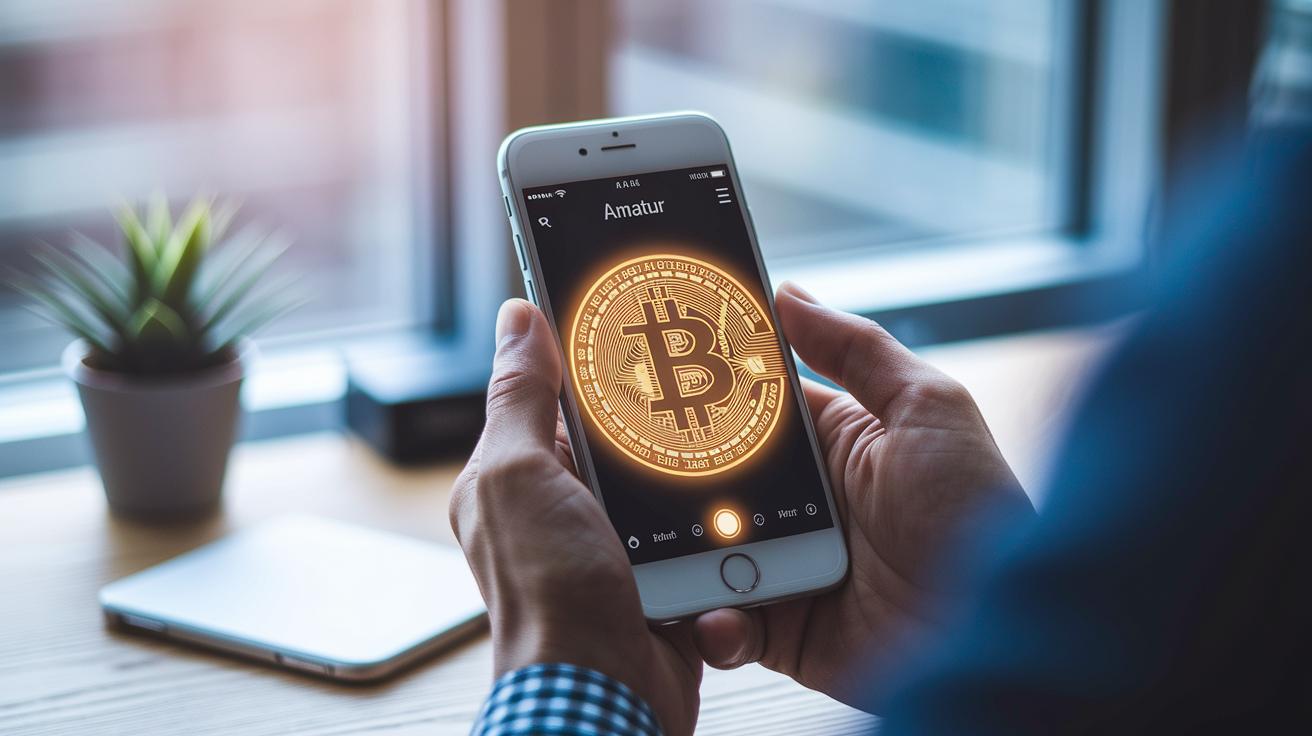
DeFi stands for decentralized finance, a fresh way to manage money without banks or middlemen. It uses secure, shared digital ledgers called blockchains, which let everyone see every transaction clearly. You control your funds with special digital keys, kind of like secret passwords that keep your money safe.
One cool feature is the smart contract. When certain conditions are met, it automatically lends money without needing a bank to step in. This means transactions can happen faster and with fewer fees. It’s like having your own financial assistant who works around the clock.
At its heart, DeFi is all about taking charge of your own money, keeping things transparent, and using automation to simplify processes. You get to hold your assets directly, see all actions laid out on the digital ledger, and enjoy the speed that smart contracts bring. It’s an exciting shift toward faster, safer, and more accessible financial transactions.
Isn’t it interesting how this new model is reshaping the way we think about money? With DeFi, managing your funds becomes more direct and clear, a promising glimpse into the future of finance.
Underlying Technologies Powering Decentralized Finance

DeFi flips traditional finance on its head. Instead of banks and middlemen, it uses digital systems to keep a clear, permanent record of every move on a public platform like a Web3 blockchain (a technology that keeps shared records safely). It’s like having a digital notebook that never forgets where your money is.
Smart contracts are a big part of this setup. Think of them as vending machines that work on their own, once you put in the right coin or meet certain conditions, the machine gives you your snack automatically. These self-running codes make deals happen without needing anyone to push the button.
Decentralized apps, or dApps, take this a step further by connecting people who want to lend money with those who need to borrow it, skipping the extra steps of traditional finance. And then there are oracles, these little helpers bring in real-world data like prices or weather updates to trigger actions in the system.
- Blockchain Ledgers: Digital records that keep a permanent, secure history of every transaction.
- Smart Contracts: Automated codes that complete deals when pre-set conditions are met.
- dApps: Apps that directly connect lenders with borrowers, removing extra steps.
- Oracles: Tools that feed real-world information into the digital system.
Together, these tools create a system that’s both faster and more transparent than old methods. By using blockchain ledgers, smart contracts, dApps, and oracles, DeFi lets you move and manage money with fewer obstacles while keeping everything clear and secure.
Key Applications and Use Cases of Decentralized Finance

Decentralized Finance gives us new ways to handle money without relying on banks. It lets people trade, borrow, and earn income directly through digital platforms. Think of it like swapping baseball cards with a friend, every trade is clear and fair.
- Decentralized exchanges let you trade tokens directly with others, much like swapping items during recess.
- Lending platforms, like Compound Finance, let you earn interest on your digital assets or borrow money without waiting on bank approvals.
- Stablecoin protocols, such as MakerDAO with its DAI launched in 2018, offer crypto that stays steady in value, almost like having digital cash.
- Yield farming lets you lock your tokens in a liquidity pool to earn interest and fees, similar to planting seeds and waiting for a crop to grow.
- Prediction markets give you the chance to bet on future events, using everyone's insights to shape financial predictions.
- Decentralized insurance uses smart systems to automatically handle claims when an event happens, so you get help without any delay.
Each of these services changes the way we think about money. They show how digital tools and smart systems can make everyday financial tasks simpler and more community-based.
Advantages and Benefits of Decentralized Finance

Decentralized finance, or DeFi, cuts down on fees and makes trading faster. This turns out to be a real win, especially for small businesses and people left out by traditional banks. For instance, a local shop in Southeast Asia boosted its cash flow by switching to DeFi settlements, saving money that typical payment systems would have taken. In fact, recent figures show that these savings are pulling in everyday users while even big financial firms are rethinking their fee models. Imagine saving over 30% on transaction costs and reinvesting that back into your business, that’s the power of DeFi.
Blockchain isn’t just about keeping clear records; it’s also the engine that drives non-stop, automated processes. These systems work around the clock, tweaking transaction details and managing risks in real time. This round-the-clock efficiency is shaking up the financial world, with even large banks experimenting with digital systems that never sleep. For more insights on this shift, check out the details in Impact of Blockchain on Digital Finance.
Risks, Challenges, and Security in Decentralized Finance

DeFi can open up a world of possibilities but it also comes with its fair share of risks. Smart contracts handle financial transactions automatically, but even a tiny error in their code can be a big deal. In some cases, hackers have exploited these glitches, which has led to significant losses and shaken investor trust. It’s a reminder that while the technology is exciting, it isn’t foolproof.
Another issue is the lack of clear regulations. Without solid legal protection, users can be exposed to scams or fraud. For instance, during busy periods on networks like Ethereum, congestion can drive up gas fees unexpectedly, making transactions much more expensive than planned. All this makes it harder to manage costs and maintain trust.
To protect yourself in the DeFi space, it’s important to rely on regular smart contract audits and good wallet practices. Keep an eye on the security reports of any platform you use and try to avoid risky protocols. Regular audits help catch any vulnerabilities before they’re taken advantage of, and sticking with well-known wallets can help keep your assets safe. Staying informed and cautious is really key to enjoying what decentralized finance has to offer.
Future Outlook and Impact of Decentralized Finance

DeFi is growing fast and is making quite an impression. Back in April 2022, reports showed that more than $239 billion was locked into DeFi platforms. This huge number tells us that people are moving away from old-school banks for options that come with lower fees and quicker transactions.
New projects like cross-chain bridges are now connecting different blockchain systems. In plain terms, these connections help your digital assets move from one network to another with ease. It’s like giving your investments a passport to explore new markets and opportunities.
Even big banks and regulators are starting to take notice. They’re figuring out how to blend traditional finance with the cool innovations in digital finance. Plus, governance tokens are letting users vote on changes, so the people who use these systems actually help steer their future.
When traditional finance joins forces with these new models, we might be on the brink of something really exciting. Imagine a financial world that adapts quickly to change and gives you more control over your money. Wow, isn’t it interesting how fast things are evolving in this space?
Final Words
In the action, this article broke down the core ideas of decentralized finance by explaining what is decentralized finance, its simple principles, and the nifty tech that makes it tick. We looked at how blockchain, smart contracts, and dApps work together, discussed real use cases, and weighed the benefits against the risks. The discussion also shed light on market trends and future growth. Keep your eyes open and stay informed for a brighter digital investment future.
FAQ
Q: What is decentralized finance reddit?
A: The decentralized finance Reddit topic revolves around community discussions on blockchain-based money services. Users share insights about peer-to-peer transactions and projects without the need for traditional banks.
Q: What are some decentralized finance examples?
A: The decentralized finance examples include platforms like decentralized exchanges, lending services, stablecoins, and yield farming protocols. Each example offers ways to trade, earn interest, or borrow without using banks.
Q: What is decentralized finance in cryptocurrency and crypto?
A: The decentralized finance in cryptocurrency means using blockchain technology to offer financial services. This system allows for lending, borrowing, and trading without needing central banks or intermediaries.
Q: What is decentralized finance and how does it work?
A: The decentralized finance model works by using smart contracts and decentralized applications on public blockchains. This approach removes middlemen and automates transactions in a fast, transparent way.
Q: What is decentralized finance mining?
A: The decentralized finance mining concept means earning rewards by staking tokens or supplying liquidity. This process can generate returns, similar to earning interest in more traditional financial systems.
Q: Who are decentralized finance companies?
A: The decentralized finance companies build financial services on blockchain networks. They create protocols for lending, trading, and more, allowing users to manage assets without central financial institutions.
Q: What is decentralised finance in simple terms?
A: The decentralised finance explained in simple terms is a system that uses blockchain to let people make financial transactions directly. It cuts out banks and gives users more control over their money.
Q: Is DeFi legal in the US?
A: The DeFi legal status in the US is generally that these platforms are allowed despite limited regulation. Still, users should keep up with evolving laws and understand that local policies may change over time.
Q: Can you make money with decentralized finance?
A: The decentralized finance system can help users earn money through yield farming, interest on loans, and trading. Profits are possible, though risks and market shifts mean caution is key.
Q: Is decentralised finance safe?
A: The decentralised finance approach offers transparency and user control, yet safety depends on secure smart contracts and market stability. Potential issues exist, so users should practice careful risk management.