
Have you ever wondered if digital trading is really clear and fair? A crypto securities exchange helps make that happen. It’s a marketplace where buyers and sellers trade digital assets, unique items stored online, while following strict rules from the SEC, the government agency that protects investors.
This exchange uses set trade rules that keep every order easy to track and accurate. In our ever-changing digital world, it’s important to know how these systems work. In short, this post explains how clear rules and proper record-keeping create a trustworthy trading space, giving you a closer look at the legal side of crypto trading.
Crypto Securities Exchange Explained: Operation, Legal Status & Use Cases

A crypto securities exchange works under Rule 3b-16. This rule means that the exchange brings together orders for securities from many buyers and sellers using set, non-discretionary methods. In simple words, it’s a trading hub where digital assets and securities are bought and sold under strict SEC oversight. These platforms have to meet clear legal and operational standards to make sure all trades are transparent and fair.
Here are the main features that an SEC-registered crypto securities exchange needs:
- Multilateral order matching engine
- Non-discretionary trade protocols
- Recorded audit trails
- Investor accreditation checks
Each of these features helps the platform handle orders in a structured way, keep trades consistent without personal bias, record detailed logs for accountability, and only allow qualified investors to participate.
The SEC’s recent actions show that the legal landscape for these exchanges is always changing. Since April, the agency has started three enforcement actions against unregistered national securities exchanges that didn’t meet the criteria. This move highlights just how serious the SEC is about making sure everyone follows the rules. And remember, the Howey test is still a key tool for deciding if a crypto asset is a security, giving us a stable benchmark even as regulations evolve.
Security Tokens Fundamentals on a Crypto Securities Exchange

Security tokens show who owns a share in things like a company, a loan, or a fund. They use blockchain, which is a digital record system that keeps everything safe and clear. These tokens act like the digital version of traditional paper certificates, letting you prove your ownership in a secure and open way.
There are a few common types such as tokenized shares, debt notes, and tokens backed by real estate. They are made available on digital platforms that meet strict standards. This setup allows investors to access many types of assets in a digital format with confidence.
Holding these tokens safely often uses tools like multi-signature wallets, which need several keys to access funds, and cold storage, which keeps assets offline for extra protection. Making these tokens involves clear legal disclosures, thorough know-your-customer checks, anti-money laundering measures, and systems that keep unchangeable records.
This approach not only follows legal rules but also builds trust. Investors can feel more secure knowing that the digital listings they use are transparent and well-regulated.
Crypto securities exchange: Dynamic Legal Outlook
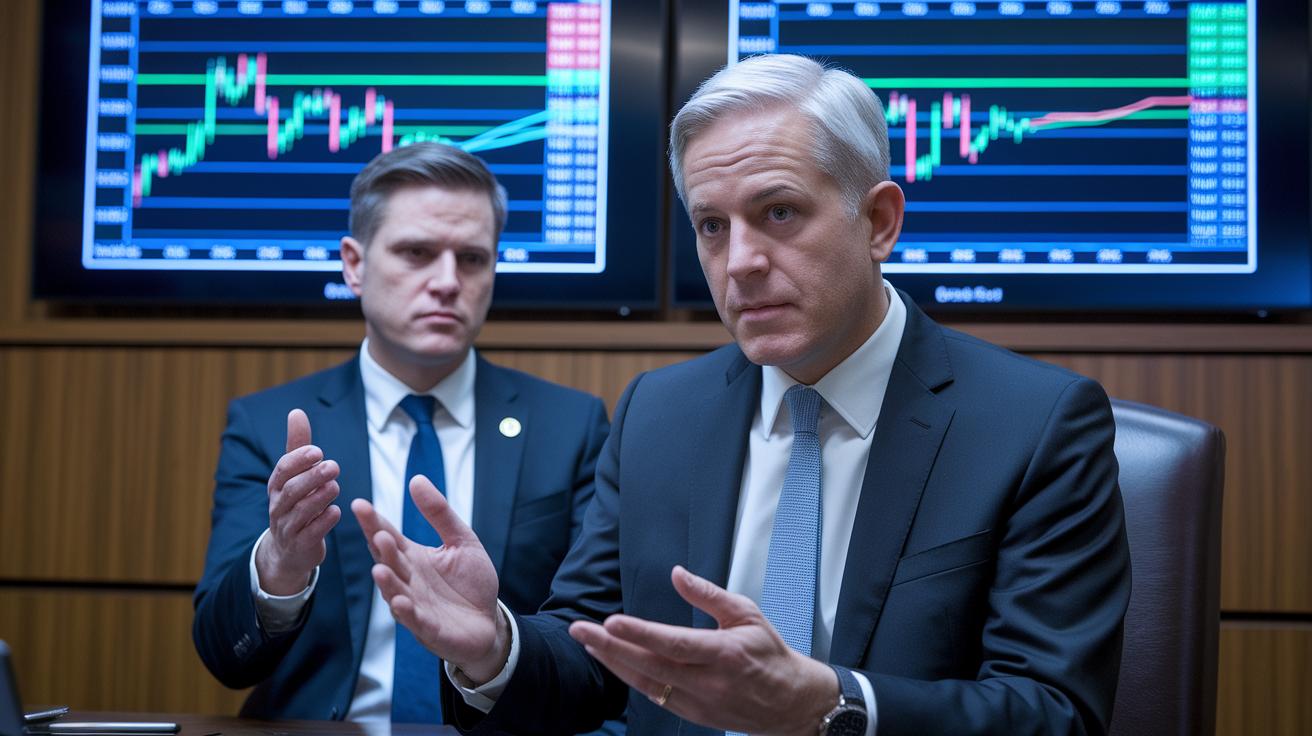
The SEC is changing how we think about crypto trading by broadening what counts as an exchange. They're proposing new rules to bring more trading platforms under oversight, and many platforms already meet today's criteria, according to Chair Gensler and Commissioner Crenshaw. But Commissioner Peirce worries that the agency is leaning too much toward enforcing penalties instead of helping platforms register properly. This means crypto trading sites might face tighter controls soon if they don't neatly fit in with the current rules. Have you heard? Since April, the SEC has taken action against several platforms that missed the mark, which really ups the risk management stakes.
Now, these platforms must stick to strict rules like KYC (knowing who your customers are) and AML (preventing money laundering), get both state and federal licenses, and keep track of all transactions. These steps help ensure that digital asset trades are clear and cut down on illegal activity. Platforms will also need to put in place systems to monitor every transaction so any issues can be spotted quickly. This overall plan not only protects crypto investors but also strengthens the system for all digital trading operations.
It’s clear that legal advice is key in this new setup. Crypto platforms should talk with legal experts to check if they fall under the Howey test, a test used to decide if an asset counts as a security, and to make sure all the right rules are in place. This careful approach helps manage risk in a market that’s getting more regulated by the day.
Technology Infrastructure & Security on Crypto Securities Exchanges

Crypto securities exchanges depend on fast, smart systems to match a large number of trades every day. These systems work in real time, pairing up buy and sell orders with great accuracy. With advanced digital technology at their core, delays are kept to a minimum and trading remains fair. Plus, real-time analytics let everyone see price changes instantly, which really builds trust in the market.
To make sure accounts and funds stay safe, these exchanges use secure methods like multi-factor authentication and special hardware tools to keep out unauthorized users. They blend cold and warm wallet designs, most funds are kept offline for extra safety, but funds can be accessed quickly when needed. Regular security audits also help operators and investors feel secure about how assets are managed.
APIs play a big role too. They let different parts of the system talk to each other by automating compliance checks, monitoring transactions, and creating audit trails. This even connects the exchange to outside networks like the web3 blockchain, so data is shared smoothly and everything stays updated. All these tech solutions work together to make crypto securities exchanges both reliable and secure, keeping investor confidence consistently high.
Comparing Crypto Securities Exchanges with Traditional Securities Markets

Traditional exchanges work with central limit order books and clearinghouses, meaning trades take about two days to settle and only run during set hours. On the flip side, crypto securities exchanges run 24/7 and settle almost instantly on the blockchain, so you can trade whenever you want. Isn’t that neat? It means transactions are faster and more flexible, allowing you to respond quickly to market changes.
Crypto platforms often use real-time market data and competitive fee models, typically ranging from 0.1% to 0.5%. This setup makes trading feel more dynamic, much like watching the pulse of the market in real time.
| Parameter | Traditional Exchange | Crypto Securities Exchange |
|---|---|---|
| Settlement Time | T+2 Days | Near-instant |
| Trading Hours | Limited, set times | 24/7 Operation |
| Fees | Higher, fixed charges | Approximately 0.1–0.5% |
| Liquidity Source | Prime brokers | Automated market makers |
| Custody Method | Custodial arrangements | Secure digital wallets |
These key differences show that while traditional exchanges rely on established methods and broker-based liquidity, crypto securities exchanges take advantage of non-stop market access and lower trading fees. Automated market makers help liquidity flow freely, and real-time analytics give you a clear sense of market trends. It’s a shift that fits perfectly with investors looking for faster execution and more streamlined operations.
Practical Use Cases & Leading Crypto Securities Exchange Platforms

tZERO, INX, and TokenSoft are top players in the crypto securities exchange arena. They’ve built a strong reputation by meeting strict audit standards and investor rules, all while promoting safe and regulated trading.
One of their most exciting innovations is equity tokenization. This process turns traditional shares into digital tokens that live on blockchain platforms, much like converting a paper certificate into a tradable digital asset. It's both secure and transparent. Real estate-backed offerings work in a similar way, letting investors buy tokens that represent parts of real estate assets, opening up new ways to invest in property with clear records and compliance.
They also push the envelope with tokenized fund shares and digital debt instruments. With tokenized funds, each share is like a small piece of a much bigger portfolio, giving you a slice of a broader investment pool. And for debt instruments, digital tokens outline repayment terms and interest under strict guidelines. This approach helps investors spread their risk and manage assets in a more efficient and cost-effective way.
Innovative Trends in Crypto Trading and Regulatory Evolution

Digital asset platforms are shifting fast, thanks to cool innovations like integrating DeFi with systems that don’t always speak the same language. Imagine this: a nimble trading platform recently pooled liquidity from two different chains by using DeFi protocols, making swaps smoother across networks.
Global regulators are also stepping up by syncing their compliance rules with real-time data from blockchain systems. This move means enforcement can be clearer and more consistent, helping exchanges follow simple guidelines that build trust even when the market gets choppy.
Meanwhile, smart contract advances are taking over routine tasks like settling trades and checking compliance automatically. Think about it, a platform might use these self-running contracts to process trades and distribute dividends without human help, leading to operations that are both clear and precise.
Final Words
In the action, we explored the inner workings of a crypto securities exchange, from its defined operational features like non-discretionary trade protocols and investor accreditation checks to the regulatory challenges posed by SEC oversight. We covered how advanced technology supports real-time trade analytics and secure custody while comparing these platforms with traditional markets. A closer look at practical use cases and emerging trends rounded out our discussion. Stay positive and keep building your financial strategy as the market continues to evolve.
FAQ
What is a crypto securities exchange website and which companies offer these platforms?
A crypto securities exchange website is an online platform for trading digital asset securities that meet SEC rules. The companies behind these sites use matching engines, non-discretionary trade protocols, and recorded audit trails to secure transactions.
What is an SEC approved crypto list?
An SEC approved crypto list is a compilation of digital assets that have met regulatory standards under the Howey test. This list highlights tokens and securities that have passed necessary legal screenings by the SEC.
What are crypto securities exchange stocks?
Crypto securities exchange stocks are shares of firms that run regulated digital asset trading platforms. Investing in these stocks can reflect market growth trends and adherence to SEC compliance standards.
What is the Crypto Task Force SEC?
The Crypto Task Force SEC refers to a team within the SEC dedicated to enforcing crypto trading rules. This team targets unregistered or non-compliant platforms to protect investors and ensure market integrity.
What are the top 3 biggest crypto exchanges?
The top three biggest crypto exchanges often include Coinbase, Binance, and Kraken, based on trading volume and user base. Rankings may shift as market conditions and regulatory updates influence these platforms.
Can I make $100 a day from crypto?
Making $100 a day from crypto trading is possible, though it depends on market volatility, individual trading skills, and risk management. Profit levels in crypto trading are never guaranteed due to market uncertainty.
What are crypto securities?
Crypto securities are digital assets representing equity, debt, or fund interests that meet SEC criteria, including the Howey test. They blend blockchain technology with classic security features to offer ownership rights to investors.
Which crypto exchange is allowed in the USA?
A crypto exchange allowed in the USA is one that meets strict regulatory requirements. For example, Coinbase is widely recognized for following federal and state guidelines to operate legally in the United States.