Have you ever wondered why you might feel safe buying NFTs? Lately, the NFT scene has exploded with billions changing hands and millions getting involved.
Many people are still cautious though. When a platform makes fees clear, keeps secure records, and offers fair ways to solve any problems, you start to trust it.
These trusted features, clear rules, strong security, honest practices, genuine assets, and a supportive community, can make you feel more confident about digital investments. It shows that NFTs might be more than just a trend and could even be a smart move for your money.
Key Drivers of Consumer Trust in the NFT Market
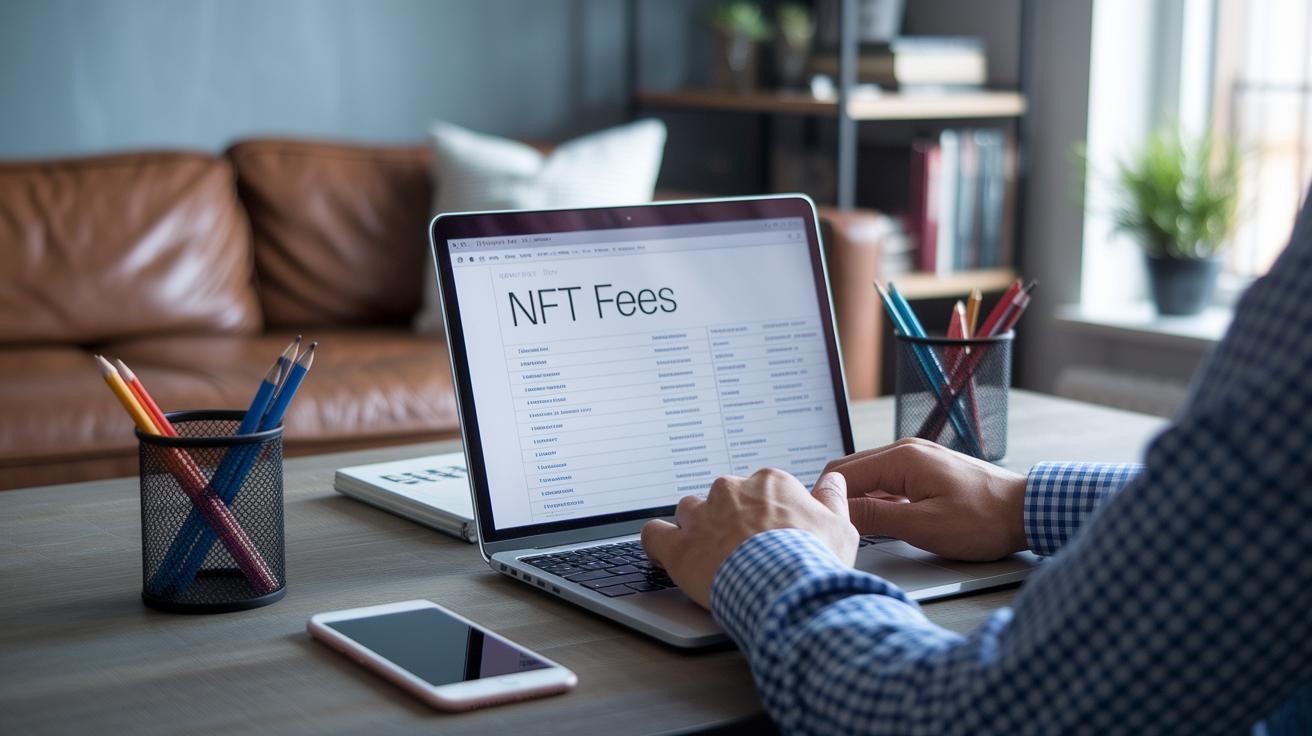
The NFT scene has really taken off lately. In August 2021, buyers spent close to $6 billion, and public awareness shot up from 20% to 65% in just a year. Even the number of U.S. adults owning NFTs doubled from 2% to 4%, that's about 9.3 million people now part of this digital movement. Big-ticket sales, like a $92 million collection and drops from the famous 10,000-item Bored Ape Yacht Club, have boosted trust while still leaving about one-third of people a bit wary, thinking NFTs might just be a short-lived trend.
As the NFT world grows, buyers are on the lookout for clear signs of trust. They want to see straightforward fee details, easy ways to handle disputes, and solid ownership records kept on secure digital logs. When platforms show these signals, it helps buyers feel more secure about their investments. This growing trust shows that NFTs aren’t just a passing craze, they’re increasingly seen as a smart alternative way to invest.
- Transparency
- Security
- Regulation
- Authenticity
- Community
Each of these points plays a part in building confidence. Clear fee structures and recorded ownership take the mystery out of what’s behind each NFT. Meanwhile, strong security measures and keeping up with legal standards reduce the risk of pitfalls. And with records that can’t be changed along with active community input, buyers feel backed by a system they can trust. In short, having solid trust drivers makes it easier for people to feel safe investing for the long haul in this digital market.
Transparency Practices and Immutable Records as NFT Market Trust Factors
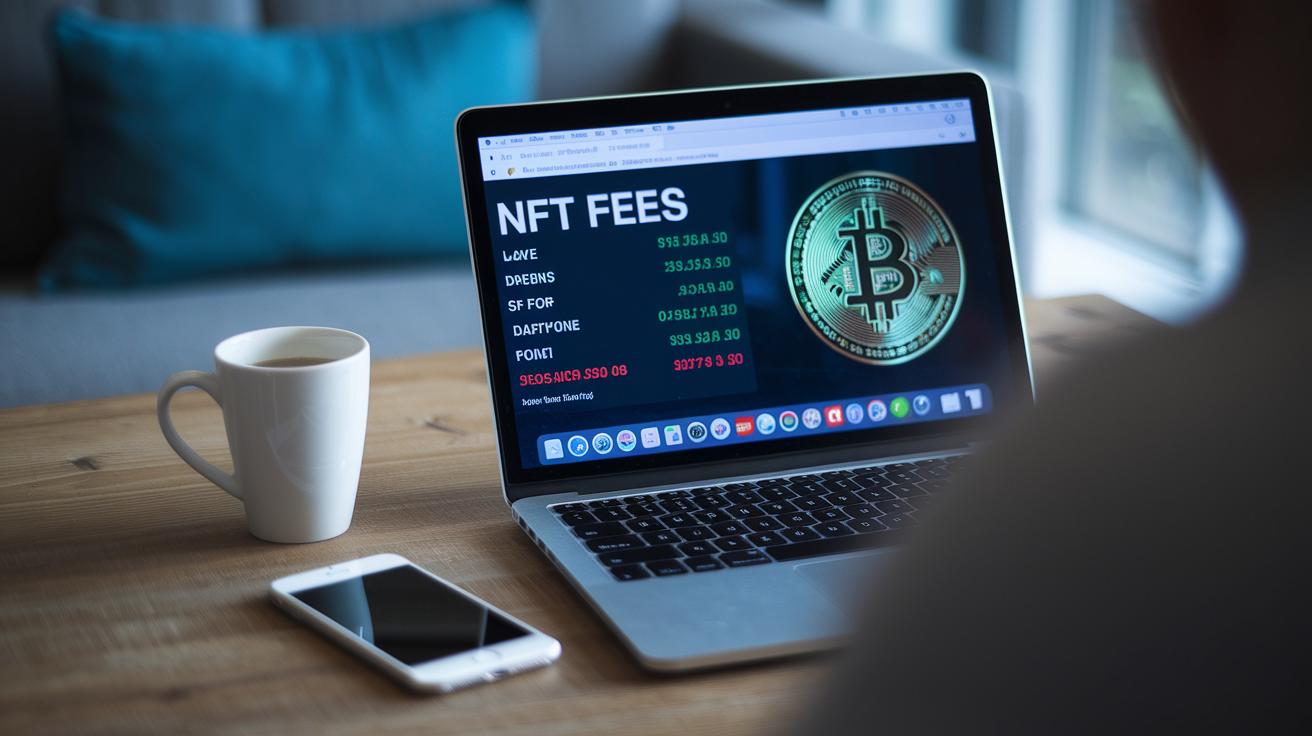
Policy transparency is key to building trust in the NFT market. When platforms clearly list their fees and explain how disputes are handled, buyers know exactly what they’re getting into. For example, a platform might say, "We show every charge upfront with no hidden fees," which helps ease worries about unexpected costs and makes transactions feel safer.
Blockchain also plays a big role in reducing fraud. Every transaction is recorded with a timestamp on a secure web3 blockchain, which is a kind of digital ledger that stays the same over time. This means NFT owners can easily trace the history of their asset, much like checking a notebook that can never be altered. A simple note might read, "Every NFT's history is permanently recorded from creation to current ownership," showing just how reliable and unchangeable these records are.
Limited-edition NFT drops add another layer of trust by giving complete insight into supply and ownership. When a collection is capped, it creates a sense of rarity while ensuring each NFT has a clear, lasting record. Imagine a drop that tells collectors, "Only 10,000 NFTs exist, each with a transparent history." This straightforward method helps buyers feel secure about the uniqueness and verified status of their investment, boosting overall confidence in the marketplace.
Security Protocols and Wallet Guidelines in NFT Market Trust Factors

Modern NFT platforms work hard to keep your investments secure using strong safety checks. They use things like two-factor authentication and reviewed smart contracts to stop fraud before it happens. When you see these measures, you can feel confident knowing there are extra steps in place to lock down access and handle transfers. Many trusted NFT marketplaces also send out clear alerts whenever there’s an update, which helps you feel at ease knowing that wallet activity is constantly watched over with tools that quickly spot any odd behavior.
| Protocol | Function | Impact |
|---|---|---|
| 2FA | Checks your login with extra steps | Helps cut down on fraud |
| Smart Contract Audits | Makes sure all parts of the code work right | Keeps transactions fair and accurate |
| Secure Wallet Integration | Keeps your digital assets safe | Boosts your trust in the platform |
Keeping an eye on your portfolio and getting alerts about wallet activity further secures your investment. These secure wallet features let you store your digital assets confidently while you get real-time updates about refunds or any sign of trouble. Plus, platforms often share regular updates on system improvements. This kind of transparency builds trust over time. When you see that your wallet is secured and always monitored, it can really boost your confidence in using digital financial tools for long-term investments.
Compliance and Due Diligence’s Role in NFT Market Trust Factors

NFT platforms need to follow local and global rules to build trust with buyers. By keeping their operations clear and open, like showing how fees work and what steps they take to resolve disputes, they help reduce risks. This approach, similar to trends shaping the future of digital finance, makes it easier to adjust when laws change and increases overall transparency.
Before NFTs hit the market, platforms do a thorough check to ensure projects are genuine. They use strict oversight methods that mix hard rules with ongoing reviews. In other words, by performing detailed checks and keeping records open for everyone to see, they show they stick to the law. This careful process builds confidence and signals that each NFT has been well examined. Together, solid regulations and proper due diligence work hand in hand to create a safe and steady market.
Authenticity Validation and Provenance in NFT Market Trust Factors
NFT buyers need simple, secure ways to prove their digital art and collectibles are real. We mix unchangeable records on the blockchain with independent expert checks to build a strong foundation of trust.
Blockchain Timestamp Tracking
With blockchain timestamp tracking, every time an NFT changes hands, the exact date is recorded in a digital ledger. This method creates a clear timeline of ownership, making it easier for everyone to see who owns what and when.
Third-Party Authentication Services
Beyond the blockchain, independent experts step in to offer extra reassurance. These professionals check certificates of uniqueness and verify limited edition drops. For instance, you might see a note stating, “Certified by an independent auditor, this NFT is one of only 10,000.” This kind of verification helps buyers feel even more confident about their purchase.
By combining solid blockchain records with expert validation, each NFT gains credibility through a system built on clear facts and trusted checks.
Community Feedback and Reputation in NFT Market Trust Factors
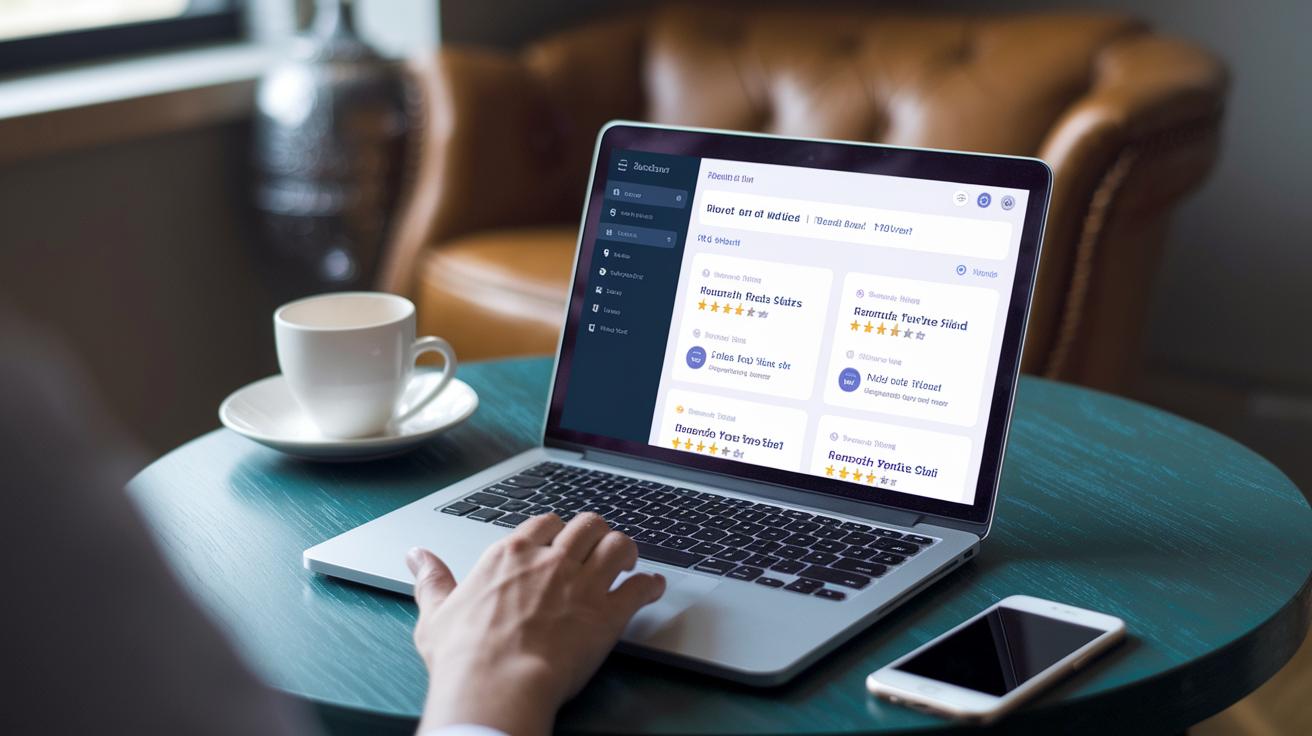
In NFT marketplaces, community feedback is more than just a feature, it’s the real talk from fellow collectors. People share simple ratings and genuine reviews, like a note saying, "Seller is reliable and honest," which helps guide buyers just like a friend’s advice. It creates a natural network of trust, much like hearing about a great experience from someone you know.
These feedback systems turn everyday user experiences into easy-to-read numbers. You might see a dashboard displaying something like “4.5 stars from 300 reviews,” which gives you a quick snapshot of a seller's performance. It’s a straightforward way for new buyers to check if a seller can be trusted, making the whole process feel less intimidating.
Reputation scores take this a step further by putting all those reviews into one clear number. These scores add up every rating, building a picture of how reliable a seller is over time. When you see a consistently high score, it boosts your confidence and helps you decide where to invest. It’s like having a shortcut to checking if a seller meets the community’s quality standards, all thanks to honest, data-driven feedback.
Final Words
In the action, we looked at how visible records, strong wallet rules, careful oversight, traceable ownership, and honest community reviews work together to raise confidence in digital investments. Each factor helps shape reliable buyer assurance.
Breaking down these elements showed that a mix of clear policies, tough security, and open feedback builds a trusted market. Keep exploring nft market consumer trust factors to make smarter choices and feel positive about your digital asset investments.
FAQ
Q: What do NFT market consumer trust factors PDF reports reveal for 2021 and 2022?
A: The NFT market consumer trust factors PDF reports reveal rising confidence, with 2021 marked by record spending and 2022 showing higher consumer awareness and ownership. They emphasize trust drivers like transparency, security, regulation, authenticity, and community feedback.