
Have you ever wondered if your digital money is really safe? Crypto custody solutions work like a super-secure safe that keeps your secret keys hidden from hackers and glitches. They let you choose whether you want a wallet you control yourself or a professional setup for bigger investments. In this article, we'll show you how these secure storage methods protect your assets and give you peace of mind. Whether you're just starting out or managing a large portfolio, knowing your digital money is safe makes all the difference.
Understanding Crypto Custody Solutions: Core Concepts and Provider Types

Crypto custody solutions work like a safe for your digital money. Instead of storing cash in a bank, these systems protect your private keys – the secret codes needed to access your digital funds. Unlike traditional banks, these providers use strong, layered security measures such as offline cold storage, insured online wallets, systems that require multiple approvals, and shared data protection methods. This setup helps stop hackers or technical glitches from causing trouble.
For personal use, you can choose a software wallet (like MetaMask) or a hardware wallet (such as Ledger or Trezor). Think of self-custody as keeping your important documents in a personal vault where only you have the key. It gives you complete control over your digital assets, much like locking away your most treasured items at home.
On the other hand, institutional crypto custody is made for big portfolios. In these cases, professional custodians keep your digital funds in separate, legally protected vaults. Because these funds are kept apart from the custodian’s own money, institutional investors get an extra level of security and peace of mind.
In short, crypto custody solutions range from options where you are in charge of your own keys to systems managed by experts for big investments. Whether you’re just starting out or managing a large portfolio, there’s a secure method available to fit your needs and help protect your digital wealth.
Custodial vs Non-Custodial Crypto Custody Solutions
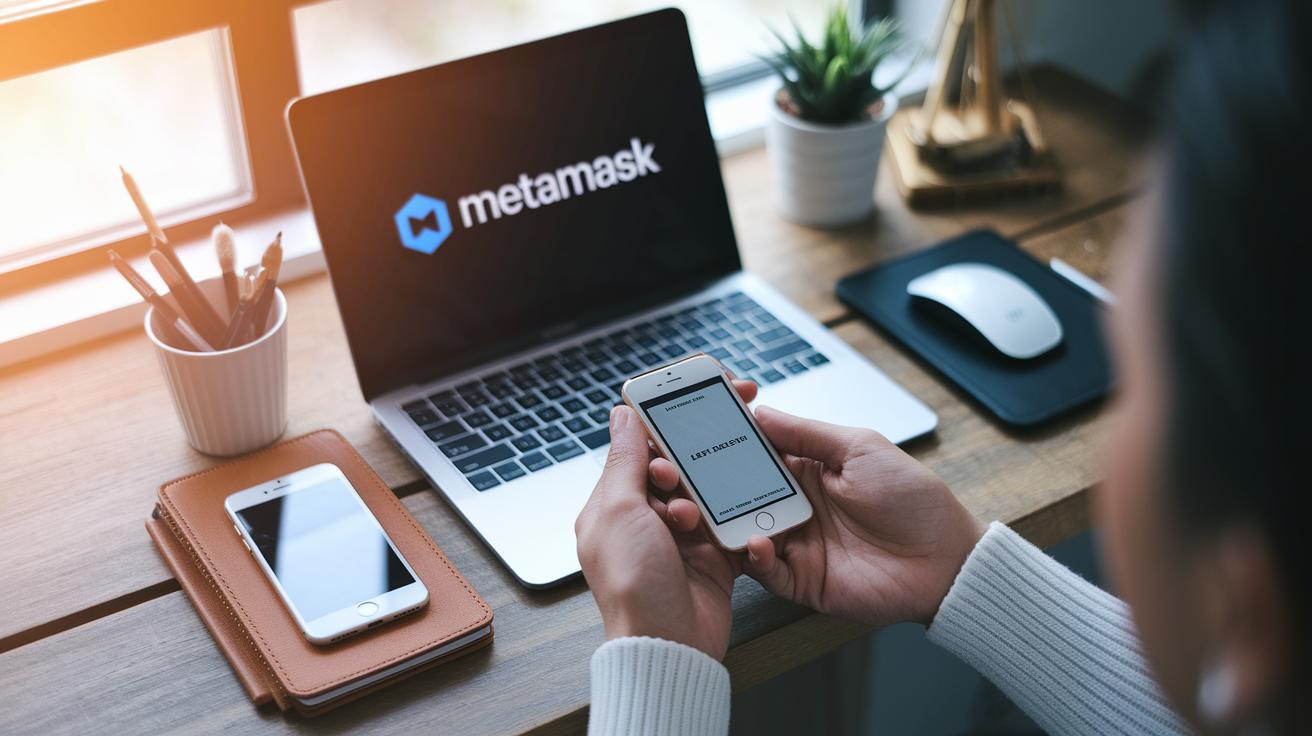
When you hold your own crypto keys with tools like MetaMask or devices such as Ledger and Trezor, you’re taking charge of your own investments. It’s like keeping your secret recipe safe, but if you lose those keys, there’s no backup.
On the other hand, institutional custodians rely on top-notch security like multi-signature setups and Multi-Party Computation. In simple terms, this means that several digital approvals from different tools are needed before a transaction goes through, reducing the risk of a single error.
Some custodians mix these high-tech features with decentralized systems, ensuring that your digital assets are stored safely. They do this by keeping your assets in regulated accounts, splitting them up, checking them regularly through SOC audits, and using a blend of insured hot wallets with offline cold storage. Think of it like a professional safe, where every security layer meets strict rules, providing extra peace of mind.
For example, a multi-signature wallet might require signatures from two out of three different devices to move funds. This method ensures that no single device holds all the power over your assets.
Crypto custody solutions: Secure Digital Asset Storage

Crypto custody keeps your digital assets safe using strong vault security. They often store keys offline in air-gapped vaults, which means the keys are kept far away from any internet connection, kind of like a secret safe hidden off the grid.
Insured hot wallets add another layer of defense. They let you access your money online while protecting it with insurance coverage. Plus, sophisticated encryption scrambles your data so that even if someone intercepts it, they can't make sense of it without the secret key.
They also use methods like multi-signature and distributed key controls. This way, several approvals are needed before any transaction can go through, which helps cut down on risks. Regular audits and disaster-recovery plans keep everything running smoothly. Enterprise-level blockchain security ensures the backbone of these systems meets the highest standards.
| Security Protocol | Description | Example Provider |
|---|---|---|
| Offline Cold Storage | Keys stored in air-gapped vaults for top-level protection | BitGo |
| Insured Hot Wallets | Online access with extra insurance cover | Coinbase Custody |
| Multi-Signature & MPC | Multiple approvals required before transactions | Genesis Custody |
| Regular Audits | Independent checks to maintain security | Gemini |
| Insurance Coverage | A protective buffer against hacks and losses | Fireblocks |
This layered strategy builds trust and offers a robust framework for securing digital assets, even as the market grows fast.
Regulatory Compliance and Risk Management for Crypto Custody

Crypto custody providers have to abide by strict rules that keep digital assets safe for everyone, from individuals to big institutions. They run routine checks, known as AML and KYC, to verify names, addresses, and government-issued IDs. In the U.S., if a custodian holds more than $150,000, they need to be certified to show they’re following the law. This tough system is meant to help stop fraud and keep the market steady.
Providers follow clear standards set by groups like the SEC, CFTC, and FinCEN. They perform regular audits (like SOC I and II), manage separate accounts, and stick to strong fiduciary practices to protect their clients. With the digital asset market expected to jump from about $425 billion in 2024 to over $1.42 trillion by 2033, these safety measures become even more important. It’s a bit like making sure you lock your doors every night, simple but essential.
Take BitGo as an example. They run independent audits and use cold storage accounts to keep digital assets separate and secure. Their method shows how mixing careful oversight with strong internal checks can guard against hacks and other risks. Regular audits act as a safety net, keeping the system robust and reliable. For more on managing crypto risk, you might want to explore this resource on crypto risk management.
Selecting and Implementing the Best Crypto Custody Solutions

Criteria for Choosing a Crypto Custody Provider
When you're checking out crypto custody platforms, start with the basics. Look at security features like setup protocols, valid licenses, and clear audit reports. It's smart to go with a provider backed by solid insurance and a strong record of keeping digital assets safe. For example, you want a system that uses extra layers of security such as multi-sig cold storage (which means more than one key is needed to access funds) or MPC methods, another secure way to protect your crypto. Plus, friendly and fast client support matters a lot, especially if you're planning to trade often. In short, ask yourself: "Does this platform feel as secure as a bank vault?" This kind of thinking helps you pick a provider that fits whether you're managing your own assets or dealing with higher-level institutional needs.
Overview of Leading Crypto Custody Providers
There are several top players in the market, each with their own strengths. BitGo, around since 2013, uses multi-sig cold storage plus offers $100 million in insurance, though it does require a minimum investment of $1 million, ideal for big accounts. Genesis Custody, which was formerly known as Vo1t, uses MPC-based cold storage to up its security game. Digivault brings a cool twist by offering its Kelvin cold wallet, stored securely offline in vaults by Malca-Amit. Fireblocks stands out with a platform built for enterprises; it boasts fast transaction speeds and options for different types of wallets, like hot, warm, and cold. Coinbase Custody, launched in 2012, is known for its military-grade cold storage, while Gemini meets strict New York State Trust Company standards with SOC I/II certifications, catering well to both individuals and institutions. Lastly, Kingdom Trust oversees over 100,000 retirement accounts and secures more than 20,000 types of assets, including crypto and gold. In a nutshell, these providers show that there’s a range of secure solutions out there, ready to meet a variety of investment needs and sizes.
Final Words
In the action, we broke down crypto custody solutions by exploring key aspects of digital asset security, risk management, and regulatory compliance. We looked at different provider types and how institutional and self-custody options offer varying levels of control. Each section offered insights on selecting crypto custody solutions that support smart investments and diversified portfolios. Keep these points in mind and remain engaged with market updates as you refine your digital investment strategies. Embrace the future of finance with confidence and clarity.
FAQ
Q: What do crypto custody solutions reviews and best crypto custody providers reveal?
The reviews indicate top providers use advanced security measures like multi-signature and cold storage. They also meet regulatory standards, offering reliable services for both retail and institutional clients.
Q: What options exist for crypto custody for individuals?
Individuals can choose between self-custody using hardware or software wallets and custodial services that manage keys with secure multi-layered protocols.
Q: How do institutional crypto custody services, including Fidelity and BNY Mellon, work?
Institutional services use segregated accounts under fiduciary duty, with providers like Fidelity and BNY Mellon offering robust security, compliance measures, and regulatory audits.
Q: What is digital asset custody?
Digital asset custody refers to secure storage solutions for cryptocurrencies, using methods such as offline cold storage, insured hot wallets, and advanced key management systems.
Q: How large is the digital asset custody market?
The market reached $425.72 billion in 2024, with expectations to increase significantly, reflecting growing demand for secure digital asset management solutions.
Q: Does crypto offer custody services?
Crypto offers custody services through dedicated custodians who secure private keys using multi-layered protocols that reduce risks and meet evolving regulatory standards.
Q: Who is considered the best custody solution for bitcoin?
Leading solutions like Coinbase Custody, BitGo, and Gemini are known for robust security, insurance coverage, and comprehensive regulatory compliance for bitcoin protection.
Q: How can I take custody of my crypto?
You can take custody by selecting self-custody options such as software or hardware wallets, or opting for custodial services that manage key security and offer insurance.
Q: Are there banks that offer crypto custody services?
Some banks, including notable names like Fidelity and BNY Mellon, have developed crypto custody options, integrating traditional banking practices with digital asset security.