
Ever wondered if your NFT investments are more than just digital art? Sometimes, the market moves in wild ways. Prices can climb or fall fast, and when fewer people are buying, even a small tech glitch might cost you a lot.
Remember that crazy surge in 2020? It shows just how unpredictable this world can be. But there’s a way to make things a bit less scary. By checking market trends, doing tech audits, and setting up strong security, you can manage those risks better.
So why not learn how to protect your digital assets today? It might just give you the confidence you need to keep moving forward.
nft risk management: Boost Confidence Today
NFT investments carry several risks that every investor should keep an eye on. For example, market risk can hit you when prices make wild moves, like that unforgettable 2,000% surge back in 2020, while liquidity risk shows up when there aren’t enough buyers around to let you exit smoothly. And then there's fraud risk, which happens when fake tokens or unauthorized copies compromise the trust in digital assets.
Then, think about custody risk. This is all about how secure your digital assets are when they’re stored on a platform that might fail or get breached. Regulatory risk brings its own worries because sometimes the rules aren’t clear enough, making it hard to know what to expect. Plus, technical risk focuses on issues in smart contracts, which are simple self-running pieces of code that handle your tokens, and a small bug there could expose your funds.
To help you manage these risks, consider this checklist:
| Key Risk Management Steps | Description |
|---|---|
| Market Volatility Assessment | Keep an eye on sharp price swings in the market. |
| Liquidity Risk Controls | Make sure you can easily trade assets when needed. |
| Provenance and Due Diligence Checks | Confirm the authenticity of the NFT you’re buying. |
| Smart Contract Audit Requirements | Ensure the code behind the NFT is secure. |
| Regulatory Compliance & KYC/AML Procedures | Follow legal guidelines to protect your investments. |
| Cybersecurity & Custody Safeguards | Shield your assets from potential hacking threats. |
This framework combines market analysis, liquidity checks, and fraud detection with solid tech and security measures. It encourages you to stay alert and tweak your strategy as market trends change, so you can manage your digital portfolio with real confidence. Have you ever noticed how a small tweak in strategy can really change the game? This approach is all about giving you the tools to feel secure, even when the market gets crazy.
Managing Market Volatility and Liquidity in NFT Portfolios
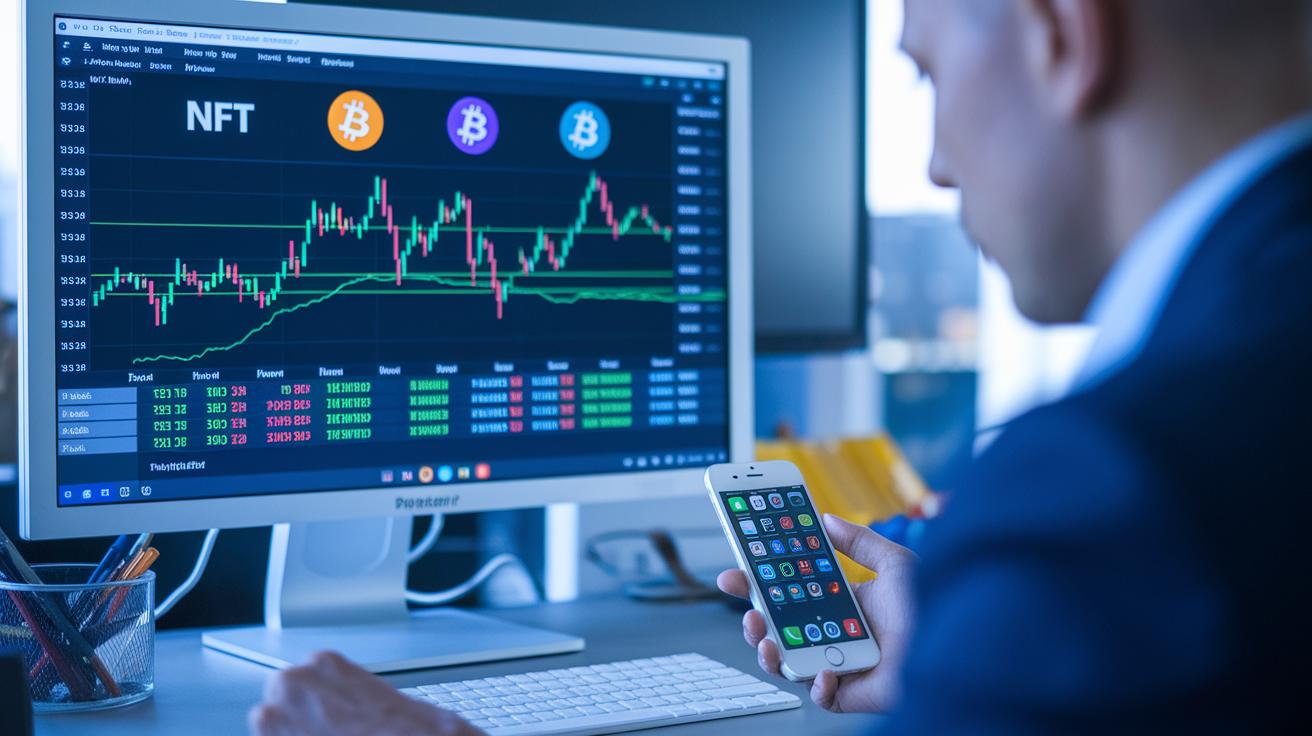
NFTs have been known for their crazy ups and downs over time. For example, in 2020, some tokens jumped by 2,000%, which left many investors both excited and a little nervous. And when it comes to liquidity, things can get tricky too. When trading slows down, finding a buyer at a good price becomes a real challenge because there are fewer trades happening.
- Spreading out investments across different types and blockchains
- Placing orders at different times to buy and sell
- Keeping an eye on the lowest price and trading volume in real time
- Planning for cases when prices take wild turns
- Setting up automatic alerts for key price changes
Mixing NFTs with other types of investments can help you handle these ups and downs better. By checking how volatile tokens are and using tools like this one for crypto market volatility (https://gotocryptos.com?p=711), you can stay updated on fast-moving price changes. Also, balancing digital assets with things like stocks or real estate can spread out your risk. This balanced approach not only helps with liquidity issues but also makes your overall portfolio steadier when the market gets shaky. In short, using smart tactics and keeping your investments spread out is key to staying ahead in a rapidly changing market.
Technical Safeguards: Smart Contract Audits and Cybersecurity Measures
Smart contracts are the backbone of NFT transactions, but if they're not coded perfectly or if cunning individuals exploit their flaws, risks arise. These automated digital agreements can sometimes be misused, especially since they hide users' identities, which might lead to issues like money-laundering. That’s why it’s smart to use risk detection tools and blockchain analytics to catch hidden problems early. (Learn more about nft blockchain at https://nftworthit.com?p=211.)
Here are some key methods to bolster security:
- Third-party smart contract audits
- Continuous vulnerability scanning tools
- On-chain anomaly detection systems
- Hardware wallets for cold storage
- Role-based access controls on minting
- Emergency contract pause/kill-switch
Regular scans and independent code reviews work like a safety net, catching technical glitches that bad actors might use to their advantage. With thorough audits in place, both projects and collectors can manage vulnerabilities well. Plus, strong cybersecurity steps, like protecting private keys and using two-factor authentication, add another guard to your defenses. Together, these measures reduce risks and build confidence in NFT holdings, letting you focus on innovation and the exciting parts of the market.
Regulatory Compliance and AML Procedures for NFT Risk Management
In February 2023, a FATF report uncovered major flaws in the way NFTs are set up. These gaps can let criminals move illegal money or even fund terror. The report showed that NFTs are at risk from tricks like charging unusually high prices, creating self-made tokens, using wallets that hide identities, and spreading transactions over many sites. It tells us that strong identity checks (KYC/AML) and improved blockchain tracking are needed to keep digital asset investors safe.
FATF Insights and Common Laundering Tactics
The report explains that the digital art and collectibles market can be risky when weak controls let scammers clean dirty money. For instance, some may overpay for NFTs to hide the true source of funds, mint fake tokens to fake value, use anonymous wallets to hide who they are, and spread transactions across many platforms to make tracking tough.
- Paying too much for NFTs
- Creating counterfeit tokens
- Using wallets that hide identity
- Spreading transactions across multiple platforms
These tactics make it clear that better blockchain tracking, coordinated law enforcement, and global regulatory rules are needed to spot and stop fraud.
Regional Regulatory Responses
In the Middle East, governments are beginning to tackle these risks. For example, the UAE is considering licensing NFT trading firms under strict AML guidelines to ensure they follow proper rules. In Egypt, authorities have warned about the market’s ups and downs and the risk of scams, showing a cautious approach to digital asset investments.
Other nearby regions are making changes too. Qatar has banned certain virtual asset services to curb risky practices, and Saudi Arabia is advising caution as digital finance enters new terrain. All these steps highlight how important regulatory oversight is to keep NFT investing safe.
Employing Due Diligence and Diversification to Mitigate NFT Investment Risks

Doing your homework is key to building a strong NFT strategy. When we say "due diligence," we mean looking at a project’s history, how active its community is, and whether there’s real market interest, not just checking the price tag. For example, Jane once noticed a project had very low community activity, so she decided it was too risky to invest in.
When you're checking out potential NFTs, keep an eye on things like the energy of the community, how one-of-a-kind the artwork or collectible is, and if there's genuine interest from buyers. These clues help you find NFTs that have real promise, rather than those just riding a wave of hype.
Mixing digital assets with traditional investments like stocks, bonds, or even real estate can help smooth out the bumps if one part of your portfolio takes a hit. Diversifying your investments creates a safety net that can cushion against market changes that might affect one area more than another.
Also, make sure you invest only what you can afford to lose. Stick to a plan that fits your long-term goals and helps keep your risk under control. Check out some smart NFT investing ideas here: https://nftworthit.com?p=119.
Monitoring Evolving NFT Market Dynamics and Adapting Risk Controls

Keeping up with fast-moving market trends is key for NFT investors. You need to stay tuned to news about blockchain changes, new regulations, and shifts in market mood. When you track these updates, you can spot early signs of change and even learn about new tools that help you measure risk.
It also helps to keep an eye on crypto market risk signals and any shifts in how NFT marketplaces operate. By following blockchain trend forecasts and regulatory news, you can be ready for sudden market moves. Staying informed about tech advances and market changes means you’re always prepared to adjust your strategy.
Being disciplined in your investment habits is just as important. Don’t get swept up by the fear of missing out. Instead, stick to decisions that are based on clear data and honest observation. This way, you can keep a level head even when the market gets wild.
Make time for regular reviews of your risk controls. Compare your current metrics with new trends and regulatory updates. This kind of routine check can help you tweak your strategy as needed and keep your portfolio resilient. In short, always be ready to adjust and learn from the market’s ups and downs.
Final Words
In the action, we built a solid framework covering market checks, liquidity, fraud prevention, smart contract audits, regulatory checks, and cybersecurity safeguards. Breaking down each area made it easier to see how these elements work together for effective nft risk management. The guide showed that blending smart techniques with a diversified portfolio can boost your strategy. Stay alert, be curious, and remember that each step helps create a more secure way to approach digital asset investments. Enjoy building your strategy!
FAQ
Q: What is an NFT risk management calculator?
A: An NFT risk management calculator is a tool that helps you gauge potential risks like market swings and liquidity issues, guiding smarter decisions on your digital asset investments.
Q: What is an NFT risk management strategy?
A: An NFT risk management strategy outlines steps to track market movements, verify asset authenticity, and secure liquidity, ultimately aiming to protect your investments.
Q: What does Treasure NFT refer to?
A: Treasure NFT describes a digital collectible that may provide hidden benefits or rewards, adding an extra layer of value and interest for collectors in virtual ecosystems.
Q: What are the risks of NFTs?
A: NFTs face risks that include sharp price fluctuations, limited liquidity, fraud, and uncertainty around regulations, which can impact investment returns if not carefully managed.
Q: What is an AML risk assessment PDF?
A: An AML risk assessment PDF is a document that details procedures to identify and evaluate money laundering risks within NFT markets, offering guidelines to strengthen compliance.
Q: What does NFT government mean?
A: NFT government refers to efforts by public authorities to set and enforce rules within the NFT market, working to improve transparency and consumer protection.
Q: What does NFT stand for?
A: NFT stands for Non-Fungible Token, which is a unique digital asset verified using blockchain technology, making it distinct from other tokens or currencies.
Q: What is NFT management?
A: NFT management involves organizing and protecting a portfolio of digital assets. It includes tracking investments, performing due diligence, and employing safeguards to reduce risk.
Q: What is the difference between RWA and NFT?
A: The difference between RWA and NFT is that RWA represents tangible assets with real-world value, while NFTs are unique digital tokens recorded on a blockchain, making them inherently different in form and function.