Have you noticed how OpenSea NFT is shaking up the digital art scene? It lets you prove your identity with a digital wallet, kind of like showing your ID when you go shopping.
This platform is turning heads with a safe and easy-to-use system that connects artists directly with collectors. It’s opening new doors for both creators and buyers to explore an exciting world of digital art.
Let's take a closer look at how OpenSea is driving success in a creative market that's all about fresh ideas and innovation.
Getting Started with OpenSea NFT: Account Setup, Wallet Connection & Secure Login
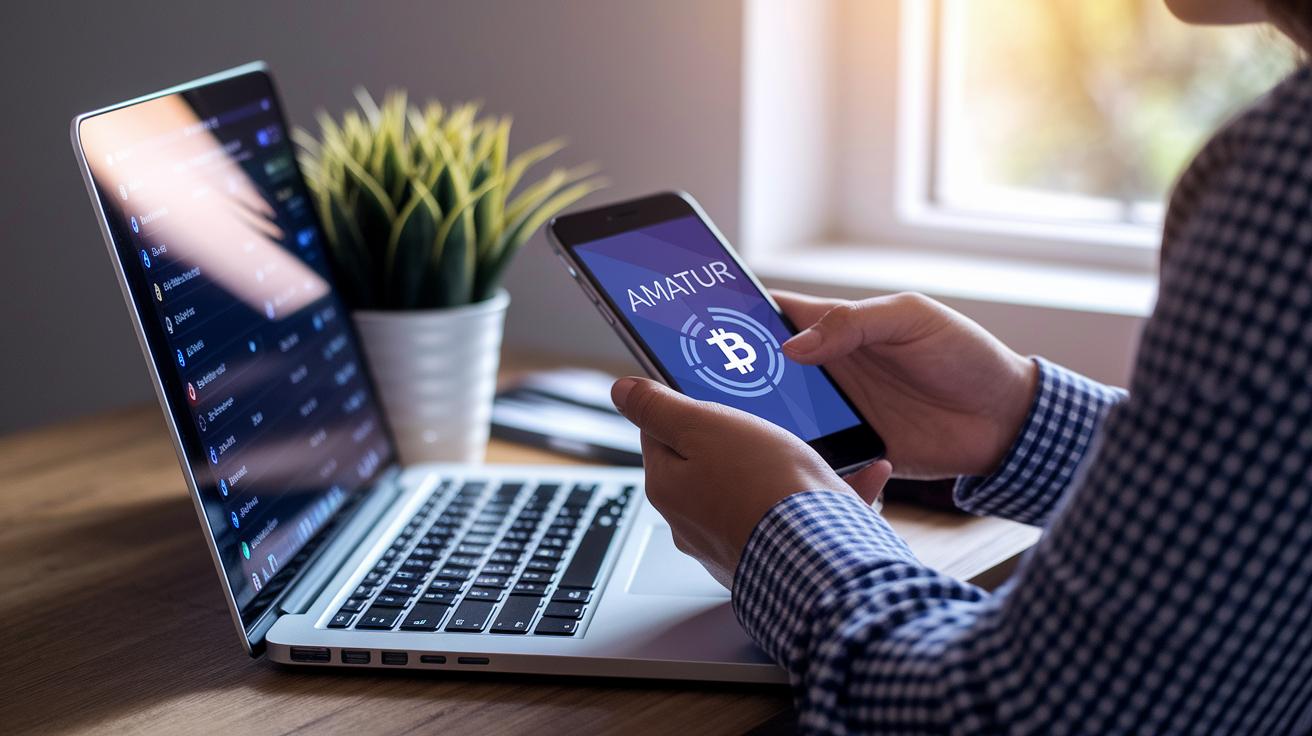
Getting started on OpenSea is a breeze once you connect your wallet. All you need to do is link your MetaMask wallet, a popular tool for storing digital assets. Think of it like signing a digital note that proves you own your wallet. It’s a bit like showing your ID at the door before you enter the marketplace.
After your wallet is linked, your account is set up by smart contracts that run on their own. These contracts take care of your transactions automatically, making everything clear and reliable. You just need to verify your wallet signature to keep your assets safe and ensure you’re the one in control.
To add another layer of protection, it’s smart to use secure login measures like two-factor authentication (2FA). This means after you type in your password, you’ll get a code on your phone to complete the login process. It’s a simple extra step to keep any unwanted visits at bay.
Here’s the quick checklist for getting started:
- Connect your wallet using MetaMask.
- Verify your wallet to complete the account setup.
- Turn on two-factor authentication to keep your account secure.
Exploring OpenSea NFT Marketplace: Features, Decentralized Art Exchange Benefits & Interface
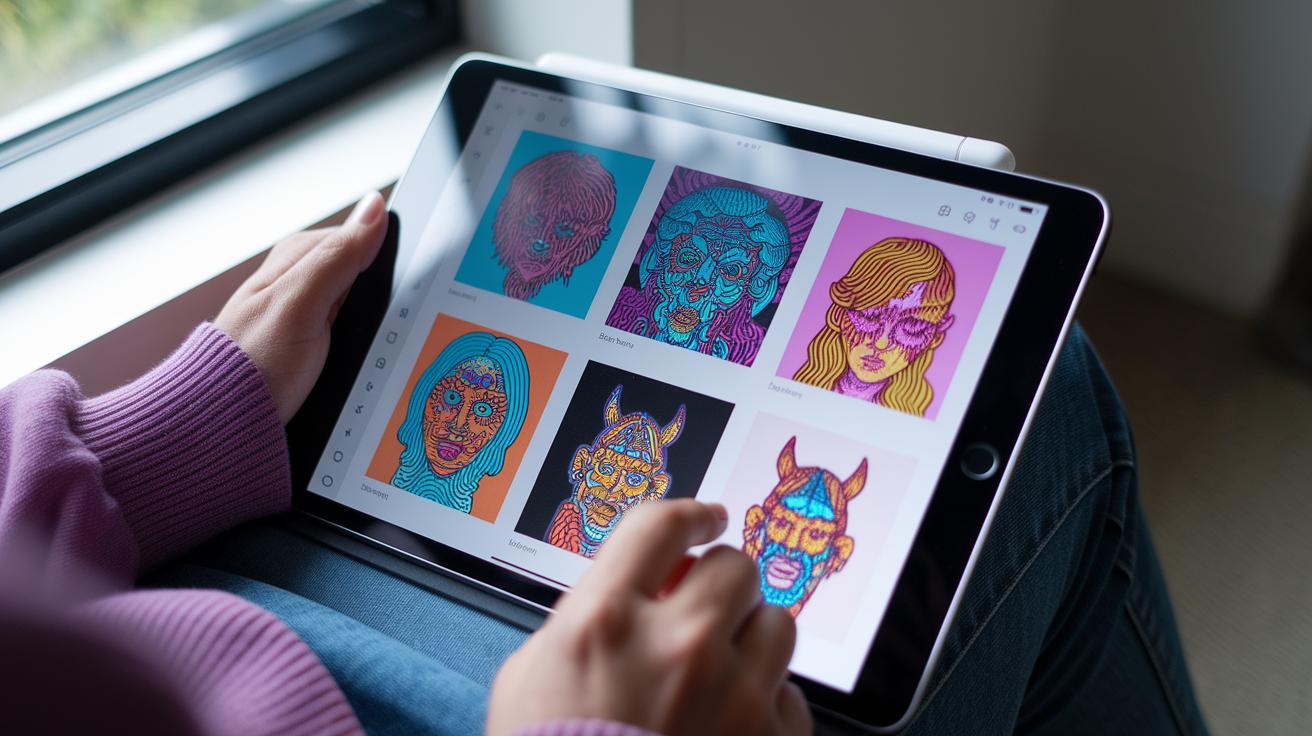
OpenSea is a huge online marketplace where artists and collectors buy, sell, and trade digital items without any middlemen. The site is designed with an easy-to-use interface so even newcomers can explore digital art and collectibles without feeling lost.
One cool feature is its smart search tool that lets you filter items by details like art style or the artist's name. Think of it like browsing your favorite online store, just type in a keyword like "vibrant imagery" and dive into a gallery full of colorful, creative pieces.
Plus, OpenSea makes it simple to switch between various blockchains like Ethereum, Polygon, Solana, and Arbitrum. This flexibility lets you pick a chain that fits your needs, whether you prefer lower fees on Polygon or the familiar buzz of Ethereum.
Also, with the Seaport protocol launched in 2022 cutting gas fees by up to 10%, transactions become both smoother and more budget-friendly. Creators can even set up customizable storefronts to showcase their unique art in a personal way, boosting creative success in the digital art world.
How to Buy NFT on OpenSea: Step-by-Step Buying Process Explained

First, take a look around on OpenSea. It’s like wandering through a huge online gallery where you can see loads of digital art and collectibles. You can narrow down your search with filters for traits, styles, or even by the creator. Say you have an eye for a particular color scheme, just set the filter to show only what matches your vibe.
Next, decide how you want to pay. OpenSea lets you use ETH, DAI, or even your credit card if you prefer to pay in USD. When one of the NFTs grabs your attention, hit the “Buy Now” button to kick off your purchase. If you’d rather make an offer, you can choose that option too. For more details, you can check out this walkthrough (https://nftworthit.com?p=202).
After that, confirm your choice through your MetaMask wallet. This step makes sure you see all the details, like the 2.5% marketplace fee and any extra network (gas) fees. It pretty much works like confirming a purchase in your online shopping cart.
Before you lock it in, just double-check the item details and your wallet balance. Here’s a quick rundown:
- Browse collections and use trait filters.
- Click “Buy Now” or make an offer.
- Confirm the transaction in MetaMask.
Once everything is set, a self-executing smart contract handles the transfer, and the NFT lands in your digital collection. Enjoy your new digital asset and the creative buzz that comes with it!
How to Mint NFT on OpenSea: Digital Collectibles Creation Tutorial
Lazy minting on OpenSea lets you create your NFT without shelling out gas fees right away. When you use this trick on Ethereum, you only pay fees after your NFT sells. It’s a smart way for creators to test digital collectibles without worrying about extra costs.
Did you know that with lazy minting, you can design a one-of-a-kind NFT without spending on gas fees up front? This cool feature lets artists and collectors focus more on creativity than on expenses.
First, you need to connect your MetaMask wallet to OpenSea. Think of your MetaMask as your digital key that keeps your assets safe. Once your wallet is linked, create a new collection where your NFTs will live. This step helps you keep your digital art organized and easy to find.
Next, upload your file in a format like JPEG, PNG, GIF, or even GLTF. Then, fill in details like the title, description, and tags to help buyers learn about your work. After that, decide how many copies of the NFT you want to make and set up royalty percentages to earn a cut when your NFT is resold.
Finally, hit the “Create” button to mint your NFT. Just follow these simple steps:
- Connect your MetaMask wallet.
- Set up your collection.
- Upload your file and add metadata.
- Define how many copies you’re minting and set royalties.
- Click “Create” to bring your digital collectible to life.
Enjoy the process and happy minting!
Strategies for Selling OpenSea NFTs: Best Practices & Auction Tips

When you're selling NFTs, you have a few different ways to do it. You can set a fixed price to keep things simple, run an English auction where bids compete and push up the price, or try a declining-price auction where the cost drops steadily to spark quick buys. Each style has its own vibe and works better depending on the situation.
One smart trick is to spend some time perfecting your NFT titles and tags. Use straightforward, eye-catching words – for example, call your piece a "rare digital collectible that captures modern art." Doing this helps your work pop in a crowded marketplace.
Timing is important as well. Try to list your NFTs when more collectors are online and ready to shop. Some sellers even bundle their collections to stir up extra interest. And don’t forget to set up creator royalties for secondary sales so you earn a fee each time your NFT changes hands later on. Just keep in mind that a 2.5% fee is usually taken by the platform.
Quick checklist for NFT selling success:
- Pick the auction style that fits your work.
- Improve your titles and tags.
- Launch your drops during busy times.
- Set up creator royalties for future sales.
Analyzing OpenSea NFT Fees & Gas Optimization Techniques
OpenSea takes a 2.5% slice from every NFT resale, so a bit of every sale goes to them. Meanwhile, Ethereum gas fees can jump around depending on how busy the network is, and they’re not set by OpenSea. Sometimes these fees can get pretty steep, so it makes sense to look for ways to keep your overall costs down. With the new Seaport protocol, you’re seeing about a 10% drop in transaction gas, which is a welcome change for anyone trying to save a few bucks.
If you want to save even more, consider hopping over to Polygon, a network that usually has very low or even zero gas fees. You can also try timing your transactions during quieter periods on Ethereum to lower costs. Here are a few practical tips to keep fees in check:
- Pick blockchains that charge lower gas fees when you can.
- Keep an eye on the network’s busy times.
- Use the Seaport protocol to enjoy lower transaction costs.
- Compare fee structures if you’re thinking of switching between Ethereum and Polygon.
| Blockchain | Typical Gas Fees | Key Benefit |
|---|---|---|
| Ethereum | Variable | Widely used, though fees can spike during busy times |
| Polygon | Low to none | Offers more cost-effective transactions |
Try these suggestions to help reduce your costs when you’re buying or creating NFTs on OpenSea. Isn’t it great when you find ways to keep more of your money in your pocket?
Security & Authenticity Checks for OpenSea NFTs: Smart Contracts & Fraud Prevention

OpenSea runs each transaction with self-executing smart contracts. These digital agreements work like a virtual handshake between buyers and sellers. They kick in automatically after your wallet signature confirms the deal, making sure that ownership transfers happen clearly and smoothly. Fun fact: when smart contracts first came around, they removed the middleman by instantly carrying out actions once all conditions were met.
To keep your NFTs safe, always double-check the contract addresses before you buy. Look up the on-chain history – that’s the digital trail showing each NFT’s past. Ever wondered why some deals seem extra secure? It’s because OpenSea regularly audits its smart contracts to catch any odd behavior.
It’s a good idea to use a hardware wallet, which adds a tough extra barrier between your digital assets and online risks. And turning on two-factor authentication gives you that extra check when logging in. Here are a few steps to help prevent fraud:
| Action | Description |
|---|---|
| Verify Contract Addresses | Double-check that the NFT’s contract address is authentic. |
| Review On-Chain History | Examine the NFT’s recorded history on the blockchain. |
| Use Hardware Wallets | Add an extra layer of protection to your digital funds. |
| Enable Two-Factor Authentication | Boost security by adding a second step during login. |
OpenSea also uses fraud alerts to flag hesitant or risky transactions. Keeping a close eye on these alerts can really help you avoid potential troubles. For more details on crypto regulatory risks, check out the guidance provided in the linked resource. Combining smart contract basics with strong authentication measures, OpenSea makes sure your trading experience stays both clear and secure.
Spotlight on Trending OpenSea NFT Collections & Market Analytics
OpenSea offers handy data tools that open up the lively world of digital collectibles. You can see details like how many items are traded, how often prices change, and even past trading history. For instance, CryptoPunks jumped by over 250% in trades during one quarter, which really shifted how collectors think about buying and selling. It’s interesting how numbers like these quickly reveal market moods.
Collectors keep an eye on top names such as CryptoPunks and Bored Ape Yacht Club because these groups often lead the charts. Real-time data makes it easy to see if the market is heating up or if it’s taking a cool break, helping you decide when to jump in or step back. Watching these trends might even highlight hidden opportunities, like finding undervalued assets or knowing the perfect moment to exit.
Key points to remember include:
- Keeping track of overall trading activity
- Noticing small changes in the lowest active listing prices
- Looking at past trades to make smart decisions
| Metric | Insight Provided |
|---|---|
| Volume | Shows how busy the market is |
| Floor Price | Displays the smallest price for listings |
| Trading History | Reveals how the market moved in the past |
OpenSea NFT for Developers: API, SDKs & Integration Tools Overview
Developers can now blend the power of the OpenSea marketplace right into their own apps. It’s super easy to pull in NFT details, trading orders, and event updates using a free REST API and a handy JavaScript SDK. Imagine creating an app that shows live trading buzz – just use a simple GET call and see your data update in real time!
The Seaport protocol endpoints work like a secure bridge between your app and the NFT space. They handle transaction and data flows so you can build cool features like asset galleries or real-time market trackers without a hitch.
There are also some beta tools to spice things up. For example, testnet access lets you try out your ideas in a safe sandbox before launching live. And new widget builders mean you can easily embed NFT galleries on your website. It’s like putting a mini digital art show on your blog with just a few lines of code!
Here’s a quick checklist for developers:
- Use the REST API and JavaScript SDK.
- Rely on Seaport endpoints for smooth data transfer.
- Experiment with beta tools like testnet access and widget builders.
OpenSea NFT Roadmap & Future Developments: Latest Updates & 2025 Vision
OpenSea’s OS2 platform, launched early in 2025, brings a huge upgrade to the NFT marketplace. Now, collectors can explore 19 different blockchains, giving them plenty of options for buying and selling digital collectibles. The new system comes with smarter search tools that help you quickly spot projects that catch your eye, plus enhanced creator tools that make setting up digital galleries easier and more flexible.
Looking ahead, OpenSea is planning even more cool features. For instance, gas-free minting is on the horizon, meaning you'll get to create NFTs without those pesky high fees. They’re also working on NFT rental options so you can share your digital art with others for a while. Plus, new AI-driven recommendations will soon help you find just the right NFTs that match your interests.
Users and creators alike are excited about these updates, enjoying a blend of simplicity and innovation that makes the world of NFTs more accessible and fun.
Final Words
In the action, we covered everything from setting up your account and connecting your crypto wallet to navigating the opensea nft marketplace smartly. We walked through buying, minting, and selling digital collectibles with easy steps while discussing fee structures and best practices for secure trading.
We also looked at creator tools, developer resources, and future upgrades. All these insights are here to help you build a well-rounded investment approach with confidence and a smile.
FAQ
What is an NFT marketplace?
An NFT marketplace is a digital platform where you can buy, sell, and trade unique digital assets using cryptocurrency. It lets artists and collectors interact without needing a middleman.
How do I access OpenSea?
The OpenSea login process starts with connecting a crypto wallet like MetaMask, with secure signature verification to help you manage your digital assets safely on the platform.
What is OpenSea NFT LLC?
OpenSea NFT LLC is the company that runs the OpenSea platform. It handles operations, maintains service standards, and supports secure transactions for digital assets.
Is there an OpenSea app?
OpenSea offers an app that provides a mobile-friendly version of the marketplace, making it easier to browse collections, connect wallets, and trade NFTs on the go.
What is an NFT website?
An NFT website is an online hub where digital assets are listed for buying, selling, or minting. It features secure login, wallet integration, and tools to manage your digital art.
What is an OpenSea airdrop?
An OpenSea airdrop involves distributing digital tokens or assets to wallet holders as a form of reward or promotion within the NFT community.
What is Blur NFT?
Blur NFT is a rising platform that offers a fresh way to view and trade digital art, adding innovative features that create a unique user experience in NFT transactions.
What is Foundation NFT?
Foundation NFT is a digital art platform where creators share and sell their art as NFTs, emphasizing community curation and exclusive artwork collections.
How much does it cost to list an NFT on OpenSea?
Listing an NFT on OpenSea is free. However, note that a 2.5% fee applies on secondary sales, and buyers may pay additional network gas fees during transactions.
Are people still buying NFTs on OpenSea?
People continue purchasing NFTs on OpenSea. The platform remains popular due to its large selection of digital assets, secure transactions, and user-friendly marketplace features.
Are NFTs worth anything?
NFTs hold value based on digital scarcity, the reputation of creators, and market interest, making them collectible assets that can appreciate over time.
How much is one NFT today?
The price of an NFT today can vary greatly. Factors such as rarity, artist reputation, and current market trends determine whether an NFT costs a few dollars or several thousand dollars.
What distinguishes platforms like OpenSea, Rarible, Coinbase, Blockchain.com, Binance, and Uniswap?
OpenSea and Rarible focus on NFT trading, while Coinbase, Blockchain.com, Binance, and Uniswap mainly deal with cryptocurrency trading and blockchain services, each catering to different aspects of digital finance.