
Have you ever wondered why two NFTs that seem almost identical can sell for very different prices? It's because their value comes from a mix of various data sources and personal signals that change how each one is seen.
Different platforms report the numbers in their own way, which makes the pricing look different from site to site. And right now, experts are working on creating standards so we can compare these digital assets more fairly.
By combining different streams of data and cutting down on personal bias, we start to get a clearer picture of what really makes an NFT valuable. This fresh approach not only helps us understand the market better but also makes us re-think the old ideas about how digital art is valued.
Unpacking NFT Valuation Discrepancies
NFT pricing data comes from many different marketplaces, and each one provides its info in its own format. So, analysts often have to put together pieces from different sources. They rely on methods like API calls, web scraping, and even blockchain crawlers to track transaction records. Because of this scattered approach, the data ends up fragmented, making it hard to settle on one consistent valuation.
Without a single framework, NFT price estimates tend to depend on several technical and personal factors. Things like community vibes and creator reputation can sway the results, leading to big differences when trying to compare similar digital assets across platforms.
- Inconsistent ways of collecting data across marketplaces
- No unified API or standard data format
- Heavy reliance on subjective signals such as community feedback and creator reputation
- Different methods for tracking historical versus current sales data
- Challenges in merging scattered blockchain info with traditional analytics
Analysts are now starting to tackle these issues by blending data from different streams and using statistical models and machine learning. By unifying various sources and reducing the impact of subjective biases, they're building frameworks that can rate and compare NFTs more reliably. This not only makes NFT pricing more transparent but also helps market participants see what really drives these valuations.
Comparative NFT Valuation Model Comparison
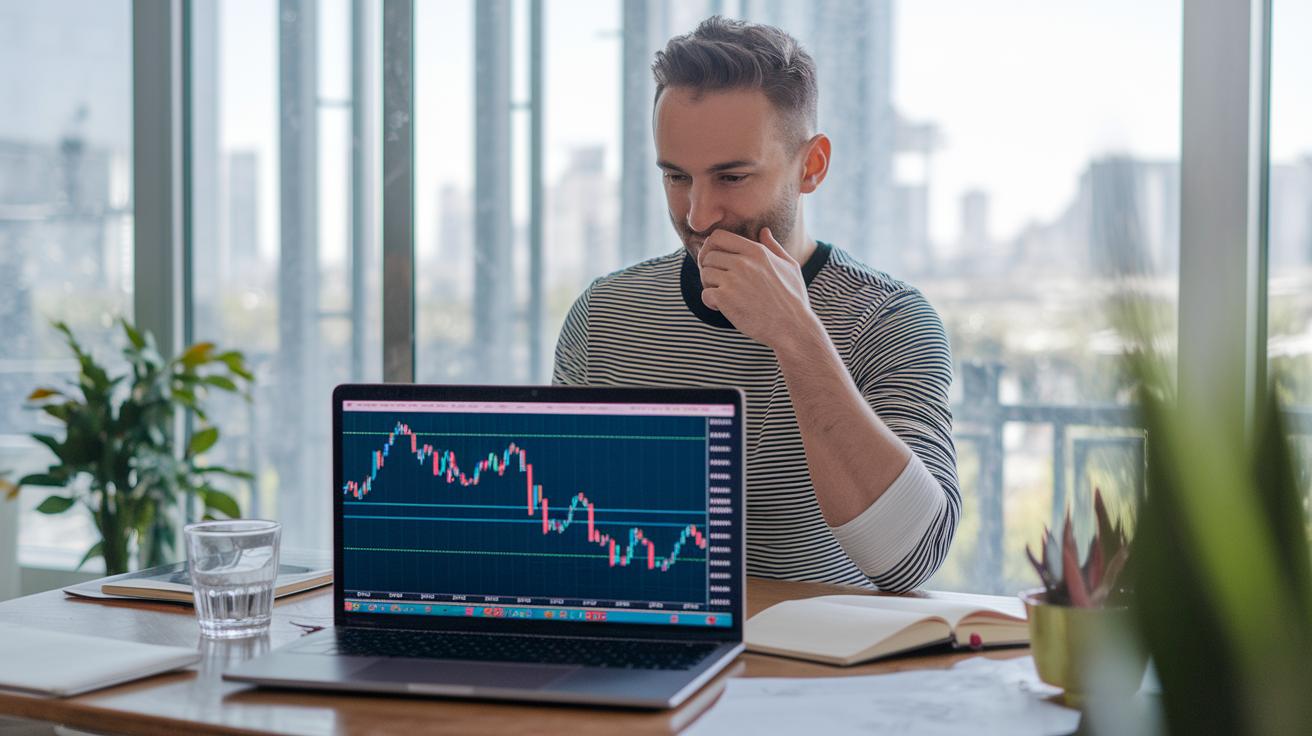
When it comes to understanding NFT values, it's smart to look at them in different ways. Each method offers a unique view so investors can get a full picture of a digital asset's worth.
Comparative Sales Analysis
In this method, we check past sales of similar NFTs to guess today's prices. It's like putting together a puzzle where every previous transaction reveals another part of the financial picture. By comparing several records, this approach helps smooth out any odd price bumps and finds a common trend.
Income-Based Valuation
This method takes a forward-thinking approach. Instead of just looking at old data, it predicts future earnings like royalties from the NFT. Imagine it as estimating how a digital concert ticket might increase in value over time. This blend of current performance and future cash flow gives a lively, more dynamic view of value.
Rarity-Weighted Scoring
In this approach, extra points are given for rare features and a creator's reputation. It's similar to judging a collector's item based on how unique it is and who made it. When an NFT stands out because of special traits or comes from a well-known creator, its appeal grows and so does its price – much like the difference between a rare baseball card and a common one.
| Model | Key Metric | Data Required |
|---|---|---|
| Comparative Sales Analysis | Historical transaction records | Past sales data from similar NFTs |
| Income-Based Valuation | Projected future cash flows | Royalty and revenue forecasts |
| Rarity-Weighted Scoring | Trait scarcity and creator reputation | Trait rarity data and creator profiles |
nft valuation discrepancy analysis Sparks Sharp Insights
The NFT market doesn't move on random whims; it's shaped by clear factors. For example, when a creator is well-respected or the community is buzzing with excitement, prices can jump up quickly. And when there aren’t many trades happening, even small orders can cause big swings.
Incentive programs like Blur's airdrop have shown this in action. On February 22, 2023, trading volume soared to 74,550 ETH because of such a program. At the same time, the overall mood in the community, measured by simple sentiment indicators, can shift fast and change how digital assets are priced. All these dynamics make it tough to pin down a steady value for NFTs.
- Rarity scoring
- Community sentiment
- Illiquidity effects
- Marketplace incentives
- Creator brand
- Market hype
When rarity scoring aligns with strong community sentiment, even modest NFTs can see a sharp rise in value. But if trading activity is low, that boost might not hold, even with good incentives or a top creator behind them. Understanding how these factors mix gives us a better grasp of digital asset trends and helps in finding fairer valuation methods in this fast-moving market.
Overcoming Data Challenges in NFT Pricing Analysis

NFT marketplaces rarely share bulk data in an easy-to-use format. This means there are often gaps when trying to set the right price. Since most of the data isn’t machine-readable, it’s tough to see the full history of a digital asset. So, analysts often have to gather bits of information from many places, using custom crawlers and web scrapers to track both the traits and sale details. Even though they use statistical models and machine learning to fill in missing pieces, the process still takes a lot of time and work.
Creating pricing models that really work means tackling these data problems head-on. Many experts spend time sorting through messy data and tweaking their algorithms to work well with various inputs from different platforms. They use tools that range from direct API calls to special crawlers that not only track every sale but also help verify smart contracts for more reliable data.
- API integration – linking up directly with platforms to pull available transactional data.
- Scraper validation – checking the data from web scraping to make sure it’s accurate.
- Crawler design – building strong systems to extract blockchain information and verify smart contracts.
- Data normalization – unifying different types of data into one clear format for analysis.
By improving these techniques, pricing becomes more accurate because there are fewer mistakes and clearer, more complete information. As algorithms get smarter and systems are fine-tuned, they offer a cleaner view of market trends. This approach cuts down on guesswork and builds a steadier framework for checking NFT prices.
2023 NFT Market Case Studies in Valuation Discrepancies
When we look at examples from the NFT world, we can really see how market forces work. These examples help us notice when NFTs might be priced too high or too low. Focusing on moments like sudden trading spikes and drops in active buyers gives us a clearer picture of how tricky NFT valuation can be.
| Event | Metric | Valuation Impact |
|---|---|---|
| Blur Airdrop Surge | Trading volume: 74,550 ETH | Brief but sharp price jumps |
| Active Trader Decline | Trader count: 11,187 | Raised liquidity risks and more price swings |
| Royalty Wars | Shifts in blue-chip royalty volume | Pressure on price margins and lower fee levels |
| Asset Distribution Imbalance | $3,893 average vs. $1,459 median | Outlier deals skewing the market view |
These case studies show that gaps in NFT pricing are common. The Blur airdrop, for instance, caused a spike that only lasted briefly, showing how short-lived events can push prices up. Meanwhile, fewer active traders point to risks with liquidity and market stability. Royalty fights between big names like Blur and OpenSea show that even fee changes can shift the playing field. And the big gap between average and median prices tells us that unusual sales can really change how we see the market. All in all, these moments remind us that NFT pricing is layered and sometimes hard to predict, whether you’re new to the game or a seasoned trader.
Standardizing NFT Valuation with Machine Learning Frameworks

Machine learning is changing the way we set NFT prices by processing huge amounts of data. It looks for trends and helps cut out personal biases. By mixing old sale records with today's market conditions, it gives us a clearer idea of price moves.
This new tech helps investors see past the noise. It offers a more straightforward view of market trends and smooths out the ups and downs of digital asset values.
Here are some key steps in how this all works:
| Step | Description |
|---|---|
| Data sourcing | Collecting lots of information from different NFT marketplaces and platforms |
| Feature engineering | Picking out important details like rarity scores and trading volumes |
| Model validation | Checking our predictions against past sales to keep them accurate |
| Continuous calibration | Regularly updating our models as new data comes in |
| Transparency reporting | Clearly sharing methods, data sources, and performance for everyone to see |
Looking ahead, the future of NFT appraisals looks bright. As machine learning keeps improving, our models will probably become even more reliable. With clear data and regular updates, we can expect a fairer pricing process that builds more trust in the digital asset market.
Final Words
In the action, we explored how scattered data and varying market forces cause NFT price gaps while comparing valuation models and reviewing key market case studies. We also discussed ways to improve data collection and use machine learning to clarify pricing trends. All these insights come together with nft valuation discrepancy analysis as a guide for smarter decision-making. The market may be volatile, but every challenge brings a chance to learn and grow in the digital asset space.
FAQ
Q: What can NFT valuation discrepancy analysis resources (PDF, 2021, 2022, free) reveal?
A: NFT valuation discrepancy analysis resources show that pricing differences stem from scattered data and no clear pricing framework. They offer insights into how subjective factors impact NFT values.
Q: What is the biggest problem with NFTs?
A: The biggest problem with NFTs is that a lack of clear valuation standards forces prices to vary widely, with data spread across many platforms and driven by subjective factors.
Q: How much is the 69 million NFT worth now?
A: The NFT once valued at 69 million shifts in worth based on market mood and trading activity. Current value hinges on timing, buyer sentiment, and recent market trends.
Q: Are NFTs still valuable in 2025?
A: NFTs may continue to hold value in 2025 as market sentiment, collection uniqueness, and active community interest shape ongoing pricing, though value levels will differ from asset to asset.
Q: How do you determine if an NFT will be valuable?
A: Determining NFT value involves checking rarity, creator reputation, sales history, and community sentiment to gauge market appeal and price stability over time.