
Ever notice how one tweet can send the NFT market into a frenzy? NFT social sentiment analysis listens to live opinions on platforms like Twitter and Discord. It shows us the community's mood right away, whether people are excited or feeling a bit cautious.
This real-time method picks up on changes that regular charts might miss. It helps explain why prices can suddenly jump or dip in NFT projects.
So, have you ever wondered if online chatter could point to the next big surge in digital asset value? Let's dive into how these trends give us fresh insights and a new way to look at NFT market shifts.
nft social sentiment analysis Sparks Market Momentum

Social sentiment analysis for NFTs means keeping an ear to the ground on social media. It’s about watching what people say online about digital assets. By tracking posts, comments, and interactions, we can spot moments when opinions swing strongly positive or negative. For instance, in 2022, one surprising surge in social media chatter led to big price movements in many NFT projects.
Tracking the mood on sites like Twitter, Discord, and Telegram fills in gaps that old charts might miss. Charts show us what happened in the past, but real-time online buzz displays the community's current feelings. Simple signals like more likes, retweets, or live discussions can point to trends brewing in the market. By comparing today’s social activity with historical price data, experts can sometimes flag red alerts or good buying moments before the charts do.
In 2022, it was clear that a lively online community powered market momentum. When investors noticed strong social signals, they reacted quickly, and that energy helped drive prices up. In short, when a project gets a lot of genuine, excited conversation, it often hints at a coming rise in demand and value. Another interesting fact: many NFT market rallies in 2022 were sparked by virtual buzz and community enthusiasm, sometimes even outpacing traditional methods in predicting market trends.
Key Community Sentiment Metrics for NFT Analysis

When we stick to standard numbers, it's easier to see what people really think about NFTs. These figures help investors compare different projects in a clear, consistent way.
We use tools that read online chatter and turn it into simple numbers you can understand. This can help you spot changes in mood almost as soon as they happen. For example, if you notice a sudden burst of mentions on Twitter, it might mean there's growing excitement, even before traditional charts show it.
- Mention Volume – This counts every time a project is talked about, showing how often it's discussed.
- Polarity Score – This tells you if the language used is mostly positive or negative, setting the overall mood.
- Engagement Rate – This measures actions like likes, retweets, or replies per post to gauge how active the conversation is.
- Trend Velocity – This shows how quickly opinions and feelings are changing over time.
- Source Diversity – This looks at the number of different channels and users contributing, giving you a broad look at opinions.
How you use these numbers really depends on your investing style. If you're on the lookout for early signals, trend velocity is a big help. But if you're trying to capture the overall energy in the community, mention volume and engagement rate are key. By matching these metrics with past data and what you know about each project, you can filter out the noise and spot the real shifts. This balanced way of looking at things makes it easier to make smart choices in our fast-moving digital space.
Platforms & Tools for Analytical Sentiment Platforms
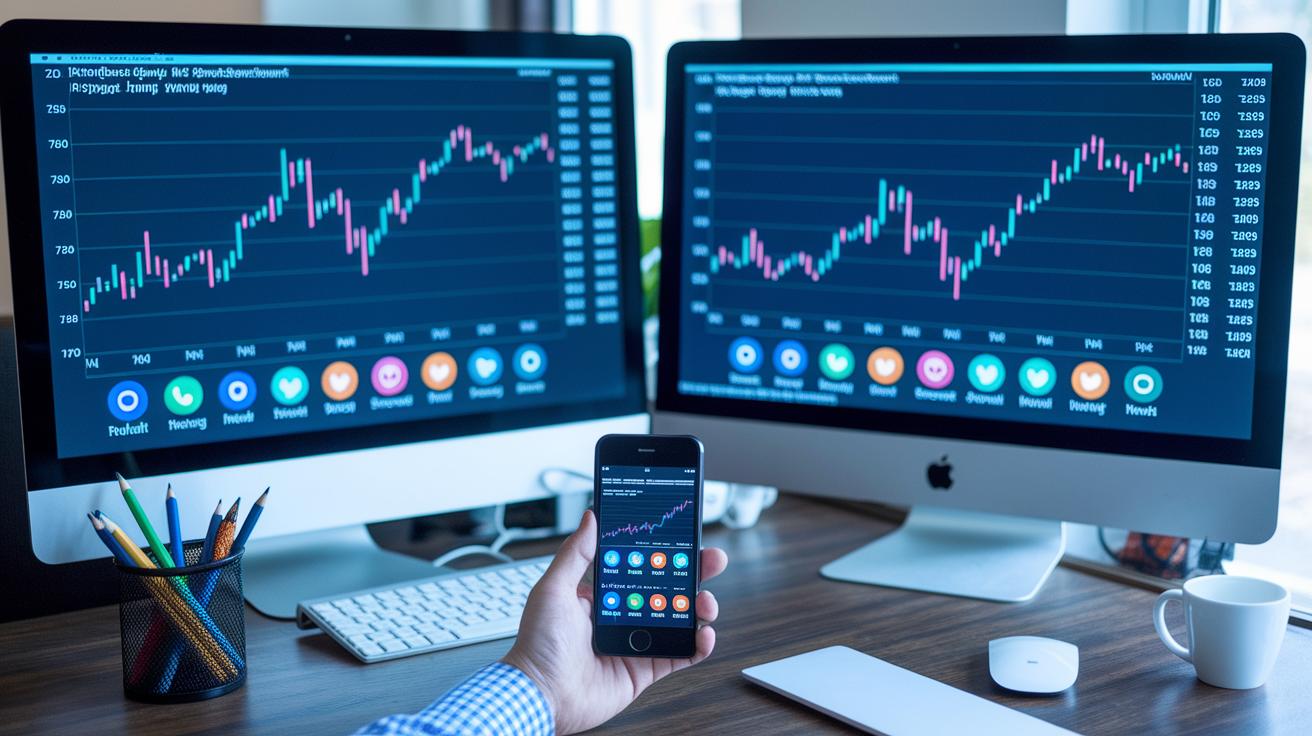
When you choose a tool to check NFT sentiment, several things matter. First, your tool should gather data from many places like Twitter, Discord, and Telegram. It needs to capture a full view of the market mood. Next, updates should come fast, real-time or almost real-time, so you can catch trends as they start.
It also helps if the tool uses smart methods. Instead of only showing price charts, advanced options mix social sentiment with NFT floor prices and even track changes in volatility. Some specialized services, like market sentiment analysis offered at NFT Cellar (https://nftcellar.net?p=1312), combine these layers to give sharper insights.
| Platform Name | Key Features | Data Sources | Pricing |
|---|---|---|---|
| Floorprice Finance | Merges social sentiment with NFT floor prices and volatility stats | Social media and blockchain data | Subscription-based |
| CryptoMood | Offers real-time sentiment scoring and trend insights | Twitter, Reddit, Discord | Freemium with premium options |
| LunarCrush | Tracks social media actions with influence metrics | Twitter, Telegram, YouTube | Tiered pricing plans |
| Dune Analytics Sentiment Dashboards | Provides custom dashboards that highlight community engagement | Various crypto channels and APIs | Usage-based costs |
Each platform has its own strengths and weaknesses. For example, Floorprice Finance stands out by putting together different data types to help spot market shifts quickly. CryptoMood and LunarCrush keep things easy to use, though they may not give as deep a look as others. Dune Analytics lets you build custom dashboards, which is great if you like to dig deep, but it might feel a bit tricky at first.
When you add these tools to your strategy, think about how they match your trading style. Using fast alerts and comparing the information from different tools can help avoid false signals. Matching the update speed and data variety with your strategy will boost your decision-making confidence.
Case Studies: Cryptocurrency Sentiment Research in Action
Real-life examples show how checking the mood on social media can hint at market moves. By watching tweets, mentions, and online conversations, investors can spot key moments when the market starts to shift. Studying both online chatter and standard market data helps you notice signals that simple charts might miss.
Take the CryptoPhunks case. Social media data picked up a big jump in online chatter – Twitter mentions shot up by 40%. This burst in excitement was soon followed by a 25% rise in the NFT’s floor price. In short, the online buzz directly lined up with a market move.
Then there’s Floorprice Finance. Here, using several indicators together, like a calm market paired with a rising online mood and higher floor prices, pointed to a solid breakout of 30%. This mix of data made it clear when it was a smart time to act, showing how sentiment analysis can really guide investor decisions.
These stories teach us a few lessons. Timing matters a lot when the online mood spikes. Mixing different signals, such as sentiment levels, engagement numbers, and price floors, can make market predictions more reliable. A sudden uptick in chatter might warn you of an upcoming price jump, while combining many data points can uncover great opportunities. Essentially, layering these signals helps investors cut through the noise to focus on real market changes.
For more details on these methods, check out digital finance case studies.
Impact of Online Behavior Sentiment on NFT Valuation Trends

People chatting on Twitter or Discord can really move NFT prices. When the mood online gets upbeat or turns sour, it often makes buyers and sellers react fast. For example, a burst of positive tweets might lift an NFT collection’s floor price by 20% in just a few hours. Isn’t it wild how quickly things change?
Analysts keep an eye on social media chatter along with big news like protocol updates or celebrity comments. They track spikes in online sentiment to spot moments when the market might make a sharp move. Have you ever seen how one influential tweet can trigger a rush in buying or spark big debates?
Here’s what can cause these price shifts:
| Trigger | Market Effect |
|---|---|
| Rumor-driven buzz | Short-term speculator activity |
| Influencer endorsements | Quick jumps in floor prices |
| Community debates | Spikes in volatility |
| Protocol updates | Sustained liquidity inflows |
Market observers now use smart algorithms to sift through everyday chatter and pinpoint the signals that really matter. They mix mood metrics with historical price data, which helps make sense of the waves in NFT trends. It’s like having a friendly guide who helps you read the market’s mood.
Actionable Investor Mood Analysis & Market Mood Indicators

You can spot market moves early by watching how people react online. For example, if you see engagement rise by about 5% in a month, it might be a good time to consider buying. Mix these mood signals with trends like the lowest price levels and trading volumes, and you get a clear snapshot of the market's feel.
By setting clear rules for how much engagement or sentiment you need, you lower the risk of false alarms. It’s kind of like having a weather forecast that helps you decide when to act. Simple rules and regular reviews keep you on track with sudden changes, so you always feel in control of your investments. And when you use these methods, stick with trusted sources to sharpen your strategy.
- Pick the channels you want to watch and set up alerts.
- Decide on the right levels for engagement and sentiment.
- Combine those feelings with data on price floors and trading volumes.
- Test these signals against past market events.
- Create clear buy and sell rules based on your combined indicators.
- Review and tweak your settings every month.
Keeping your strategy fresh by checking it against new market data is key. This steady routine helps you tell when a move is real and when it’s just background noise. Following these steps gives you a clear plan, so you can make thoughtful investment choices without the frantic reactions. It’s all about staying ahead and trusting that your analysis reflects both the big picture trends and the little shifts in market mood.
Forecasting NFT Trends with Predictive Mood Modeling

Have you ever wondered how we might peek into the future of NFT prices? Using machine learning, basically computer programs that learn from past data, we can look at old online chatter to guess where NFT prices might go. These tools pull in clues like how many times NFTs are mentioned, the overall tone of these mentions, and how much people are interacting online. It’s like getting a feel for the market’s mood before it jumps.
Usually, these models manage to hit around 65% accuracy when predicting price moves. When the online mood spikes two or three weeks before the price peaks, traders get an early heads-up to tweak their strategies. It might sound exciting, and it often is, but there are still bumps along the way.
Sometimes the surrounding noise on the internet and sudden shifts in what people say can throw off forecasts. To keep things on track, experts routinely check their predictions against past NFT trends and adjust their models. In short, blending this technique with other analysis methods gives a clearer picture than traditional charts alone.
| Step | Details |
|---|---|
| Data Inputs | Social mentions, sentiment, and engagement levels |
| Algorithm Selection | Random Forest or LSTM networks |
| Validation Steps | Back-testing on previous NFT cycles |
Final Words
In the action, we explored how understanding NFT social sentiment analysis can guide market moves. We broke down key metrics, tools, and real-life case studies to show how community chatter can signal price changes. The insights help investors spot trends, blend data and social cues, and adjust strategies for a more informed approach. Reflecting on the detailed techniques, it’s clear that this method can add a valuable layer to your strategy. Keep an eye on social moods to stay ahead and boost your confidence, embracing each market shift with optimism.
FAQ
Frequently Asked Questions
Nft social sentiment analysis pdf
The NFT social sentiment analysis PDF explains how online chatter and engagement metrics indicate trends in NFT prices. It breaks down key factors like mention volume and sentiment polarity for clear market insights.
Nft social sentiment analysis free
The free NFT social sentiment analysis offers basic insights into community mood without a cost. It uses data from platforms like Twitter and Discord to signal shifts in market sentiment.
Is the NFT legit?
The legitimacy of an NFT is confirmed by checking community engagement and verified market data. Social sentiment metrics, alongside creator reputation and trading records, help indicate a project’s authenticity.
Is NFT worthless now?
Evaluating NFT value involves monitoring social sentiment and market trends. Low engagement combined with negative chatter can hint at reduced value, urging investors to research before drawing conclusions.
Can ChatGPT do sentiment analysis?
ChatGPT can assist with sentiment analysis by summarizing social chatter and extracting key phrases. However, it works best when used alongside specialized tools designed for in-depth financial analysis.
How to explain NFT to someone?
Explaining an NFT starts with noting it’s a unique digital asset verified by blockchain technology. It often represents art or collectibles, and its value can be influenced by community sentiment and market activity.