Ever thought that digital art could open the door to solid returns? NFTs, unique digital assets stored on a digital ledger, aren't just quirky internet pictures anymore. Big names and record-breaking sales now back them up. This guide walks you through how blending art with digital finance could boost your growth, much like spotting a small startup turning into a major player. Stick with us as we dive into how smart research in NFT investments might help set the stage for profitable returns.
nft investment guide: Prosperous Returns Ahead

NFTs are one-of-a-kind digital items secured by a digital ledger technology called blockchain, usually on Ethereum. They can be art, music, or any creative work. At first, NFTs were just quirky online images. But now, both art lovers and investors see them as more than just a fun novelty.
Big names like famous brands, venture capitalists, and celebrities are getting in on the trend. When well-known people support digital art, it shows that NFTs can be a smart investment choice. It’s a bit like watching a small startup grow into a trusted business.
There have been some eye-opening success stories. For example, a Cryptopunk was once sold for less than 1 ETH, now, that same series has become a gold mine for many. One piece, Punk 7804, sold for $7.5 million! These examples remind us that, with the right market signals and quality digital art, NFTs can bring big returns.
Investing in NFTs lets you step outside the usual world of stocks and bonds by mixing art with digital finance. But remember, these investments can be a wild ride too. Prices can spike high and then drop suddenly. So, while the idea of owning unique digital art is exciting, it pays to do your homework and be ready for ups and downs.
Evaluating NFT Projects: Proven Techniques

When you're checking out NFT projects, always start by setting a clear list of things to look at. First, make sure you know the NFT's story by verifying its on-chain records. That means looking at wallet addresses and knowing when it was minted. It's like checking a birth certificate for digital art.
Then, keep an eye on simple numbers like the floor price and the 30-day trading volume. These numbers help you see if there's strong market interest and if the NFTs are easy to trade. Also, check out rarity scores to understand how unique an NFT is. And don't forget to consider who made it, knowing an artist's reputation can give you clues about quality and long-term potential.
Tools that track blockchain records and contract audits can give you more details about an NFT's past. You might also notice that big names like CryptoPunks or Bored Apes usually keep a steadier performance. All these details together create a smart way to look at NFT projects, balancing a cool art token with the risks of digital assets.
| Factor | Why It Matters | Data Source |
|---|---|---|
| Authenticity | Confirms originality using on-chain records | Blockchain explorers, mint dates |
| Floor Price | Shows the basic market value | Marketplace stats |
| Trading Volume | Gives a feel for market liquidity and interest | OpenSea NFT |
| Rarity Score | Highlights how unique or scarce the NFT is | Specialized analytics tools |
| Creator Reputation | Reflects the artist’s history and credibility | Market reviews, historical data |
Focus on the numbers that match your investment style. Start with checking authenticity and floor price to build a solid ground for any NFT investment decision. Have you ever noticed how clear data can make choosing easier? That's the key to smart and informed decisions.
Step-by-Step NFT Purchase and Setup Guide

Buying an NFT might sound tricky, but it really comes down to a few clear, secure steps. First, you set up a crypto wallet like MetaMask and get some Ethereum ready. This is your starting point for secure digital transactions.
Next, you want to pick a trusted NFT marketplace. These platforms usually have fees between 2.5% and 5%. Whether you’re going for a fixed price or diving into an auction, each step is designed to keep things simple and safe for new investors.
- Install and secure your crypto wallet. For instance, download MetaMask, create a strong password, and make sure to back up your seed phrase. Think of that phrase as your secret key to your digital funds.
- Buy Ethereum on an exchange. ETH is the main cryptocurrency used in most NFT projects, so having it means you’re all set for transactions.
- Choose an NFT marketplace. Look around for platforms that feel right for you and offer reliable services.
- Connect your wallet to the marketplace. Follow the simple prompts on the site to safely link your wallet.
- Decide between a fixed-price sale or an auction. Whether you prefer a steady price or the thrill of bidding, the choice is entirely yours.
- Confirm and watch your transaction. Once you finalize your purchase, keep an eye on your NFT until it’s officially recorded on the blockchain.
Each of these steps is like a small move toward entering the exciting world of NFTs. Enjoy the journey, and don’t hesitate to ask, “Am I ready for the next step?” Enjoy exploring!
Analyzing NFT Market Trends and Forecasting

Back in 2021, NFT sales soared from $100 million in the first quarter to $2.5 billion by the end of the year. This huge jump shows how quickly digital art and NFT investments grabbed people’s attention and changed the game. Many believe these numbers point to a major shift in the wider crypto market. It’s fascinating to see how something once seen as a fun idea has turned into a big investment trend.
Investors today use simple tools to keep an eye on these markets. They check on-chain trading volumes, which are just numbers that show how many transactions happen on the blockchain, a digital ledger that records all these trades. They also look at social buzz to see what excites buyers. A quick peek at Google Trends can show rising interest in certain NFT projects, helping everyone understand which digital art drops are catching fire. Many crypto platforms even offer clear visuals to show daily price moves and trading volumes, making it easier for both newcomers and experienced traders to stay in the loop.
Watching NFT trends also means seeing how projects evolve over time. Right now, many people are focused on profile-picture projects, gaming NFTs, and tokens with extra perks. The market often goes through phases like excitement, small corrections, and slow build-ups before a new rally starts. By keeping an eye on these shifts and combining numbers with social chatter, investors can decide when to jump in or step back. It’s all about spotting chances and being ready when the market turns.
Risk Management and Portfolio Diversification for NFT Investments

NFT investments can feel like a roller coaster ride. You might see small collections swing more than 100% in just one week because of sudden news or shifts in trends. It’s a reminder that the digital art market is full of ups and downs, and keeping an eye on the signals is key.
Mixing different kinds of NFTs can help you tame this wild ride. Think of it like making a salad from various ingredients, a blend of well-known pieces like CryptoPunks or BAYC with smaller or emerging projects can balance out the risks.
Tracking your NFT investments is easier when you use tools like DappRadar or Zapper. These platforms show you real-time performance data across different blockchains, making it simpler to decide if you should sit tight or sell off a piece of your collection.
And don’t forget about taxes! When your NFTs earn you profit, treat those as capital gains. Keeping detailed records of every transaction helps not only with long-term planning but also means tax time is less of a headache.
Advanced NFT Investment Strategies and Opportunities
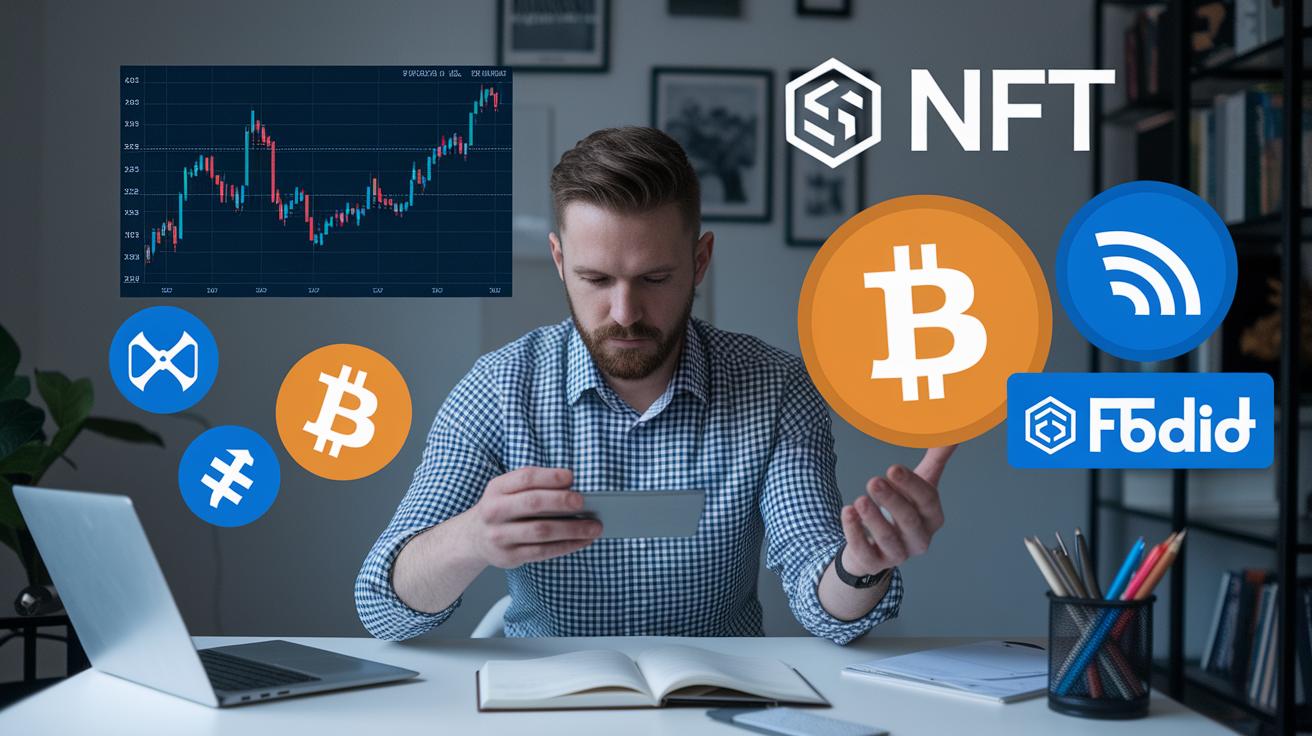
If you’re an experienced investor, you might want to look past basic NFT buys and explore some crafty ways to boost your returns. You can try minting new NFT drops, fractional ownership, or even staking your NFTs with decentralized finance protocols. Think of these moves as different plays in a seasoned investor’s game plan.
Minting new drops is like getting in on a secret sale before everyone else does. When you jump in early, you might snag some promising assets for a much lower cost, just like those early Cryptopunk mints that cost less than 1 ETH. By getting in early on these drops, you could see your assets grow in value later on. And with fractional platforms, you don’t need to buy a whole NFT. Instead, you can buy a piece of a well-known asset, which opens up a whole new world of opportunity that might have felt out of reach before.
NFT staking is another interesting strategy. This lets you earn a yield just by holding your NFTs, so your assets are working for you even when they’re sitting idle. Plus, you might consider investing in projects from up-and-coming artists. It can be a bit of a gamble, but if the creator proves their worth on-chain and builds a good track record, those high-yield art tokens might pay off big time.
Tools, Resources, and Case Studies in NFT Investing

NFT investing isn’t just about snapping up digital art. It’s also about using the right tools and learning from real-life examples. By turning to platforms that track floor prices and keep snapshots of your portfolio, you can watch market trends and make simpler, smarter choices. This kind of approach helps keep you safe from risks like rug pulls when you also check smart contract details carefully. Many investors find that seeing past successes of leading NFTs really helps them understand the game.
Portfolio Tracking Platforms
Tools like DappRadar and Zapper let you see how your NFT collection and other DeFi assets are doing in one clear view. They show you floor prices, trading volumes, and the total value of your investments. This makes it easy to notice when things change and spot any bumps along the way. Picking a platform that reviews your blockchain assets thoroughly can really simplify comparing different NFTs and tracking market movements.
Notable Case Studies
- Cryptopunk 7804 started off as an NFT bought for less than 1 ETH and later jumped in value to $7.5 million. It shows how early moves can really pay off.
- The Bored Ape Yacht Club began at around 0.08 ETH and climbed to over 100 ETH. This case highlights the power of projects that build a strong community and lasting value.
Keeping up with your education and staying active in community discussions is key. Chatting in forums, following the latest market news, and studying case studies can really boost your digital asset research skills while keeping you aware of common crypto mistakes.
Final Words
In the action, we explored NFT investment foundations, project evaluation, and the practical steps behind buying NFTs. We broke down market trends, risk management, and smart strategies for portfolio diversification.
This nft investment guide gave a clear walkthrough from setting up a wallet to advanced approaches. Our discussion paired real-world case studies with hands-on tools, leaving you with optimistic steps to strengthen your digital asset approach. Enjoy the bright prospects ahead!
FAQ
What is an NFT investment guide for beginners?
An NFT investment guide for beginners introduces you to digital assets, explains blockchain basics, and outlines simple steps for buying and managing NFTs, making it easier to start building an alternative investment portfolio.
What is an NFT investment app?
An NFT investment app offers a user-friendly platform to browse, buy, and monitor NFTs, often integrating crypto wallets and real-time market data to help manage your digital art collection efficiently.
What are the risks of investing in NFTs and why might some consider them a bad investment?
The key risks of NFT investing include severe price volatility, market uncertainty, and liquidity challenges. These factors can lead some to view NFTs as a poor investment option compared to more stable asset classes.
How can I trade NFTs?
Trading NFTs involves buying and selling digital assets on online marketplaces. This process requires a crypto wallet, Ethereum for transactions, and a grasp of market trends to optimize your trading decisions.
How do I sell an NFT on Trust Wallet?
Selling an NFT on Trust Wallet means connecting your wallet to a supported marketplace, selecting your NFT, and following the prompted sale process step-by-step to complete your transaction.