
Ever wonder if NFTs might really turn investments into success stories? Take projects like SolarShare and Ukraine DAO for example, they show how digital tokens on a secure digital ledger (a safe record-keeping system) can build real value.
In this piece, we dive into real examples where smart timing and quick sales have paved the way for bold profit opportunities. We look at key numbers, clever ways to assess risk, and hands-on strategies that help explain why some NFT projects do better than others. Have you ever noticed how a small change in strategy can make a big difference? This friendly guide gives you valuable insight into a market that’s always on the move.
Comprehensive NFT Investment Case Studies: Performance, Risk, and Strategic Insights

| Project | Sector | Key Metric | Outcome |
|---|---|---|---|
| SolarShare | Renewable Energy | Immediate sales via AI-driven NFT launch | Scalable growth and market entry achieved |
| Blazed Cats | Art & Charity | 25% of mint profits & 10% of secondary sales donated | Over $300,000 raised for Mental Health America |
| Ukraine DAO | Social Impact | NFT sale of Ukrainian flag | $8 million raised, contributing to broader crypto donations |
NFTs are like digital certificates of ownership stored on a secure record system called a blockchain, which helps keep them safe and easy to verify. When a creator makes these tokens in what’s called the primary market, collectors and investors can later trade them in the secondary market. It’s a bit like getting a limited-edition trading card and then swapping it with friends.
A look at 2 million NFT transactions shows that returns can vary a lot. For example, projects like CryptoPunks and Bored Apes tend to offer really high returns compared to many other digital assets. SolarShare, for example, saw quick sales thanks to an AI tool that helped target blockchain fans. They used a smart, automated system to manage the whole process in a clear way. It’s similar to comparing a quick flip of a toy to a longer strategy where you watch its value grow over time.
Liquidity is key, too. Being able to trade an NFT quickly can make a big difference in how risky an investment feels. Big digital art projects usually have a more active market, while smaller, novel projects might take a bit more time to catch on until enough people know about them.
Here are a few things to keep in mind:
- Market ups and downs can really affect returns.
- Some investors look for quick flips, while others plan on holding for a long time.
- Merging digital asset data with smart risk checks can help make better investment choices.
Have you ever wondered how these market shifts might change your own strategy? It all comes down to balancing risk, understanding liquidity, and being prepared for how fast things can change.
SolarShare NFT Investment Case Study: Renewable Energy on the VeChain Blockchain

SolarShare, located in Bahia, Brazil, is paving the way by offering NFTs that represent a stake in solar energy projects. These digital tokens are backed by the $SOLAR token on the VeChain blockchain, blending thorough project reviews with innovative token design. Their smart contracts handle ownership details and returns automatically. Imagine owning a slice of a solar project as it powers up with clean energy.
When starting out without a ready sales team, SolarShare joined forces with PUNKU.AI’s AI Salesperson solution. The AI reached out directly to investors eager about renewable energy and blockchain together. This led to quick sales and a strong base for future growth. It’s a smart mix of modern blockchain trends and effective tech strategies that attracted market attention right away.
Performance reviews show that precise token design and automated contracts not only keep investor funds safe but also streamline later market trades. The speedy sales turnaround highlights how technology can boost emerging asset classes. By bringing in an AI sales approach, SolarShare turned its market entry into a winning move that clearly demonstrates the benefits of smart technology in green energy investments on a blockchain network.
Charitable Impact NFT Case Studies: Social Causes and Proceeds Analysis

Blazed Cats has really shown what it means to give back by donating 25% of its mint profits and 10% of secondary sales royalties to Mental Health America, raising over $300,000. This project proves that digital collectibles can do more than just grow in value, they can make a real difference. Just picture owning a rare collectible that not only becomes more valuable over time but also supports mental health every time it’s traded.
Ukraine DAO made a bold move by selling an NFT of the Ukrainian flag. Their effort raised $8 million and contributed to a total pool of $54 million in crypto donations. It’s like collecting a piece of digital history that carries deep meaning and real-world support.
ARTXV is another exciting project that helps neurodiverse artists share their creativity while pushing for a more open, decentralized art scene. They use smart contracts (automated computer agreements) to manage donations, which makes the whole process clear and smooth. This smart setup means more funds go directly to charity without any extra hassle.
Here are some things to remember:
| Key Point | Explanation |
|---|---|
| Transparent Donations | Smart contracts make giving easy and open |
| Innovative Funding | Creative models help keep digital collectibles rare |
| Investor Appeal | Supporting social causes boosts market interest |
These examples show that when you mix charity with NFTs, you can see impressive financial benefits while shaping market trends and influencing investor choices.
NFT Market Cycles and Volatility: Case Study Analysis of Boom and Bust
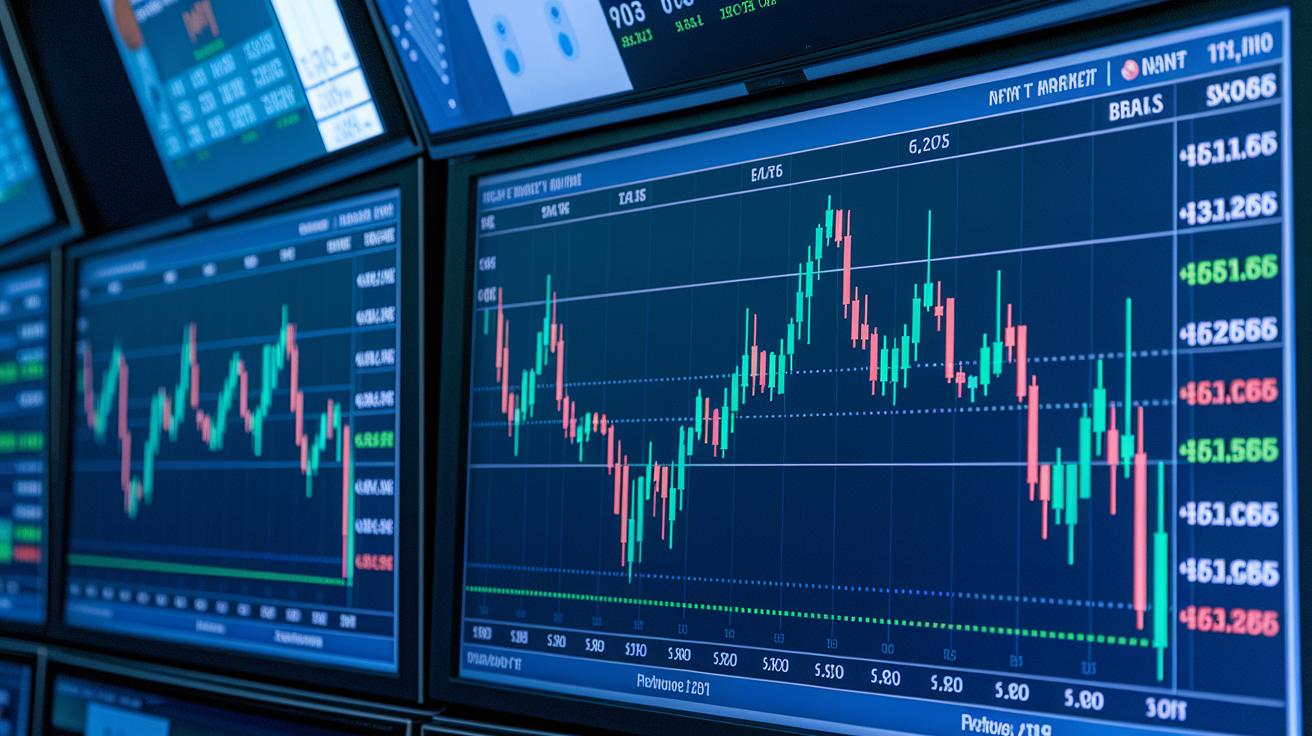
After studying over 2 million NFT trades, clear trends in the market cycles come to light. We see that when digital assets quickly rise in value, they often drop just as fast. Historical charts show that rapid price jumps usually lead to sharp corrections, which tells us that the market is strongly influenced by investor mood and speculation.
During these wild fluctuations, some NFT projects bounce back fast while others take longer to recover. For instance, one cycle saw prices drop more than 40% in just a few days before slowly improving. Auction results also show that trading on the secondary market is very sensitive to market shifts. Basically, chasing big rewards comes with big risks.
Another factor to consider is the high energy use linked to proof-of-work systems [a method that secures digital transactions by solving complex puzzles]. This heavy energy demand raises concerns about sustainability and long-term market feelings. Nowadays, investors are looking at both price risks and environmental impact, which can make market trends hard to predict.
Historical reviews of NFT collections reveal that while some recover quickly from downturns, others remain weak for a longer time. These auction insights remind us that managing risk isn’t just about handling quick price swings, it’s also about understanding deeper market factors.
Remember these key ideas:
- NFT markets can change very quickly, creating fast entry and exit opportunities.
- Past performance can offer clues on how fast a market might recover.
- Early trends in the secondary market may hint at wider market shifts.
These case studies show that boom and bust cycles aren’t random, they follow clear patterns. Though the market’s ups and downs can be challenging, they also offer smart investing opportunities when you manage risk with care.
NFT Liquidity Mechanisms: Staking, Borrowing, and Lending Case Studies

Staking is a cool way to make your NFT work for you. When you stake an NFT, you earn extra tokens over time, much like getting interest from a bank savings account. It turns an idle digital asset into a tool to generate returns even when you’re not selling it.
Another smart method is collateralized borrowing. In this case, you use your NFT as security to secure a short-term loan, much like using a car title to get a quick loan when you need cash. The process is handled automatically by smart contracts (self-executing digital agreements), which take care of the loan details and repayments without the hassle of paperwork.
Then there’s peer-to-peer lending. This system lets NFT owners lend out some or all of their tokens directly to other investors. It not only boosts trading activity but also allows fractional ownership, think of it like sharing a delicious pie so more people can have a slice.
| Mechanism | How It Works |
|---|---|
| Staking for Yield | You earn extra tokens by staking your NFT, similar to earning interest on a savings account. |
| Collateralized Borrowing | Your NFT acts as collateral for a short-term loan, with smart contracts handling the details automatically. |
| Peer-to-Peer Lending | You lend your NFT or parts of it directly to others, making expensive assets available in smaller pieces. |
Lessons and Strategies from NFT Investment Case Studies: Optimizing Portfolios and Managing Risk

Smart NFT investing is all about blending thorough research, thoughtful risk-taking, and clever technology. One big takeaway is to pick digital assets that are active in the marketplace and use secure smart contract practices (smart contracts are automated agreements that run on a blockchain, which is a digital ledger). I like to think of it like a fun fact: remember when Thomas Edison tried hundreds of ideas before hitting success? It reminds us that a bit of trial and error, when done wisely, can lead to great rewards.
Another tip is to watch the market and jump in when trends suggest growth. If you use tools like machine learning for market sentiment (this means using computer programs to gauge the mood of the market), you can figure out the best time to invest. This smart timing can help your portfolio stay solid even when the market gets bumpy.
Mixing up your investments is also key. Think of it like making a balanced meal, combining digital art, charity-driven projects, and new platforms that cut costs with smart tech helps lower your overall risk. This variety not only protects you but can also open up new ways to earn, like projects that donate part of their earnings to good causes.
Managing risk means you need clear goals, like what kind of returns to expect and how long to hold your investments. It’s also a good idea to keep an eye on things like the energy use tied to some blockchain methods and try to support fair access. Paying attention to these details can help your portfolio stand strong through market downturns or changes in rules.
In short, blend modern tech with time-tested financial habits. This way, you can build a portfolio that grows steadily without getting caught up in every market swing.
Final Words
In the action, we explored nft investment case studies that blend performance reviews, risk checks, and strategic moves. We touched on renewable energy projects, social-impact models, market cycles, and liquidity tactics.
The insights show that smart strategies not only balance risk and reward but also open up fresh ways to diversify portfolios and manage uncertainty. This blend of real-world examples and data-driven insights leaves us with a positive outlook for savvy NFT investing.
FAQ
What are NFT investment case studies in 2022?
NFT investment case studies from 2022 offered insights into market performance and token structuring using historical data, real-world project outcomes, and trends observed from millions of transactions.
What makes some NFT investment case studies the best?
The best NFT investment case studies combine strong ROI, clear risk metrics, and smart contract innovations to provide investors a clear view on performance benchmarks and market liquidity trends.
How is ROI evaluated in NFT investment case studies?
ROI is evaluated by comparing initial mint prices with secondary sales, holding durations, and overall market trends, offering a snapshot of an NFT project’s performance over time.
What risk management strategies emerge from NFT investment case studies?
NFT investment case studies reveal risk management strategies by tracking market cycles, measuring liquidity, and comparing risk-return trade-offs to help investors plan for potential volatility.
How do liquidity mechanisms like staking, borrowing, and lending impact NFT investments?
Liquidity mechanisms improve access to funds by enabling staking for yield and collateralized borrowing, which in turn helps stabilize trading volumes and enhances investor returns within NFT projects.
What lessons do NFT case studies offer for optimizing investment portfolios?
NFT case studies provide strategies such as diversification, careful timing, and automated smart contracts for donations and sales, assisting investors in building balanced portfolios and effectively managing risks.