Have you ever thought about owning a piece of an expensive asset without emptying your wallet? NFT fractional ownership lets you buy just a slice of digital art or real estate, sort of like sharing a delicious pizza. This way, you can dip your toes into markets that were once only for the big players, while keeping your risk low.
It works through secure digital records that clearly track each share you own. With a smaller upfront cost and smarter ways to invest, NFT fractional ownership paves the way for smart growth in today's market.
nft fractional ownership sparks savvy growth
NFT fractional ownership lets you own a piece of a high-value digital or physical asset, like art or real estate, by breaking it into smaller, affordable parts. Imagine slicing a pizza: each piece gives you a taste of a whole masterpiece, so anyone, from a casual fan to a seasoned investor, can get in on the action, even if they can’t buy the entire item.
This process uses blockchain, which is a safe digital record that keeps track of every transaction. For example, ERC-721 tokens help track each small share, making sure every piece has a clear history. With asset splitting, investors can mix and match their investments instead of putting all their money into one expensive asset. In short, this approach opens up the market, reduces risk, and helps set fair prices as each share finds its value.
Technology Behind NFT Fractional Ownership

Fractional ownership works by splitting an asset into smaller parts, with each piece recorded permanently on a secure digital ledger called a blockchain. Smart contracts, self-running agreements programmed to act automatically, make this all possible. They issue shares, handle transfers, and enforce rules without needing any middleman. One cool example: a project once set up its tokens using a smart contract that managed every step from creation to exchange, showing just how efficient these tools can be.
Smart Contracts for Fractional Splitting
Smart contracts simplify the whole process by automating how shares are issued and transferred. They let people buy or sell fractions based on rules written in the code. Every time a fraction changes hands, it’s instantly recorded on the blockchain, making everything clear and easy to track. It’s a bit like having a digital ledger that never forgets a transaction.
Token Standards Comparison
When it comes to representing each fraction of an asset, there are mainly two approaches. One method uses a token standard originally meant for unique digital items. With this approach, each fraction is handled as a separate piece. The other method uses a more common token type that behaves like regular money, allowing for easier trading of small pieces. The first method gives distinct details about individual ownership, while the second one makes trading feel more like everyday transactions.
DApp and Platform Tools
Decentralized applications, or DApps, offer easy-to-use tools for creating, trading, and managing these fractional tokens. These platforms bring complex blockchain functions into a simple dashboard, letting even newcomers check live market prices, move ownership, and review transaction history. It’s like having a well-organized digital wallet that helps you keep an eye on your investments without any hassle.
Benefits of Fractionalized NFT Investments
Fractionalized NFT investments let more people join in by breaking expensive digital art into smaller, affordable pieces. Imagine owning just a part of a famous digital artwork, like getting a slice of a renowned painting. It makes the world of digital art investing available to many, even if you don’t have a big budget.
Each fraction is tracked using blockchain, which is a digital system that keeps a secure and clear record of every transaction. Because of this transparency, groups of investors help set a fair price for each piece, making it easier to buy and sell these assets.
Additionally, fractional investments bring fresh money into the market. As more people become stakeholders, rewards similar to dividends may start rolling in, based on the digital asset’s performance. This setup also boosts the market’s activity, ensuring smoother trading for pieces that might otherwise take longer to sell.
| Benefit | Explanation |
|---|---|
| Lower entry costs | More people can invest without needing huge amounts of money. |
| Crowdsourced pricing | Investors work together to set a fair market value. |
| Dividend-like rewards | Investors may earn rewards based on how well the asset performs. |
| Enhanced liquidity | Smoother trading occurs because the asset is divided into more manageable parts. |
Risks and Challenges of NFT Fractional Ownership
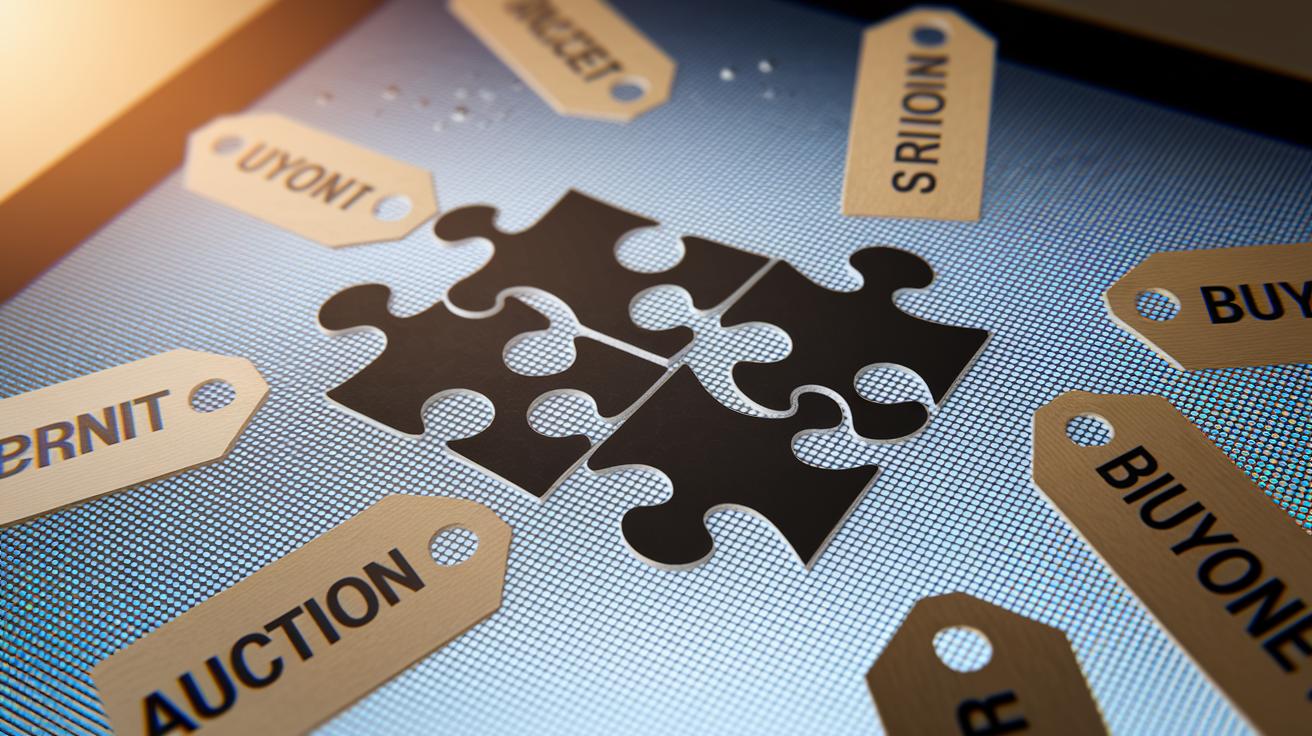
If you’re thinking about breaking your NFT into smaller digital pieces, there are a few hurdles you should know about. One main challenge is putting those pieces back together. In simple terms, reassembling your fractions into a full NFT might require you to participate in a buyout auction with a set reserve price. Imagine trying to complete a puzzle where each piece only fits if you meet strict pricing rules, this makes it tougher to figure out the asset’s true value and how quickly you can sell your share.
Another factor that might affect your returns is the fee structure. You could end up paying curator fees when you trade, and even though these fees are usually capped, they can add up if you’re making lots of transactions. On top of that, there’s the risk from smart contract glitches. These are self-operating contracts that might malfunction or get exploited, leading to unexpected losses. And don’t forget, the legal side remains a bit murky too. Governments are still trying to decide how these fractional shares should be regulated, and if they end up being treated like securities, you could face extra legal challenges.
- Hard-to-meet reassembly conditions and strict reserve pricing
- Fee structures that can eat into your returns
- Potential glitches in self-running smart contracts
- Unclear legal classifications leading to regulatory complications
Real-World Use Cases and Platforms for NFT Fractional Ownership
NFT fractional ownership is growing fast and touching many parts of the market. It lets several investors share ownership of high-value digital assets, like digital art and virtual real estate. Have you ever thought about owning a piece of your favorite digital artwork without having to buy the whole thing?
Platforms like Unicly let collectors break digital art into small, affordable slices. This change invites more buyers to get involved and share in the asset’s ups and downs. And in the world of gaming, Axie Infinity is testing the idea by splitting ultra-rare in-game items so that fans can invest without needing a big budget.
Some exciting metaverse projects, such as Decentraland and Sandbox, use fractional ownership to divide up virtual land. This means investing in the metaverse becomes easier, even for those who might be priced out of buying an entire parcel. Real estate NFTs are also changing the game. With smart contracts to back them up, these platforms make property deals smoother and more secure by cutting out the middleman.
| Use Case | Platform | Key Feature |
|---|---|---|
| Digital art shares | Unicly | Slicing high-value art into affordable fractions |
| Gaming collectibles | Axie Infinity | Fractionalizing rare in-game assets |
| Metaverse participation | Decentraland | Dividing virtual land for wider investment |
| Real estate deals | Fractional.art | Automating property transactions with smart contracts |
All of these examples show how breaking up ownership can make investing in digital assets more accessible and exciting. It’s like turning a high-priced asset into a slice of a pie that everyone can enjoy.
Market Trends and Future Outlook for Fractional NFTs

By splitting up NFTs into smaller parts, more people can join in on ownership. This means a market that used to belong to just a few is now open to many. More investors trading these parts help keep prices fair. Experts expect steady growth in this market, with more platforms and trading volume on the horizon. For example, forecasts for 2024 show a strong rise as both investors and creators get involved.
Limited-edition drops in art and fashion bring exciting opportunities that mix a feeling of belonging with a touch of exclusivity. This new approach lets smaller investors take part in prestigious releases that were once out of reach. New market players are also working hard to make trading these fractions smoother and more reliable, which boosts confidence for everyone involved. In short, fractional NFTs aren’t just a trend, they're building a strong base for fresh growth and innovation in the digital asset world.
Legal and Regulatory Considerations for NFT Fractional Ownership
NFT fractional ownership might be seen as a security, which means the usual rules for investments could apply here too. That means both creators and investors need to follow strict legal guidelines. For example, the Howey Test, a tool used in the U.S. to decide if something should be treated as a security, often helps decide if these fractional tokens fall under securities rules.
U.S. Securities Regulations
If your NFT fractions pass the Howey Test, they could be handled just like regular securities. This might mean extra legal steps for investors and creators. Knowing if your NFT fractions fall under these rules is really important because it helps you plan how to sell and trade them safely.
EU and International Rules
Over in Europe and other parts of the world, new rules like the proposed EU Digital Assets Act are starting to shape how digital assets, including NFT fractions, should be managed. These rules are meant to protect investors and keep digital assets secure. For more details, check out the explanation on the nft regulatory landscape at nftworthit.com?p=563.
Best Practices for Investing in Fractional NFTs

Assess Platform Reliability
Before you dive in, take a moment to check if the platform offers detailed audit reports. These reports show you that their smart contracts (the programs that run transactions) are secure. Look up the team’s history and see what others are saying online. A platform that has a clear past and positive reviews makes you feel a lot more comfortable knowing your digital investment is in safe hands.
Understand Fee and Buyout Mechanics
It’s important to clearly understand every fee involved, like what you pay to the platform or to the curator, before you start investing. Find out exactly how these fees kick in during trades or when pieces are put back together into a whole NFT. Make sure the rules for auctions and reserve prices are straightforward because these details can directly affect your earnings. Keeping an eye on costs and staying updated helps you squeeze out the best returns from your investment.
Diversify Across Asset Classes
Instead of putting all your eggs in one basket, mix your investments across different types of assets. You might split your funds into digital art, gaming collectibles, metaverse land, and real estate tokens. This spread not only cuts down your risk, but also means no single asset takes over your whole portfolio. By investing in a variety of digital assets, you’re opening yourself up to benefits from different market trends. Stay flexible and check the trends often to keep your portfolio balanced.
Final Words
In the action, we explored how nft fractional ownership allows you to share high-value assets by breaking them into smaller pieces recorded on the blockchain. We looked at smart contracts that handle automated trades and compared token standards that represent these fractions. We also tackled the benefits like lower entry costs and improved liquidity alongside some risks and legal concerns. These insights aim to help you build a smarter and diversified portfolio. Positive market moves and smarter strategies lie ahead.
FAQ
Frequently Asked Questions
- Q: What is fractional ownership of an NFT, and can you buy a fraction of an NFT?
- A: Fractional ownership means you can buy part of an NFT instead of the whole asset. It allows investors to share high-value items while blockchain records every share securely.
<dt>Q: What does NFT fractional ownership price refer to?</dt>
<dd>A: NFT fractional ownership price refers to the cost of purchasing a share in an NFT. It changes with market demand, the value of the asset, and overall investor interest.</dd>

<dt>Q: What is a fractional NFT marketplace?</dt>
<dd>A: A fractional NFT marketplace is an online platform where you can trade shares of NFTs. These sites lower entry costs by letting buyers purchase smaller portions of high-value digital assets.</dd>

<dt>Q: What is a fractional NFT smart contract?</dt>
<dd>A: A fractional NFT smart contract is a self-running digital agreement on blockchain that automatically handles the creation, distribution, and management of NFT shares, keeping all transactions secure.</dd>

<dt>Q: What does fractional NFT ERC mean, and who are NIFTEX, The Fractional Token Company, Hedera NFT, and Unicly?</dt>
<dd>A: Fractional NFT ERC involves adapting token standards to support NFT fractions. Companies like NIFTEX, The Fractional Token Company, Hedera NFT, and Unicly offer platforms and tools for trading and managing these digital asset segments.</dd>