Have you ever wondered if NFT exchanges are truly as exciting as everyone says? Trading digital art, music, and other unique digital items can feel like wandering through a bustling market on a sunny day.
Today, we're taking a closer look at some of the top trading platforms, comparing their fee plans and standout features. Think of it like choosing between a giant candy store and a chic boutique.
Stick with us for clear insights and honest opinions that can help you decide which NFT exchange fits your goals best.
Overview of Leading NFT Exchange Platforms

NFT exchanges have become super popular as digital art and crypto trading have moved into the mainstream. Nowadays, folks are using these sites to swap art, music, game assets, and other cool digital items. These platforms mix traditional digital art with the latest collectibles, and they each carry their own fee plans and unique features that suit different tastes. For example, OpenSea is known for its huge collection and low fees, while SuperRare keeps a tight grip on who can join, ensuring a high standard for art. It’s like choosing between a giant candy store and a gourmet shop, each one offers something special to collectors and investors alike.
| Exchange | Blockchain | Launch Year | Fee | Special Features |
|---|---|---|---|---|
| OpenSea | Ethereum | 2017 | 2.5% | 700+ projects |
| Rarible | Ethereum | 2020 | 2.5% | Open-source, non-custodial |
| Crypto.com | Ethereum & Cosmos | 2021 | Varies | Integrated exchange |
| Mintable | Ethereum | 2018 | Gasless minting option | No upfront gas fees |
| Nifty Gateway | Ethereum | – | Fixed commission | Curated drops |
| Binance NFT | BSC & Ethereum | 2021 | 1% | Linked with Binance account |
| SuperRare | Ethereum | – | Varies | 1% artist acceptance rate |
| Magic Eden | Solana/Ethereum/Bitcoin/Polygon | 2021 | Low fees | Multi-chain support |
| Foundation | Ethereum | 2021 | Varies | Invite-only quality control |
| Solanart | Solana | 2021 | Varies | Customizable tools |
| NBA Top Shot | Flow | 2020 | Varies | Sports highlights |
Each platform stands out because of its unique fee structure, the blockchain it uses (a digital ledger that records transactions), and its special focus, be it a broad collection, a strict artist vetting process, or support for multiple blockchain networks. These differences are what make the NFT exchange world so diverse and exciting. Whether you're just dipping your toes into digital collectibles or looking to beef up your crypto portfolio, there's a marketplace out there tailored to your style and strategy.
Fee Structures on Top NFT Exchange Platforms
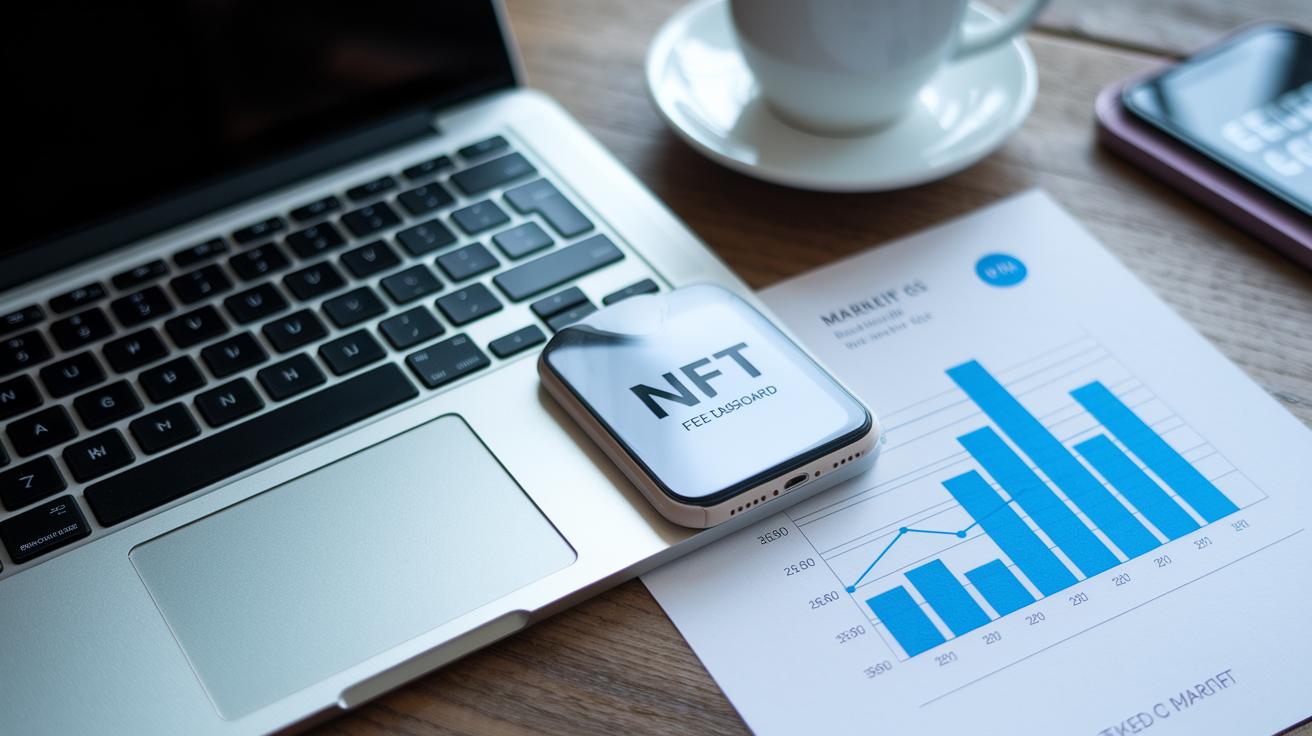
When you dive into NFT exchanges, you'll see that they usually handle fees in one of two ways. Some platforms use a fixed fee method, meaning you pay the same percentage no matter how big or small the deal is. For example, OpenSea and Rarible always take 2.5% from every trade. And if you're on Binance NFT, they only charge 1% because they work on the BSC network, which lowers costs a bit.
On the other hand, some exchanges adjust their fees based on changing market conditions. Take Crypto.com, for instance; its fee structure moves with the spot market rates, so fees can go up or down as trading activity changes. Then there’s Mintable, which makes things easier for newcomers by offering gasless minting. That means you don’t have to worry about paying upfront gas fees, even though there might be an optional service fee attached.
These fee differences really matter for traders. Lower and more predictable fees can encourage more trading since sellers can plan their budgets better. If a platform uses fixed fees, you know exactly what you’re paying, which is great for managing your spending. But if fees change with market conditions, that might work well for traders dealing with larger, high-value transactions. In short, the style of fee can play a big role in how active a platform’s trading feels and how smooth your transactions are overall.
Security Measures in NFT Exchange Platforms
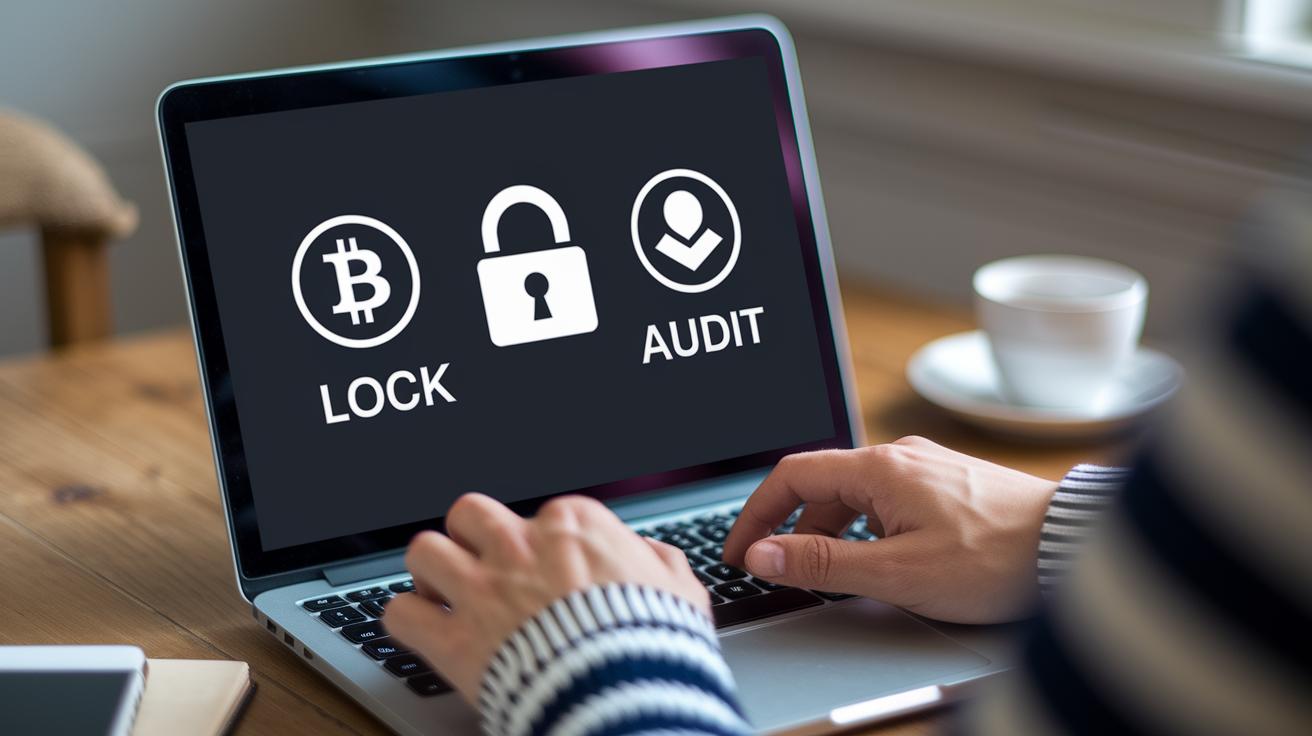
Keeping control of your wallet is key when trading NFTs. Some platforms let you manage your own wallet, which means you don’t have to trust a central company with your digital tokens. This way, you reduce the risk of hacks or issues caused by outside parties, and you stay in control in a fast-changing market.
Using smart contract audits and encrypting transactions also helps protect your investments. For example, many platforms like OpenSea check their codes for weaknesses using common Web3 tools (Web3 refers to the evolving online world where digital assets are exchanged). Rarible lets you keep full control of your wallet and uses strong methods like SSL/TLS encryption to safeguard your data. Binance NFT even uses a multi-signature approach, which spreads the security duties among several trusted holders. In short, these platforms use careful checks, including tools like the Smart Contract Security Audit Checklist, to keep everything secure.
For an extra layer of safety, it’s smart to turn on two-factor authentication (2FA). This small step makes it much harder for someone else to access your account, even if your password is leaked. And simple actions like updating your password every now and then can really boost your overall security.
Cross-Chain Support and Wallet Integration in NFT Exchange Platforms
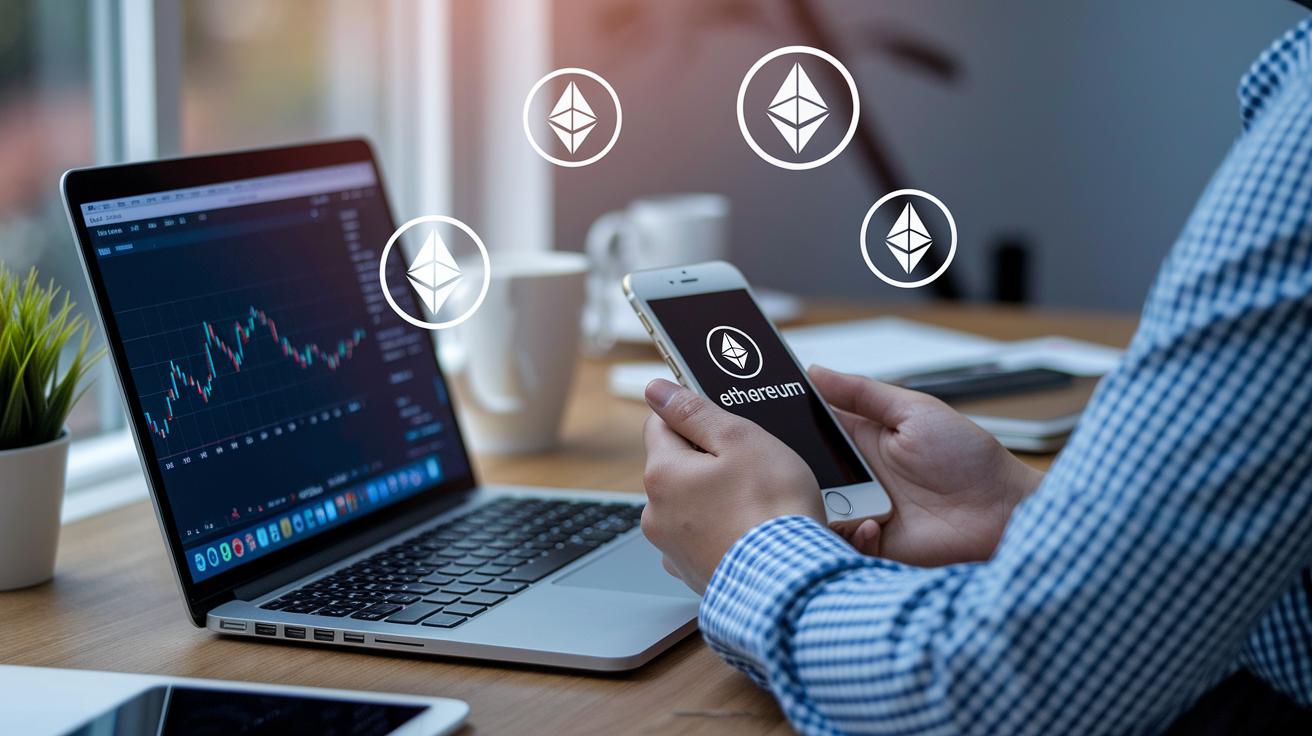
Many NFT exchanges now use a multi-chain approach. That means they support several blockchains like Solana, Ethereum, Bitcoin, and Polygon. Platforms such as Magic Eden let you trade NFTs across these chains without any hassle. This strategy opens up a world of digital assets and trading chances, giving collectors more freedom. For example, OpenSea works with many popular networks so you can explore different NFT collections and aren’t stuck with just one blockchain.
Wallets also play a huge role in making trading smooth. Exchanges connect with user-friendly wallets like MetaMask, Coinbase Wallet, and WalletConnect to ensure fast and easy transactions. Crypto.com, for example, supports Cosmos-based wallets, while Binance NFT works with Trust Wallet and Binance Chain Wallet for added security. Even Solanart uses tools like Sollet to link you to your digital assets. These wallet integrations cut down on complicated multi-signature steps, making transactions safe and easy for everyone.
Regulatory Compliance and Risk Management for NFT Exchange Platforms

KYC and AML are essential tools that help keep users safe and the market honest. They work by catching fraudulent actions and keeping an eye on any suspicious trades. When a platform checks someone’s identity, it creates more trust and clear transparency with every trade.
Many platforms are stepping up their game to keep pace with the boom in digital asset trading. For example, NBA Top Shot by Dapper Labs makes sure U.S. users go through a solid identity check, so everyone’s properly verified. Binance NFT uses a worldwide set of rules to watch over transactions, while Crypto.com sticks to a strict KYC process to lower risks. Across North America and the EU, platforms are following modern trends that prioritize consumer protection and fighting money laundering. Often, you can find more details about these efforts, such as in the International Crypto Regulation Trends (https://cfxmagazine.com?p=36228). By mixing in methods like non-custodial frameworks and multi-step verifications, these exchanges offer a secure yet friendly trading environment.
New regulatory updates might soon lead to further changes in these policies. As global rules about consumer protection and anti-money laundering evolve, platforms could increase security and refine their KYC practices. So, it's a good idea for everyone involved to stay updated on policy changes and adjust their strategies as needed.
How to Trade on an NFT Exchange Platform
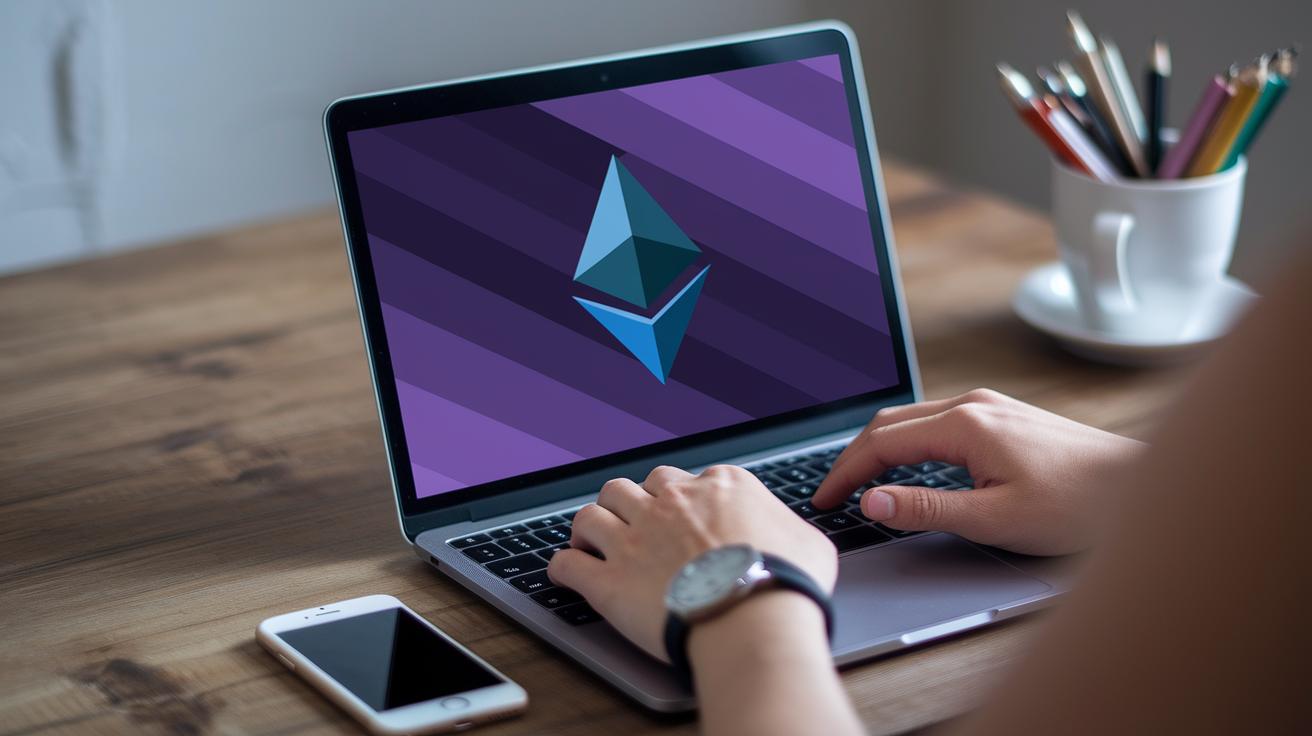
Trading NFTs is easier than you might think when you follow a few simple steps. First, connect your Web3 wallet, like MetaMask or Coinbase Wallet, to your chosen platform. After that, deposit ETH or the native token for that platform, and then you’re ready to dive into the marketplace. It’s a bit like walking into a digital art gallery where you can take your time to see what catches your eye.
If you’re buying NFTs, begin by linking your wallet and adding the necessary tokens. Then, take a stroll through the marketplace to explore auctions, fixed-price listings, or peer-to-peer trades. When you find something you love, you can place a bid or set up a purchase. Just sign your blockchain transaction (that’s the digital record of the trade) and pay the small network gas fee. Sometimes, you might even see a little reminder on the site, like “Connect your wallet and check current network fees,” to help you plan your next step.
For those looking to sell, the process is just as straightforward. Upload all the key details about your digital asset and set a competitive price if you’re offering a fixed listing, or choose an auction style to attract bids. Once your NFT is live, keep an eye on its status and watch for bids or completed sales. When a sale is confirmed, all you need to do is sign off on the blockchain transfer, and then you can withdraw your earnings to your wallet or through a fiat ramp. And remember, tracking gas fees can really help you save money, timing your transactions when the network is less busy might cut down on extra costs.
Final Words
In the action, we examined how top nft exchange platforms set themselves apart through varied fee models, strong security measures, and smooth wallet integration.
The analysis broke down fee differences and risk management strategies, while outlining practical steps for trading NFTs.
This snapshot of digital asset strategies leaves us feeling optimistic about the market's growth and potential. Keep exploring to sharpen your approach and diversify your portfolio confidently.
FAQ
What is an NFT exchange?
The NFT exchange refers to an online platform where you can buy, sell, and trade digital assets known as NFTs. These platforms offer a range of features, from user-friendly wallets to secure transaction methods.
Can I convert an NFT to real money?
The process to convert an NFT to cash is straightforward. You sell your NFT on an exchange or marketplace, and upon a successful sale, you receive funds in cryptocurrency or fiat money, which you can then withdraw.
Are NFTs worth anything anymore?
The value of an NFT depends on its rarity, demand, and market trends. Many collectors still see value in unique digital items, though prices can fluctuate with overall market conditions.
Is NFT legal or illegal?
The trading and ownership of NFTs are legal in most regions. They are regulated under existing digital asset frameworks, although some jurisdictions may have specific guidelines to further protect consumers and investors.
What are some popular NFT marketplaces?
Popular NFT marketplaces include OpenSea, Rarible, Coinbase, Binance, and Uniswap. These platforms offer diverse collections and trading features, making them go-to sites for digital collectors and traders.
How does OpenSea fit into the NFT ecosystem?
OpenSea is a leading digital asset market that supports thousands of projects. It offers a user-friendly interface and industry-standard security measures, making it a flagship platform for trading NFTs.
What is Magic Eden and how does it compare to other NFT platforms?
Magic Eden stands out by supporting multiple blockchains and offering competitive fee structures. It focuses on low-cost transactions and seamless wallet integration, making it a strong alternative to more established platforms.
What do Blur NFT and Magic NFT refer to in the market?
The terms Blur NFT and Magic NFT refer to emerging platforms or projects within the digital collectible space. They represent innovative approaches to listing and trading digital assets with unique user experiences.
What is meant by an NFT website?
An NFT website is an online platform where digital collectibles are showcased, bought, and sold. These sites combine market data, secure trading options, and interactive user interfaces for managing and displaying NFTs.