What if a few simple numbers could change how you see NFTs? Using NFT data tools (NFTs are unique digital assets) can uncover trends in wallet activity and off-market trades.
Imagine spotting a shift before anyone else does, like a sports coach who reads the scorecard just in time. In this post, we look at how tracking things like unique holders and first-time buyers can spark smart ideas.
This fresh, data-driven view might help you make better choices in the world of NFTs.
Core NFT Data Analytics Techniques for Market Evaluation
At its core, NFT data analytics is all about digging into the numbers behind wallet addresses and transactions. Start by looking at unique holders. This metric shows how spread out ownership is and can even hint at the floor price. For example, when a collection is owned by just a few people, it might push the floor price down, kind of like a close group controlling the scene.
Next, check out first-time buyer rates. By comparing new wallet entries to the total number of holders, you can spot a surge in fresh demand. It’s a bit like watching for first-time home buyers to get a sense of real estate trends.
Also, keeping an eye on OTC activity is super useful. These off-market trades, which happen outside regular public channels, reveal high-value transactions that often signal major moves. Imagine catching a rare glimpse of underground deals that could change market mood.
Then there’s graph-based network analysis. By mapping out wallet interactions, you can see how clusters form and which groups are driving the buzz. A sudden concentration of activity might even signal a coordinated push from a group, boosting community confidence.
Finally, on-chain financial reviews, like checking trading speed and royalty flows, help complete the picture. This approach compares scenarios with high trading volumes against those with less activity. In short, these techniques, from tracking unique holders and new buyer influxes to digging into graph patterns and financial flow, offer clear, actionable insights into how NFTs are valued and how the market behaves.
NFT Data Sources and Collection Techniques

On-Chain Data Sources
On-chain data comes mostly from smart contract events and transaction logs. We gather these details from blockchain nodes using services like Infura and Alchemy, or tools like the Etherscan API. By grouping up event logs and parsing transactions, experts can see wallet activities in clusters that show how buyers behave and how the market is shifting. It’s a bit like reading each step in a process to notice the bigger picture.
Off-Chain Data Sources
Marketplace feeds add another key layer by providing price, volume, and royalty info through APIs from platforms like OpenSea, Blur, and X2Y2. Plus, social channels such as Discord and Twitter offer extra clues on community sentiment. Some platforms, like Helika, blend in-game data, on-chain info, and social trends into unified, real-time insights.
By combining on-chain events with off-chain market and social numbers, you get a rich dataset that paints a full picture of the NFT market. It lets investors connect digital activities with market moves to spot smart trends.
Data Preparation and Cleaning for NFT Analytics
Getting your NFT data ready is all about cleaning up raw numbers and sorting out messy details. First off, you need to normalize your price and volume figures. In plain terms, convert every trade value into USD and group them by day. This way, trends are simpler to see, it's like reading a sales log where every transaction speaks the same language.
Next, clear out any duplicate wallet addresses and merge similar clusters. Think of it as tidying up a list so each name shows a unique owner. It helps you get accurate counts of who really holds each asset.
Then, check your work by validating transaction hashes and contract addresses. Even a tiny error can throw off your entire analysis, much like a single typo can spoil a math problem. It’s crucial to catch these mistakes early.
If you find missing details like token attributes or creator information, use external enrichment APIs to fill in the blanks. And lastly, set up ETL (Extract, Transform, Load) pipelines that can automatically keep your data clean and up-to-date. This approach ensures your NFT analytics remain reliable no matter what.
- Normalize price and volume data
- Deduplicate wallet addresses
- Validate transaction hashes
- Enrich missing metadata
Advanced Statistical and Machine Learning Techniques in NFT Analytics
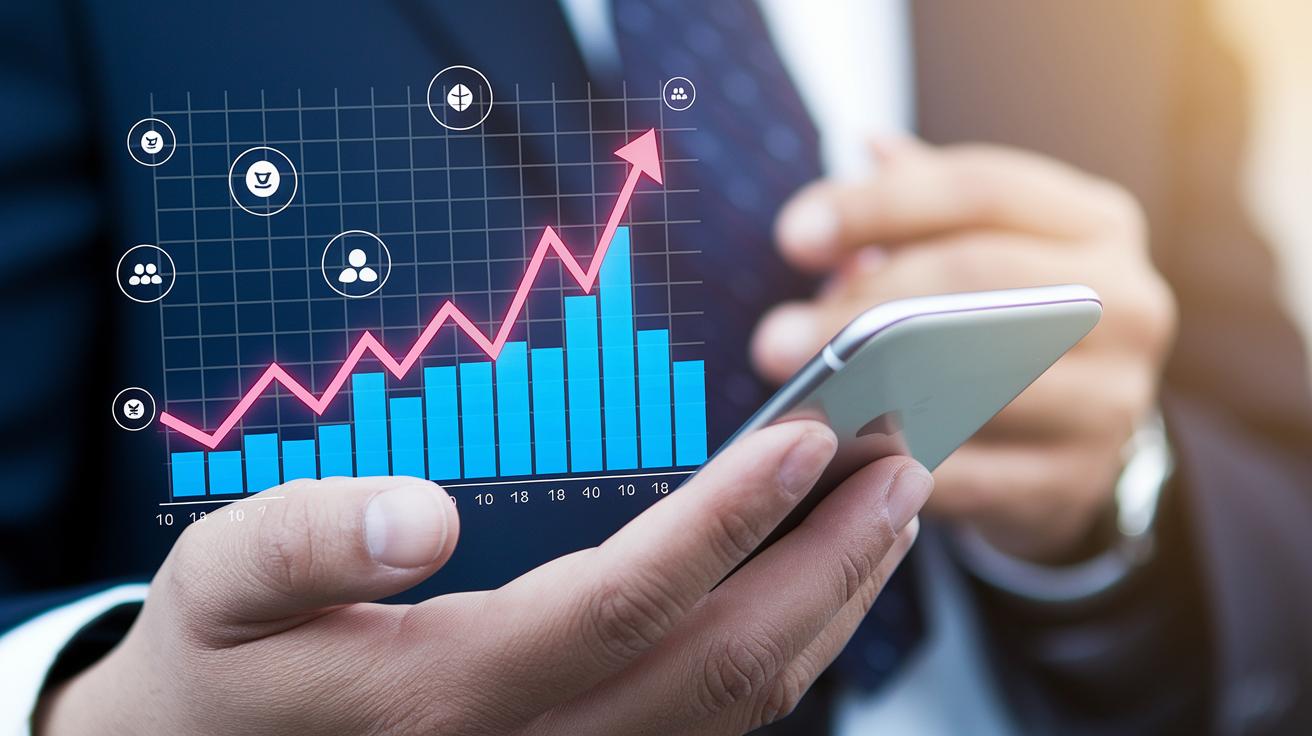
Smart statistical methods and machine learning are giving us a new way to understand NFT market shifts. For example, network analysis shows how wallet interactions connect, much like watching a group of friends all heading to the same exciting event.
Sentiment analysis dives into social media chatter to see how online mood lines up with price changes. When Twitter buzz turns positive, it could be a sign that floor prices may be headed upward, almost like checking the vibe before a big game.
Time-series forecasting helps predict shifts in floor prices by using models like ARIMA and Prophet. Think of it as watching a gentle rise or a quick dip in prices over time, similar to noticing seasonal changes in your favorite store's sales.
Machine learning classifiers such as Random Forest and XGBoost sort through lots of data to decide whether an NFT drop is likely to be a hit or if rare items will see high demand. It’s like gathering all the ingredients before blending the perfect investment smoothie.
Volatility and price-impact models zoom in on rare auctions and flash sales. Imagine a flash sale causing a frenzy of bids and pushing prices higher, it’s this kind of rapid movement that these models try to capture.
- Use community detection to group wallets
- Apply natural language processing on social feeds for sentiment analysis
- Deploy time-series methods to forecast trends
- Utilize classifiers to predict drop success and rare item demand
- Model price changes during auctions and flash sales
nft data analytics techniques Spark Smart Insights
Interactive dashboards make it easy to understand NFT data. They track details like floor prices, trading volume, and how many people hold an NFT. For example, a chart might show you a rise in floor prices, hinting that the collection could become more valuable.
Heat maps add another layer by showing when and where most trades happen. Along with time-series and candlestick charts that follow price changes, these visuals give you a clear look at market moves. Sankey diagrams even trace how fees and royalties flow between buyers, sellers, and creators.
These tools turn heaps of complex data into simple graphics that help you spot trends faster. They let investors quickly see market signals and decide what to do next. Isn't it great when data feels as clear as a chat with a friend?
nft data analytics techniques Spark Smart Insights
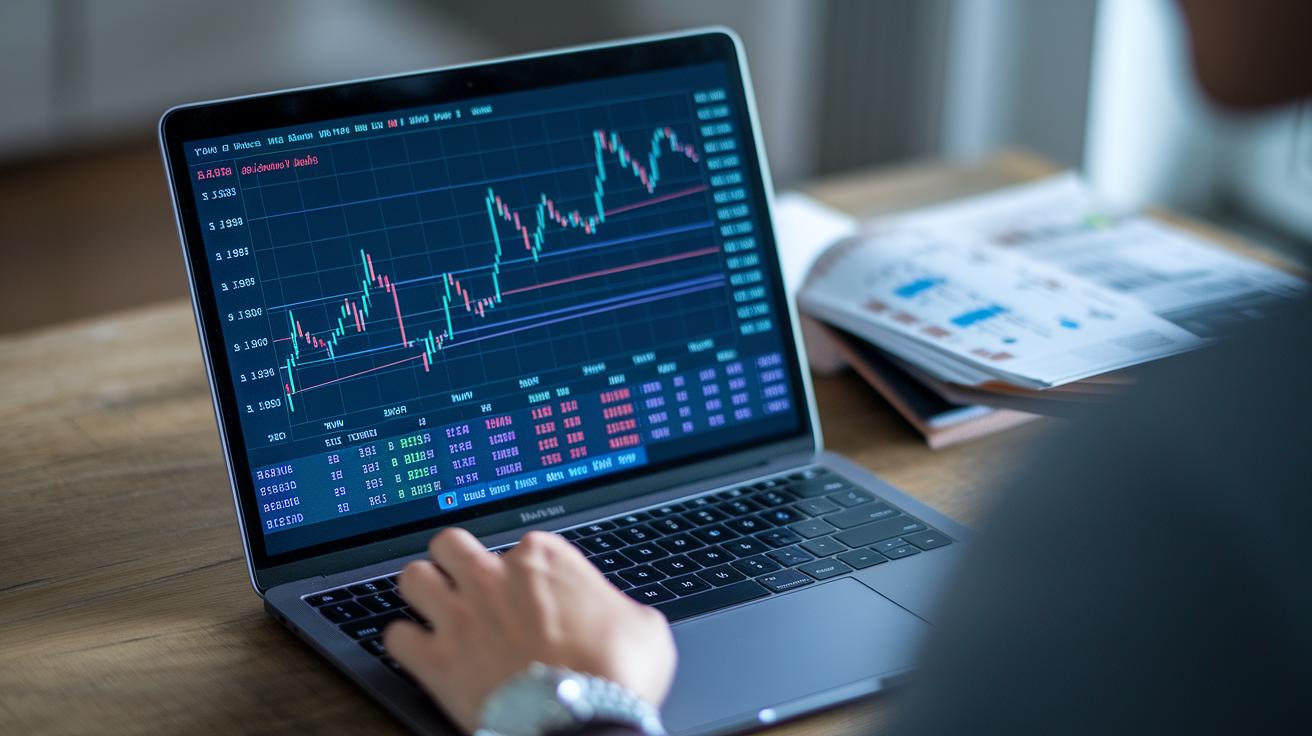
When you're checking market health, it helps to look at some clear and simple numbers. You can start by checking liquidity through details like the bid-ask spread, how long it takes to sell, and the depth of orders on platforms like OpenSea and other markets. Think of it like timing a race, quick shifts might hint at big changes ahead.
Next, keep an eye on transaction volume. Look at hourly and day-to-day sales, average sale prices, and total trading values. This helps you understand if trading activity is speeding up or slowing down.
You can also use portfolio trackers to see how your investments are doing. They tell you about return on investment, how long you hold assets, and how well your portfolio is diversified. Picture it like checking if your carefully mixed investment smoothie is still balanced.
Market performance can also be a great guide. It shows you the growth in floor prices, royalty earnings compared to how fast trading happens, and even how many new buyers come in for the first time. Metrics like the ratio of new to repeat buyers and how many token holders change over time give you a sense of the collection's buzz and steady beat.
- Review liquidity by checking the bid-ask spread and time to sale.
- Watch transaction numbers, including counts and average sale prices.
- Assess your portfolio by looking at ROI and diversity.
Together, these signs turn raw data into smart insights that help you make more informed digital asset decisions.
Tools, Platforms, and Case Studies in NFT Data Analytics
Helika is cool because it brings game data, blockchain info, and social media vibes together in one spot. Gaming brands love its real-time dashboards that mix in-game stats with on-chain details and what people are saying online. Platforms like Dune Analytics and Nansen use SQL dashboards to tag wallets and keep an eye on smart contract performance. And then you’ve got Covalent and The Graph, which pull data from different chains to feed into wider analytics tools. This combo gives investors a much clearer look at how digital assets are really moving.
A CryptoPunks case study shows just how useful this data can be. By checking out unique holder patterns, tracking off-market (OTC) trades, and mapping out clusters of wallets, you can spot trends, like a potential shift in the floor price. For instance, if you see a bunch of wallets busy with OTC deals, that might be a hint that market confidence is changing. Investors typically use approaches like floor-price multiples, rarity scores, and sentiment-based pricing models to evaluate collections against current market vibes.
- Helika mixes blockchain, in-game, and social insights.
- Dune Analytics and Nansen tag wallets to monitor smart contract performance.
- Covalent and The Graph pull cross-chain data for deeper decentralized exchange analysis.
Overall, these tools, and case studies like CryptoPunks, prove that blending holder metrics with OTC and network analysis brings smart, actionable insights into NFT trends. It turns what might seem like guesswork into a more structured view of the market.
Final Words
In the action, our discussion covered NFT data analytics techniques through hands-on examples like tracking unique holders, first-time buyer rates, OTC activity, and on-chain financial reviews. We broke down how data sources and cleaning methods combine with clear visualization dashboards and predictive tools to create actionable insights. This approach helps you assess market trends, fine-tune investment decisions, and explore diverse portfolio opportunities. Embrace these strategies with confidence and a positive mindset as you shape your digital investments.
FAQ
Frequently Asked Questions
What are NFT data analytics techniques in presentations and free resources?
The NFT data analytics techniques often found in presentations and free resources cover methods like tracking ownership metrics, buyer-entry rates, on-chain financial reviews, and network analysis to offer clear market insights.
What is the role of a Base NFT explorer and an NFT metadata viewer?
The Base NFT explorer and NFT metadata viewer allow users to check digital asset details such as creator info and token traits by extracting data from blockchain logs, which supports informed market evaluation.
What is an NFT PnL Tracker?
The NFT PnL Tracker monitors profit and loss from NFT trades, offering a straightforward way to view trading outcomes and helping users manage the performance of their digital asset investments.
What does Solana NFT data include?
The Solana NFT data includes on-chain details like transaction volumes, ownership records, and market trends specific to the Solana blockchain, helping investors assess the performance of digital assets.
What does NFT sales volume by chain indicate?
The NFT sales volume by chain indicates the level of transaction activity across different blockchains, offering insights into market liquidity and providing a basis for comparing NFT trading performance.
What is NFT analysis?
The NFT analysis involves reviewing market trends, ownership distribution, and transaction flows. It brings together data extraction, cleaning, and statistical methods to assess digital asset performance.
Is NFT worthless now?
The NFT market value depends on factors such as demand, rarity, and community support. NFT analysis helps investors weigh risks and opportunities rather than labeling digital assets as worthless.
How does one monetize data analytics skills?
Monetizing data analytics skills can involve offering consulting services, developing market evaluation tools, or providing analytical insights for digital finance, turning technical ability into career or business opportunities.
What is NFT data?
NFT data consists of blockchain records, transaction histories, ownership logs, and metadata. Analyzing this information helps investors understand market trends and the value of digital assets.