Ever wonder if your digital art might one day be seen as a true collectible? Minting an NFT lets you tag your work with a unique digital certificate, kind of like a special stamp on your art.
This guide breaks down three easy steps to convert a simple file into a token that shows off its authenticity. Imagine your favorite piece turning into a limited-edition print that confirms it’s the real deal. Next, we’ll walk you through setting up a digital wallet, picking the right platform, and linking them together so you can dive into the world of digital collectibles.
How Minting NFT Works: Fundamentals and Definitions
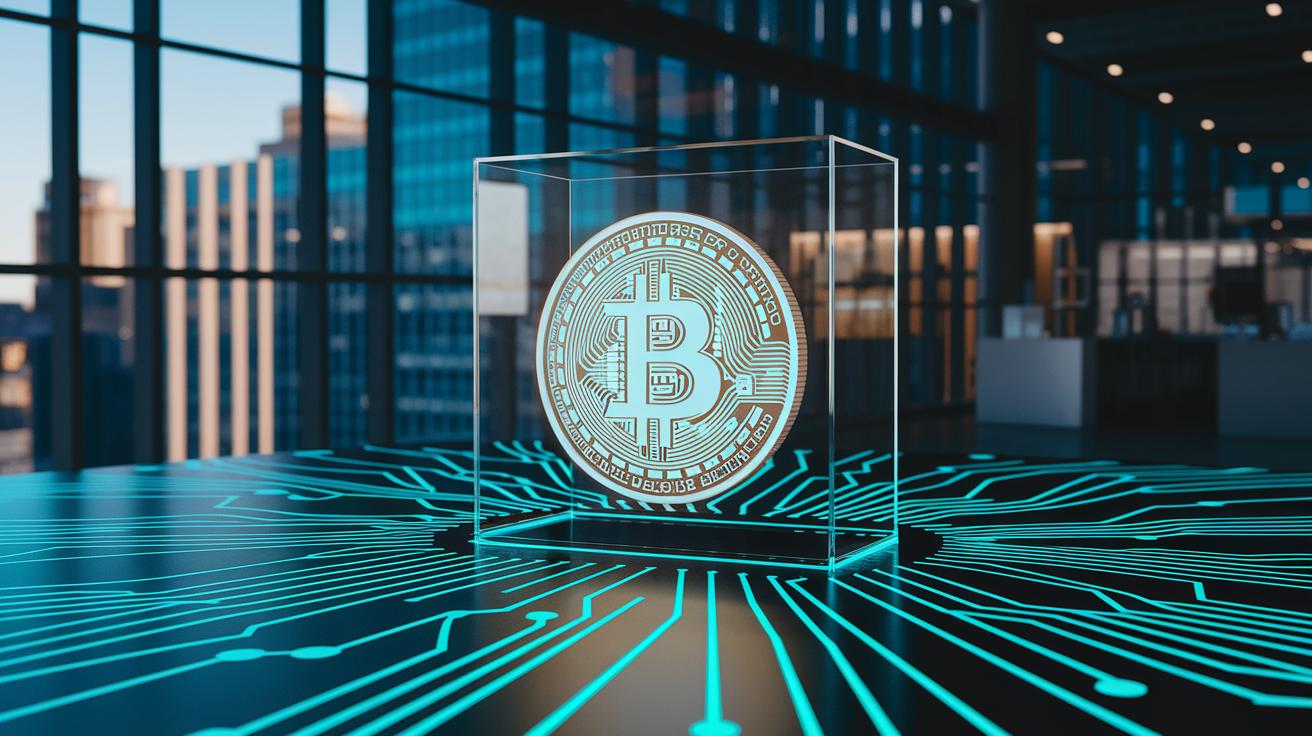
Minting an nft is just a neat way to turn a digital file into a collectible item that lives on a blockchain. When you mint an nft, you're basically creating a digital certificate that says, "This is the real deal!" It’s not like copying a picture or video; each token is unique and locked in with special digital proofs.
The process takes something like a piece of artwork, a song, or even an eBook, and converts it into a token that’s permanently tied to the blockchain. Ordinary files can be shared or copied endlessly, but an nft sticks with a one-of-a-kind identity. Think of it as giving your digital file a special code that proves its history and authenticity.
For example, if you create a digital drawing, minting it turns your casual design into a prized collectible, much like getting a limited-edition print. The blockchain acts as a secure, unchangeable ledger, keeping track of every detail about when the nft was made and who owns it.
Curious to learn more? Check out the nft blockchain page for a deeper look at how these systems protect your digital assets.
3 minting nft techniques for success
To start, set up a secure Web3 wallet. A wallet like Trust Wallet works like a trusty piggy bank where you safely keep your digital assets and use them on NFT marketplaces.
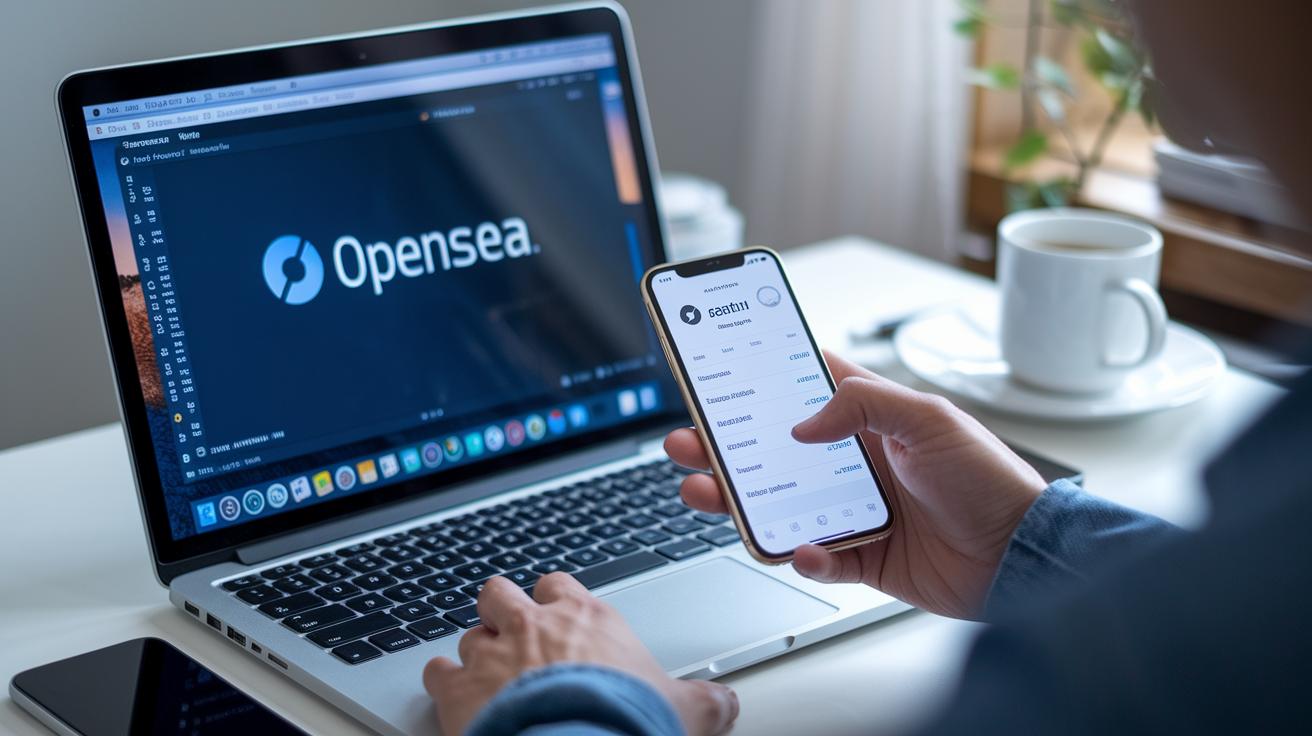
Next, pick a platform that fits what you need. Popular sites like OpenSea or Rarible are easy to use and let you quickly create and mint your token. Just make sure you actually own the rights to the artwork or digital file you're using. Double-checking helps prevent any issues later on.
Now, connect your wallet to the NFT marketplace. You can use WalletConnect, which securely links your wallet to the site in a simple way.
After you're connected, follow these steps:
- Head to the section for creating or updating your collection.
- Upload your digital file, whether it's an image, audio clip, or video.
- Fill in details like a title, description, and any extra info you want to add.
- Set up your sale options, choosing whether you want a fixed price or an auction.
Once you've got everything ready, it’s time to mint the token. You’ll pay a small transaction fee, known as a gas fee, to cover the blockchain costs. Then, just sign the transaction and your NFT is officially recorded.
| Step | Action |
|---|---|
| 1 | Set up your wallet and choose a platform |
| 2 | Use WalletConnect to link your wallet and upload your digital asset |
| 3 | Configure your sale options and complete the minting |
Minting NFT Platforms: Choosing the Right Blockchain and Marketplace
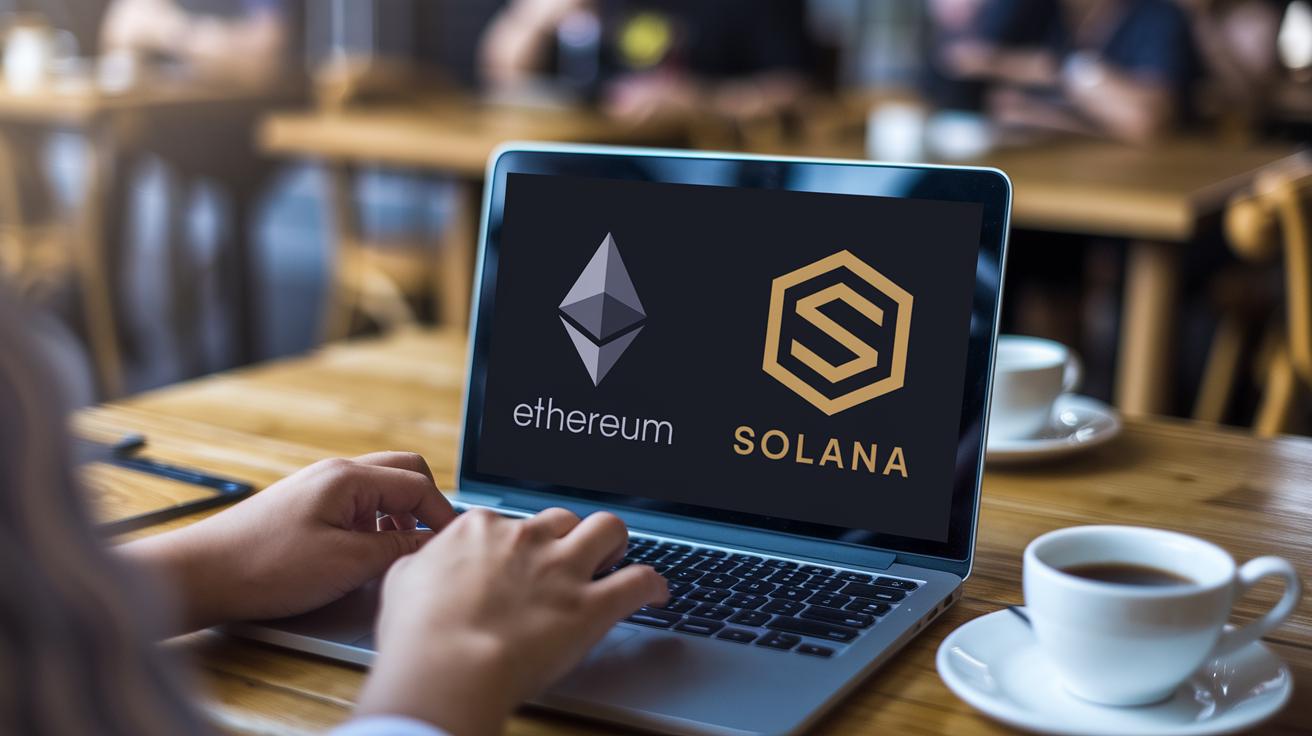
Choosing the right blockchain and marketplace can really smooth out your NFT minting process. Each blockchain meets different needs in terms of fees, speed, and even eco-friendliness. For instance, using Ethereum might feel like paying for a premium ride with higher fees, while Solana lets you zip through transactions quickly and affordably. Believe it or not, on Solana, you could finish a transaction in the time it takes to brew a cup of coffee!
When you’re exploring your options, here’s a quick snapshot:
• Ethereum has a big community and solid security, but its fees are higher.
• Solana is fast and low-cost, great for those who need speed.
• Polygon keeps costs down while still working with Ethereum’s network.
• Binance Smart Chain is budget-friendly with a growing number of users.
• Tezos is known for being eco-friendly and offers low minting fees.
• And then there are rising stars like Cardano and Algorand, each with their own perks.
Marketplaces, such as OpenSea and Rarible, also differ in style. Some are very user-friendly, making it easy for beginners to mint and list NFTs, while others offer more advanced tools for experienced creators.
| Blockchain | Cost | Speed | Environmental Impact |
|---|---|---|---|
| Ethereum | High | Moderate | Average |
| Solana | Low | Fast | Good |
| Polygon | Low | Fast | Good |
| Tezos | Low | Moderate | Eco-friendly |
Minting NFT Costs: Gas Fees, Listing Charges, and Free Options
When you mint an NFT, there are a few costs to keep in mind. First, there are gas fees, which are the costs you pay for every transaction on the blockchain. Think of it like a checkout line at your favorite store – when the line is busy, you pay more. But when fewer people are minting, the fees drop, and you save money.
Next, you might face listing charges on sites like OpenSea or Rarible. These fees vary depending on the marketplace's rules and can change over time. Also, if you’re setting up smart contracts – basically programs that help manage your NFT sales – the complexity can affect the cost. For instance, minting several NFTs at once, known as batch minting, can reduce the cost by sharing gas fees among all the tokens. But if you mint them one at a time, each transaction could be pricier.
Smart creators keep an eye on network trends to time their transactions during quieter moments. A neat tip is to check for free minting or gasless generation options. Some platforms even let buyers cover gas fees, so you might not have to worry about extra costs during creation.
- Always check gas fees before you mint.
- Compare different platforms for listing or sale fees.
- Look into bulk minting to lower the overall expense.
| Cost Factor | Why It Matters |
|---|---|
| Gas Fees | They change with how busy the network is |
| Listing Charges | Rules differ from one marketplace to another |
| Batch Minting | It can reduce the cost per token |
Gasless and Zero-Cost Minting NFT Methods
Lazy minting lets you shift the usual gas fee cost to the buyer instead of paying out of pocket. In simple terms, you can create your digital collectible without worrying about upfront transaction fees. The platform does all the work for you, and when someone buys your token, they cover the cost.
You can also explore test networks like Rinkeby or Mumbai. These networks are like practice blocks that mimic real blockchains but don’t charge any fees. They give you a safe space to try out creating digital tokens without spending money, letting you get comfortable with the process before going live.
Imagine launching a one-of-a-kind digital collectible without spending money at all, kind of like testing out a new recipe with free samples. These no-cost methods let you experiment with different NFT strategies while keeping financial risk low. They’re a smart way to build your skills and test ideas before moving on to real transactions with fees.
Security and Legal Guidelines for Minting NFT
Think of your digital work like a rare piece of art that needs protecting. Just as you wouldn’t let someone claim a famous painting as theirs, you should make sure your intellectual property rights are clear before you mint your NFT. If you’ve created digital art, make sure you have contracts or registration in place to prove it’s all yours.
It’s a smart move to review your smart contracts thoroughly. Use a trusted security audit checklist (like this one: https://cfxmagazine.com?p=36238) to look for any weaknesses. Imagine it like an artist carefully checking a signature’s authenticity before finalizing a masterpiece. It really pays off to catch any issues early.
And don’t forget about your private keys, they’re the keys to your digital treasure. Keep them safe by storing them in secure, offline wallets or digital vaults. Taking steps to prevent fraud right from the start can help you sidestep technical risks.
Here are a few easy-to-follow tips:
- Make sure you have clear proof that the work is yours.
- Run smart contract audits using trusted checklists.
- Keep your private keys safe, ideally in offline storage.
- Regularly check the latest fraud prevention methods.
- Stay updated on international crypto regulation trends (find more details here: https://cfxmagazine.com?p=36228).
Following these guidelines can help make your NFT venture safer and more reliable. Have you ever thought about how a few simple steps could protect your digital art and investments? It’s all about taking smart precautions and being prepared.
Post-Minting NFT Promotion and Marketing Strategies
After you mint your NFT, the real challenge is getting people to notice your digital collectible. Start by planning a social media story about your work. A friendly post on Instagram or Twitter can shine a light on what makes your NFT special and get the conversation going. For example, share a behind-the-scenes look at how you made it, it makes your work feel more real and personal.
Then, jump into art forums and crypto art groups where collectors often hang out. These communities are great for building trust and meeting potential buyers. Chat with others, share your ideas, and even give a sneak peek of your NFT. It’s almost like hosting a small art show online.
Finally, give your NFT listing a boost with smart sales tactics. Make sure your title grabs attention, your description is clear, and your images are high quality. Work with influencers who truly connect with digital art fans, and consider releasing your NFT when the market buzz is high.
- Craft a social media story that really connects.
- Join and chat in online art and crypto communities.
- Enhance your listing with smart influencer partnerships.
These strategies can help your NFT stand out and drive more sales.
Final Words
In the action, we broke down how minting nft transforms a digital asset into a secure, unique token on blockchain. We walked through each step, from choosing the right wallet to managing gas fees and exploring cost-effective minting options. We also compared various platforms and touched on important safety and legal steps before getting into crafting effective marketing strategies. All these insights come together to empower creators in making savvy digital investment moves. Keep experimenting, stay informed, and enjoy the creative side of digital asset building!
FAQ
What does minting an NFT mean?
The act of minting an NFT means recording a digital asset on a blockchain, turning it into a unique, verifiable token that you can trade with secure ownership.
How much does it cost to mint an NFT?
The cost to mint an NFT means covering gas fees and platform charges, which vary based on network activity and the chosen minting method.
Is minting NFT worth it?
Minting an NFT is worth it if the benefits of secure ownership, market exposure, and creative control outweigh the costs and risks associated with the process.
How much is 1 NFT today?
Asking about 1 NFT’s price means that NFT values differ greatly based on creator reputation, market demand, and digital asset uniqueness.
How can I mint an NFT for free?
Minting an NFT for free means using gasless minting options or platforms that offer free listings during certain promotions, so creators avoid upfront fees.
What are some NFT marketplaces and platforms like OpenSea and Rarible?
Using NFT marketplaces means choosing platforms such as OpenSea, Rarible, Coinbase, Blockchain.com, Uniswap, and Binance, each offering distinct features and fee structures for digital asset trading.