
Ever wonder why some digital assets keep rising in value while others lose their spark? NFT prices, those unique digital assets, rely on a mix of factors, like a limited supply, genuine authenticity, famous creators, and a buzz in the culture.
Imagine a collectible so rare that it grabs your attention the moment it’s released. When scarcity meets digital trust and a creator’s solid reputation, you often see trends that lift prices and shape the market.
Overview of Factors Influencing NFT Prices
NFT prices often boil down to how rare and scarce they are. When a digital asset is released in a very limited number or has unique features, the demand can easily outgrow supply, nudging the price higher. Think about a digital art drop with only 20 pieces available. It creates a buzz much like a rare comic book release, where collectors jump at the chance to own something uncommon.
Buyer trust also gets a boost when NFTs have clear on-chain verification. In simple terms, the blockchain acts as a digital ledger that confirms an NFT's uniqueness. This is similar to having a signed certificate of authenticity for a painting, and it helps to build confidence among collectors, which in turn influences the price.
The reputation of the creator plays a big part as well. Artists who are well-known tend to add extra value to their work, leading to higher bids from collectors. Imagine a famous digital artist unveiling a new piece; the excitement around their name means people are more likely to invest. Additionally, if an NFT offers extra benefits such as access to exclusive events or special content, it tends to fetch a higher price since it doubles as a useful asset.
Cultural trends also affect NFT pricing. When an NFT fits in with current interests or social movements, it draws in a larger audience. Keeping an eye on key numbers like sales volume, how many collectors hold it, and its past price history can really help you understand where the market is headed.
Digital Scarcity and Rarity Valuation Impacting NFT Prices
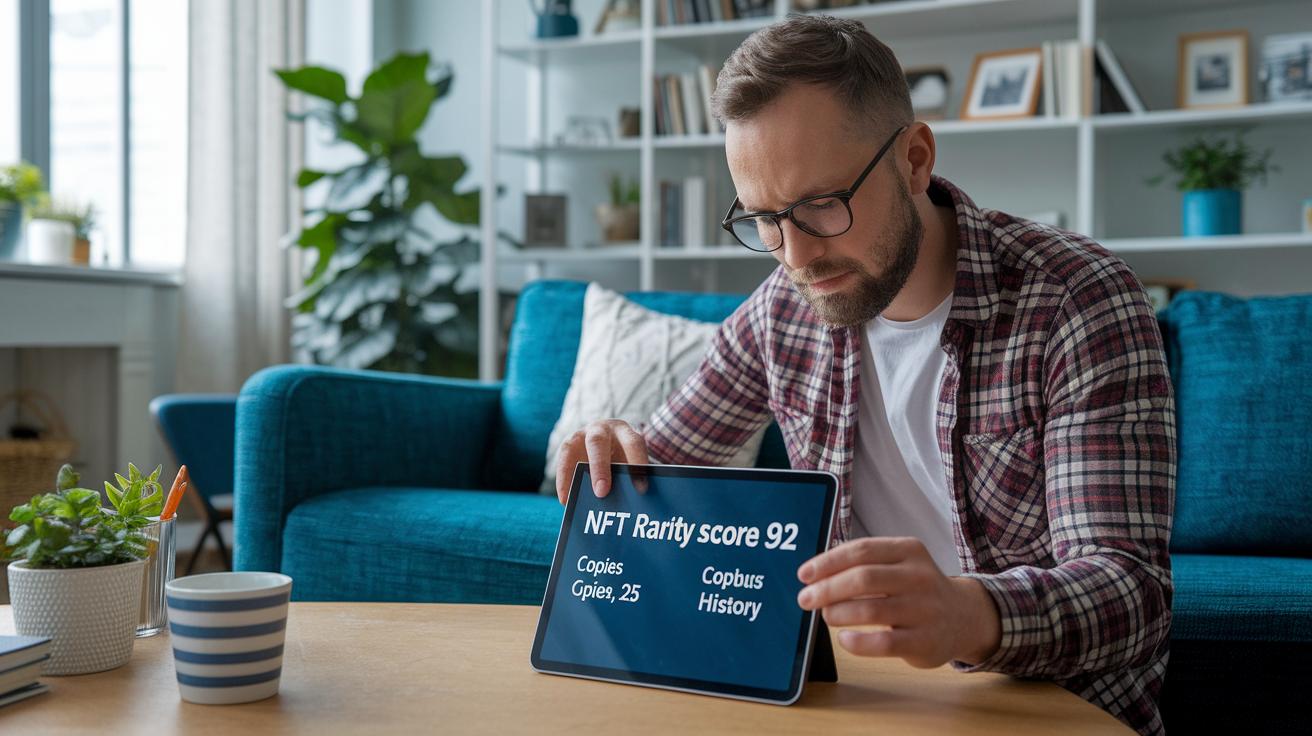
NFT values today aren’t just about having a small supply. They also factor in detailed rating systems that check each asset’s special features. These scoring systems quickly look at things like extra details in the data, how many copies exist, and even past bid history to give a number that shows how rare an NFT is. For instance, one system might score a one-of-a-kind piece as 100, while another design available in 25 copies might earn a 75. Research shows that digital collectibles with a rarity score above 90 can boost floor prices by over 25% within just a few days.
Collectors and traders use these scores as a guide to decide when to buy or sell. A high rarity score paired with a low NFT floor price could indicate an asset that’s undervalued and ready to spark competitive bidding. Some investors even compare these digital rarity scores with classic asset measures, like market capitalization, and notice that while traditional models stress supply and demand, rarity scores capture those little details that really shift buyer interest.
Data over time shows that special limited-edition drops with strong rarity ratings often set trends that later affect pricing across the board. This method blends both the numbers and the unique qualities of each digital asset, offering a fresh perspective compared to old-school asset evaluations.
| Factor | Digital Rarity Indices | Traditional Asset Valuation |
|---|---|---|
| Measurement Focus | Unique digital traits and edition size | Supply-demand and market capitalization |
| Data Sources | Metadata, historical bids, trading volume | Financial statements, market trends |
| Usage | Guiding trading decisions, indicating potential price jumps | Measuring overall market value |
Creator Reputation and Provenance in NFT Price Formation
On-chain provenance means every transaction for an NFT is recorded on a digital ledger, showing its full history. This clear record builds trust among collectors because they can easily verify that the NFT really comes from an authentic source.
Well-known creators play a big role in pushing prices higher. When a respected artist releases a limited-edition NFT, their previous successes give buyers confidence in its quality. Imagine an artist whose past drops consistently set high standards, it’s no surprise collectors get excited and quickly start bidding.
Tokenomics, or the built-in economics of NFTs, is another important factor. Smart contract royalties let creators earn a bit every time their NFT is resold. This system reassures buyers, as it shows the project supports ongoing rewards for the artist, which helps keep the NFT valuable over time.
Historical significance also boosts an NFT’s appeal. A strong track record of previous successful drops sets a reliable benchmark for what to expect. Collectors see this deep, proven history as a clear sign of lasting value and market demand.
Crypto Market Sentiment and Investor Behavior Driving NFT Price Movements
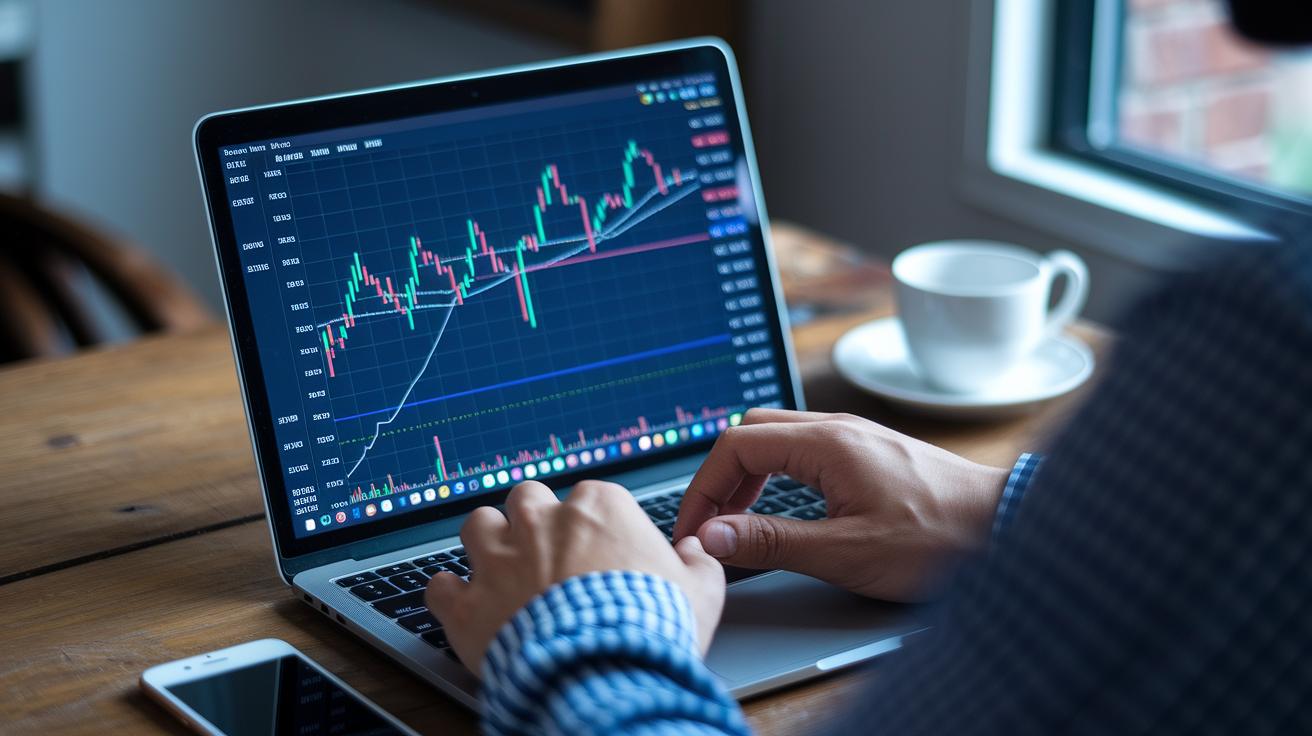
Crypto market moods shape how NFT prices move. When the news feels upbeat and trends look positive, both collectors and investors jump in, driving prices up. I recall a trader sharing how one famous tweet sparked a flurry of bids and prices took off in just a few hours. It’s a great example of how quickly good news can fire up spending.
Investor feelings are a big part of this too. Many people wait until there’s a clear sign of market momentum before making a move. They watch auction results and trading volumes closely since these show how eager buyers are. Even NFTs that aren’t super popular can see price spikes when excitement builds, driven by FOMO and nods from big names.
By keeping an eye on these signals, investors can get a feel for upcoming price changes. Looking at auction dynamics and trading volumes reveals how fast buyer energy can push prices higher. In short, the mix of what investors feel and do creates a market that can change quickly, full of both risks and chances to make a move.
Utility and Functionality as Drivers of NFT Price Appreciation
NFTs that provide real perks naturally draw more interest. When an NFT acts like a key to a private online club, cool virtual hangouts, or special in-game goodies, it goes beyond being just a collectible. Think about an NFT that grants entry to an exclusive group, it's like having a digital ticket to special virtual concerts that adds real value.
These extra features make people stick around for the long run. Buyers love assets that offer more than just a pretty image. They’re drawn to NFTs that give ongoing experiences or even a chance to earn if they’re linked to virtual property. This kind of practical benefit helps investors spot which digital assets might be worth a higher price because they work in everyday life.
Also, digital ownership that relies on smart contracts can automatically send royalties to the creator, making it a win-win. This process not only rewards the artist but also boosts the economic appeal during art evaluations. In short, NFTs that mix cool collectible vibes with real-world benefits tend to do better than those that thrive on buzz alone.
Technological Factors Shaping NFT Prices: Gas Fees and Minting Costs

When you mint an NFT, gas fees can change how much you pay. On Ethereum, when many people use the network, fees can spike above $50. Imagine a time when a creator spends more on one transaction than on the art itself. That's a real eye-opener that can push creators to look for cheaper blockchains.
Blockchains like Solana, Polygon, and Binance Smart Chain charge much lower fees, often less than $1 per operation. This low cost is a big draw, especially for big projects with many drops. Some eco-friendly platforms, like Tezos and Cardano, also attract creators because their fees range between 0.17 and 1.5 ADA. Picture minting hundreds of tokens without fretting over high fees. That’s what makes these cheaper options so appealing.
There are extra costs, too, like platform fees and the price of setting up smart contracts. But using batch minting methods can bring down the cost per token, and new layer-2 solutions help speed things up while cutting delays. In short, these technical details hugely impact how NFTs are priced in the market.
Secondary Market Dynamics and Platform Influence on NFT Price Discovery
Secondary market actions give us a clear peek at what NFTs are really worth in the moment. Traders look at things like how many sales are happening, what the average sale price is, and even how often people pull their NFTs off the market. These clues help adjust the lowest prices based on what buyers and sellers are doing right now. And then there’s auction style. In an English auction, for instance, bids climb slowly, building up excitement until the final price is set. But in a Dutch auction, the price starts high and then drops until someone decides to buy, which creates a very different way of finding the right price.
One collector noted, "A piece that started with low bids suddenly surged in value as bidding intensified in an English auction, changing how the market saw it almost overnight."
Marketplaces also play their part in setting prices. Features like bidding limits, reserve prices, or special promotions can change how quickly assets sell. If a marketplace sees a lot of trading, that often signals strong price support and a quicker sale. Fewer trades might mean that buyers aren’t as confident in the price.
All these factors work together like a smart pricing system. By watching them closely, investors can better guess how NFT prices will change and make smart decisions about when to buy or sell based on the latest trends.
Cultural Relevance, Community Engagement, and Speculative Trends in NFT Pricing

Digital art rarely exists in a bubble. It often rides the wave of popular trends and social buzz. When NFTs are linked to current memes or movements, collectors tend to jump in quickly, much like a hit pop song that suddenly tops the charts.
Online spaces, like Discord and Twitter, play a huge role in this energy boost. Active chats and discussions in these communities not only build trust but also spark demand. Regular group votes and updates make it clear to new buyers that something exciting is happening. Metrics like wallet counts and Discord membership really help show how strong a community is.
Celebrity and influencer endorsements add another layer of excitement. When a well-known figure speaks highly of an NFT, it often sparks a rush of interest. Sometimes, the social media buzz pushes prices way above the initial offer, as buyers scramble to be part of the trend.
All in all, these community vibes and cultural trends tend to drive quick, speculative price increases. Prices often spike in the short term, reflecting the intense, trend-focused momentum of the market.
These lively dynamics are at the heart of positive trends in the NFT world, showing how digital art and culture can fuse to create exciting opportunities.
Macro Trends: Regulation, Economic Forecasts, and Media Coverage Impacting NFT Prices
Crypto rules are always changing, and these shifts can really affect how investors behave in the NFT market. For example, tax policies usually mean that using regular money to buy NFTs doesn’t cause a taxable event. But if you swap one crypto asset for another, you could end up with tax responsibilities. This often makes buyers pause before trading or holding NFTs for only a short while.
Economic forecasts also play a big part in how people invest. When news about interest rates or other economic updates suggests that people might have less money to spend, collectors might hold back, leading to fewer transactions and softer price trends. On the other hand, if the economic outlook is positive, more people might jump into speculative buying, which can push NFT prices higher.
Media attention is another key factor. Mainstream finance outlets and even niche NFT news stories shape how people see the market. A headline about clearer rules or a positive economic forecast can create a buzz, kind of like when a catchy tune grabs your attention. Ever heard that story about a famous artist taking advantage of a tax break? It spreads excitement and can stir up a lot of activity.
In the short term, strong or negative media stories might cause quick price swings. Over time, these trends help guide what investors expect and how NFT prices move.
Final Words
In the action, we covered the surge of digital asset scarcity, creator reputation, and investor sentiment. We unraveled how gas fees, minting expenses, and secondary market sales can shape market behavior. We also looked at utility factors and cultural trends that blend with economic shifts. Each segment gives us a clearer picture of the factors influencing nft prices. Keep tracking these signals and stay ready as you blend insight with strategy for a smarter, more confident investment approach.
FAQ
What factors influence NFT prices PDF?
The factors influencing NFT prices in PDF guides cover digital scarcity, verified authenticity, creator reputation, market sentiment, utility functions, and secondary market trends that all help set the final price.
What factors influenced NFT prices in 2022?
The factors influencing NFT prices in 2022 included digital rarity, creator history, minting costs, and market buzz, which together shaped collector interest and determined price levels that year.
What factors influenced NFT prices in 2021?
The factors influencing NFT prices in 2021 were scarcity, on-chain verification, rising collector interest, and varying gas fees, all contributing to fluctuating values as the market grew.
What is the NFT coin price prediction for 2030?
The NFT coin price prediction for 2030 relies on assumptions about digital asset adoption, blockchain innovation, and evolving market trends, though such forecasts remain highly speculative amid market changes.
What is an NFT Value Calculator?
The NFT Value Calculator measures aspects like scarcity, verified creator reputation, trading history, and utility benefits, giving investors an estimate of potential value based on key digital asset metrics.
How are NFT valuations determined?
NFT valuations are determined by factors such as rarity, on-chain authenticity, celebrated creator backgrounds, market trends, and any added functions that heighten both collectible appeal and investor interest.
What is OpenSea?
OpenSea is a widely used marketplace for digital assets where users buy, sell, and auction NFTs, playing a key role in market liquidity and aiding price discovery through active secondary trades.
What defines the most expensive NFT?
The most expensive NFT is usually defined by its limited supply, verified authenticity, strong creator reputation, and cultural relevance, which together drive bidding competition and record-setting prices.
What determines the price of NFTs?
The price of NFTs is determined by digital scarcity, blockchain-proven authenticity, a strong creator track record, market sentiment, and the functionality that increases demand among buyers.
What gives NFTs their value?
NFTs gain their value through limited digital supply, proven on-chain authenticity, reputable creator backing, and any added utility that attracts buyers and sparks collector demand.
Do NFT prices fluctuate?
NFT prices fluctuate because market sentiment, trading volume, auction style, minting expenses, and cultural trends shift over time, creating a dynamic and ever-changing pricing environment.
Why do some NFTs sell for so much?
Some NFTs sell for high prices thanks to their limited supply, verified authenticity, popular creator status, strong cultural appeal, and any exclusive functions that intensify buyer competition.