Ever thought whether NFTs are just a passing craze or a real game changer for art and creativity? Back in the day, these digital items, like pixel characters and quirky animated cats, were fun collectibles. But soon enough, they sparked a movement that turned digital art into a smart investment. Now, you see NFTs used in all sorts of ways, from boosting features in video games to powering virtual economies. In short, this article dives into how the NFT scene has evolved and why its growth still gets both investors and art lovers talking.
Key Milestones in the Evolution of the NFT Market
Back in 2017, the digital world got a jolt with the launch of CryptoKitties on Ethereum. This fun project let people collect, breed, and trade digital cats, and it completely changed how we think about digital assets. Much like an unexpected twist in a scientist's early life, CryptoKitties kicked off a whole new era of online collectibles.
Later in 2017, Larva Labs introduced CryptoPunks. These pixelated characters quickly became icons in the crypto scene, showing that NFTs could be both art and a smart investment. It was a clear sign that digital assets were stepping into the spotlight.
Then in March 2021, everything changed again when Beeple’s "Everydays" sold at Christie’s for $69 million. This sale made waves around the world and proved that digital art could command serious market attention, even during a wild boom-and-bust period.
By 2023, NFTs had grown beyond simple collectibles. They began powering gaming features, authenticating digital fashion, and even breaking real estate into smaller parts. With added benefits like memberships, NFTs transformed into useful assets across many industries.
Technological Advancements Shaping NFT Platform Evolution
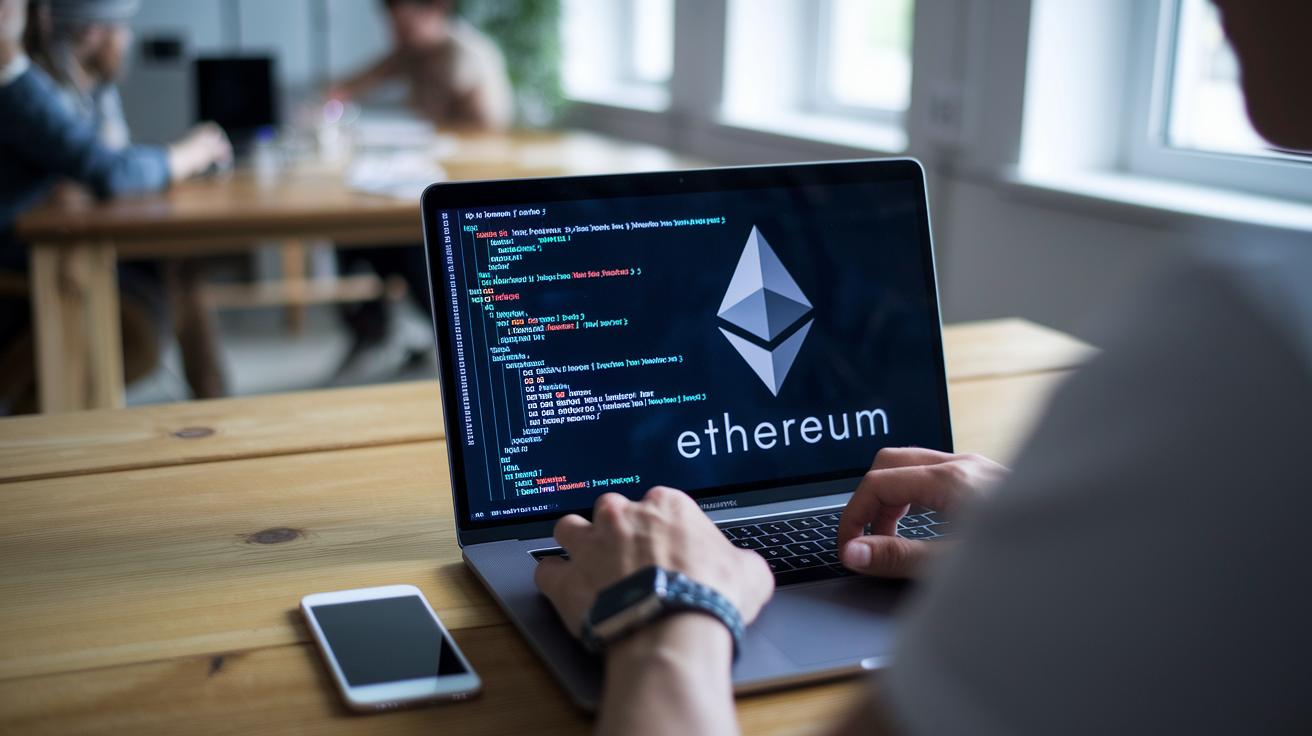
Smart contracts on Ethereum changed the game by embedding rules directly into the code. For example, when you buy an NFT, a small fee automatically goes to the creator, kind of like how a songwriter gets a bonus every time their hit song is played.
Other blockchain systems, such as Flow and Solana, stepped up with faster minting speeds and lower fees. They offer developers a slick way to work without losing creative freedom. This change opened up a richer variety of digital assets and made the art scene smoother compared to early blockchain systems.
The conversation around Layer-1 and Layer-2 platforms has become a big part of this evolution. Layer-1 platforms focus on strong security and staying decentralized, while Layer-2 platforms aim to speed up transactions. It’s really like choosing between quality and speed, each option has its own set of ups and downs.
Innovations in ledger technology keep pushing record-keeping and transparency forward. These upgrades help cut down on hurdles for both creators and collectors. With better backend systems and new features on display, NFT technology now plays a major role in making the digital asset market more efficient.
Regulatory and Certification Trends in NFT Market Progress
NFT platforms are stepping up their game because of stricter rules. They now mix biometric scans with ID checks to fight counterfeits. Before these checks, fake transactions were all too common, hurting trust and lowering market value. With these updates, both collectors and creators feel safer and more confident.
On-chain systems now work like a digital notebook that never erases a single entry. Every NFT transfer is recorded for good, so debates over who owns what are rare. Imagine a ledger where every detail is saved forever, that’s the kind of reliability that builds market trust.
There’s also been a boost in services like lending and staking, inspired by new ideas in blockchain finance. These new tools let you use your NFT as a kind of collateral, unlocking more value. It’s similar to how a ticket can serve as both an entry pass and a cherished collectible.
- Enhanced verification processes
- Immutable ownership tracking
- Lending and staking services
All these innovations not only meet tougher compliance standards but also layer on trust, making the NFT market more solid and appealing to a wider range of investors.
Market Dynamics and Collector Behavior in NFT Evolution

Collectors' reasons for buying NFTs have changed a lot over time. Nowadays, people are leaning more toward projects that build a lasting community rather than chasing quick trends. Many NFT collections start off with a big burst of excitement that quickly fades, leaving only a few that become truly meaningful. Think of a collector who grabbed a limited digital art piece during a short surge and then watched its value level off. This shows that fast trends can eventually give way to projects focused on community and long-term connections.
Membership NFTs and subscription models are now really gaining traction. These offer ongoing perks, like access to exclusive content, special events, or even a vote on community decisions. Imagine getting a monthly preview of new digital art, much like a subscription to your favorite magazine. This type of setup builds long-lasting interest and provides a steady income stream for creators.
Real-world asset tokenization and fractional ownership are also shaking things up by opening new ways to invest. Instead of having to buy something completely, investors can now own a piece of assets like real estate or fine art. This not only makes the market more flexible but also draws in a wider range of people looking to invest.
| Change | What It Means |
|---|---|
| Community-focused collecting | Projects that last longer and mean more |
| Membership NFTs & subscriptions | Regular perks and steady income for creators |
| Asset tokenization & fractional ownership | New investment paths and increased market flexibility |
All these changes are part of an evolving market where digital assets become more versatile and exciting. Isn't it interesting how quickly trends can shift and new opportunities come to life?
Future Outlook and Projections for NFT Market Evolution
Analysts see steady growth ahead as more businesses and institutions explore digital tokens for art, real estate, and intellectual property. They base this forecast on data showing a rising trend in practical uses like in-game features, digital fashion checks, and tokens backed by real-world assets. Imagine a digital investor joining a subscription service that keeps adding perks, much like getting VIP treatment at your favorite theme park.
Studies on adoption trends show that areas offering ongoing benefits will grow faster than those focused only on art. So while digital art still has its charm, NFT platforms that deliver extra advantages, such as exclusive content or even tokenized real-world assets, are set to take a larger slice of the market.
Experts also point out that some challenges still need to be overcome, like limits on how many transactions can be processed, uncertain regulations, and a need for more transparency in secondary sales. But rather than halting progress, these hurdles inspire further innovation. Think of it like upgrading a crowded highway to ease traffic, which in turn creates a smoother ride for both creators and collectors.
Key trends include:
- Ongoing interest from businesses in varied, utility-rich applications
- A shift from art-only NFTs to a broader range of digital assets
- Continuous innovation focused on solving scalability and regulatory issues
Overall, experts believe that as these trends solidify, the NFT market will find a balanced mix of creative art and practical benefits, paving the way for exciting art futures and a robust digital asset ecosystem.
Final Words
In the action, we covered key milestones from early collectibles like CryptoKitties and CryptoPunks to Beeple’s breakthrough sale, showing how smart contracts and diverse blockchain platforms shaped market features. We also saw how new certification methods and risk controls built trust along with shifts in collector behavior.
Looking ahead, data-driven projections promise growth as digital asset use cases broaden. Every step has contributed to the evolution of the nft market landscape, offering a bright forecast for investors.