
Have you ever wondered if crypto trading really blends today's digital security with the steady practices of traditional finance? Think of crypto securities exchanges as a modern market where clear, easy rules connect buyers and sellers. In this discussion, we look at how these platforms keep your digital assets safe by using secure storage and fair order matching. By using digital ledgers (a simple way to record transactions) along with strict security steps, they build trust with every trade. It’s a smart, safe option for everyday investors looking to dive into the digital asset world.
crypto securities exchange: Bold trading, secure platform

A crypto securities exchange is like a busy marketplace where orders from buyers and sellers are matched using strict, set rules. Unlike platforms that only trade digital coins, these exchanges also handle tokenized shares and other securitized digital assets using blockchain order books. This approach blends traditional finance with the fresh world of digital securities.
These platforms are designed to keep trading safe and straightforward. They let users swap digital assets securely while making sure every transaction is efficient and clear.
| Key Feature | Description |
|---|---|
| Order Matching | Uses set rules where every order is matched fairly |
| Custody Solutions | Offers both hot and cold wallet storage so assets stay safe |
| Clearing & Settlement | Ensures trades are properly finalized and settled |
| Price Discovery | Helps determine fair pricing with a transparent order book |
| Regulatory Reporting | Provides interfaces for reporting to meet legal standards |
Many exchanges work under strict licenses similar to those for other regulated digital asset platforms. They follow rules much like the SEC's Rule 3b-16 and use advanced storage and clearing systems to keep your digital assets secure. Plus, by linking with traditional finance systems, they offer features like clear pricing and detailed trade reports that feel familiar and trustworthy.
This smart blend of blockchain technology and standard financial practices creates a safe, credible marketplace. It helps investors feel confident when exploring modern yet secure trading solutions.
Regulatory Framework for Crypto Securities Exchanges
Since April, the SEC has kicked off three enforcement actions aimed at crypto trading platforms that haven't registered. These measures could put U.S. trading on hold if the platforms don't meet the required registration rules.
Right now, under Rule 3b-16, an organization is seen as an exchange when it matches orders from several buyers and sellers using fixed, non-discretionary methods. Proposed changes might widen this definition and bring more crypto trading sites under the SEC's watch. So, even platforms that weren't considered exchanges before might soon have to follow tougher rules.
Many in the industry are watching these developments with both caution and support. SEC leaders point out that a lot of platforms already meet the existing standards. In fact, Commissioner Hester Peirce has suggested that regulators and platforms work together to register decentralized finance services, instead of immediately jumping to enforcement. Some critics believe that a cooperative approach could lead to rules that really fit the unique nature of crypto markets, while still keeping investors safe.
Each platform now faces the challenge of checking its offerings under the four-part Howey test. This test looks at whether there's an investment of money, a common enterprise, an expectation of profits, and reliance on others' efforts. Therefore, every crypto asset must be reviewed carefully on its own to decide if it qualifies as a security.
It’s really important for platforms to seek legal advice so they understand if their services need to register under current guidelines or the new rules.
Comparing Crypto Securities Exchanges with Traditional Markets
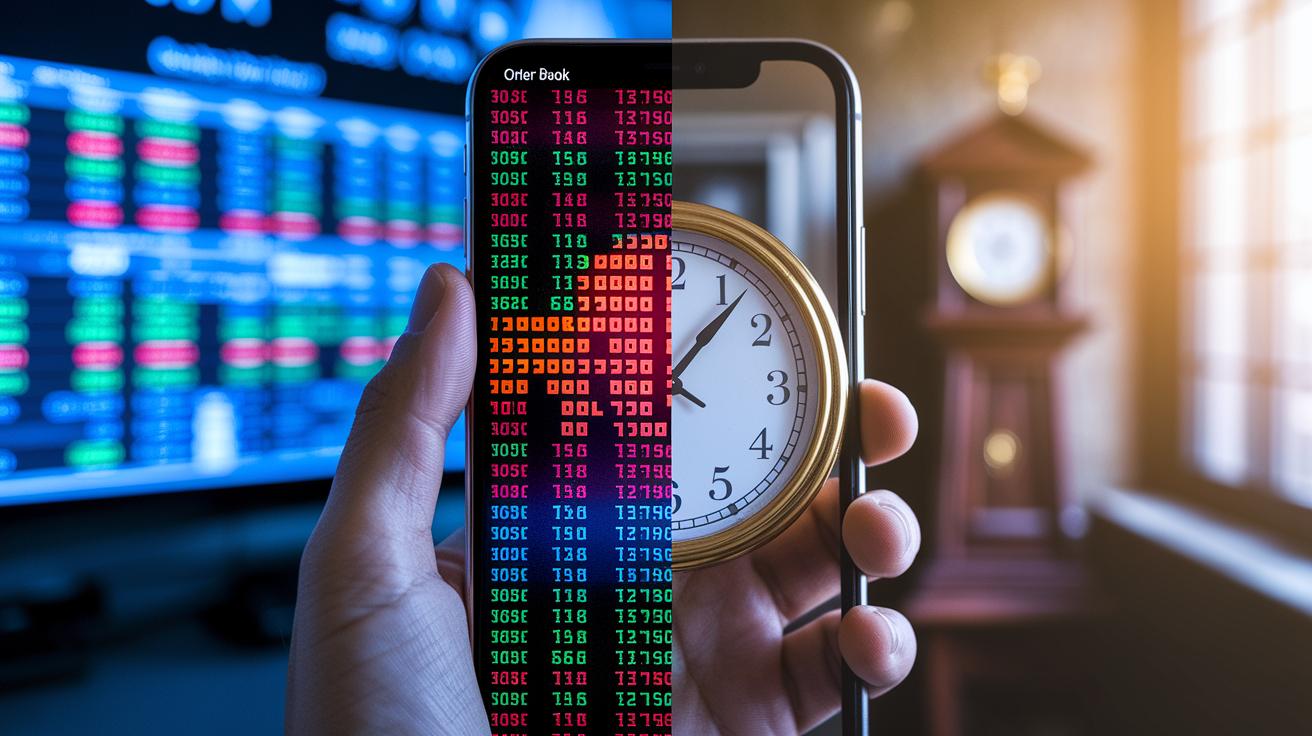
Comparing crypto securities exchanges to traditional markets helps us see how new technology is changing trading. Both types match orders from buyers and sellers, but each has special ways of doing things. Crypto platforms run around the clock and settle trades on the blockchain in just minutes. Traditional markets, on the other hand, only operate during set hours with central clearing houses stepping in to settle trades. This clear difference shows investors how market practices are evolving.
Under Rule 3b-16, both platforms stick to fixed order matching rules. This means every trade follows clear, non-discretionary guidelines to keep things fair and transparent. Whether you're on a crypto platform or a traditional market, you get a reliable system for pairing orders.
| Feature | Crypto Securities Exchange | Traditional Securities Exchange |
|---|---|---|
| Regulatory Oversight | Meets criteria under SEC rules for order matching | Operates under established financial market regulations |
| Trading Hours | Operates 24/7 | Fixed trading hours |
| Settlement Model | On-chain settlement in minutes | Central clearing houses with T+2 settlement |
| Asset Type | Tokenized shares and digital securities | Traditional stocks and bonds |
The differences in trading hours and settlement methods have clear effects on liquidity, cost, and transparency. Crypto exchanges, with 24/7 trading and super-fast settlements, can boost liquidity and let investors react quickly to new opportunities. Their maker-taker fee structures might offer cost benefits or simply change how fees work compared to the steadier models in traditional markets. And with blockchain, price and order data are available in real time, giving traders a transparent view that’s perfect if you value speed and clarity in your investments.
Security Protocols and Infrastructure in Crypto Securities Exchanges

Top crypto securities exchanges use strong tech measures to keep digital assets and trading safe. They build several layers of security that let only the right people access important systems. These sites mix identity checks (like KYC/AML, which verify who you are to prevent money problems) with digital data tools. This way, they offer a safe environment that follows the best rules in online finance.
At the heart of these platforms is a focus on protecting funds. They use multi-signature wallets – meaning a few approvals are needed to send funds – alongside offline cold-storage solutions that keep money away from online risks. By mixing hot wallets (connected online) with cold wallets (kept offline), they make sure that if one barrier faces trouble, overall safety isn’t at risk. This strategy builds trust with investors who rely on secure trading systems.
Regular checks and audits are key to keeping everything secure. Friendly expert firms often review the systems to spot any weak points early. This proactive check, combined with strict internal controls and limited access rights, creates an environment where risks are found and handled quickly.
Top Licensed Crypto Securities Exchange Platforms
We picked the best platforms by looking at their strong legal backing, high trade activity, and top-notch user reviews. Investors really value exchanges that own proper licenses for digital assets because that shows they meet strict financial rules and are trusted by industry experts.
Take tZERO, for instance. It kicked off in 2019 with FINRA’s Reg ATS nod, which set a high bar for regulation. Then there’s INX Securities, which started public trading in 2021 as a registered broker-dealer. Their clear commitment to regulation and active presence in the market has earned them investor trust. Archax in the UK carries FCA approval, signaling quality and safety in digital asset trading, while MERJ Exchange holds licenses in the Seychelles and parts of the EU. Think of it like picking a well-known brand that checks every box when it comes to top safety and a smooth trading experience.
The ratings for these exchanges come from a mix of detailed online reviews and trusted industry ratings. Experts check these platforms for openness, solid security, and reliable performance in matching orders and managing asset custody. Their side-by-side comparisons help investors quickly see which venues best balance safety with strong performance.
Investor Guide to Trading on Crypto Securities Exchanges

When choosing an exchange, go for one that’s fully registered and shows good liquidity. I always check that the registration details are clear and that there's a steady flow of trades. This helps you feel confident about where you’re trading.
Once you've picked your platform, complete the required KYC/AML checks, this just means sending a few documents and photos, much like opening an online bank account. Most investors find it pretty straightforward.
Then, think about how you want to fund your account. Many platforms let you deposit both traditional money (fiat) and stablecoins, which are digital coins pegged to regular currency. One trader mentioned that making his first deposit felt secure and quick, which motivated him to explore more trading options.
When placing orders, you have a couple of choices. Market orders let you trade instantly, while limit orders let you set a specific price, like setting a financial goal. One trader said he liked placing a limit order at his target price.
And finally, remember to keep an eye on market regulations and compliance updates. Staying on top of these changes can help you manage risk and keep your portfolio secure as the rules evolve.
Final Words
In the action, we broke down key aspects of crypto securities exchange platforms. We explained their core functions, regulatory expectations, and how they differ from traditional trading venues. Our discussion covered everything from order matching and security protocols to top licensed options and investor guidelines. This clear review shows you the steps for smart decisions, risk management, and portfolio diversity. With such practical insights at hand, the crypto securities exchange scene remains a promising space for those ready to seize new investment opportunities.