
Ever wonder if new crypto rules are turning chaos into order? Around the globe, governments are changing how they handle digital money. Different countries now have their own ways of setting rules for buying, selling, and using these assets.
In the United States, several agencies share the job of managing these changes, while some places have put in really strict rules for digital asset businesses. Global organizations are also teaming up to create a set of common standards.
In short, clearer rules are making digital money easier to understand and trust. It’s like watching market trends smooth out as clearer guidelines help protect consumers and shape the future of digital finance.
Global Crypto Regulation Overview

Crypto regulation lays out the legal rules for creating, selling, trading, taxing, and using digital assets. Around the world, these rules change based on local economic and political priorities. In some places, countries work together to set similar guidelines, while in others, the control is spread out across different agencies.
Take the United States, for example. Multiple agencies like the IRS, SEC, CFTC, DOJ, Federal Reserve, Treasury, BIS, and FinCEN share oversight. And, to add some complexity, individual states can have extra rules. In California, digital asset businesses must get a license by July 1, 2026, thanks to the Digital Financial Assets Law.
Meanwhile, international groups such as the International Monetary Fund and the Financial Stability Board set global benchmarks. This means that market players need to stay updated on both worldwide policies and local laws as they navigate the digital asset world. It’s an evolving field that balances boosting financial integrity and protecting consumers with encouraging innovation.
| Jurisdiction | Regulatory Approach | Key Bodies | Effective Date |
|---|---|---|---|
| United States | Fragmented oversight among federal agencies | IRS, SEC, CFTC, DOJ, Federal Reserve, Treasury, BIS, FinCEN | Varies by agency |
| California | Mandatory licensing for digital assets businesses | Department of Financial Protection and Innovation | July 1, 2026 |
| El Salvador | Recognizes crypto as legal tender | Government financial authorities | 2021 |
| China | Strict ban on crypto activities | People’s Bank of China | Ongoing enforcement |
| European Union | Harmonized regulatory framework across members | ESMA, ECB | 2023 |
Looking at the global scene, you see a mix of centralized and decentralized efforts to rule digital coins. This means that if you’re involved in crypto, you need to keep an eye on both broad international trends and local rules. It’s a balancing act that not only boosts trust and safety in financial systems but also leaves room for the exciting innovation happening in the world of digital currencies.
US Crypto Regulation and Compliance

In the U.S., crypto rules feel like trying to piece together a puzzle. The IRS sees digital coins as property for taxes, the SEC steps in when tokens might act like stocks, the CFTC looks at derivatives (financial contracts whose value comes from another asset), FinCEN deals with anti-money-laundering measures, and the DOJ handles fraud. It’s a mix where every agency adds its own twist, much like solving a mystery with clues from different sources.
New leadership might clear the fog. With Paul Atkins now at the SEC, we could see clearer guidelines that help businesses speed up their compliance checks. At the same time, the CFTC might take on a bigger role in keeping an eye on derivatives trading. It’s like the clouds parting on a bright day, making things easier for everyone in the market.
State rules add another layer to this mix. For example, California’s Digital Financial Assets Law requires digital asset firms to get licenses by mid-2026. This rule not only protects local investors but might also set a standard for other states. So, both investors and businesses need to keep an eye on federal and state rules to stay on top of the game.
Global Crypto Regulation Standards and Oversight Bodies

International organizations like the IMF offer advice and help to shape crypto laws so that each country can follow global best practices. Experts and policymakers regularly meet to set clear standards for digital asset rules, such as how assets are categorized, stablecoins are tracked, and cross-border issues are managed. Think of it like a town hall meeting where different voices come together, share ideas, and create fair and clear guidelines.
Around the world, these international bodies continue to work together by holding regular check-ins. They discuss the latest trends in digital finance and adjust rules as needed. These meetings focus on new risks in decentralized finance and help update controls for stablecoins and other digital assets. In short, this teamwork makes it easier for countries to streamline their laws, creating a steadier and more predictable environment for crypto businesses and investors.
Crypto Regulatory Challenges and Market Risks

Regulators today face a maze of issues as they try to balance the excitement of new financial tech with the need to keep investors safe and markets fair. New tech like smart contracts (self-executing codes) and DeFi platforms (decentralized finance systems) offer cool opportunities, but they also open up unexpected security gaps and confusing rules. This race to catch up means market players take on extra risks as they work to stay in tune with ever-changing regulations.
It’s like trying to keep a seesaw balanced when one end is constantly shifting. Imagine a brand new gadget that’s super exciting but still needs a lot of safety tests before it’s ready for everyone.
Smart contracts and DeFi bring their own set of challenges. Think of it as having a digital gate with a latch that sometimes doesn’t work right. The code can leave gaps, making it hard to ensure everything is safe and sound.
Then there are the rules. With conflicting state and federal guidelines, it’s like trying to play a game with two different rulebooks at once. Picture being told to follow two sets of rules, and suddenly, every move you make feels uncertain.
Overlapping authority doesn’t help either. It’s similar to having multiple referees in a game, each blowing their whistle at their own time, which only adds to the confusion. Each new signal can change how the game is played.
There’s also the issue of stablecoins. Their regulation isn’t fully developed, which raises questions about liquidity and whether there’s enough backing to support them. It’s like relying on a safety net that might not hold up when you really need it.
| Challenge | Analogy |
|---|---|
| Balancing Innovation and Protection | The seesaw that must stay balanced. |
| Smart Contracts/DeFi Code Gaps | A digital gate with a tricky latch. |
| Conflicting Rules | Playing with two rulebooks at once. |
| Overlapping Agency Authority | Multiple referees with varied signals. |
| Stablecoin Regulation | A safety net of unknown strength. |
For more details on these issues, you can check out this article on crypto regulatory risks: https://cfxmagazine.com?p=36280
Market players need to stay on their toes as these challenges evolve. By keeping a close eye on changes and carefully evaluating risks, they can navigate this dynamic digital asset world. After all, the balance between driving innovation and building investor trust is what keeps the entire market moving forward.
Future Trends in Crypto Regulation and Policy
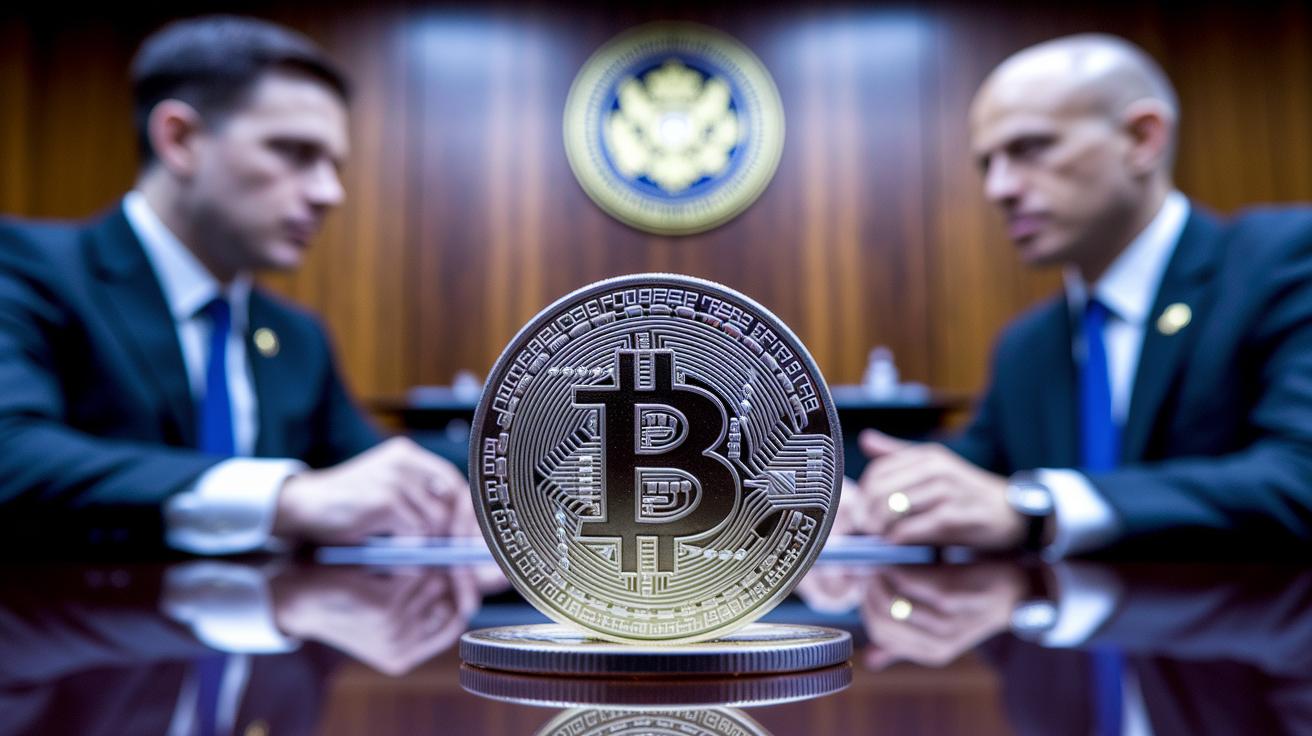
Officials are talking about a federal plan that might set up a strategic bitcoin reserve using crypto assets they’ve seized. This idea is seen as a way to help lower U.S. debt and marks a brave move in financial oversight.
At the same time, the incoming SEC leadership seems ready to embrace a more crypto-friendly stance. They plan to roll out clearer rules that make it easier for digital asset companies to follow the law. These changes could help balance investor protection with market innovation.
Globally, groups like the FSB and IMF are planning to update their guidelines. They'll tackle issues like how tokens are classified, risks in decentralized finance (which is a way to do finance without traditional banks), and the challenge of money moving across borders. These updates aim to align standards across the globe and signal a time of fast change in how digital assets work.
Investor Guide to Crypto Regulation Requirements

Investors need to understand the laws around digital assets. They must follow rules like know your customer (KYC) and anti-money laundering (AML). These rules, set by groups such as FinCEN (a US financial watchdog) and FATF (an international group fighting money laundering), help keep you out of trouble. Think of it as preparing your home before a storm – you take action to keep unexpected problems at bay.
When you sell digital coins, the IRS sees any profit as a capital gain, which means you have to report any money you make. For example, if you earn profit from selling a digital asset, you need to file clear and detailed reports. Some tokens may also be checked by the SEC using the Howey Test, a quick check to see if they need to be registered or can get an exemption. Tools like the crypto tax calculator at this link can make tax reporting easier and help you steer clear of fines.
Digital trading platforms often need special licenses, such as Money Transmitter Licenses and state permits for handling digital assets. Learning about these requirements is smart, whether you're investing on your own or managing money for others. Following these steps not only meets legal rules but also boosts protection for everyone, making the experience smoother in the fast-changing world of digital coin investments.
Final Words
In the action, we discussed how the global crypto regulation framework guides rules on digital asset trading and tax, while U.S. market complexities call for careful attention. We reviewed investor tips along with the latest risk management insights.
This recap offered a view into regulatory trends, showing that clear policies and practical strategies help build a strong investment portfolio. Take these insights to shape your trading strategies confidently for a promising future in digital assets.
FAQ
What did crypto regulation in 2022 involve?
Crypto regulation 2022 involved updated legal rules and compliance standards for digital assets, aiming to define how crypto is created, traded, and taxed across different markets.
What does current crypto regulation news and bill updates point to for 2024?
Crypto regulation news and bill updates point to evolving oversight with upcoming 2024 rules, as lawmakers consider new bills to improve transparency and consumer protection in the industry.
What is a cryptocurrency regulation PDF?
Cryptocurrency regulation PDF refers to downloadable documents that compile legal frameworks and compliance guidelines for digital asset oversight, typically provided by government or financial institutions.
What are crypto regulation companies?
Crypto regulation companies are firms that offer advisory services, compliance solutions, and legal guidance to ensure digital asset businesses adhere to established national and international crypto rules.
Which countries have regulated cryptocurrency?
Countries that have regulated cryptocurrency include those that adopt legal frameworks to manage and tax digital assets, while some recognize crypto as legal tender and others impose strict bans.
Is there any regulation on cryptocurrency?
Cryptocurrency regulation exists as various laws govern the creation, trading, taxation, and consumer protection aspects of digital assets across multiple jurisdictions worldwide.
Is crypto going to be regulated in the USA?
Crypto will see ongoing regulation in the USA, where multiple agencies are working on clearer guidelines despite lacking one unified federal framework, with future reforms likely to bring more consistency.
Do you have to report crypto transactions under $600 in the USA?
Reporting crypto transactions under $600 in the USA is subject to IRS guidelines, as cryptocurrency is treated like property, and lower-value trades may still need to be reported on tax filings.
Is crypto regulated by the SEC in the USA, and what roles do key agencies play?
Crypto regulated by the SEC falls under securities law, while other bodies like the CFTC, FinCEN, FTC, FDIC, and EPA handle derivatives, financial crime, consumer protection, banking supervision, and environmental impact, respectively.