
Have you ever worried that using crypto for everyday purchases might be too risky? Imagine a card that instantly turns your digital coins into cash without extra fees. With a crypto debit card, you can pay for groceries, travel, or a meal out while earning rewards and keeping conversion costs low. It quickly adjusts to the fast-changing value of your crypto and covers all your spending needs. In this piece, we'll look at a few different crypto debit cards and share their clear benefits, making it easier to decide if one can simplify your digital spending.
Using a Crypto Debit Card: Overview and Key Comparisons
Crypto debit cards let you pay for everyday items by instantly switching your crypto into regular cash at checkout. You can get these cards from exchanges or banks, and all you have to do is sign up and verify your identity. This means you can dodge extra conversion fees when you’re traveling, earn crypto rewards, and enjoy smooth transactions at stores. On the flip side, the value of crypto can change fast, which might affect what you pay, and you have to keep an eye on tax details. Have you ever noticed how spending crypto directly abroad can actually save you money?
Big names like Crypto.com, Coinbase, Binance, and Nexo each offer their own twist on these cards. They differ in what coins they support, how fees are handled, and the types of rewards you can earn. For instance, some cards skip annual fees and even let you take out cash for free up to a limit, while others want you to hold a specific token to unlock extra perks. Because of these small differences, it helps to compare cards to see which one fits your spending and investment style best.
| Card | Supported Cryptos | Fees | Rewards |
|---|---|---|---|
| Crypto.com Visa | Multiple coins | No annual/spending fees | 1-5% Cashback |
| Coinbase Card | 7 Cryptos | Free for US, small EU fee | Up to 4% Cashback |
| Binance Visa | Various coins | 0.9% per transaction | Up to 8% Cashback (with BNB) |
| Nexo Card | Multiple coins | No ATM fees up to €2,000 | Up to 14% interest, 2% Cashback |
Crypto debit cards mix the ease of everyday spending with the fast-changing world of digital assets. They work by turning your crypto into cash when you pay, and the reward programs can even add a nice boost to your returns. Just keep in mind that you need to manage the ups and downs of crypto prices and stick to tax rules to keep your finances in good shape.
Best Crypto Debit Card Providers for 2025
Leading crypto debit cards are growing in popularity as they make spending digital money easier than ever. These cards come with a range of coins, fee plans, and rewards crafted to suit different digital spenders.
Crypto.com Visa Card lets you use 19 different cryptocurrencies and 20 types of traditional money with a hassle-free setup that links right to your account. By staking CRO (holding and using the crypto tied to this card), you can earn cashback rewards anywhere from 1% to 5% and enjoy high ATM withdrawal limits ranging from $200 to $1,000. Best of all, there are no annual or extra spending fees.
Coinbase Card is a simple option that supports seven cryptocurrencies. It turns your digital coins into regular money on the spot. For U.S. users, there’s no annual fee, while folks in the EU might pay a small issuance fee along with a 2.49% fee for liquidations. Plus, it delivers up to 4% crypto rewards with low conversion costs, making it perfect if you value low fees and easy spending.
Binance Visa Card is designed with everyday spenders in mind and offers a straightforward setup process. If you hold at least 600 BNB (a type of crypto), you can make the most of its rewards. There are no fees for issuing or monthly payments, only a modest 0.9% fee per transaction. Qualified users can even earn up to 8% cashback, adding extra value to each purchase.
Nexo Card doubles as both a debit and credit card, letting you earn up to 14% interest on your balance. It offers flexible spending along with 2% cashback, and gives free ATM withdrawals up to €2,000 each month. On top of that, you can earn interest on your holdings, which is perfect if you’re looking for both liquidity and growth.
Each card stands out in its own way. If you’re watching your budget, Coinbase or Binance might be the ideal choices. However, if you want a card that offers a mix of rewards and spending flexibility, Crypto.com or Nexo could be a better match. Ultimately, the best card depends on which features matter most to you.
Crypto Debit Card Fees, Limits, and Conversion Rates
We've dug into fees before, but here's a look at some special charges that come into play when turning crypto into regular cash. This overview breaks down the extra costs you might see on each transaction.
BasedApp, for instance, adds a 1.5% extra charge when converting crypto to cash. If you're swapping crypto directly for fiat currency, there's a 1% fee, so swapping $1,000 in crypto costs you around $10. And when you switch between fiat currencies, they tack on an extra 0.5%.
BitPay works a bit differently. U.S. transactions incur a $2.50 fee at ATMs, and if you're abroad, the fee goes up to 3%. Also, note that conversion rates and spending thresholds can differ by provider, meaning fees can change once you hit certain levels.
It all comes down to matching these fee setups with your own spending style and needs. Have you ever noticed how these little differences can really add up?
Security and Compliance for Safe Crypto Debit Card Use
Crypto debit cards keep your funds safe using cutting-edge security measures. They rely on strong 256-bit encryption – think of it as a super tough digital lock – paired with two-factor authentication, which means you need a password and an extra code to get in. Plus, there’s always someone (or something) on watch; automated systems monitor activity around the clock and send you an alert if an unusual login pops up. It’s like having a security guard who never sleeps, making sure your digital assets stay protected while you use them for everyday purchases.
Another layer of protection comes from identity checks. Card issuers use know-your-customer (KYC) and anti-money laundering (AML) procedures to verify you are who you say you are. Some services even let you handle your own private keys, giving you full control of your funds. They all play by international rules and regional licenses, and a few even add bonus protections like hardware-based security modules. In short, all these processes work together to create a safe space for turning digital money into cash you can spend with peace of mind.
Applying, Activating, and Integrating Your Crypto Debit Card

When you start out, you pick the card type that fits your spending style best. Many providers let you choose between a virtual card for online buys or a physical prepaid card you can carry around. First, create an account with your issuer by filling in some basic details and selecting the card format that suits you. This simple setup lays the groundwork for a smooth crypto payment experience.
Next, you'll need to verify your identity and meet any deposit requirements so you can activate the card. Most providers ask for a few ID documents as part of a basic know-your-customer check. For example, Coinbase Card needs you to complete this step, and U.S. users get their card activated for free. Meanwhile, Nexo gives you a free virtual card after a $50 deposit, and physical cards are sent free once your account has at least $500, though some tiers, like a Gold level, might require around $5,000. Other cards, such as Solayer’s Emerald Card and MetaMask Card, follow similar rules, sometimes with a small fee or even no fee based on your account status.
Finally, link your activated card to your mobile wallet for easy spending. Just add your card to an app that supports NFC and contactless payments, and you'll be all set to tap and pay seamlessly. This mobile integration keeps managing your crypto and regular funds simple and convenient.
Strategies to Maximize Rewards and Manage Volatility on Crypto Debit Cards
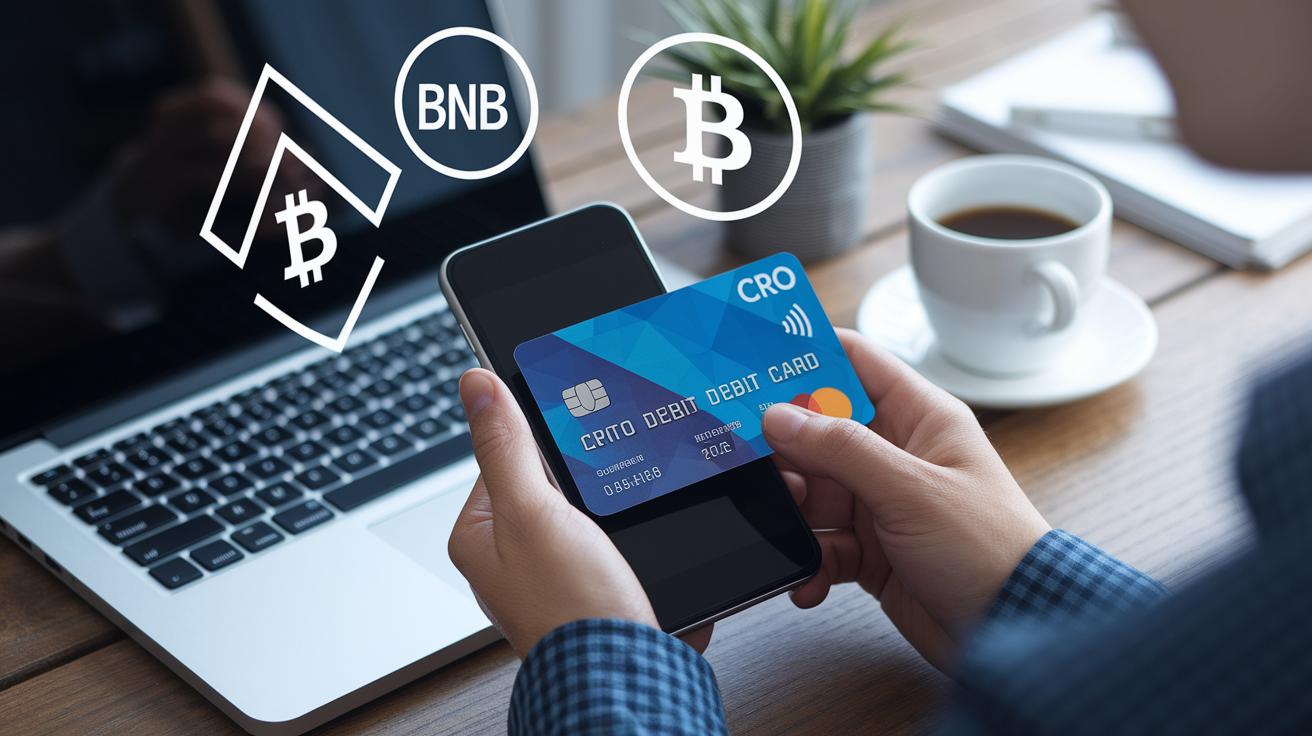
You can get more out of your crypto debit card by using your tokens smartly. For example, Crypto.com gives extra rewards if you stake a certain amount of CRO (which means locking up your coins to earn benefits), and Binance provides more perks when your wallet holds enough BNB. Think of it as tweaking your investment smoothie, with just a few small changes in your crypto balances, you can see a noticeable boost in your cashback rewards. Imagine setting aside a fixed amount of BNB each month to hit those higher cashback goals.
To keep your funds steady when the crypto market gets choppy, try converting part of your balance to stablecoins before making big purchases or set a set spending limit for each month. This simple trick can help protect your buying power if prices suddenly shift. It’s smart to watch the market closely, see how prices and rewards move, and adjust your strategy as needed.
Final Words
In the action, we've explored how using a crypto debit card works, compared key providers, and examined fee structures. We've also looked into security, compliance, and the setup process that makes these cards a valuable tool in digital asset spending.
We've shared tips on maximizing rewards and handling volatility while using a crypto debit card. This overview should help you confidently build a smart strategy for spending and growing your digital assets with a positive outlook.
FAQ
Is there a cryptocurrency debit card?
The cryptocurrency debit card lets users spend digital assets by converting crypto to fiat at checkout, offering a seamless way to pay for products and services.
Can I get a crypto debit card with no KYC and for free?
Some crypto debit cards offer free issuance and require minimal verification, though most must complete a brief KYC process to comply with legal guidelines.
What is the best card to use for crypto?
The best crypto debit card depends on your spending habits and preferences; comparing fees, supported cryptocurrencies, and reward programs helps you select a card that fits your needs.
Where can I use my crypto debit card worldwide?
Crypto debit cards are designed for global acceptance, letting you pay anywhere debit cards are used while converting your crypto into local currency instantly.
Is there a list of crypto debit cards available?
Popular options include Crypto.com Visa, Coinbase Card, Binance Visa, and Nexo Card; each offers unique features, fees, and rewards tailored to various user preferences.
What features do Coinbase, USA, and Europe crypto debit cards offer?
Coinbase and region-specific crypto cards provide tailored benefits, such as different fee structures and rewards, ensuring that users in the USA or Europe find options that match their local regulations and spending needs.
How do I add money to a crypto debit card?
You add funds by transferring cryptocurrency to your card provider account, where the digital asset is converted to fiat, making it instantly available for everyday transactions.
Which crypto wallets work with debit cards?
Wallets like Coinbase Wallet, MetaMask, TrustWallet, Electrum, SafePal, and Guarda can often integrate with crypto debit card apps, allowing you to manage, convert, and spend your digital assets easily.